
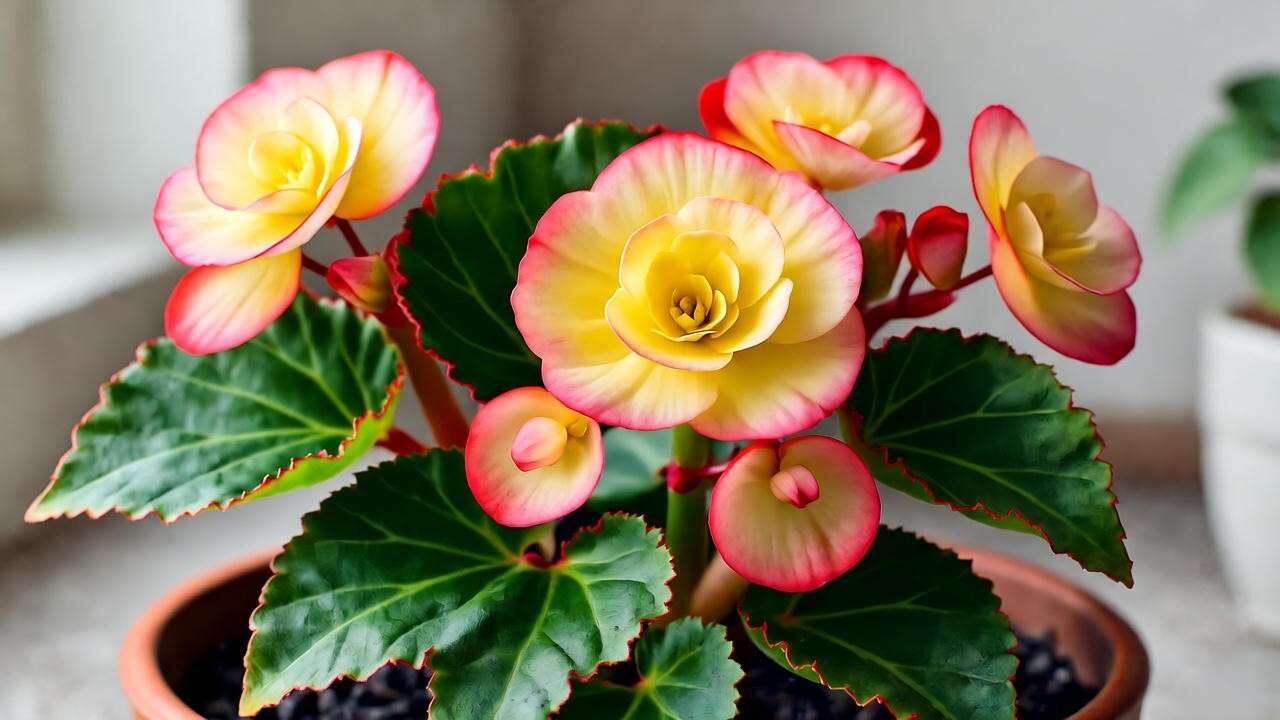
A Rieger begonia can be a serial bloomer if you give it a simple rhythm to follow. Think of it like coaching a small, eager athlete: steady light, even moisture, a nudge of bloom food at the right moment, and a tidy haircut between performances. Here’s the no-fuss routine that sequences pruning, feeding, and light so one Begonia × hiemalis (Elatior Group) can carry you through flush after flush.
Meet the plant: compact, generous, cool-season star
- Botanical identity: Begonia × hiemalis (Elatior Group), often sold as “Rieger” or “Elatior” begonia.
- Habit and size: Upright-to-mounding, fibrous-rooted (not tuberous), typically 20–40 cm tall and wide.
- Bloom timing: Winter through spring indoors, often from late autumn into early spring with good light.
- Best setting: Bright, filtered indoor light; sheltered patios/balconies in mild, frost-free weather.
Expect tight, leafy mounds and big color in shades of red, pink, orange, yellow, and white. With deadheading and a light trim between waves, it reboots surprisingly well for a compact plant.
The flush-to-flush routine (no fuss, just sequence)
Follow this loop to keep one plant blooming in waves.
1) Set up for success (day 1–7)
- Light: East-facing window is perfect. A bright south window also works with a sheer curtain. Avoid harsh midday sun.
- Temperature: Aim for 15–20°C (59–68°F). Keep above 12°C (54°F) in winter; avoid heat spikes.
- Water: Thorough soak, then let the top of the mix dry slightly before watering again—keep evenly moist, never soggy. Empty the saucer.
- Airflow: Gentle ventilation prevents mildew and gray mold.
- First prune? If recently repotted or slightly lanky, pinch tips after about two weeks to encourage branching. You can root those pinched bits as cuttings if you like.
Practical watering rhythm to start (always adjust to your home’s conditions and pot size):
- Newly purchased: about once per week.
- In active growth: often 2–3 times per week.
- During winter flowering: often about twice per week.
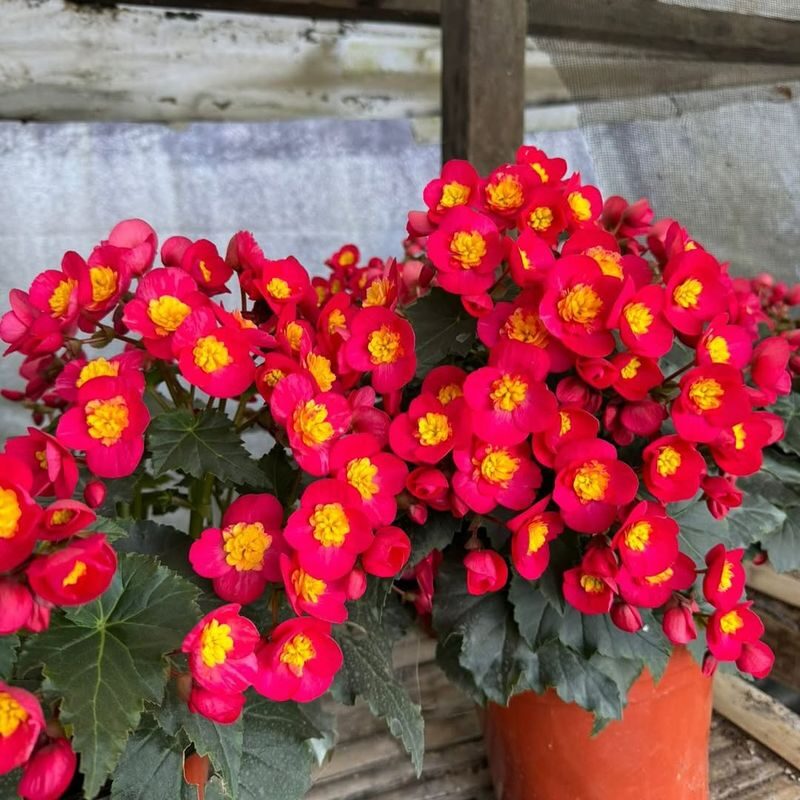
2) During a bloom wave (weeks 2–6)
- Light: Keep bright, indirect light; rotate the pot weekly for even growth. Cooler end of the comfy range (around 16–20°C) often means steadier flowering.
- Feed: Every 2 weeks with a balanced liquid fertilizer. When you see buds forming, give 1–2 timely top-ups of a bloom-boost formula higher in P and K (for example, 15-15-30).
- Groom: Deadhead promptly. Pinch or twist off spent blooms and remove their short, soft stems so the plant doesn’t waste energy or invite Botrytis.
- Water and air: Maintain even moisture and gentle airflow. Avoid wetting foliage late in the day.
You’ll notice the plant focuses energy into big, clean clusters when old flowers don’t linger.
3) Between flushes: the reset trim (weeks 6–8)
When bloom production slows:
- Light trim: Cut back older flowering stems lightly, leaving about 4–5 nodes per stem. This concentrates energy into fresh basal shoots—the engines of your next bloom wave.
- Tidy and thin: Remove weak, stretched stems. If it’s been in lower light, move it a notch brighter (still filtered) to prevent legginess.
- Feed finesse: Return to balanced fertilizer every 2 weeks. Once you see a new round of buds, give your second bloom-boost feed.
- Moisture balance: Keep the mix evenly moist—do not swing from dry to drenched. Consistency prevents bud drop.
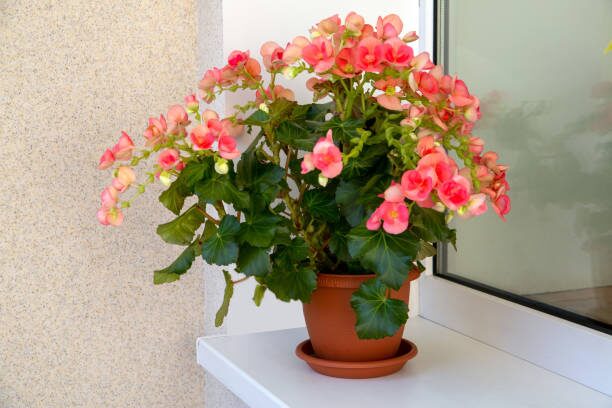
4) Riding the next wave (weeks 8–14)
- Keep the deadheading–watering–feeding rhythm going.
- Stake or gently redirect any wayward shoots to maintain that neat dome.
- If the plant lives in a hanging basket, let trailing edges fill in; rotate to keep the cascade even.
5) Hot-summer pause (if applicable)
Extended heat above 32°C (90°F) can cause wilting and bud drop.
- Move to the coolest bright spot you have, increase airflow, and keep the mix evenly moist.
- Pause feeding if the plant is clearly stressed. Resume when temperatures ease.
Light, temperature, and placement that bloom on cue
- Sunlight: Bright, filtered/indirect light. East windows excel; south with a sheer is fine. Too little light = leggy stems, paler leaves, fewer and duller blooms.
- Temperature: Best at 15–20°C (59–68°F). Keep above 10°C (50°F). Cooler-comfortable rooms often extend flowering; scorching rooms shorten it.
- Humidity: Prefers moderate humidity but not stagnant, clammy air. Use a pebble tray or nearby plants for a mild boost, and keep air moving.
Potting mix and repotting (keep roots airy)
- Mix: Rich but airy, slightly acidic potting mix with added perlite or coarse sand for drainage.
- Pot choice: Avoid oversized pots—they stay wet too long. Typical pots are 12–15 cm for tabletop plants; 15–18 cm for hanging baskets.
- When to repot: After a flowering cycle or when roots fill the pot. Refresh the mix to keep oxygen around fibrous roots.
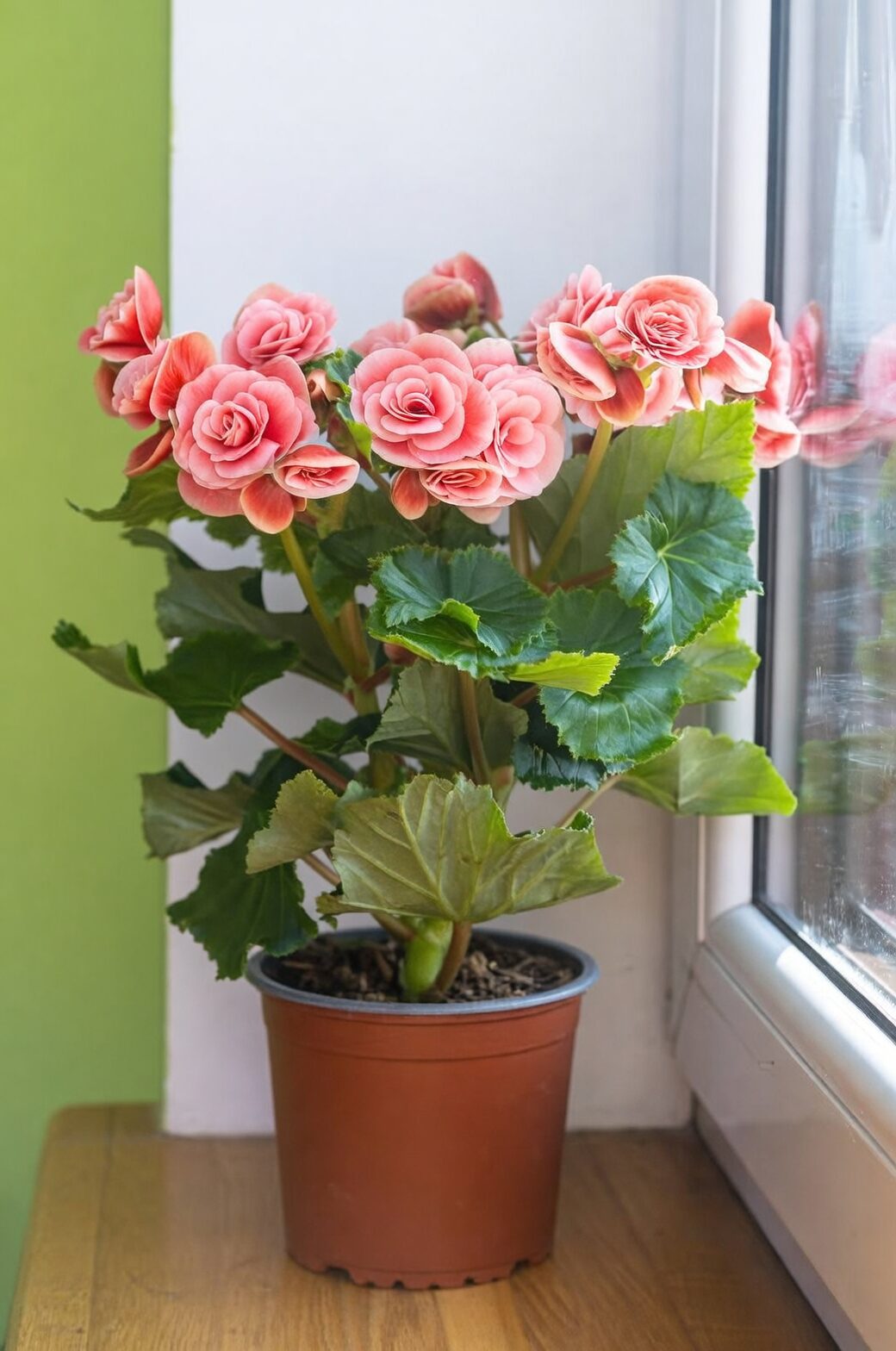
Pruning and pinching, clarified
- Deadhead early and often to prevent rot and keep energy on new buds.
- Post-flush cutback: Leave 4–5 nodes on previously flowering stems to spark fresh basal shoots.
- Pinching: Lightly pinch growing tips during active growth to promote branching. Root pinched tips as cuttings if you want backups.
Troubleshooting at a glance
- Bud drop or crispy leaf tips
- Usual causes: inconsistent watering, very dry air, heat spikes, or drafts.
- Fix: Steadier moisture, moderate humidity, gentler temperatures, and no cold drafts.
- Leggy, pale growth
- Cause: low light.
- Fix: Move to brighter filtered light and pinch back to thicken the canopy.
- Flowers fade fast or fall
- Causes: low light or general stress.
- Fix: Improve light and consistency; resume the prune–feed–light loop.
- Powdery mildew or Botrytis (gray mold)
- Signs: dusty white patches or gray fuzz on aging blooms/leaves.
- Prevention: Prompt deadheading, better airflow, avoid wetting foliage late, and don’t overdo nitrogen.
- Action: Remove affected parts; treat early with appropriate fungicidal options if needed.
- Pests: Spider mites and aphids sometimes show up. Treat early with insecticidal soap or horticultural oil; repeat as directed.
Safety note
Begonias are considered toxic if eaten and can irritate the mouth and stomach of people and pets. Keep out of reach, especially from curious chewers.
A note on names, origins, and why it blooms in winter
Rieger/Elatior begonias are man-made hybrids selected for compact growth and heavy, cool-season flowering. You’ll see labels like “Begonia elatior,” but the more accurate catch-all is Begonia × hiemalis (Elatior Group). Many beloved cultivars—like deep red types or bright yellow forms—were bred precisely to thrive on windowsills and in hanging baskets through the short days.
Symbolism, thoughtfully
In Victorian floriography, begonias touched on caution and nuanced sentiments, but modern gifting culture has recast these hybrids as emblems of gentle affection and cheer—especially because they flower when days are dim. Their winter bloom timing makes them a kind, hopeful gesture during holidays and the New Year.
Mini calendar cheat sheet
- Spring–early summer: Bright filtered light; water evenly (often 2–3× weekly); fertilize every 2 weeks; pinch tips for bushiness.
- Bud/flower season: Keep rooms comfortably cool-warm (around 16°C+); deadhead daily; give 1–2 bloom-boost feeds as buds form; avoid drafts.
- Hot summer spells: Shield from heat; increase airflow; maintain even moisture; pause feeding if stressed.
- Winter: Keep above 12°C (54°F) and in the brightest indirect light you have to avoid legginess and support strong flowers.
The routine, in one quick list
- Light: Bright, indirect; rotate weekly.
- Water: Soak thoroughly, then let the top dry slightly; never leave water in the saucer.
- Feed: Balanced every 2 weeks; add 1–2 bloom-boost feeds when buds appear; pause during heat stress.
- Groom: Deadhead promptly; after each main flush, cut back flowering stems to 4–5 nodes.
- Air: Gentle ventilation, moderate humidity.
- Reset: Repot after a bloom cycle or when rootbound, using an airy mix.
String those steps together and your Begonia × hiemalis will perform like a seasoned headliner—one tidy trim, one timely feed, and one small light tweak away from its next standing-ovation flush.