

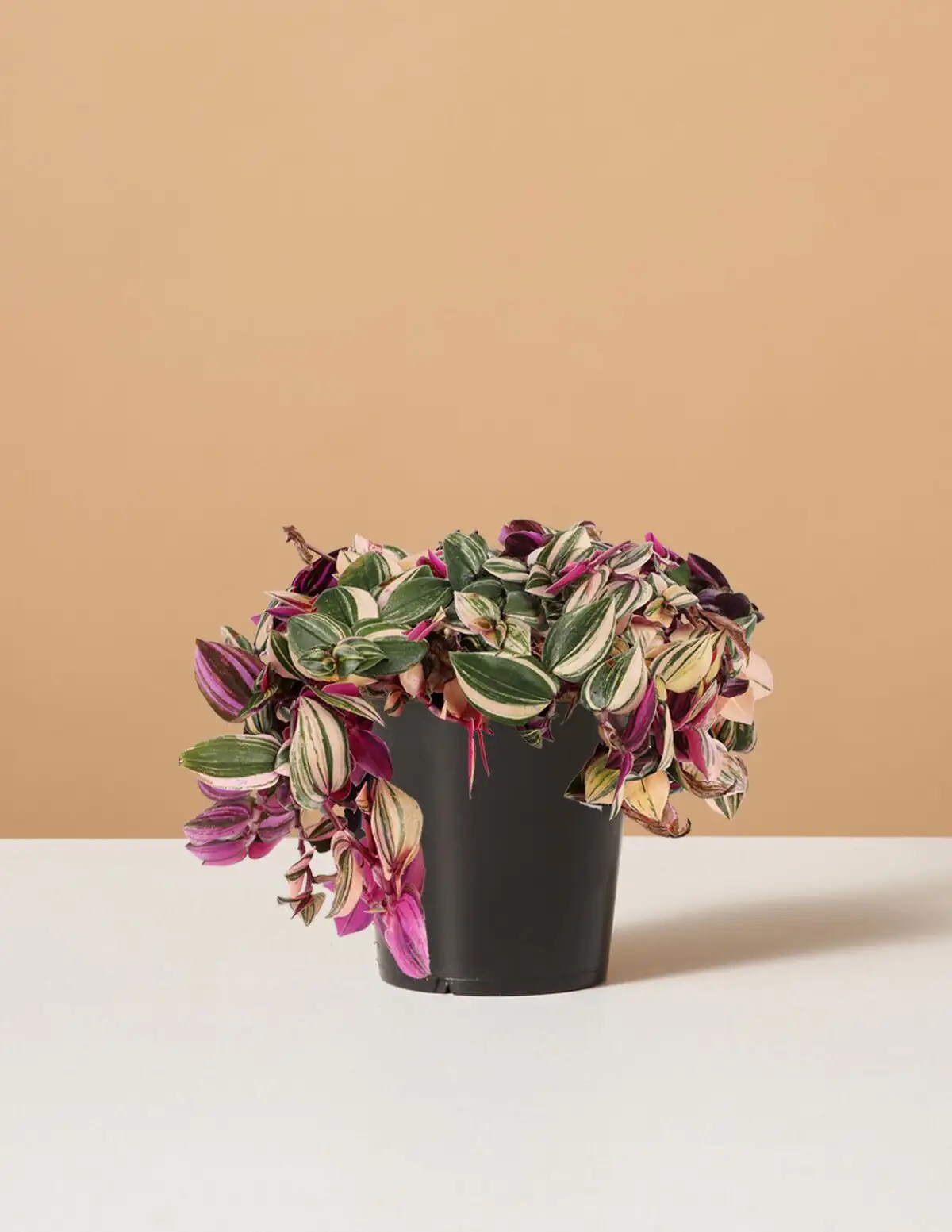
Want a waterfall of purple-and-silver stripes that stays lush, not lanky? With Tradescantia zebrina (aka inch plant), the secret isn’t fancy fertilizer—it’s your fingertips. This step-by-step pinching and propagation masterclass shows you exactly when and where to pinch, how to root node cuttings in water or soil, how many cuttings to plant per pot, and the quickest way to transform a scraggly basket into a full, cascading showpiece.
Meet your plant (and why pinching works so well)
- Growth habit: Fast, trailing stems that root readily at nodes. Left alone, they “wander,” get leggy, and go bare at the base. Pinching flips a hormonal switch that tells the plant to branch.
- Light: Bright, indirect light or gentle morning sun for richest silver-and-purple color. Avoid harsh midday summer sun.
- Water: Keep the mix lightly and evenly moist (never soggy). Water thoroughly, let excess drain, then water again when the top 2–3 cm (about 1 in) feels dry. In winter, water a bit less.
- Soil: Loose, airy, fast-draining. A classic 3:1 blend of high-quality potting mix to perlite or coarse sand is perfect.
- Temperature: Happy around 18–22°C (64–72°F); keep above 10°C (50°F).
- Bonus: Tiny pink-lavender flowers may appear with good light.
The pinch-for-bushiness masterclass
When to pinch
- Best season: Spring through summer, when growth is energetic.
- First big pinch: Once strands reach about 20 cm (8 in).
- Ongoing: Lightly pinch again every 2–3 nodes as growth continues. Think “little and often” rather than once-a-year heroics.
How to pinch (exactly where to cut)
- Find a growing tip and locate the nearest node (the slight swell on the stem where leaves emerge).
- Pinch or snip 0.5–1 cm (¼–½ in) above a node. This preserves the node and encourages 2–3 side shoots to break just below the cut.
- Collect the tip you removed—these are perfect cuttings.
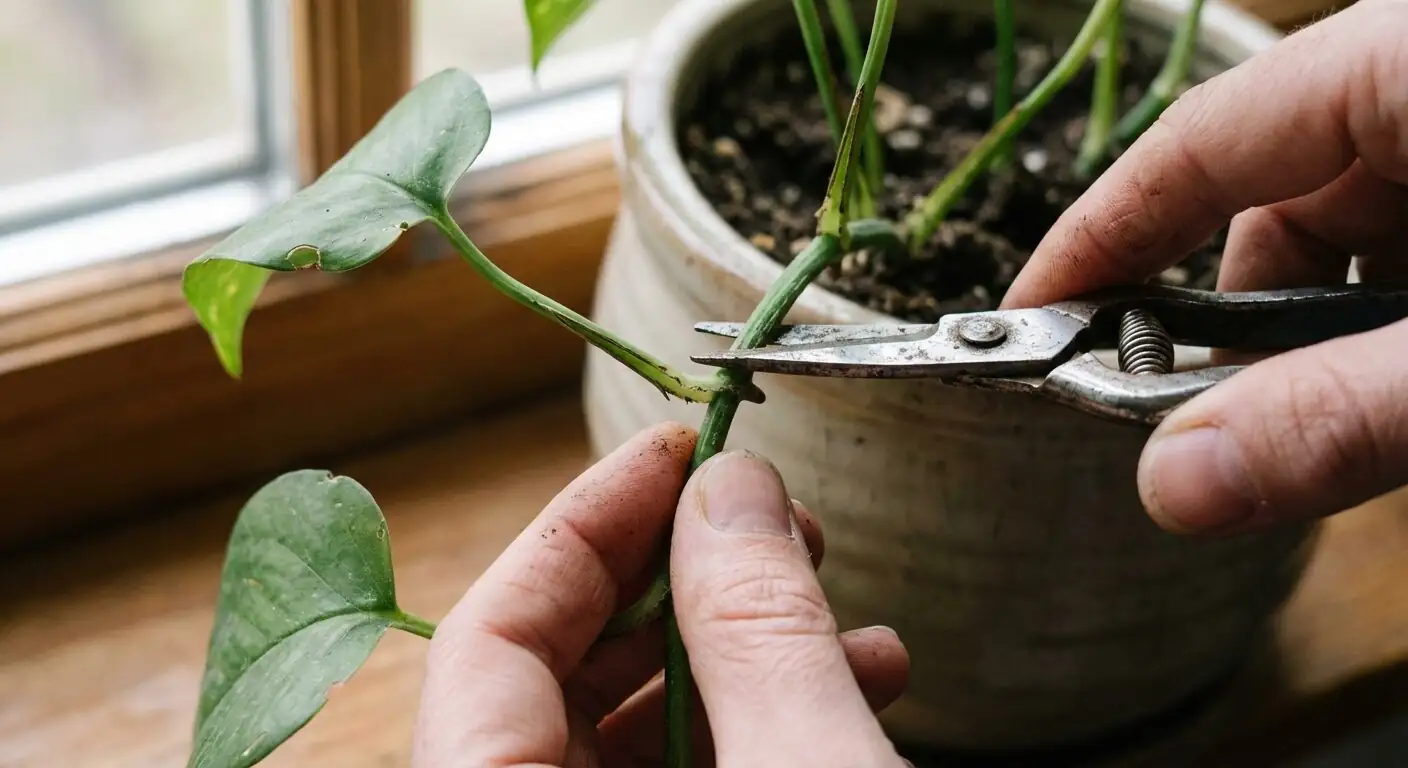
Pro tip: Alternate which strands you pinch each week so your basket never looks scalped; it fills out in waves.
Aftercare that makes the magic happen
- Light: Bright and filtered to prevent stretching.
- Moisture: Keep evenly moist while new shoots establish.
- Feed: During active growth, a balanced liquid fertilizer every 2 weeks at dilute strength or about monthly at label strength. Avoid heavy nitrogen that can wash out color.
You’ll see new side shoots emerging from leaf axils below the cut—your plant is building that plush cascade.
Rooting node cuttings: water vs. soil
Both methods work brilliantly. Choose your favorite—or do both.
What to cut
- Length: 7–12 cm (3–5 in) tip cuttings (longer 15–20 cm / 6–8 in pieces also work).
- Prep: Strip the lower leaves so at least 1–2 nodes are bare; roots form from those nodes.
Water method (clean, visual, kid-friendly)
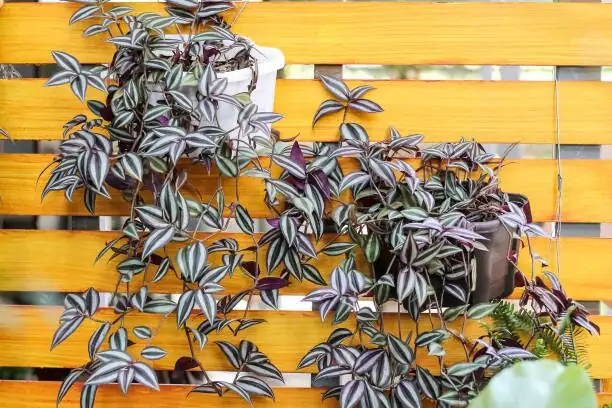
- Vessels: Clear glass jar filled with room-temperature water.
- Submerge: Only the nodes; keep leaves above water.
- Light: Bright, indirect. Avoid strong sun that overheats jars.
- Maintenance: Refresh water every few days.
- Timing: Nodes typically root in about 7–10 days.
- Potting up: Plant once roots are a few centimeters long (about 1–2 in). Tuck gently into your airy mix and keep it lightly moist for the first 1–2 weeks.
Pros: You can watch roots form.
Watch-out: Water roots are delicate—handle gently when potting.
Soil method (fast establishment, sturdier roots)
- Mix: 3:1 potting mix to perlite/coarse sand. Pre-moisten so it’s damp, never sodden.
- Plant: Insert 1–2 nodes below the surface; firm gently.
- Light: Bright, indirect with good airflow.
- Moisture: Keep the top lightly and evenly moist; don’t let it stay wet.
- Timing: Expect roots in 7–10 days and fresh top growth soon after.
Pros: Speedy, strong roots with no transition shock.
Watch-out: Poor drainage or overwatering can cause stem rot; always use a pot with drainage holes.
Lightning-fast “layering” trick (no cutting required)
Coil a long strand onto fresh, moist mix and pin nodes down with hairpins or paper clips. In a week or two, each pinned node roots. Then snip between nodes to free multiple new plants or leave them attached for instant fullness.
Pot density: how many cuttings per basket?
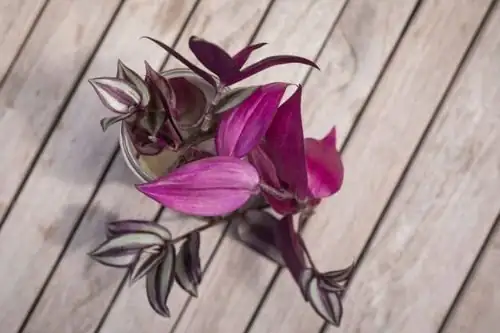
- For a 15–20 cm (6–8 in) pot or hanging basket, plant 3–5 cuttings together for a full, balanced start.
- Arrange cuttings around the rim and a couple in the center so the cascade fills evenly.
- Pinch the tips after they settle to double-down on branching.
Resist cramming dozens of cuttings; you’ll get the same or better fullness by pinching and layering, and the pot will stay healthier.
The 1-hour leggy-pot refresh
Got a pot that’s lush at the tips but bare at the base? Here’s the fast reboot.
- Select the best tips
- Snip 7–12 cm (3–5 in) tips from your healthiest strands. Strip lower leaves to expose 1–2 nodes.
- Haircut the mother
- Cut remaining stems back hard, leaving 2–3 nodes above the soil. You’ll trigger fresh basal shoots.
- Top up the mix
- Remove debris, then add 1–2 cm (½–¾ in) of fresh, airy potting mix.
- Replant your cuttings into the same pot
- Space 3–5 cuttings evenly, tucking 1–2 nodes beneath the surface. Use more if you’re splitting across several pots, but keep 3–5 per 6–8 in basket.
- Water in and brighten up
- Water thoroughly to settle the soil. Place in bright, indirect light with good airflow.
- Maintain a gentle rhythm
- Keep lightly moist as roots form (usually ~7–10 days). Begin light feeding once new growth appears.
In a few weeks you’ll have fresh tips trailing while new shoots sprout from the base—a double-layered, fuller plant.
Ongoing care that keeps color rich and stems compact
- Light: Bright, indirect is ideal; gentle morning sun is usually fine. Low light = stretchier, greener growth.
- Water: Water thoroughly, let excess drain, and water again when the top 2–3 cm (about 1 in) is dry. Slightly drier in winter.
- Humidity: Prefers moderate (around 50%+), but adapts well. Brown tips in very dry air? Increase humidity with a tray and ensure airflow.
- Feeding: During active growth, feed either biweekly at diluted strength or monthly at label strength. Avoid overdoing nitrogen to preserve bold striping.
- Repot or refresh: Every 1–2 years. Many growers skip upsizing and instead re-root tip cuttings into fresh mix for the lushest look.
- Pests: Watch for spider mites, mealybugs, aphids, and scale—especially in dry rooms. Rinse, then treat with insecticidal soap or horticultural oil, repeating as needed.
- Safety: Sap may irritate sensitive skin; wear gloves if prone. Keep out of reach of pets and children who may chew leaves.
Troubleshooting quick hits
- Long, bare stems: Increase light and pinch tips to force branches. Layer strands onto the soil to root more nodes.
- Crispy tips: Usually low humidity or underwatering. Adjust watering rhythm and humidity.
- Mushy cuttings: Mix too wet or too cold. Improve drainage, warmth, and airflow.
- Faded color: Not enough light or too much nitrogen. Move to a brighter spot and ease up on feeding.
- Not flowering: Give brighter, filtered light and refresh the plant; blooms are more likely on vigorous new growth.
A note on names and meaning
You’ll hear many nicknames—inch plant, silver inch plant, wandering dude—though an older common name is widely considered offensive and best avoided. If you’re into the “flower language” idea, this plant’s modern symbolism centers on resilience and adaptability: it roots wherever a node touches soil and bounces back beautifully from a haircut. That’s less ancient folklore and more an affectionate, observation-based meaning from gardeners who’ve seen how quickly it recovers and thrives.
Quick reference: your lush basket blueprint
- Basket size: 15–20 cm (6–8 in) with drainage
- Soil: Loose, fast-draining (3:1 potting mix:perlite/sand)
- Planting density: 3–5 cuttings per basket
- First pinch: At ~20 cm (8 in) long strands; then pinch regularly
- Rooting time: Nodes usually root in ~7–10 days (water or soil)
- Light: Bright, indirect; avoid harsh midday sun
- Watering: Keep lightly and evenly moist; let the top 1 in dry between waterings
- Refresh cycle: Hard trim and replant tips every 1–2 years—or sooner if leggy
With smart pinches and a few well-placed node cuttings, Tradescantia zebrina becomes the easiest “instant makeover” in your plant collection—lusher, brighter, and happier after every tiny trim.