

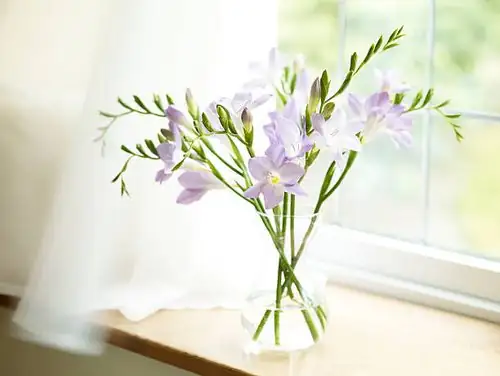
Close your eyes and think “freshly laundered spring morning”—there’s a good chance your mind is sketching the scent of freesia. Those elegant, arching spikes of Freesia × hybrida don’t just look like a soft breeze; they smell like one too. Here’s a gentle, geek-friendly dive into how freesia builds that clean aroma, and why a cool, airy room is its favorite stage.
Meet Freesia × hybrida, the cool-season charmer
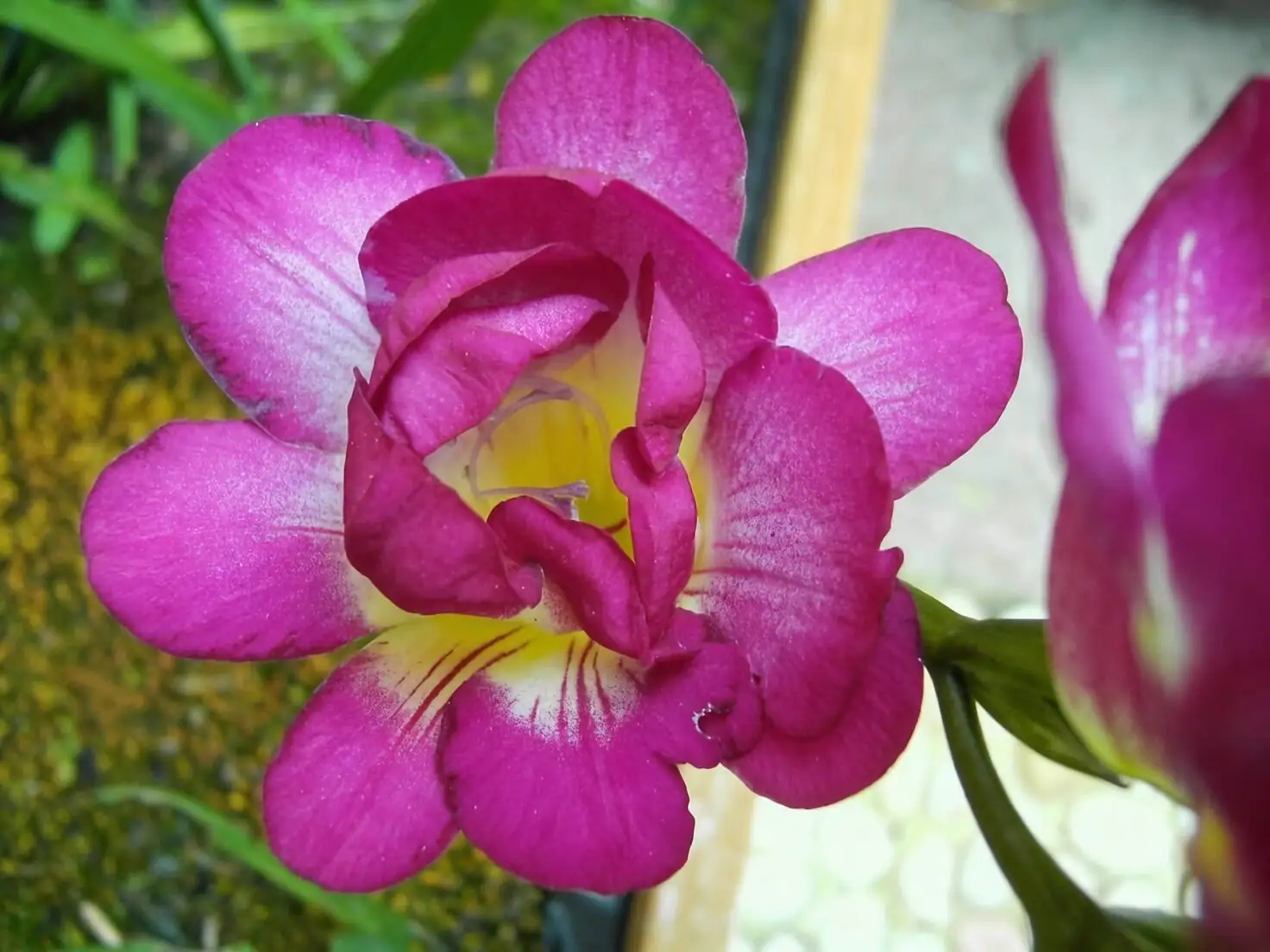
- Identity: Freesia × hybrida (Iridaceae), a corm-forming perennial originally from southern Africa and now bred into today’s beloved hybrids.
- Habit: Narrow, sword-like leaves and graceful, one-sided flower spikes carrying 6–10 funnel-shaped blooms that open in sequence—perfect for long vase life.
- Season: Late winter to spring indoors (timing shifts with planting date and temperature).
- Colors: Snowy whites, creams and yellows, oranges, pinks, reds, and bicolors.
- The vibe: Freesias shine in bright light and cool, airy rooms. Heat and soggy soil invite flopping stems and short-lived flowers.
What makes freesia smell “clean”? The chemistry of fresh
Perfumers often describe freesia’s accord as a fresh, spicy-powdery floral note—bright, dewy, and gently soapy. That cleanliness isn’t one note but a choir of molecules working together. Different cultivars tilt the balance, but several groups of volatiles show up again and again in analyses of modern freesias:
1) Green sparkle: the first breath of “spring air”
- cis-3-Hexenol and cis-3-hexenyl acetate (the classic “cut grass” duo) add a crisp, wet-leaf brightness.
- A little goes a long way: these top notes flash quickly, setting up the impression of freshness.
2) Dewy floral heart: the soft soap aura
- Linalool often leads the bouquet, supported by kindred monoterpenes like α-terpineol, ocimene, geraniol, and citronellol.
- Together they read as “clean floral”—the gentle, airy soapiness many people instantly recognize as freesia.
3) Peach-skin and powder: the comfy, cozy undertone
- Ionones (especially dihydro-β-ionone and cousins) are violet-tea-powder notes derived from carotenoids. They round off the floral heart, lending freesia its elegant softness.
- Lactones such as γ- and δ-decalactone whisper of ripe peach skin and cream, smoothing sharp edges without turning the scent gourmand.
4) Light-and-lift accents
- Trace esters and benzenoids (like benzyl acetate or methyl benzoate in some cultivars) lift the floral heart and improve “throw” so the bouquet feels luminous, not heavy.
A quick note on variety: studies on yellow and white hybrids report that scent intensity rises as buds open, often peaking at full bloom when monoterpenes like linalool are most expressive. Color lines can shift the mix—yellows sometimes skew fruitier, whites a touch greener—yet the overall “crisp, clean floral” signature remains remarkably consistent.
Temperature, airflow, and your nose: why cool rooms preserve the magic
Freesia’s perfume is as much physics as florals. How you experience it depends on how fast those tiny molecules leave the petals, travel through the air, and reach your receptors.
Warmer air = louder now, shorter later
- Volatility: Heat raises vapor pressure, pushing more scent molecules into the air at once. You may notice a stronger hit in a warm room.
- But there’s a trade-off: warmth also speeds bloom aging. For freesia, prolonged temperatures above about 20°C (68°F) weaken stems and noticeably shorten the flowering period—so the show ends sooner.
Cooler air = steadier, longer bloom
- Best range: Daytime around 18–20°C (64–68°F), nights 14–16°C (57–61°F) keeps both flowers and fragrance elegant and long-lived.
- Chemistry favors patience: at cooler temps, emission is gentler and more sustained; delicate green tops don’t “blow off” as fast, and the whole bouquet remains balanced.
Airflow: the invisible stage manager
- Gentle circulation distributes volatiles evenly and prevents “nose fatigue” (when your receptors adapt and you think the scent vanished). A softly ventilated room refreshes your perception.
- Fresh air also prevents still, muggy pockets that encourage gray mold on petals. Aim for “fresh air + moderate humidity,” not wind tunnels or dry blasts.
The ethylene effect: avoid the fruit bowl
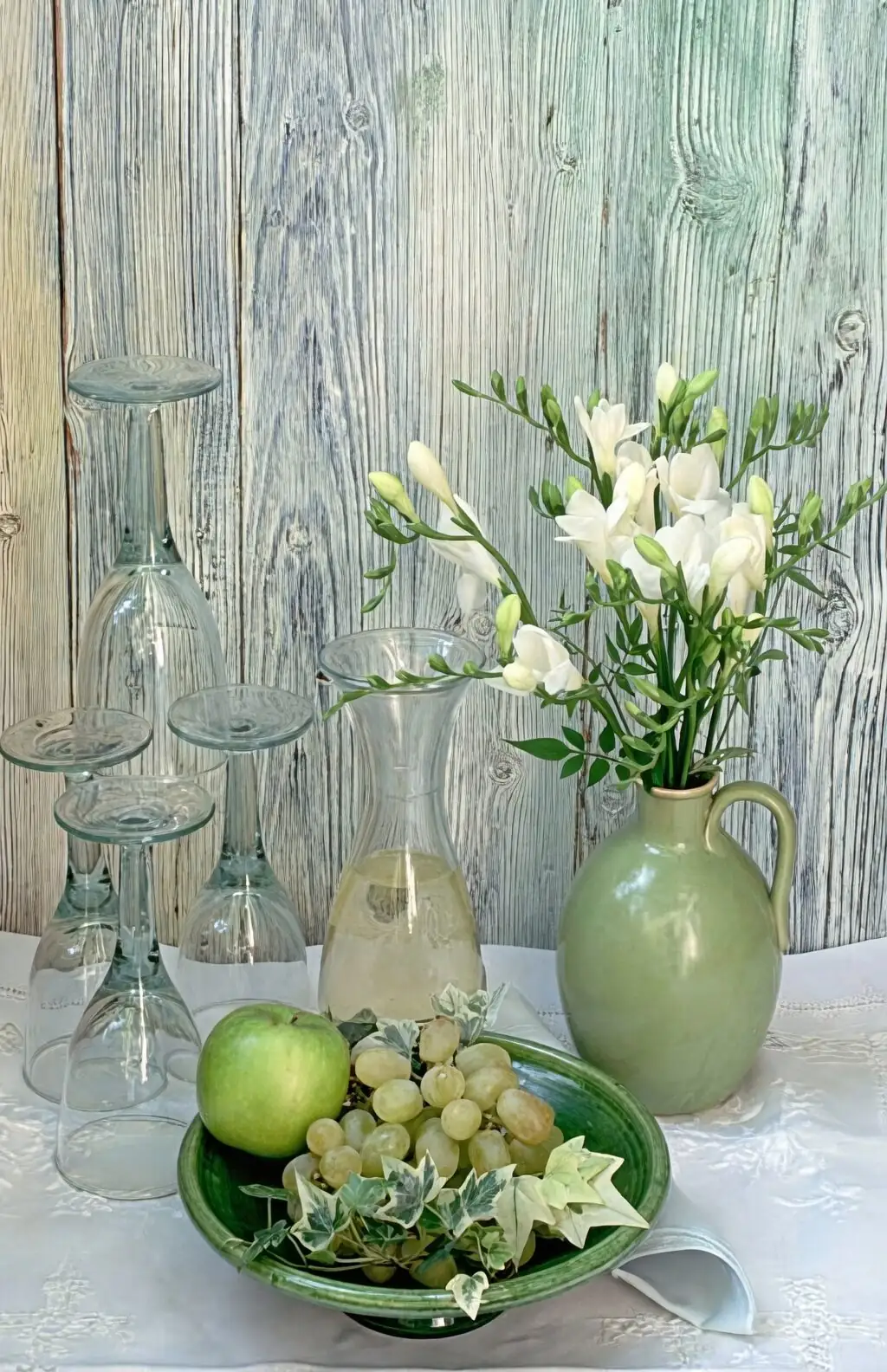
- Freesia is sensitive to ethylene, a plant hormone released by ripening fruit and some household sources. Ethylene accelerates senescence, muting perfume sooner.
- Keep freesias away from fruit bowls, cigarette smoke, and areas with combustion by-products.
How to smell a freesia like a perfumer

- Catch the top notes: Smell a just-opening blossom for greener facets; return at full bloom for the full, round accord.
- Move along the spike: Blooms open sequentially; compare a newer flower with an older one to sense how the green spark fades and the powdery-violet heart deepens.
- Reset your nose: Step out of the room for 30–60 seconds, then re-enter. The bouquet will feel brighter—the simplest trick against nose fatigue.
- Seek the sweet spot: A bright windowsill with a soft cross-breeze at 15–18°C (59–64°F) often smells “truer” than a warm, still room.
Care that keeps the fragrance singing
- Light: Very bright light to full sun (indoors, an east or south window is ideal), with protection from harsh heat.
- Temperature: Aim for 15–20°C (59–68°F). Above ~20°C, stems may flop and the flowering window shortens.
- Air: Provide fresh airflow without parking the pot in front of a heater or AC blast.
- Water: Keep evenly moist during active growth and bud set; never waterlog. Avoid spraying open flowers; if air is dry, mist leaves lightly instead.
- Feeding: Light, regular feeding during leafy growth supports strong spikes; ease off as flower stems rise to avoid bud drop.
- Placement cautions: Keep away from ripening fruit and stuffy corners. Good ventilation curbs gray mold and keeps the scent clean.
- Cut-stem tip: Buy when the first flower opens and two or more buds show color. Recut stems, place in cool, clean water, and display in a cool, bright room.
From corm to cloud: a quick life cycle
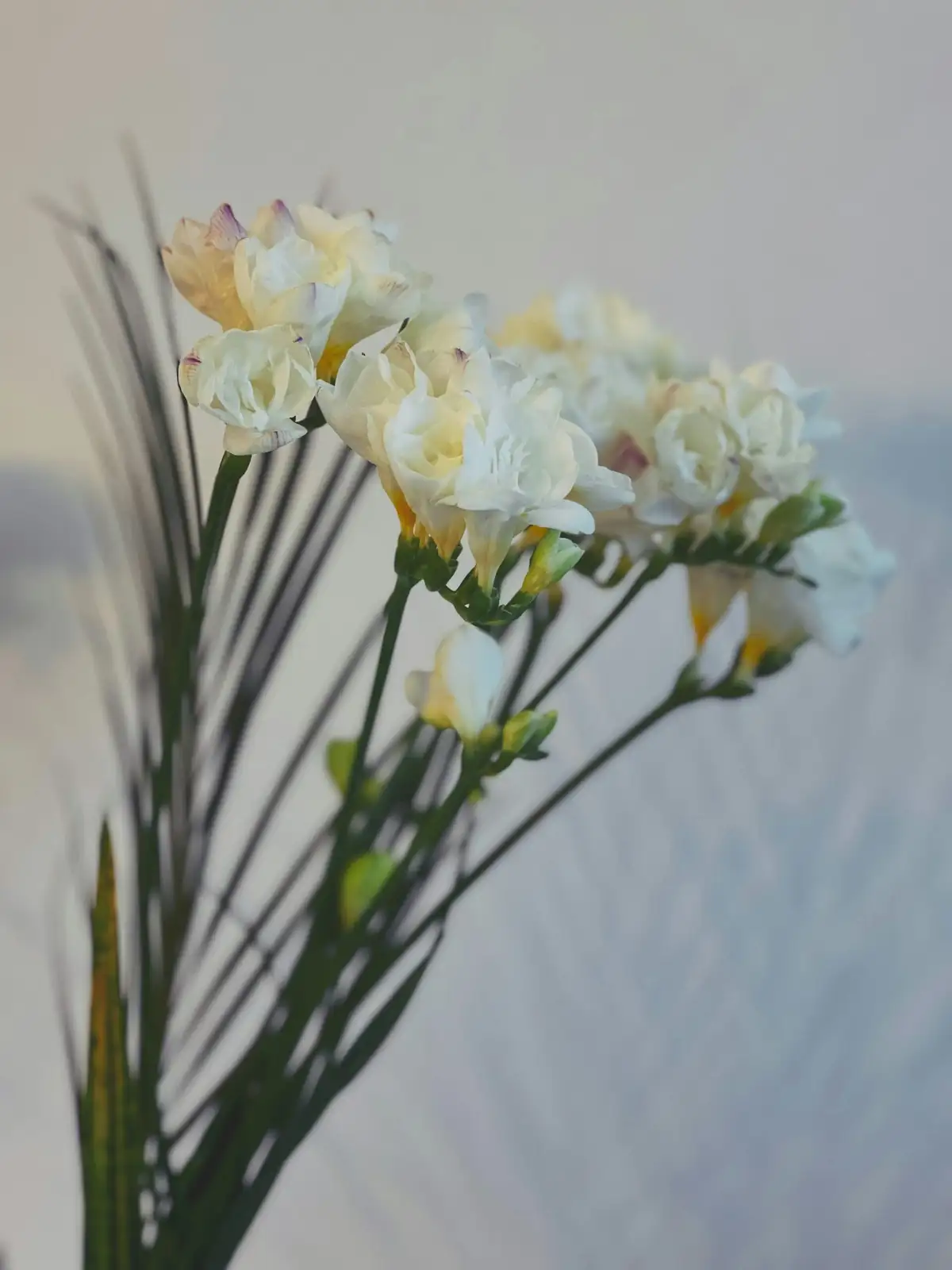
- Growth: Each season, a planted corm fuels leafy growth and a flowering spike.
- After the show: The plant forms a new replacement corm plus several offsets (often 3–5). Let leaves yellow naturally before stopping water.
- Rest: Store dry and ventilated during dormancy (often around 25°C/77°F). Replant in early autumn in a fertile, fast-draining mix, 2–3 cm deep in pots.
Flower language, with a wink
Freesia is often gifted as a symbol of purity, trust, and thoughtful affection—color nuances are common: red for admiration, white for romantic love, pale yellow for warm friendship. These meanings trace back less to ancient folklore than to 19th‑century floriography (and later, modern gifting culture). In other words, they’re a poetic code we agree to share. When you gift freesias, a small note explaining your intent can make the gesture feel personal and timeless.
Troubleshooting the scent
- “My flowers faded fast.” Likely too warm. Move to a brighter-but-cooler spot around 15°C (59°F) and ensure steady, even moisture.
- “I can’t smell much.” Check the room: if it’s hot and still, green top notes may have flashed off and your nose may be fatigued. Ventilate, cool the space slightly, step away, then retry.
- “It smells musty.” That’s a sign of stagnant, humid air—improve airflow and remove spent or moldy blooms promptly.
- “The fragrance feels overwhelming.” Open a window or increase gentle airflow; sensitive individuals may prefer displaying freesias in a larger, cooler room.
Why perfumers love freesia—and you will too
With its linalool-led floral heart, violet-powder ionones, green glints, and soft peachy lactones, freesia reads as effortlessly “clean” yet quietly complex. Give it bright light, cool temperatures, and a whisper of moving air, and it will reward you with the olfactory equivalent of crisp cotton sheets and sunshine—day after day, bloom after bloom.