

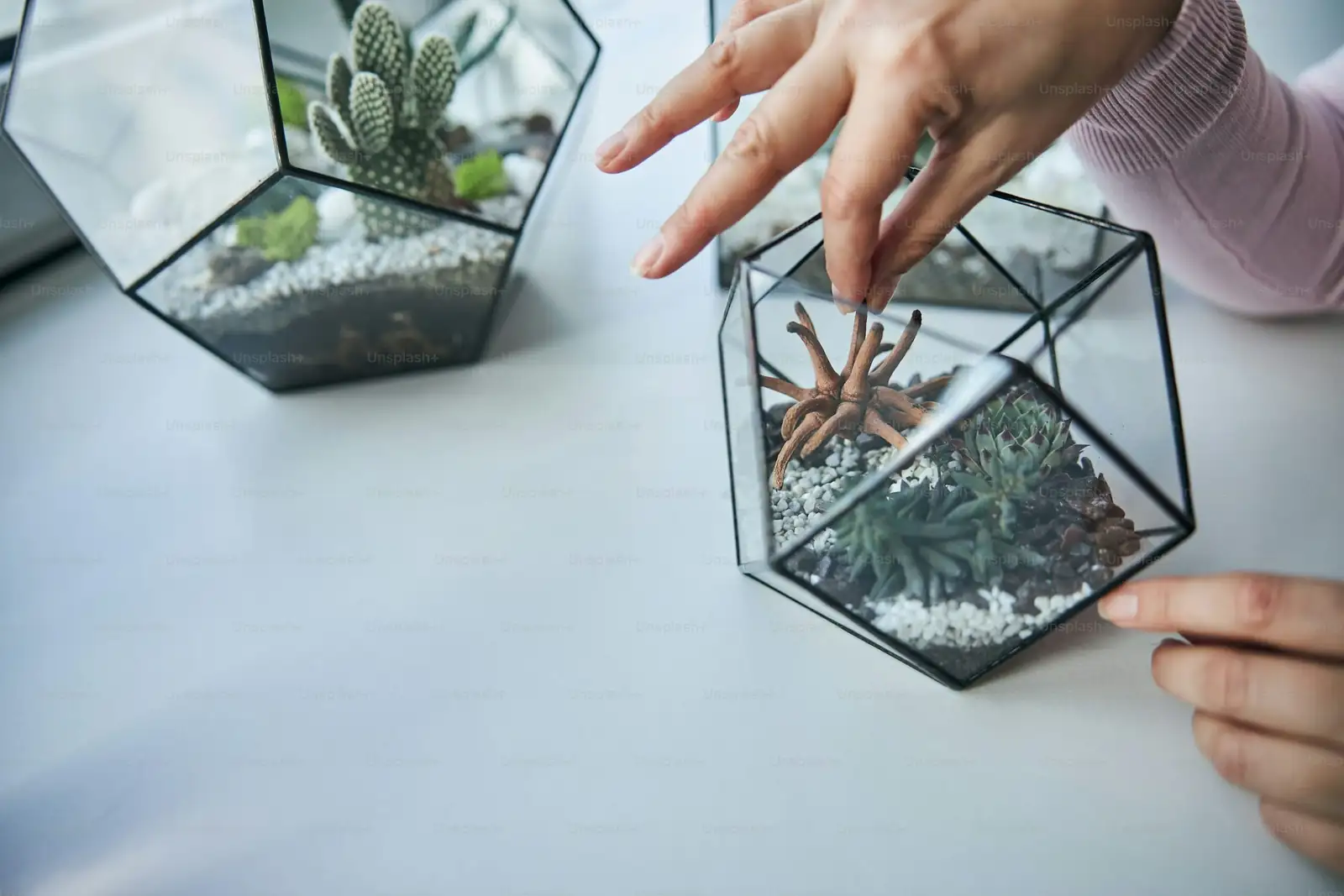
If you’ve ever tucked an Earth Star into a sealed glass world and watched it slowly sulk, you’ve met the friction between myth and biology. Cryptanthus bivittatus looks like it was designed for terrariums—compact, starry, and gloriously striped—but it thrives in a “breathing” setup, not a steamy bell jar with trapped air. The secret is counterintuitive: more airflow, not more mist, is often what keeps those leaves glossy and mold at bay.
Here’s how to build a vented, fan-assisted terrarium that keeps humidity high enough for shine without tipping into rot.
Meet the Earth Star (and why it loves a breathing terrarium)
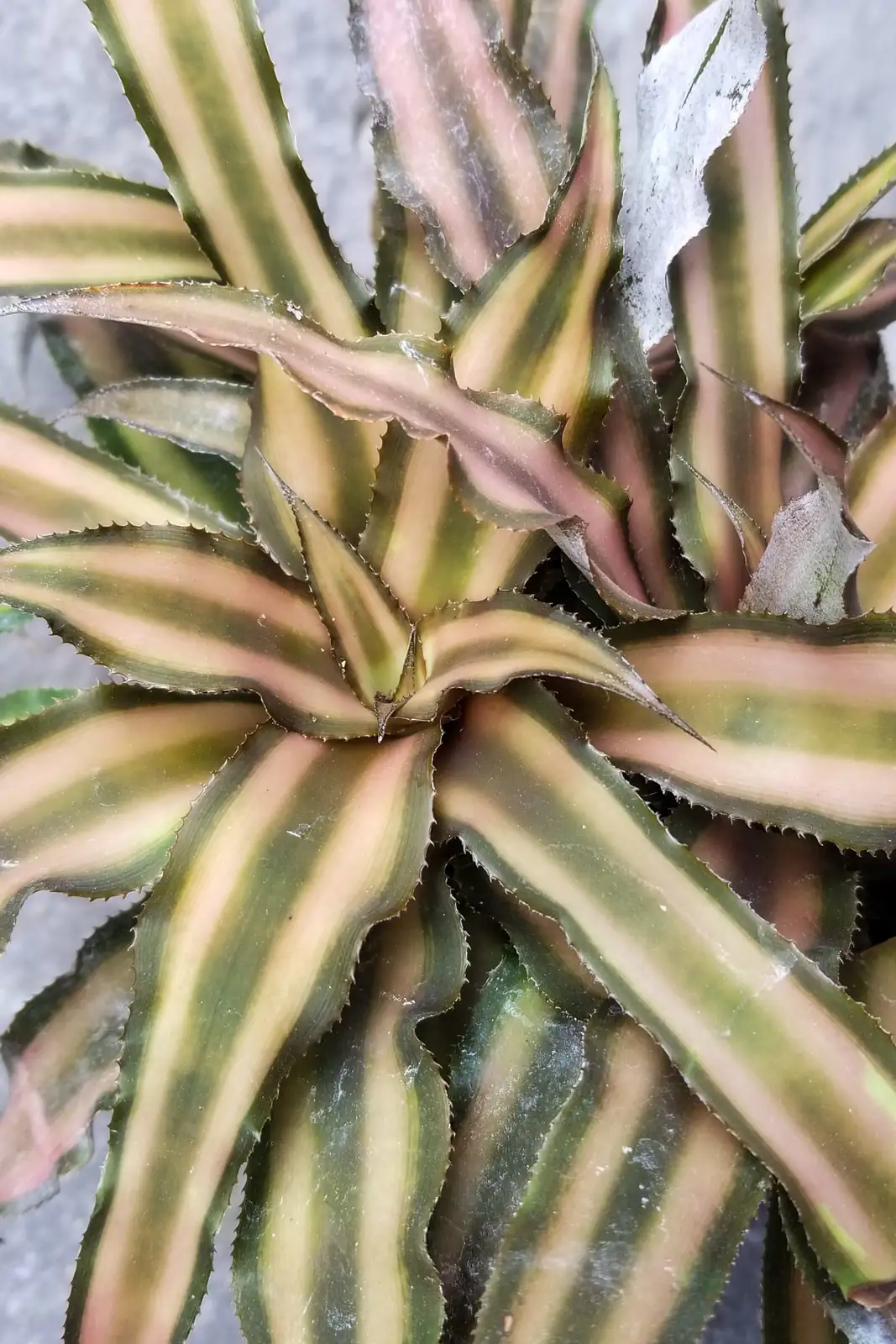
- Identity: Cryptanthus bivittatus, a terrestrial bromeliad from Brazil’s Atlantic Forest.
- Habit and size: Low, flat rosette to about 15 × 15 cm (6 × 6 in); slowly produces offsets.
- Foliage: Wavy, slightly toothed leaves in greens, pinks, reds, oranges, and purples—often with distinct striping that intensifies in bright light.
- Flowers: Small white blooms tucked in the center; grown mainly for foliage.
This is a windowsill native at heart: bright light, airy roots, moderate-to-high humidity, and good airflow. In other words, it’s perfect for a terrarium that exhales.
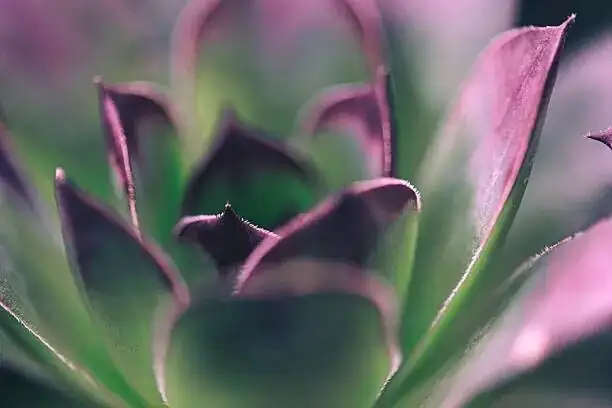
Terrarium myths to leave at the door
- Myth: “Sealed = best for tropicals.”
Reality: Stagnant, saturated air encourages mold and crown/root rot. Earth Stars prefer ventilation; think warm, humid, but moving air.
- Myth: “It’s a bromeliad—fill the cup!”
Reality: Cryptanthus is mainly terrestrial. Keep its crown from sitting wet and avoid standing water trapped in the rosette.
- Myth: “More mist = better humidity.”
Reality: Humidity is a balance. Keep the substrate evenly moist (never soggy) and use brief, gentle misting with lukewarm rainwater or distilled water as needed.
- Myth: “Dim light protects leaves.”
Reality: Bright light (with acclimation) deepens the pinks, reds, and purples. Too little light leaves it green and dull.
Design a vented terrarium that keeps leaves glossy
Humidity isn’t just a number—it’s a rhythm. Aim for a setup that cycles from pleasantly humid to lightly refreshed air, then back again. These design moves make it happen.
The airflow trio: vents, fans, and the “chimney effect”
- Cross-venting: Place intake low and exhaust high to let warm, moist air rise and escape. Even small openings create meaningful exchange.
- Strategic openings: A narrow lid gap, notch, or sliding pane crack can act like a pressure release. Add a mesh baffle to slow drafts and retain humidity.
- Gentle circulation: A tiny USB fan moving air past the lid or through a vent keeps moisture from stagnating on leaf surfaces without desiccating the plant.
Pro tip: As a baseline, allow roughly 2–5% of the lid surface in ventilation holes and adjust to your space and climate. Use stainless mesh to bug-proof, and angle vents so air sweeps across the glass, not directly at the plant.
Fan setup that won’t “windburn” your bromeliad
- Go small and slow: 25–40 mm USB fans at low voltage (3–5 V) for a soft breeze.
- Pull, don’t blast: Mount fans to exhaust air out the top; the intake then sneaks in through lower vents. This draws stale, moist air away from the rosette.
- Cycle the air: Short intervals work wonders—e.g., 10–20 minutes on, every few hours. Increase cycles temporarily after watering or if you see persistent condensation.
Substrate and drainage that resist rot
- Use an airy, fast-draining bromeliad-style mix: equal parts orchid bark, perlite, and coco coir; or a 1:1 blend of orchid mix and all-purpose potting mix.
- Optional false bottom in display tanks: A shallow LECA or gravel layer with mesh above it keeps roots out of stagnant water if you’re building “landscape-style.”
- Slight mound planting: Seat the rosette just above grade so the crown never collects runoff.
Watering and humidity routine that actually works
- Spring–summer: Keep the mix evenly moist but never soggy. Use rainwater or distilled water.
- Winter: Water less; keep it just barely moist.
- Misting: If indoor air is dry, mist with lukewarm rainwater or distilled water. Aim for a light veil, not a daily drench.
- Drainage discipline: Always let excess water escape. If you see persistent condensation beading and dripping, increase airflow until glass clears between cycles.
Mold happens—here’s the calm, effective playbook
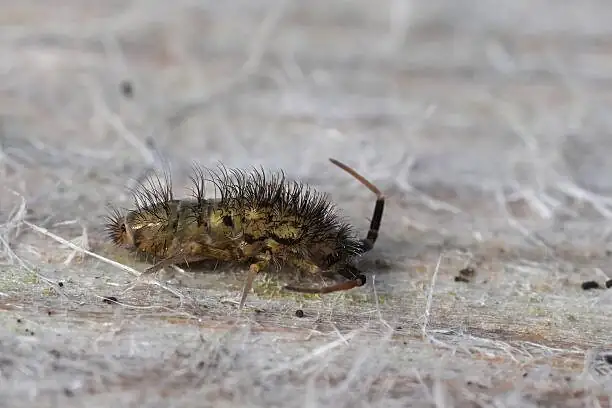
A fuzz bloom on fresh wood or leaf litter is common as a terrarium settles. It’s more nuisance than apocalypse when plants are healthy.
- Increase air exchange: Nudge vents open or lengthen fan cycles until condensation dries between runs.
- Reduce the buffet: Remove soft decaying matter (spent blooms, fallen leaves). Trim dead outer leaves close to the base.
- Wipe and spot treat: Gently swab moldy hardscape. Improve airflow rather than dousing plants in chemicals.
- Add a cleanup crew: Introduce springtails early; they graze on fungal growth and help balance the micro-ecosystem. Isopods can help process detritus in larger builds.
Light: the color dial for your Earth Star
- Bright light is key; some direct sun is fine with acclimation. A sunny windowsill works beautifully.
- Colors intensify with stronger light, while low light tends to green the foliage.
- Indoors under LEDs, keep the plant close enough for good brightness but not so close that leaf tips scorch—acclimate over a week or two.
Temperature and placement
- Comfort zone: 16–27°C (61–81°F).
- Avoid chills below about 10°C (50°F).
- Best spot: A bright windowsill or a well-lit terrarium with active ventilation and good airflow around the rosette.
Build templates: three ways to “let it breathe”
- Vented jar upgrade
- Drill a halo of small holes in the lid; back with stainless mesh.
- Cut a slim notch at the rim for a passive gap.
- Optional 30 mm USB fan mounted in the lid blowing out; run on a timer.
- Desktop display case
- One low vent and one high vent; add a baffled slit along the top panel.
- Magnet-mount a micro fan to the top frame for gentle exhaust.
- Landscape with a shallow false bottom if you’re using wood and moss.
- Bioactive nano
- Cross-vent panels with mesh; springtails added on day one.
- Fan on low-duty cycle; increase briefly after misting.
- Earth Star planted on a slightly elevated mound with an airy mix.
Care cadence at a glance
- Weekly
- Check moisture; the mix should feel lightly moist, never wet.
- Run your fan cycles; wipe persistent condensation.
- Remove any fallen leaves; quick visual for mealybugs/scale.
- Monthly
- Lightly mist if indoor air is dry, using rainwater or distilled.
- Tidy hardscape; adjust vent openings seasonally.
- Growing season (spring to late summer)
- Fertilize every 2–3 months with a balanced liquid at half strength.
- Brighten light gradually to boost color.
- Winter
- Ease off watering to “barely moist.”
- Maintain airflow to prevent cold, clammy stagnation.
Health notes and propagation
- Pests: Watch for mealybugs, scale, and spider mites (especially in dry air). Treat with insecticidal soap or horticultural oil; repeat as needed.
- Rot prevention: Keep the crown free of standing water, use a very free-draining mix, and maintain airflow.
- Offsets: Separate pups when they’re about one-third to half the size of the mother and have roots; pot into a small container with the same airy mix.
A quick word on symbolism
Earth Stars are often linked to resilience and “starburst” energy—the small plant with big presence that keeps its poise under bright light and busy air. The symbolism likely grew with their popularity as compact houseplants: a reminder that balance—light, air, and just enough moisture—creates the most vivid colors.
—
Bottom line: If your goal is glossy, richly colored leaves on Cryptanthus bivittatus, design a terrarium that breathes. Add vents, run a gentle fan on a timer, and keep the substrate airy and merely moist. The plant will reward you with that starry, sculptural rosette—no foggy glass or fuzzy mold required.