

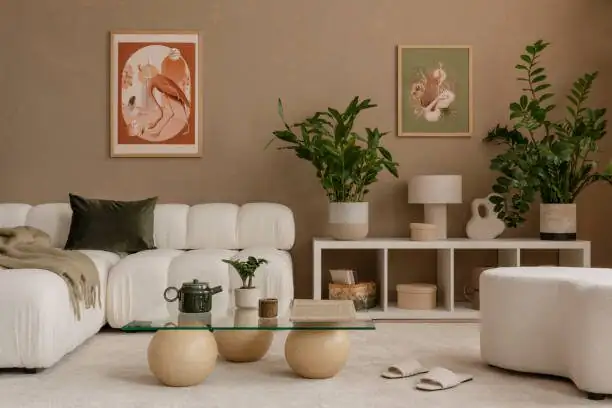
What if the most reliable “furniture” in your living room isn’t furniture at all? Heptapleurum arboricola—better known as the dwarf umbrella tree—delivers glossy architecture, calm energy, and an effortlessly tailored silhouette that anchors a space without shouting. Think of it as a living column: upright, evergreen, and ready to hold visual weight where your room needs it most.
Below, a design-forward playbook for choosing heavier pots, working with stakes or moss poles, and finding that bright, filtered sweet spot so leaves stay lush—never scorched.
Meet your anchor: form, poise, and presence
- Botanical profile: Heptapleurum arboricola (Araliaceae), also sold under aliases like Dwarf Schefflera or Umbrella Tree.
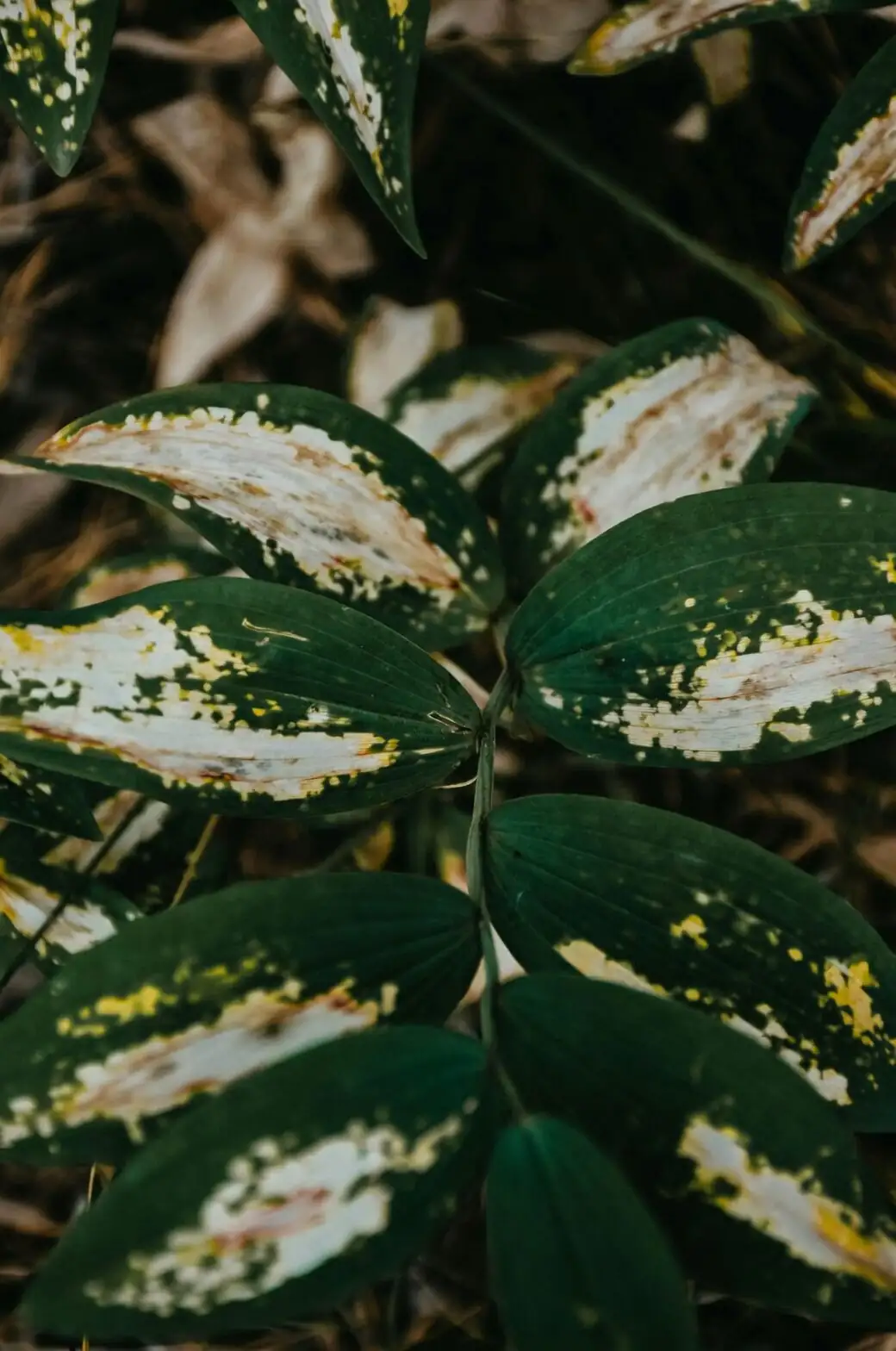
- Look: Hand-shaped, palmate leaves that read as glossy “umbrellas.” Green forms are classic; variegated cultivars show cream/yellow marbling that pops in good light.
- Scale: Indoors, commonly 1–2 m (3–6.5 ft); with time, light, and a generous container, up to about 2.4 m × 1.2 m (8 ft × 4 ft).
- Personality: Fast, forgiving, and highly trainable—happy as a dense bush or shaped into a small indoor tree.
Light without scorch: where to place it so it thrives (and looks intentional)
For a space-defining plant that never crisps, marry brightness with a soft filter:
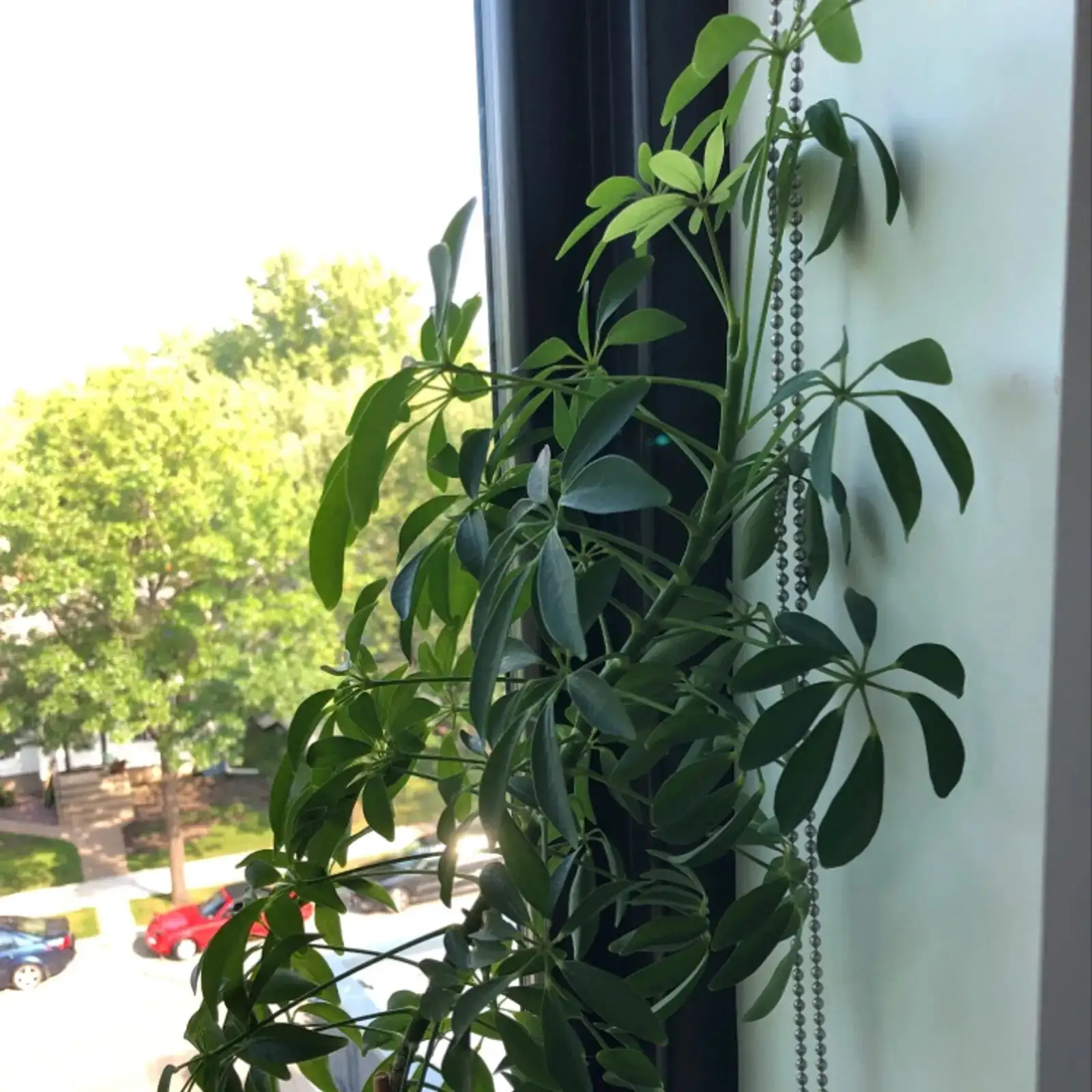
- Best exposure: Bright, indirect light. A bright east window is ideal, or a south window filtered by a sheer curtain.
- What to avoid: Harsh direct sun—especially summer midday—can scorch leaves.
- Designer trick: The “shadow test.” Hold your hand between plant and window. A distinct but soft-edged shadow = great. A razor-sharp, high-contrast shadow at midday = too intense.
- Placement notes:
- Keep a little air between plant and glass to buffer heat.
- Rotate the pot every few weeks for even growth (especially if trained to a stake/pole).
- Variegated forms need brighter filtered light to keep their pattern crisp.
Pot like a pro: heavier vessels that balance form and function
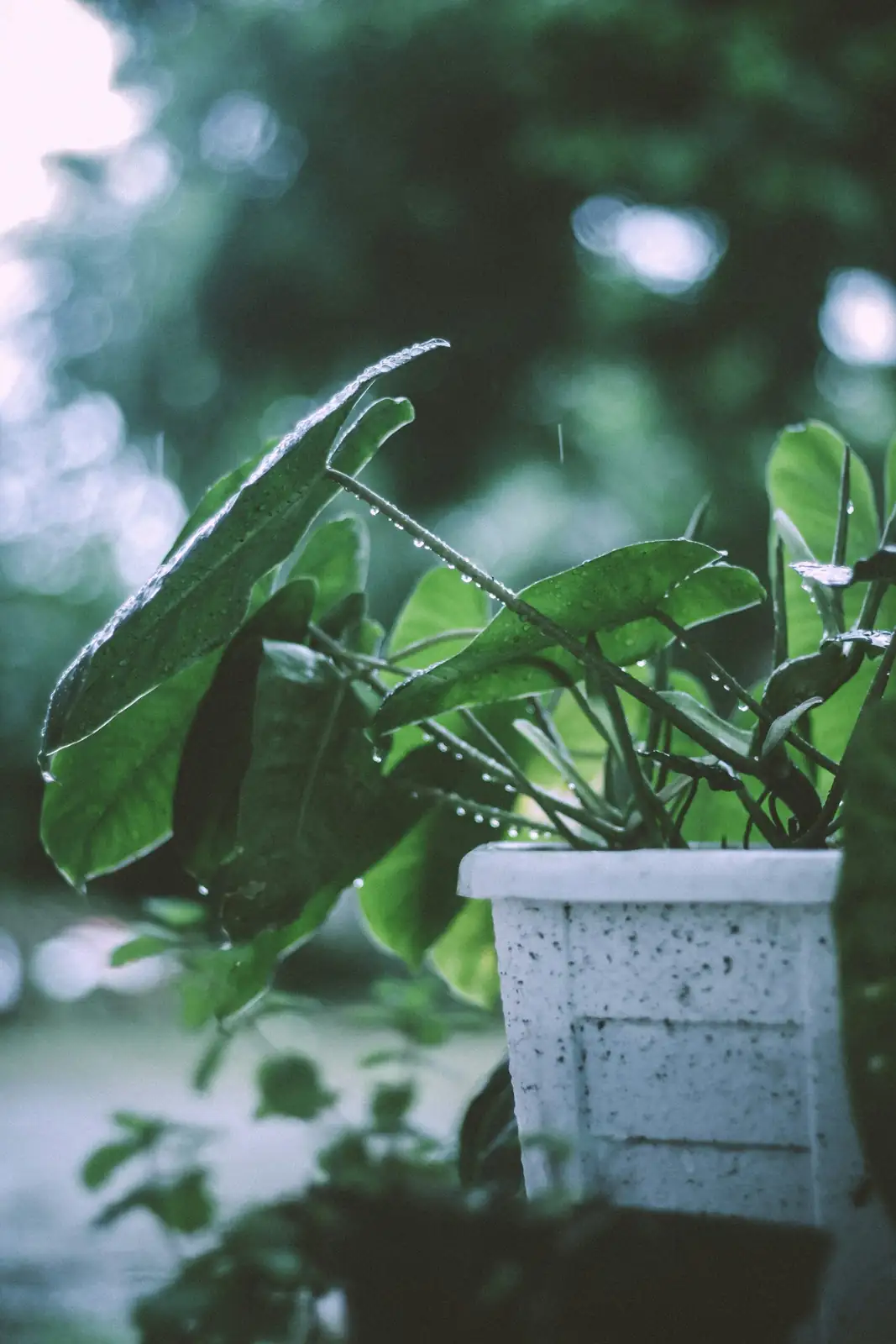
Heptapleurum can become top-heavy as it grows. A sturdy container doesn’t just look grounded—it prevents tip-overs and overwatering mishaps.
- Choose weight wisely:
- Materials: Ceramic, stoneware, or concrete add welcome heft. Skip ultralight plastics unless dropped into a heavy cachepot.
- Shape: Wider bases stabilize; tall, skinny cylinders are elegant but can wobble with larger plants—counter with weight or a wide, heavy saucer.
- Size it to the root ball:
- For smaller plants, about 15–20 cm (6–8 in) is common; step up one size at a time as needed.
- Oversizing invites soggy soil; your umbrella tree dislikes wet feet.
- Drainage matters:
- Ensure a proper drainage hole and use a saucer. Elevate the pot slightly with riser pads to protect floors and allow airflow.
- Mix for structure:
- Use a free-draining blend: quality potting mix with added aeration (roughly 2 parts mix to 1 part perlite/coarse sand). Mixes that include bark/leaf mold plus coco coir/peat and perlite also work beautifully.
Upright elegance: using stakes or moss poles as quiet design elements
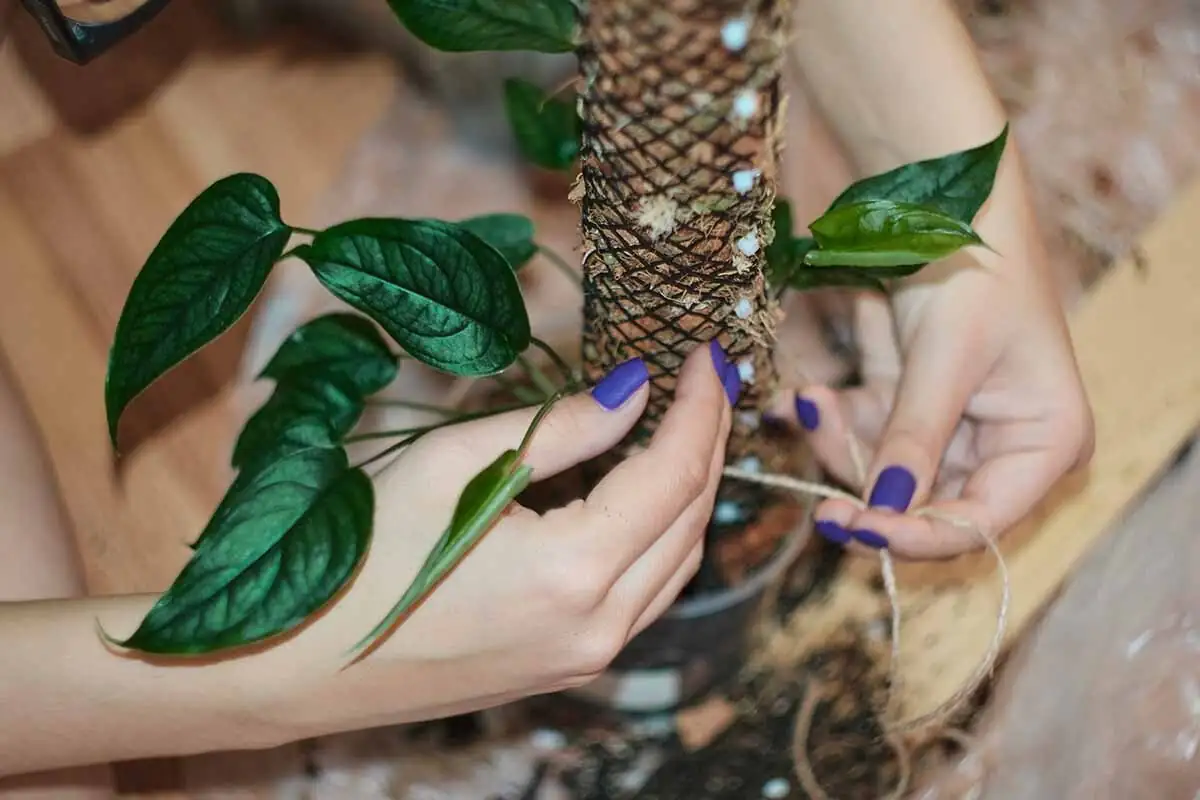
Many nursery specimens arrive trained to a stake or moss pole. Keep the look tailored—and practical.
- What to use:
- Discreet bamboo stakes for minimalist lines, or a coco-fiber moss pole for a richer organic texture.
- How to train:
- Tie stems loosely with soft plant tape or jute, just above a node. Think gentle guidance, not a corset.
- Add or extend supports as the canopy rises; keep the vertical line centered for a clean silhouette.
- Why it works:
- Supports consolidate visual height into a single, elegant column, ideal for flanking a sofa, balancing a media console, or defining a lobby corner.
- They also keep stems upright in bright rooms, encouraging tidy branching when combined with strategic pruning.
Watering rhythm and soil savvy
- Spring–autumn: Water when the top 2–3 cm (about 1 in) of mix is dry. Then water thoroughly and let excess drain. Never leave the pot standing in water.
- Winter: Reduce sharply—often about once a month in typical homes. Keep warmth steady and avoid the dry-then-drench cycle that can trigger leaf drop.
- Humidity: Adaptable to household air, but looks best with moderate to higher humidity (around 60% if you can swing it). In very dry air, occasional misting, a pebble tray, or a humidifier helps. In winter, go easier on misting; focus on warmth and airflow.
Temperature comfort zone
- Happy range: 15–30°C (59–86°F).
- Avoid: Cold drafts and prolonged chill below ~10°C (50°F). Near 5°C (41°F) risks chilling injury.
Pruning for shape: from bushy to “small tree” chic
Pruning is your design tool for canopy density and height control.
- When: Spring into early/midsummer (roughly May–July).
- How: Cut back long stems by about one-third, just above a node. Once new shoots appear, lightly refine again. Repeating gentle shaping 2–3 times per season builds a fuller, lusher crown.
- Leggy in low light? Move to brighter filtered light and remove weak, stretched shoots to re-compact the plant.
Feeding, repotting, and a simple seasonal cadence
- Feeding (active growth, spring–autumn):
- Safe baseline: Monthly at half strength with a balanced liquid fertilizer.
- If growth is vigorous and you monitor watering closely: Every 2 weeks at label strength can work.
- Pause or greatly reduce in winter.
- Repotting:
- Repot in spring. Young, fast growers often appreciate annual repotting; large, established specimens are usually fine every 2 years or when rootbound.
- Step up only one pot size and keep the mix free-draining; a heavier pot helps support top-heavy growth.
- Quick calendar:
- Spring: Repot if needed, start feeding, prune for branching.
- Summer: Shield from harsh sun; keep watering consistent; support humidity/airflow.
- Autumn: Ease up on feeding; watch for drier indoor air as heating starts.
- Winter: Stop fertilizing, water sparingly, and keep warm away from drafts.
Office- and living-room–ready styling moves
- The anchor trick: Place your Heptapleurum where the eye needs a vertical pause—beside a sofa arm, at the end of a credenza, or greeting visitors in a lobby corner.
- Pot palette: Matte stoneware in charcoal, sand, or ivory underscores the leaves’ gloss. Variegated cultivars love a quiet pot color to let marbling shine.
- Grouping: Pair with finer textures (ferns) or trailing forms (on nearby shelves) to contrast the umbrella leaves’ strong geometry—without crowding its airflow.
- Sightlines: Raise the plant slightly on a low stand to float foliage above radiators or vent lines; keep it away from active drafts.
Troubleshooting at a glance
- Leaf scorch or crispy edges: Light is too intense; add a sheer, increase distance from midday sun, or shift to bright east light.
- Leaf drop: Often from overwatering, low light, or a cold draft. Let the mix dry more, move to brighter indirect light, and keep above 15°C (59°F).
- Pests: Spider mites (common in dry air), scale, mealybugs. Wipe foliage, improve humidity/airflow, and treat early with horticultural oil or insecticidal soap—repeat as directed.
- Overwatering/leaf spot: Ensure drainage, let the mix dry more between waterings, and increase ventilation. Remove affected leaves; use fungicide only if necessary.
Buying and acclimating like a stylist
- Choose: Sturdy stems, balanced branching, dense, glossy foliage (or even, clean variegation). Avoid sticky residue, webbing, scale bumps, torn leaflets, lots of yellowing, or a sour pot smell.
- Aftercare on arrival: Park it in bright shade with gentle airflow; keep the mix lightly moist (not wet). Once you see fresh growth, move it to its long-term bright, filtered home.
Variegated cultivars: extra notes
- Light: They hold their cream/yellow patterns best in brighter filtered light.
- Pruning: Spot-trim any entirely green reversions to keep the variegation showy and the plant compact.
Safety first
- Toxic if ingested. Sap can irritate skin and mouth, potentially causing mild gastrointestinal upset in people and pets. Keep out of reach and wash hands after pruning.
A note on symbolism (and why it resonates in modern interiors)
The dwarf umbrella tree is often linked with protection, resilience, and good fortune—its rounded “canopy” reads as shelter and abundance in feng-shui-inspired decor. While these meanings are cultural rather than botanical, they dovetail beautifully with the plant’s lived behavior indoors: steadfast, forgiving, and shaping to your intent. In other words, it looks like sanctuary—and it behaves like it, too.
Bonus for the green-thumbed: easy propagation
- Stem cuttings (April–September) root readily. Take 10–12 cm (4–5 in) tip or semi-ripe cuttings, remove lower leaves, and root in moist perlite/sand or a very airy mix. Warmth around 25°C (77°F) and high humidity help; expect about a month to root. Water propagation can also work.
—
Designer’s quick-start recipe
- Place: Bright east window or behind a sheer in a bright south room.
- Pot: Heavy ceramic or stoneware with a drainage hole; free-draining mix with added perlite.
- Support: Slim bamboo stake or coco pole; tie loosely for a straight, architectural line.
- Care: Water when the top 2–3 cm (1 in) dries; feed monthly at half strength in the growing season; prune in late spring for a fuller canopy.
Do this, and your Heptapleurum arboricola won’t just survive—it will become the calm, glossy backbone your room has been waiting for.