

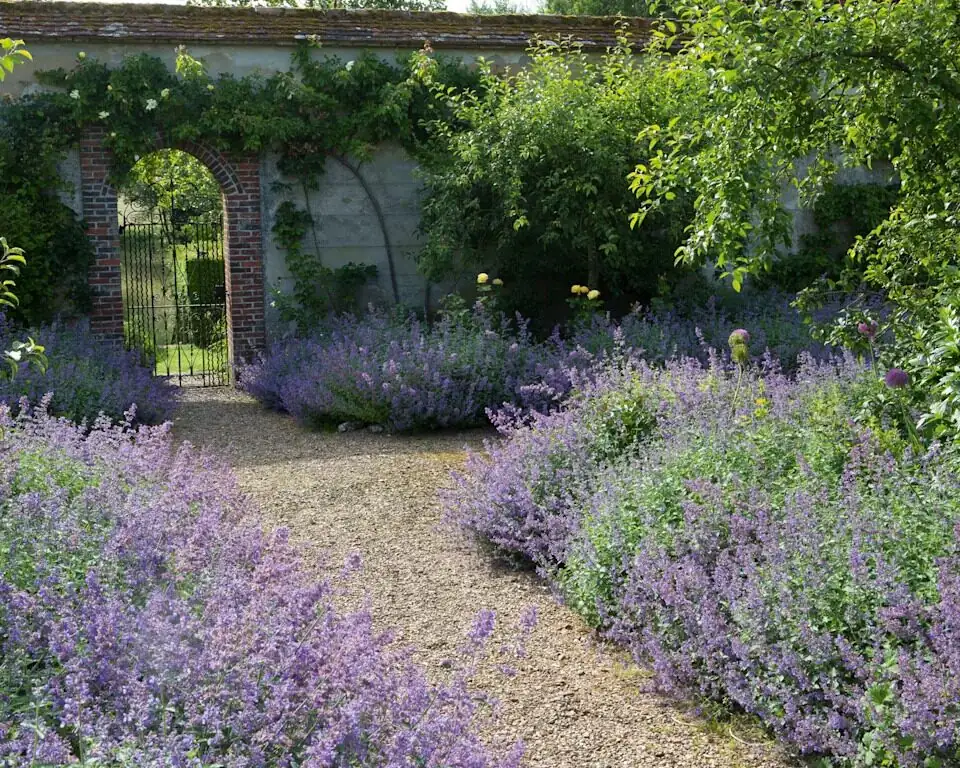
Imagine a sunlit border humming with bees, the air textured with lavender’s soothing perfume, and a tapestry of silvers, blues, and honeyed golds rolling from late spring into fall. That’s the promise of designing with English lavender (Lavandula angustifolia) as your lead—and pairing it with fellow sun-lovers that share its love of bright light, lean soil, and minimal water. Here’s how to choreograph a low-water, continuous-bloom planting that looks elegant even in the hottest months.
Meet your muse: English lavender at a glance
- Botanical: Lavandula angustifolia (aka English or True Lavender), Lamiaceae
- Habit & size: Compact, mound-forming woody subshrub, typically 30–60 cm (12–24 in) tall; 45–90 cm (18–36 in) wide in ideal garden conditions
- Bloom: Summer, commonly June–August, often peaking in July (earlier in mild regions)
- Sun & soil: Full sun (aim for 6–8+ hours) and very well-drained, sandy/gritty loam
- Water: Deep but infrequent; let soil dry noticeably between waterings
- Climate notes: Dislikes hot, humid stagnation; excellent airflow is essential
- Bonus: Fragrant, pollinator-friendly, and superb for drying
Design key: Lavender thrives when you resist the urge to pamper. Sharp drainage, lean soil, and air around the plant are nonnegotiable. Do that—and it rewards you with perfume, color, and structure all summer.
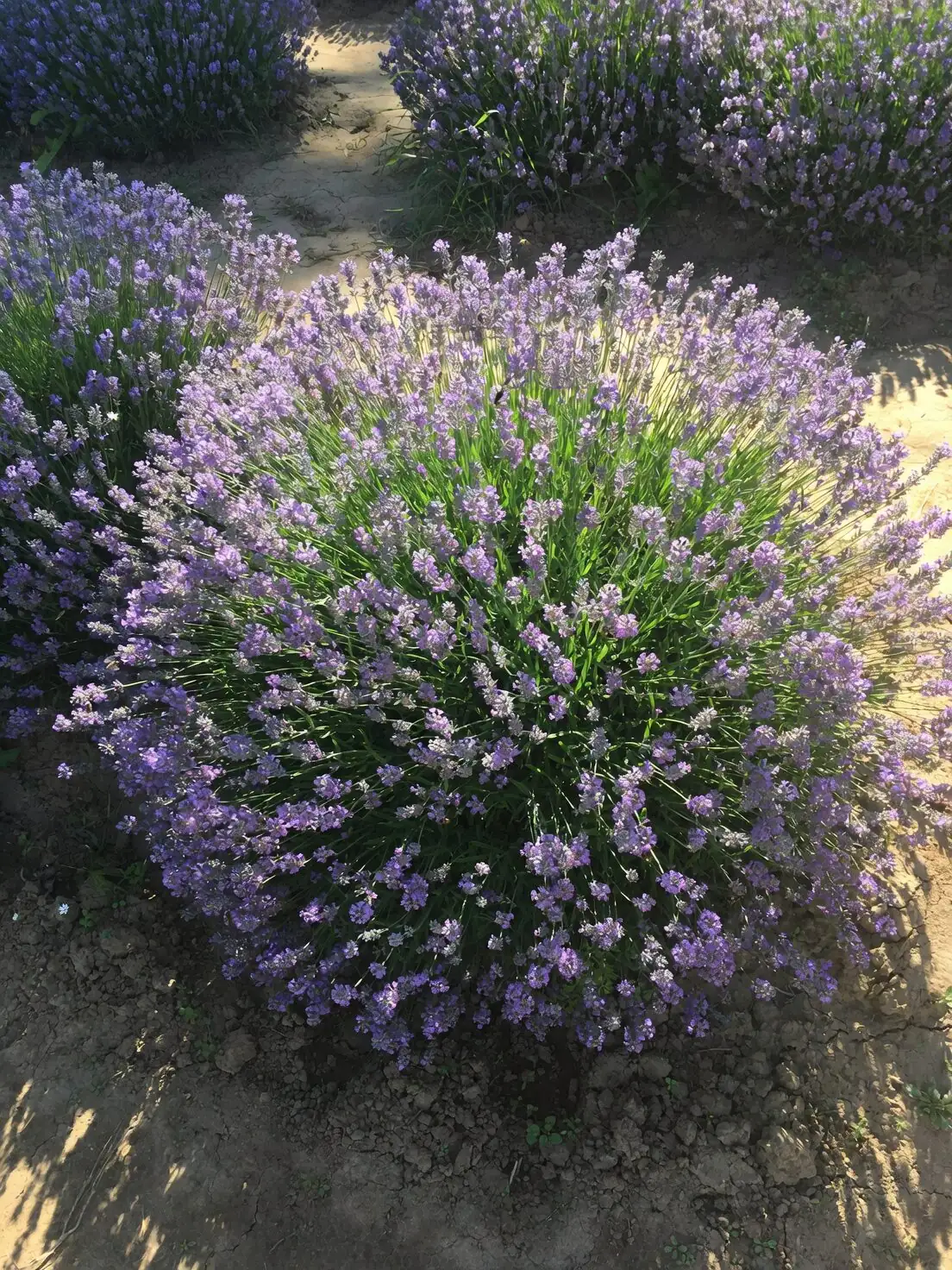
Design principles for low-water elegance
- Plant on mounds, slopes, raised beds, gravel gardens, or in containers with extra drainage holes.
- Choose a gritty mix: loam-based compost amended with coarse sand/grit/perlite. Avoid heavy, water-retentive media.
- Mulch with mineral materials (fine gravel, decomposed granite), not moisture-holding bark near the crown.
- Space generously (about 45–60 cm/18–24 in between lavender mounds) to keep air moving and curb fungal woes.
- Water in a “wet–dry” rhythm: water deeply, then wait until the top few centimeters are dry before watering again.
- Feed lightly during active growth (roughly May–September). Too much nitrogen means floppy stems and fewer flowers.
- Prune after flowering: remove spent spikes and lightly clip 1/3 (up to 1/2 of the current green growth on vigorous plants). Never cut into old, leafless wood.
Companions by role: build a four-season tapestry
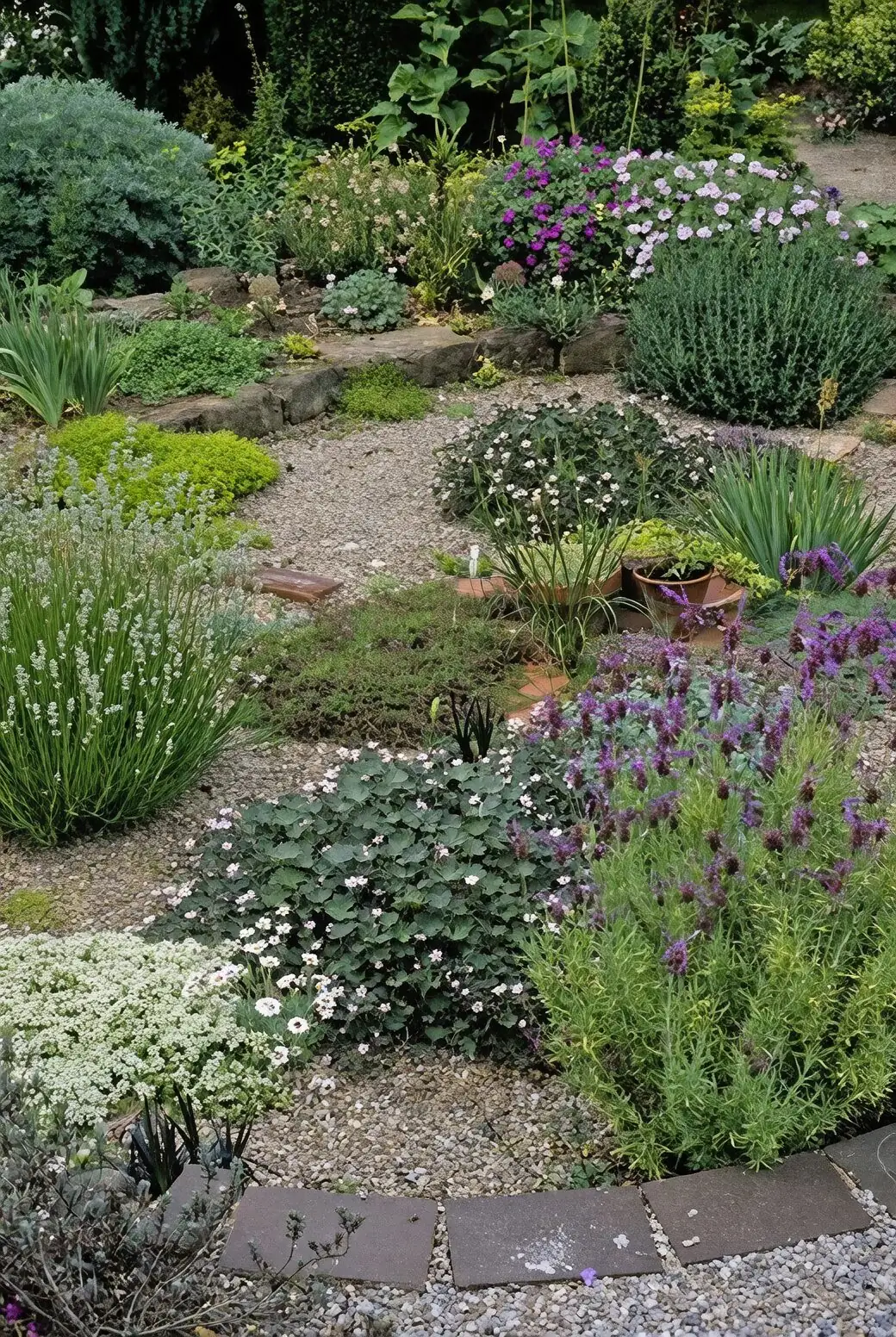
The silvered herb chorus (same needs, year-round texture)
- Rosemary (upright or trailing): Architectural, aromatic, evergreen structure.
- Thyme (creeping, woolly, or lemon): Soft silver mats to edge paths and fill gaps.
- Sage and oregano: Subtle purples and silvery foliage that echo lavender’s palette.
- Santolina (cotton lavender): Button blooms and tight, evergreen mounds for rhythm.
Why these work: All love full sun, sharp drainage, and modest water. Together they create a cohesive “Mediterranean” look that reads elegant, not thirsty.
Color bridges for continuous bloom
- Early bridge (late spring–early summer): Catmint (Nepeta), wood sage/ornamental salvias (e.g., Salvia nemorosa) start the bee-fest and set the cool-tone mood before lavender peaks.
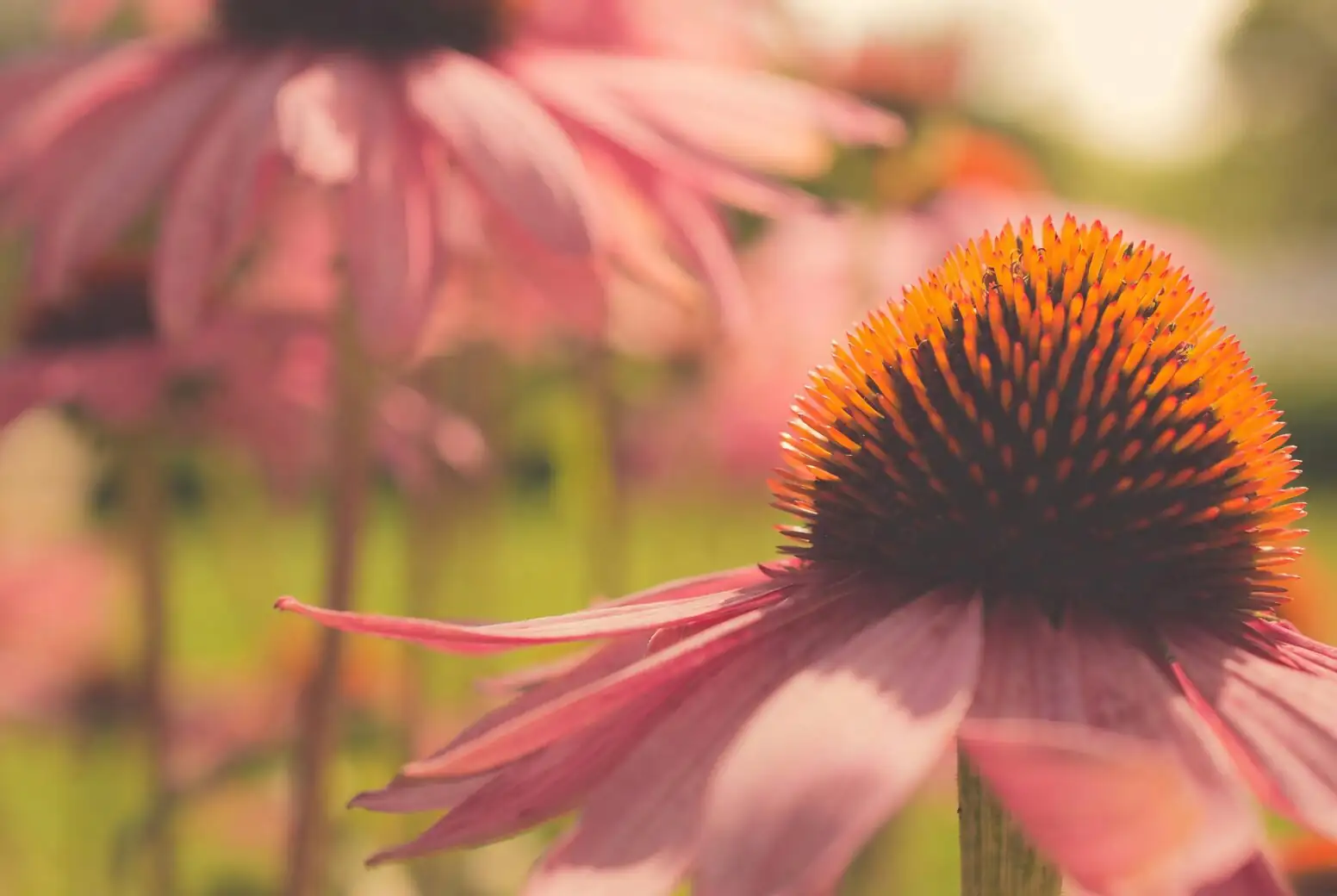
- Summer partners (lavender’s high season): Yarrow (Achillea), coneflowers (Echinacea), and thyme blossoms amplify pollinator traffic and add flat umbels/disks to contrast spires.
- Late-season carry (late summer–fall): Sedum (stonecrop), cosmos, and red hot poker (Kniphofia) keep color going as lavender’s wands fade. African daisy (Osteospermum) adds flashes from late spring to frost in mild climates or as an annual.
Design tip: Mix flower shapes—spires (lavender, salvia), buttons (santolina), umbels (yarrow), and disks (echinacea)—to get that layered, high-design feel.
Sculptural grasses for movement and restraint
- Blue fescue (Festuca glauca): Low, icy tufts that frame lavender’s mounded form.
- Fine-textured, drought-tolerant grasses: Use sparingly to avoid a “prairie” look—just enough to catch light and breeze.
Groundcovers and edging that love it dry
- Creeping thyme or low sedums: Stitch stones together, spill over gravel, and keep weeds down without trapping moisture.
Spring bulbs that play nicely
- Alliums and species tulips: Enjoy well-drained, sunny sites and go dormant dry, exactly when lavender gears up.
Three ready-to-plant palettes (continuous bloom, minimal water)
1) Provence Drift (cool, calming, classic)
- Lavandula angustifolia
- Nepeta (catmint) for May–June haze
- Salvia nemorosa (purple spires overlapping lavender’s peak)
- Santolina chamaecyparissus for silver mounds
- Festuca glauca to “punctuate” edges
- Spring alliums for pregame drama
Layout: Stagger in drifts: grasses and santolina at front, lavender midline, salvia/nepeta weaving through. Gravel mulch throughout.
2) Sunset & Honey Border (warm glow with pollinator pull)
- Lavandula angustifolia (cool anchor)
- Achillea (yarrow) in terra-cotta or soft yellow
- Echinacea in apricot/raspberry tones
- Kniphofia (red hot poker) as vertical sparks
- Low thyme to carpet edges
Layout: Group in color blocks (warm vs. cool) so the lavender’s purple cools the yarrow’s glow—instant designer contrast.
3) Coastal-Modern Minimal (structure, repetition, restraint)
- Lavandula angustifolia in rhythmic mounds
- Upright rosemary as evergreen columns
- Blue fescue in repeating bands
- Sedum (compact, pale-flowering) for late lift
Layout: Think grids and negative space. Repeat plants in simple patterns, keep the palette tight, and let stone—edging, pavers, gravel—do visual heavy lifting.
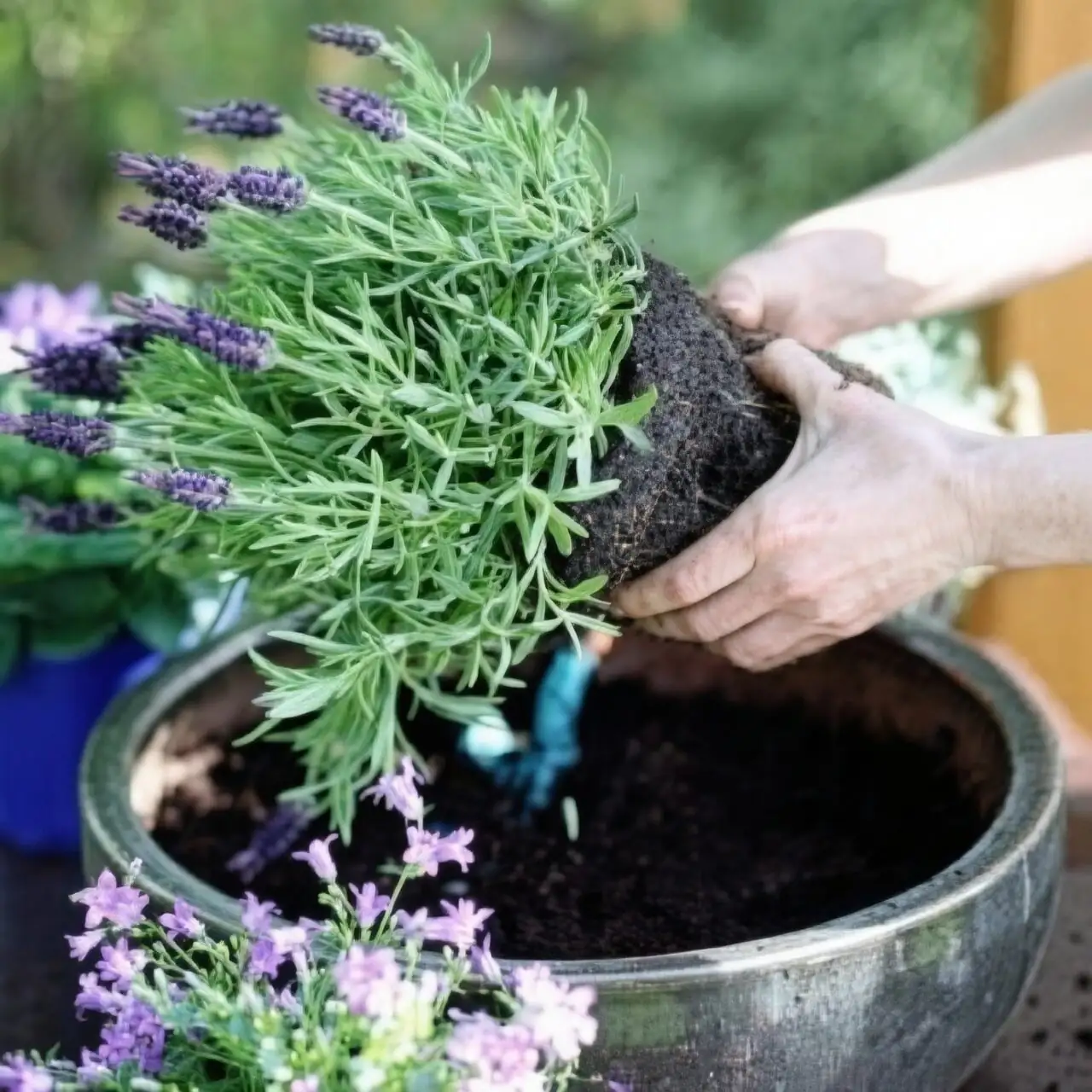
Container brilliance (balcony-friendly and fragrant)
- Vessel: 40–50 cm (16–20 in) wide, multiple drain holes.
- Mix: Loam-based compost + coarse sand/grit/perlite. Raise the base a touch with feet or pot risers.
- Recipe:
- Thriller: Lavandula angustifolia (center or slightly off-center).
- Fillers: Santolina or compact salvia.
- Spillers: Trailing thyme or prostrate rosemary.
- Water: Deeply, then let the top few centimeters dry. Never leave standing water in a saucer.
- Winter: In cold regions, protect pots from prolonged wet and deep freezes; keep above ~5°C (41°F) if possible and very bright.
Plants to skip beside lavender (for happier, lower-maintenance beds)
- Thirsty, shade-tolerant bedding: Hostas, impatiens
- Water- and nutrient-hungry herbs: Basil
- Runners that want richer soil and more moisture: Mint
- Heavy clay lovers or plants that resent dry, lean conditions
Why: These skew the watering schedule and soil texture toward “soggy,” the fastest way to stress or lose lavender.
Pollinators, naturally
Lavender’s summer spires are bee magnets, and pairing them with salvia, catmint, yarrow, coneflowers, sedum, and cosmos builds a multi-course buffet from late spring through fall. More blooms, more beneficial insects, and a garden that hums—literally.
Quick care calendar (design-friendly and simple)
- Spring: Repot or refresh gravel; tip-prune young plants to encourage branching. Water roughly every 10 days (adjust for drying speed).
- Summer (peak bloom): Water when the top layer dries; feed lightly about once a month; prioritize airflow. Morning watering helps in heat.
- Late summer–early autumn: Take semi-ripe cuttings; prune lightly after flowering (avoid old wood); start easing off water as growth slows.
- Late autumn–winter: Keep very bright and on the dry side; protect containers from prolonged cold and, especially, winter wet.
Harvest & craft (the scent that keeps on giving)
- Cut flower spikes when the lowest florets open.
- Dry small bundles upside down in airy shade; they’ll keep their perfume beautifully.
- Style tip: Pair dried lavender with yarrow and airy grasses for modern wreaths and bouquets; tuck sachets into drawers to scent linens.
Troubleshooting (fast fixes)
- Yellowing leaves? Usually too much water or poor drainage. Let the mix dry more and improve airflow.
- Sparse or floppy growth? Likely not enough sun—or too much fertilizer. Move to full sun and scale back feeding.
- Poor regrowth after pruning? You may have cut into old, leafless wood. Stick to green growth next time.
- Fungal fuzz on stems or blooms (grey mold)? Thin surrounding plants, water at the base early in the day, and keep foliage dry and breezy.
A note on symbolism (flower language with perspective)
Lavender has long signified calm, devotion, and purity—ties that trace back to its everyday role in Mediterranean life (scenting linens, freshening baths; its name nods to the Latin “lavare,” to wash). Victorian floriography later layered on meanings like remembrance and even “anticipation.” While these associations are cultural rather than botanical, they’ve shaped how we use lavender in design: restful palettes, serene scent, and plantings that invite a deep breath.
Safety quick note
As an ornamental, lavender is generally low in toxicity. The essential oil can irritate sensitive skin and may be harmful if ingested in quantity. Pets might get mild stomach upset if they chew a lot; keep concentrated oils and big bundles out of reach.
—
Design with lavender as your anchor, and the rest falls into place: full sun, sharp drainage, and thoughtful companions that bloom in relay. The reward is a border that looks chic in drought, smells heavenly, and hums with life from spring’s first catmint to autumn’s last sedum glow.