
Breeze past a soft, lobed leaf of Pelargonium graveolens and it answers with perfume. This is the scented geranium—rose-leaning, bright, and mood-lifting—made for sunlit windowsills and balconies where a brush of the hand becomes daily aromatherapy. Let’s design containers that look as good as they smell, with mixes that stay airy, layouts that breathe, and color-and-scent layers you’ll want to revisit all day.
Meet the star: Pelargonium graveolens at a glance
- Identity: Scented Geranium (Pelargonium graveolens), family Geraniaceae; also called Rose Geranium, Rose-Scented Geranium, Citronella Geranium, Mosquito Plant (repellency varies by cultivar).
- Habit and size: Bushy, branching, semi-woody perennial; commonly kept 20–60 cm tall and wide with pinching, but can reach ~30–100 cm tall and 30–90 cm wide in a roomy container.
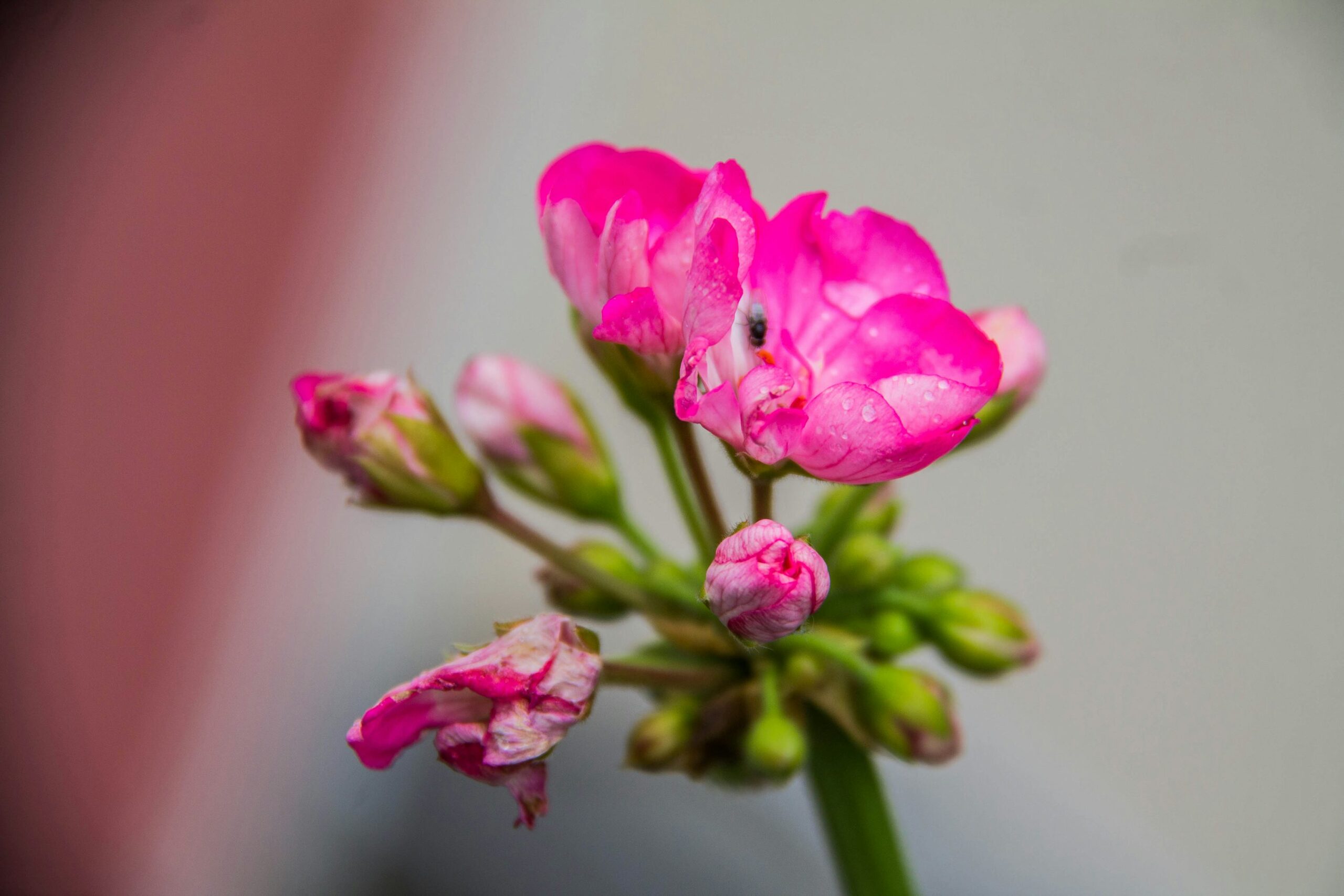
- Look and bloom: Soft green, lobed leaves that release fragrance instantly when touched; clusters of pink flowers from spring through autumn—charming accents to the main event: the foliage.
- Light and air: Full sun to very bright light; indoors, give it your brightest window and steady ventilation.
- Heat quirk (plan around it!): In intense midsummer heat it often pauses (semi-dormancy). That’s your cue to water less, not more.
Design principles for bright balconies and windows
Great design is equal parts beauty and microclimate management.
Sun, shade, and heat choreography
- Give full sun to very bright light; in extreme heat, shift to bright partial shade to prevent stress and leaf drop.
- Expect a summer slowdown in very hot spells—lean into it with lighter watering and extra airflow.
Airflow is a design tool
- Space plants so leaves don’t touch neighboring foliage; think 20–30 cm breathing lanes between pot rims.
- Use pot feet or slatted shelves to lift containers and let air sweep under.
- Indoors, crack a window or run a small fan on low; good ventilation helps prevent Botrytis and leaf spot.
Scent access matters
- Place at hand-brush height near doors, railings, or the kettle-and-coffee zone. The oils release on contact—set up “fragrance checkpoints” where you naturally pass.
The perfect potting mix and vessel
Scented geraniums adore fast drainage. Err on the gritty side.
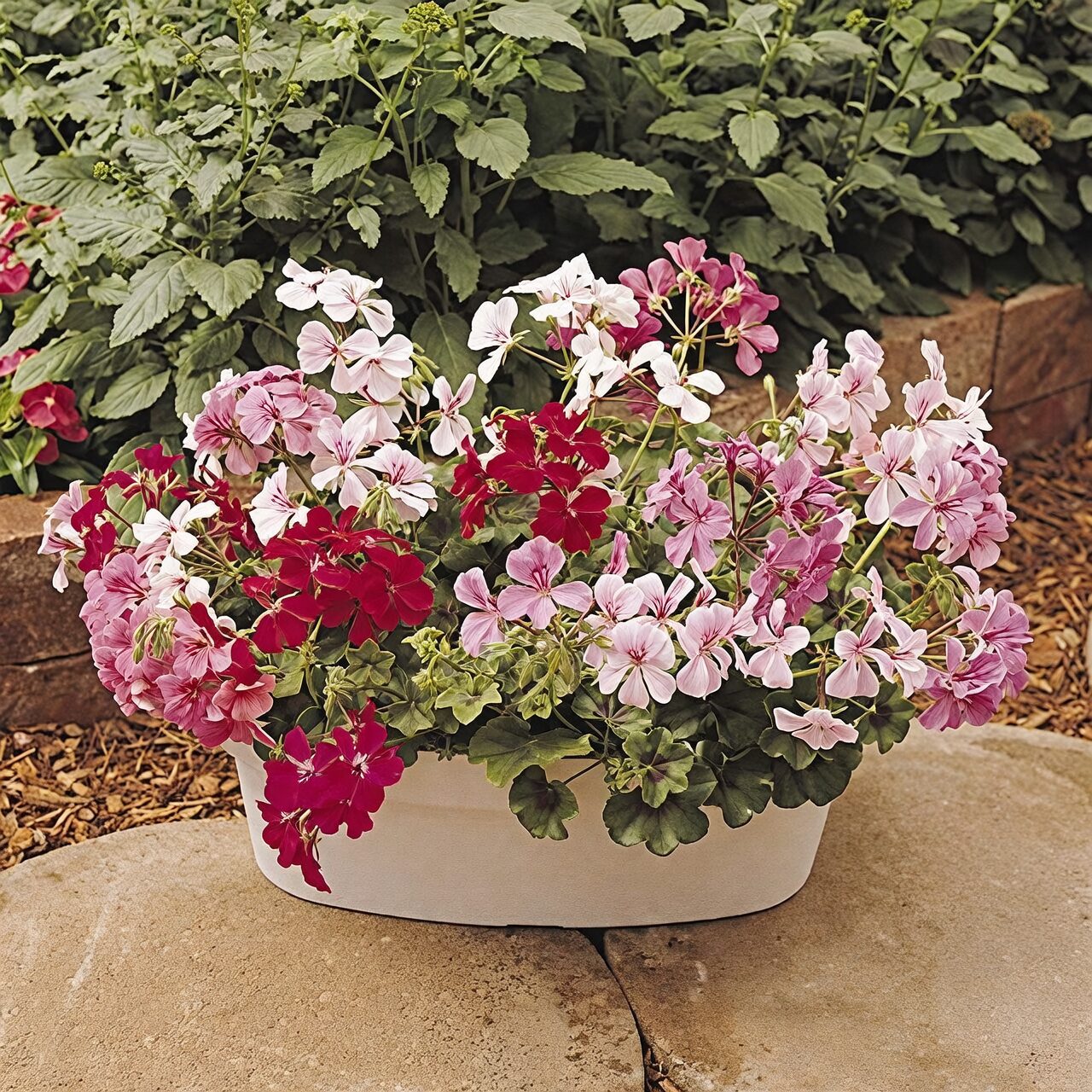
Two reliable mix options
- Simple, modern blend: 1 part high-quality potting soil + 1 part perlite or pumice + a handful of coarse sand.
- Classic loam-based: 2 parts garden loam : 1 part leaf mold/compost : 2 parts coarse sand (by volume).
Tips:
- Avoid heavy, water-retentive mixes.
- Top-dress with 0.5–1 cm of coarse grit to keep leaf bases dry and clean.
Containers that complement the plant
- Material: Unglazed terracotta or breathable stoneware keeps roots drier and enhances that Mediterranean look.
- Size: Start around 12–15 cm wide for small plants; scale up gradually as you shape and repot.
- Drainage: Big, unobstructed hole; lift the pot on feet or risers so it never sits in a saucer of water.
Design-forward container combos: color and aroma in sync
Think of Pelargonium graveolens as the “rose-citrus” middle note in a fragrance palette. Pair for compatible light and watering—some companions belong in the same pot, others in a close cluster with their own watering routines.
Same-pot recipes (identical needs, cohesive look)
1) The Dry Luxe Bowl
- Pelargonium graveolens (centerpiece)
- Helichrysum italicum (curry plant) for silver texture
- Santolina chamaecyparissus (lavender cotton) or a compact thyme at the edge
Palette: Silk-green + soft silver, with airy pink blooms. All love gritty, free-draining soil and conservative watering.
2) Rose-on-Rails
- Pelargonium graveolens
- Trailing Dichondra ‘Silver Falls’ to spill
- Scaevola (fan flower) in violet or white at the rim
Effect: Romantic foliage with modern movement. Sun-loving and drought-tolerant when established.
3) Herb Couture
- Pelargonium graveolens
- Prostrate rosemary (one small start)
- Ornamental oregano (compact form)
All share sun and sharp drainage. Use a wide, shallow bowl to control root competition and keep watering on the lighter side.
Clustered vignettes (separate pots, unified scene)
Keep each pot on its ideal moisture schedule while composing a holistic look.
- Morning Rose, Afternoon Lemon
- Center: Pelargonium graveolens (rosy note)
- Side pot: Lemon verbena (bright lemon—slightly more moisture than pelargonium)
- Accent: Compact blue salvia (vertical color)
Layered scent without compromising care.
- Textures of Twilight
- Center: Scented geranium
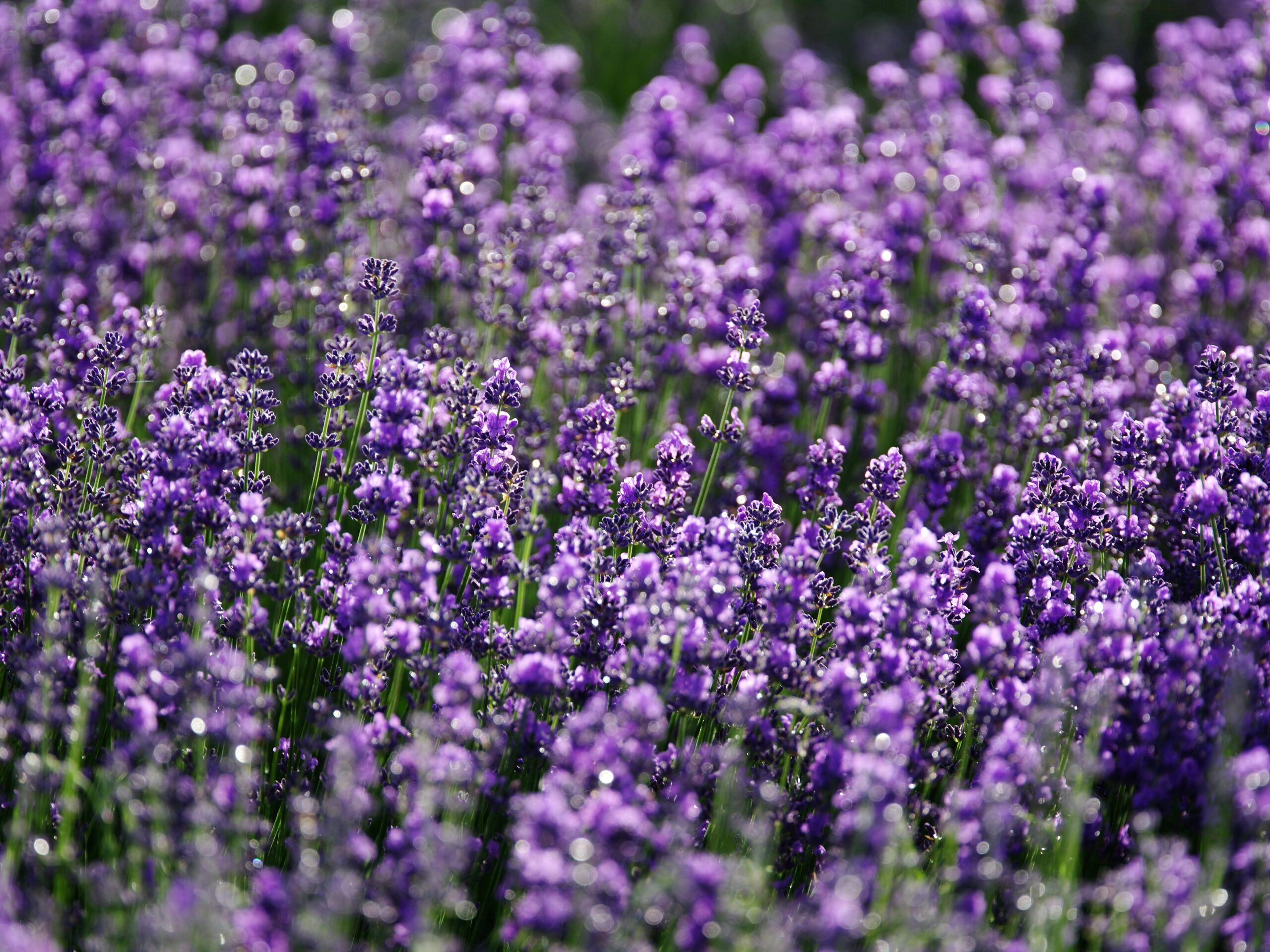
- Side pot: Lavender (lavandins or compact English forms)
- Low accent: Silver artemisia or a small sedum bowl
Cool-toned foliage anchors the pink pelargonium blooms.
- Balcony Kitchen Bar
- Center: Scented geranium (aroma-on-demand)
- Side pots: Mint (always in its own pot), basil triad (Thai, holy, sweet) for seasonal herbal lift
Culinary + aromatherapy; separate pots prevent water-need clashes.
Design notes:
- Resist cramming many powerful perfumes together in one container; let one “hero scent” star per vignette to avoid muddled fragrance.
- Stagger heights: pedestals, wall shelves, and rail planters create a sensorial “scent path” at face and hand level.
Water, feeding, and that summer pause
- Watering rhythm: Drench, then let the top of the mix dry before repeating; never leave pots standing in water.
- Spring: often 2–3 times/week depending on sun, pot size, airflow.
- Summer: in heat-induced slowdowns, reduce watering; water early morning.
- Autumn: about 1–2 times/week.
- Winter (indoors): weekly or less; mid-day on bright days; avoid wetting foliage and avoid cold water.
- Feeding: During active growth (roughly April–September), feed every 10–14 days with a balanced liquid or pelargonium-specific fertilizer. Pause when growth slows from heat or winter cool.
- Heat wisdom: If leaves yellow and drop during a heat wave, it’s likely stress and/or wet soil. Give bright shade, airflow, and pull back on watering.
Pruning, shaping, and repotting for design lines
- Pinch tips at 12–15 cm tall to encourage branching and a neat mound.
- Deadhead spent flower stems and tidy yellow leaves as needed.
- Hard prune by 1/3–1/2 to refresh leggy, woody plants—many growers do a main shaping prune in late winter.
- Repot about once a year (late summer or after the late-winter prune). Trim long fibrous roots, replace ~1/2 the old mix, water once, then let it recover in bright partial shade before returning to full sun.
Placement maps: indoor and outdoor
- Indoors: Brightest south- or west-facing window. Average indoor humidity is fine; prioritize ventilation and keep foliage dry to prevent leaf spot and gray mold.
- Balconies/patios: Full sun to very bright light; provide bright temporary shade in extreme heat. It’s frost tender—bring indoors before temperatures dip near 7°C (45°F).
- Climate note: Generally treated as a container plant except in very mild regions (about USDA Zone 10–11).
Everyday aromatherapy: design for touch
- Doorway delight: Park a pot at the handle-side of your balcony or patio door—instinct does the rest.
- Rail-planter runway: A low, continuous hedge of scented geraniums invites a casual brush along the rail.
- Coffee corner companion: One arm’s reach from your morning seat turns sipping into scent therapy.
- Kitchen window muse: Beside the sink or kettle, where hands are already moving.
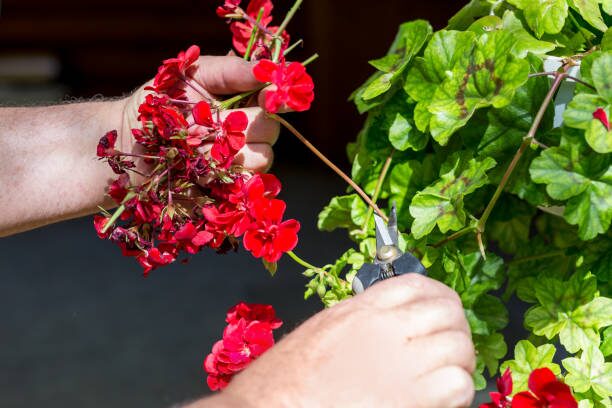
Tip: The essential oils can irritate sensitive skin—if you’re especially reactive, brush lightly or wash hands after generous handling.
Troubleshooting and plant health
- Yellowing/leaves dropping? Common triggers: too little sun, overwatering or poor drainage, heat stress, root-bound in tired mix, or wild swings between very dry and very wet soil. Brighten the light, let the top mix dry between waterings, ensure free drainage, and refresh the soil annually.
- Pests: Aphids, spider mites, whiteflies, and mealybugs crop up in stagnant, dry or stressed conditions. Rinse early, then use insecticidal soap or horticultural oil as needed. Isolate heavy infestations.
- Diseases: Botrytis and leaf spot favor wet foliage and still air—keep leaves dry, improve ventilation, and remove affected parts promptly.
Propagation for patterned design
Repeat your favorite container rhythm across a balcony with clones you grow yourself.
- Cuttings: Snip 7–8 cm non-flowering shoots with 3–4 nodes; keep 1–2 small top leaves. Let the cut end callus in bright shade, then insert into sand or a very free-draining medium. Roots often form in about 3 weeks; rooting hormone can help.
- Seed: Sow in a free-draining, sterilized mix; cover lightly. Best germination around 13–18°C; seedlings appear in 1–3 weeks.
Safety notes
- Generally low-toxicity. Essential oils may irritate sensitive skin; pets that chew large amounts may get mild stomach upset. Keep out of reach of nibbly pets and small children.
Symbolism and uses
- Symbolism: Traditionally associated with admiration, comfort, happiness, love, and the hope of reunion—sentiments popularized by Victorian “language of flowers” lists and later floral guides. Treat it as a poetic lens rather than a universal code.
- Uses: Leaves scent drawers, sachets, and potpourri; the plant contributes to the fragrance industry’s “geranium oil.” In the kitchen, rinse leaves and lightly crush to infuse syrups, teas, jams, butter, or dairy—then lift out for a velvety texture.
- Fun fact: It’s often sold as a “Mosquito Plant,” but real-world repellency varies widely with cultivar and growing conditions.
One last layout you’ll love
- A wide terracotta bowl of Pelargonium graveolens, rimmed with silver thyme, perched on a slatted stand for airflow.
- At the left, a separate pot of lavender for cool-toned color.
- To the right, lemon verbena in its own container for a bright counterpoint.
- All three at arm’s reach along your favorite chair—so every pass becomes a fragrant pause.
Give this sun-lover fast-draining soil, bright light, and room to breathe, and it will pay you back with months of delicate bloom and every-day brushable bliss.