

If you’ve ever run a hand near (not on!) an Old Man Cactus and thought, “Surely that silky beard is a built-in sun hat,” you’re right—mostly. Cephalocereus senilis evolved that silver-white “wool” to reflect brutal desert light on limestone slopes in east‑central Mexico. But when we whisk a plant from a windowsill to summer’s open sky, even a cactus with a fur coat can scorch. Here’s a week-by-week hardening-off plan—with shade cloth tactics, a savvy rotation strategy, and scorch triage—so your Old Man Cactus struts outdoors all season without frying its fuzz.
First, know the plant you’re coaching

- Habitat and habit: Endemic to arid, sun-soaked limestone hills in Hidalgo and Veracruz, Mexico. Upright, usually unbranched columns that may clump with age.
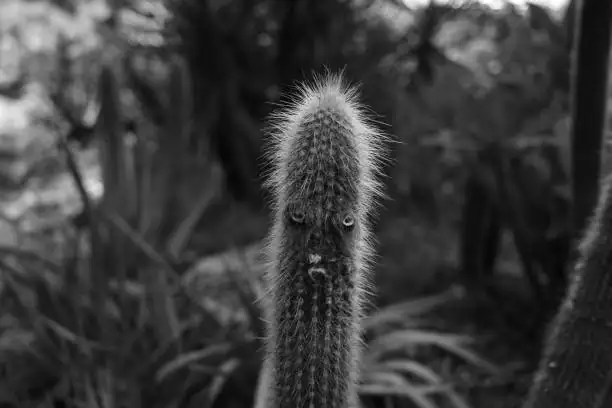
- The famous “beard”: Long, fine, white hairs are densest on younger growth and hide sharp spines beneath. They reflect sun and insulate—but they’re not magic armor against sudden UV jumps.
- Light need: Full sun makes the hair denser and growth sturdier; in very hot summers, give bright light with light afternoon shade to prevent scorch, especially right after moving outside.
- Temperature: Comfortable between 10–32°C (50–90°F). Not frost-hardy; keep above about 5°C (41°F).
- Soil and water: Very fast-draining cactus mix; water thoroughly, then let the top 1–2 cm dry before watering again. Keep the hairs as dry as possible to discourage pests and fungus.
Your outdoor success kit
- Shade cloth: Two panels—one 50–60%, one 30–40%—plus clips or pins. Optional: a light 15–20% panel for very bright sites, or use double layers you can peel back.
- Portable frame or stakes: To float cloth above the plant (never wrap the “beard”).
- Compass tape or paint pen: Mark the pot’s “N” (north) to manage orientation.
- Thermometer/UVI app: Watch midday UVI and heat spikes.
- Gritty mix and a draining pot: Equal parts potting soil, coarse sand, and perlite/pumice.
- Gloves and tongs: Hidden spines lurk beneath that angel hair.
Before you begin (3–5 days out)
- Water timing: Water thoroughly 2–3 days before the first outdoor session so the plant isn’t drought-stressed. Then wait until the top 1–2 cm dries before the next watering.
- Scout pests: Mealybugs, scale, and spider mites can hide in the hair. Treat early with insecticidal soap or horticultural oil and improve airflow; keep hairs dry after treatment.
- Pick the starter spot: Morning sun (east exposure) or bright open shade with dapple in the afternoon. Avoid reflective walls, glass, or white gravel that can double the blast.
The 4-week hardening-off playbook
Week 1: Bright shade + short tastes of morning sun
- Light:
- Keep under 50–60% shade cloth all day.
- Give 30–45 minutes of direct early morning sun (before 9 a.m.). If UVI > 6 by 9 a.m., cut to 15–20 minutes.
- Wind: Start with sheltered breezes; long hairs can mat in gusts. Build up airflow daily.
- Water: Only after the top 1–2 cm of mix is dry. Keep hair dry—no misting.
- Rotation: Do not rotate yet. Keep your “N” mark facing the same way each day so one side isn’t suddenly blasted.
Signs you’re ready to advance:
- Hair remains bright white (not singed/yellowed).
- Stem skin under the hair looks normal green to glaucous, not pale or shiny.
Week 2: Longer mornings, filtered midday
- Light:
- 40% shade cloth from late morning onward.
- 1–2 hours of early morning sun; optional 20–30 min late afternoon slanting sun.
- Heat rule: If temps approach 32°C/90°F, shorten direct sun and extend shade.
- Rotation: Still hold orientation steady.
Week 3: Introduce a little honest midday
- Light:
- 30% shade cloth for the whole midday window.
- 2–3 hours of morning sun + 30–60 minutes of late-morning/near-midday sun through 30% cloth.
- First gentle rotations:
- On a cool or lightly overcast morning, rotate the pot 90° once this week. That evens exposure without shocking one “naive” side.
- Feeding: If growth is steady and unbothered, begin monthly feeding with a cactus fertilizer (label rate or slightly diluted). Stop in fall and winter.
Week 4: Full mornings, light afternoon veil
- Light (most climates):
- Full, unfiltered morning sun.
- 10–20% shade cloth or light dapple between roughly 1–4 p.m. in hot areas; in milder coastal climates you may remove cloth entirely if no scorch appears.
- Rotation rhythm:
- Outdoors for summer? Either keep orientation constant (most stable) or rotate 90° every 7–10 days on a cool morning to maintain an even “tan.”
- Water and hair care:
- Continue drying the top 1–2 cm between waterings. Water in the morning so hairs dry fast. Good airflow is your anti-fungus friend.
Notes by site:
- Blazing patios and south/west exposures: Keep a 20–30% afternoon veil all summer.
- East exposures: Often can go cloth-free after Week 4.
- Greenhouse heat: Even with high temps, UV jumps can scorch; maintain 20–30% cloth midday.
Shade cloth that actually helps (and doesn’t smother the beard)
- Percentages that work:
- 50–60%: First week and heatwaves.
- 30–40%: Weeks 2–3 and routine midday in hot inland summers.
- 10–20%: A “sunsoftener” for tough exposures after hardening-off.
- Color and setup:
- Light-colored or reflective cloth runs cooler; green or black is fine if it floats above the plant for airflow.
- Never wrap the cactus; build a small tent or screen that the hairs can’t touch.
- Layering is your friend: two layers in Week 1, then peel one away as you progress.
- Moveable screens: Laundry racks, tomato cages, or bamboo hoops make great portable frames you can nudge as the sun shifts.
Rotation strategy for a handsome, even column
- Mark north: Put an “N” on the pot. That lets you:
- Keep orientation fixed during the first 2 weeks (prevents one naïve side from burning).
- Rotate predictably later: quarter-turns on cool or overcast mornings for even exposure.
- “Spin with intent”: If you change the plant’s spot, return to the same orientation. Sudden 180° flips on bright days are how you etch permanent tan lines on the stem.
Scorch triage: if the fuzz gets singed
What it looks like:
- Hair: Yellowed, brittle, or lightly browned tips on the sunniest side.
- Skin beneath: Patchy, pale or bleached areas that may turn tan or corky over time. Severe burns turn brown and hard.
Immediate actions (within hours to a day):
- Move to bright shade (30–40% cloth), especially at midday.
- Skip fertilizer and hold water for 3–5 days unless the plant is heat-wilted; then water lightly once, in the morning.
- Boost airflow so the hairs dry quickly and the stem can cool.
Aftercare:
- Minor singe on hair is cosmetic. Don’t shave the cactus; those hairs are modified spines and regrow slowly, if at all on older sections.
- If small sections are badly charred and matted, you can trim only the burned tips with sterile scissors, taking as little as possible.
- Sunburned skin won’t turn green again, but the plant can wall it off and keep growing. Rebuild exposure more slowly with 40% cloth for a week, then 30%.
When to worry:
- Soft, dark, or wet-looking patches = possible rot. Isolate, keep dry, improve airflow, and if tissue collapses, cut back to healthy tissue with a sterile blade and let callus thoroughly before watering again.
Ongoing summer care essentials (so the beard stays bright)
- Watering: Thorough soak, then wait until the top 1–2 cm of mix is dry. In heat waves, water early morning so hairs dry fast. Never let water sit in the wool.
- Fertilizer: Once a month in spring and summer with cactus fertilizer; stop in fall and winter.
- Soil and pot: Very fast-draining mix (equal parts potting soil, coarse sand, perlite/pumice). Repot young plants each spring; mature plants roughly every 2 years into only slightly larger pots.
- Airflow and humidity: Prefers low humidity with good airflow; keeps hairs clean and pests/fungi at bay.
- Pests: Mealybugs, scale, spider mites. Inspect by parting the hair with a wooden skewer. Treat early with insecticidal soap or horticultural oil and improve airflow. Keep the hair dry afterward.
When fall returns: reverse the ramp
- Two-week wind-down:
- Reintroduce shade cloth before moving indoors so the plant doesn’t go from blazing sun to dim overnight.
- Reduce watering frequency; cool and bright winter quarters are ideal.
- Winter care:
- Aim above about 5°C (41°F), very bright light, and keep mostly dry—just 1–2 light waterings for the whole season if kept cool.
Why all this fuss? Because light builds the beard
Full, well-managed sun coaxes that iconic silver-white wool on new growth, while abrupt exposure singes it. With a smart ramp-up, a simple shade veil in hot afternoons, and thoughtful rotations, your Old Man Cactus will look more like a wise desert elder than a summer casualty—and you’ll have mastered the art of getting a desert native to thrive on your patio.
Quick recap
- Weeks 1–2: 50–40% shade, short morning sun, no rotations.
- Week 3: 30% shade, introduce a touch of midday sun, one gentle 90° turn.
- Week 4: Full mornings, light afternoon veil in hot spots; optional weekly quarter-turns.
- Always: Fast drainage, dry top 1–2 cm between waterings, keep that beard dry, and protect from frost (outdoors year-round only in warm, frost-free climates—roughly USDA Zone 10–11).