

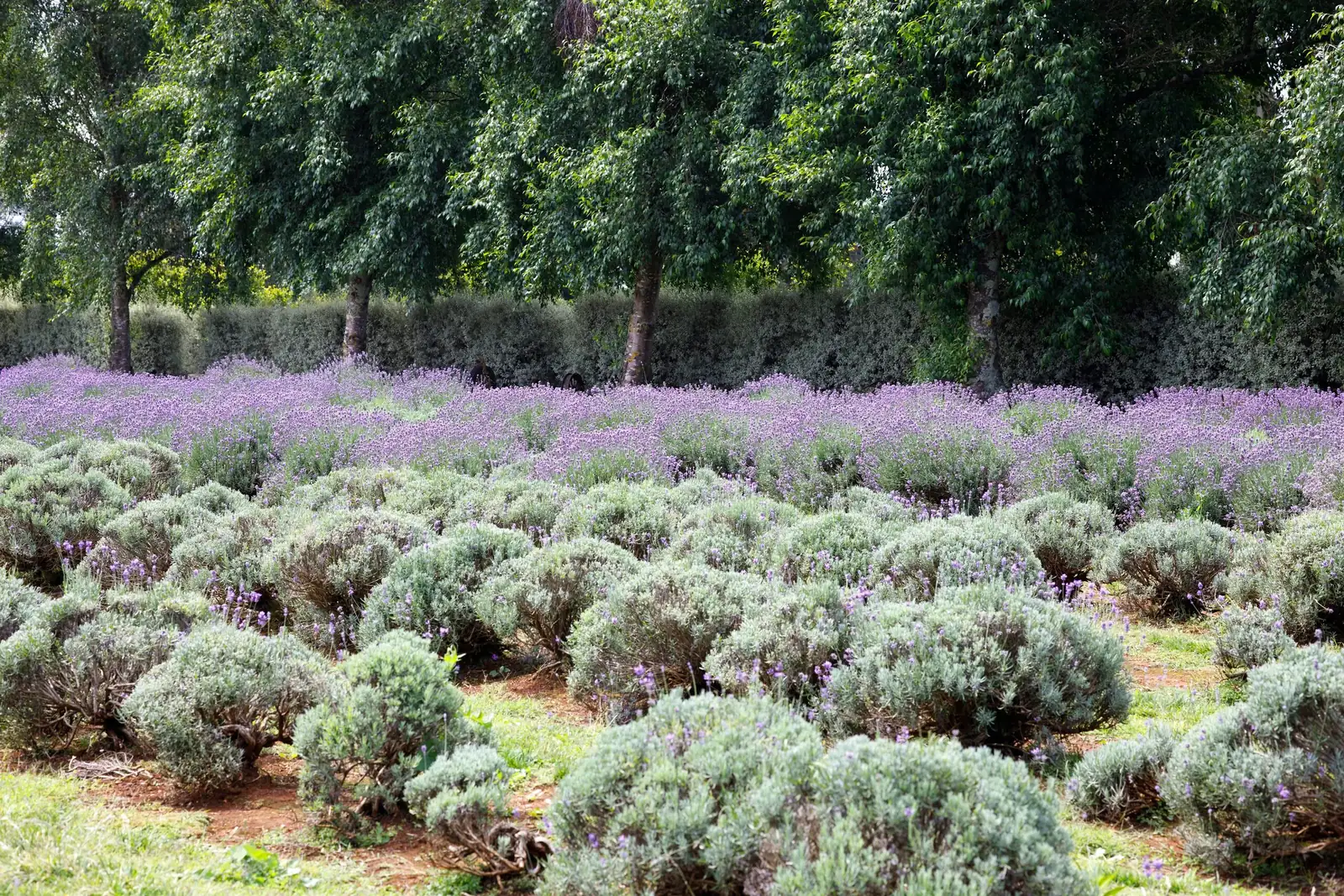
Breathe in: that clean, herby-sweet scent is your first clue that Lavender (Lavandula angustifolia) wants the same thing you do on a perfect summer day—bright sun, a dry breeze, and zero soggy shoes. Nail those three pillars—full sun, sharp drainage, and a wet–dry watering rhythm—and your lavender will flower hard, stay compact, and perfume every step you take past it. Here’s your seasonal, practical guide for both pots and garden beds.
Meet Lavandula angustifolia (English/Common/True Lavender)
- Type: Woody, bushy subshrub (evergreen to semi-evergreen in cold winters)
- Size: Typically 30–60 cm (12–24 in) tall; 45–90 cm (18–36 in) wide in good garden conditions; in pots often 30–60 cm across
- Bloom: Summer (commonly June–August, peak often July)
- Look & feel: Narrow grey-green to silvery leaves; slender purple flower spikes with a powerful, lasting fragrance
- Origin: Mediterranean region—think lean soils, glare-bright sun, and moving air
Sun and Air: Non‑negotiable for Bloom and Shape
- Target at least 6–8 hours of direct sun daily. Shade = floppy stems and fewer flowers.
- Choose breezy sites: patios with airflow, sunny balcony railings, raised beds, or a south-facing windowsill indoors.
- Indoors, give the brightest window you have (south is best) and keep air moving; avoid steamy rooms.
Soil and Drainage: Build It Like a Rock Garden
Lavender hates wet feet. Think gritty and quick-draining.
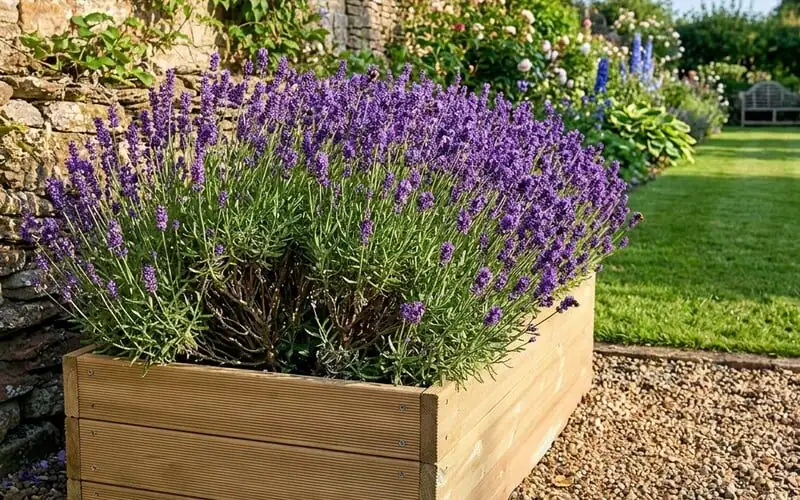
Garden beds
- Soil: Very well-drained, sandy/gritty loam. In heavy soils, plant in raised beds or berms.
- Amend with coarse grit/sand and small gravel to speed drainage; avoid rich, water-retentive mixes.
- Mulch with a thin top-dress of gravel (not bark) around, but not crowding, the woody crown.
Containers
- Pot: Use a container with large drainage holes (terracotta breathes nicely).
- Mix: A free-draining, mineral-lean blend—e.g., a loam-based compost cut heavily with coarse grit/pumice/perlite. Avoid peat-heavy, moisture-holding media.
- Don’t add rocks at the bottom (it doesn’t improve drainage); rely on the right mix and open holes.
- Elevate pots on feet; never let them sit in saucers of water.
Watering That Works: The Wet–Dry Rhythm
Water deeply, then let the mix dry noticeably before watering again.
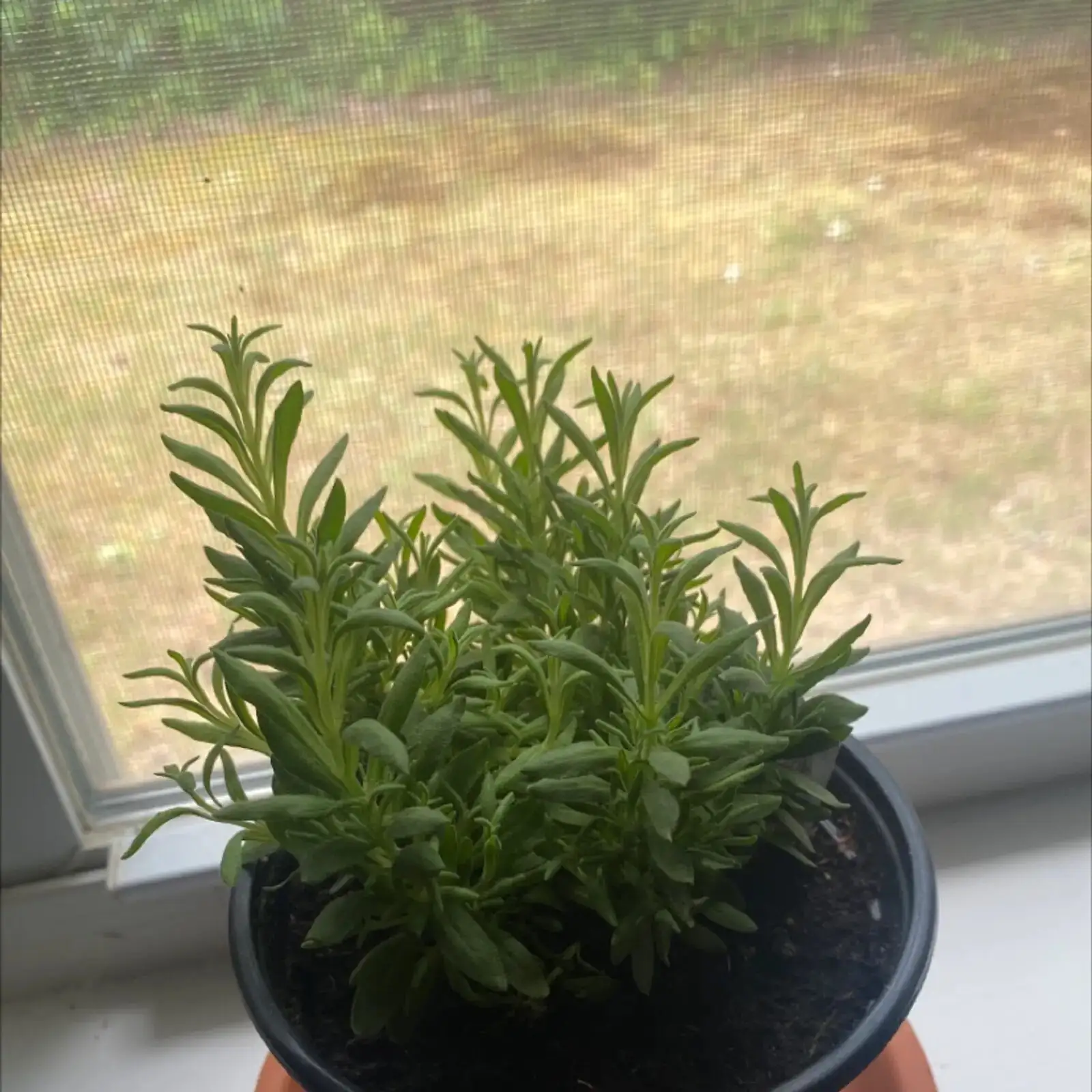
- Spring/cool weather: About every 10 days to 1–2 weeks, depending on pot size, sun, and wind.
- Summer/flowering: Water when the top few centimeters of mix are dry. Morning watering plus good airflow helps in heat.
- Autumn–winter (especially indoors or in cool, wet climates): Strongly reduce. Keep just barely on the dry side; avoid mixes that stay wet.
- Pots vs. beds: Containers dry out faster; beds, once established, often need only occasional irrigation in dry spells.
- Tools and tells:
- Finger test: Dry for the top knuckle? Check weight next.
- Pot weight: Learn the feel of “thirsty” vs. “just watered.”
- Always drain freely; dump any standing water from saucers.
Tip: Most lavender mishaps come from kindness—overwatering, rich potting mix, or stagnant, humid air.
Feeding: Lean and Light
- Growing season (roughly May–September): Feed about once a month with a balanced fertilizer at a reduced rate.
- Go easy—too much nitrogen causes floppy growth, fewer flowers, and weaker fragrance.
- In lean garden soils, many plants bloom beautifully with little to no feeding.
Pruning for Flowers and a Dense, Mounded Shape
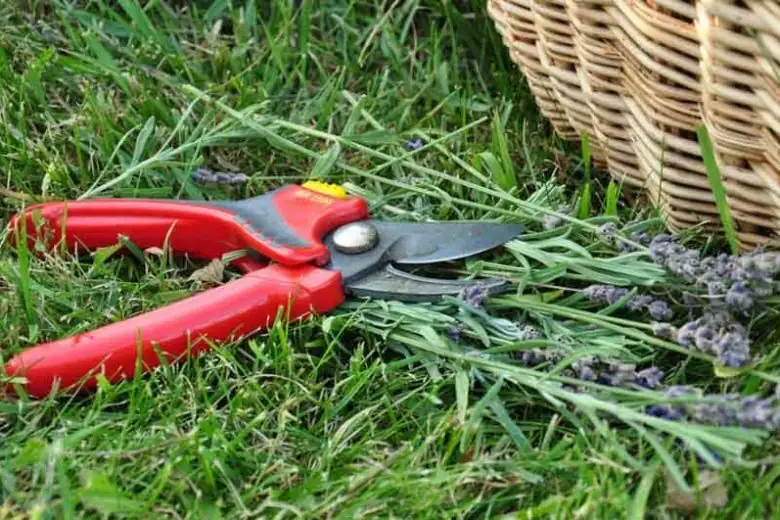
- Young plants: Pinch or tip-prune 2–3 times (or once plants reach ~10 cm / 4 in) to encourage branching.
- After flowering: Remove spent flower stems and lightly clip to tidy the mound.
- Vigorous plants: You can reduce up to about 1/2 of the current green growth.
- Average plants: Aim for about 1/3.
- Timing: Late spring or early autumn is best. Avoid hacking during extreme heat.
- Golden rule: Don’t cut back into old, leafless woody stems—regrowth is unreliable there.
Your Seasonal Playbook: Pots vs. Garden Beds
Spring
- Pots
- Repot if needed using a very free-draining mix; a 12–15 cm (4.7–5.9 in) pot suits small plants.
- Water roughly every 10 days (adjust to your conditions).
- Start monthly light feeding; pinch tips to bulk up.
- Move outdoors once frost risk passes; maximize sun and air.
- Beds
- Check drainage; raise or berm if winter was wet.
- Space plants to allow airflow (45–60 cm apart, more for large cultivars).
- Water when partly dry; avoid waterlogging from spring rains.
Summer (main bloom)
- Pots
- Water when the top few centimeters are dry; mornings are ideal.
- Keep foliage dry at night; prioritize airflow on hot, humid days.
- Deadhead to extend bloom; feed lightly monthly.
- Beds
- Water during genuine dry spells; keep crowns open and sunlit.
- Gravel mulch helps keep soil surface quick-drying.
- Snip spent spikes to encourage a tidy second flush.
Late Summer–Early Autumn
- Pots and Beds
- Take semi-ripe cuttings (6–10 cm) for easy new plants.
- Lightly reshape after flowering (stay in green growth).
- Begin to reduce watering as days shorten and growth slows.
Late Autumn–Winter
- Pots
- Keep very bright and cool if possible; water sparingly (about every 10 days to 1–2 weeks or even less if light is low and temps are cool).
- Protect from prolonged cold and, especially, winter wet; in very cold regions, try to keep pots above ~5°C (41°F).
- Ensure excellent airflow to deter fungus.
- Beds
- Hardiness is generally USDA Zones 5–8 (sometimes listed to 5–9, cultivar and conditions depending). Winter wet is the real killer—improve drainage and avoid heavy, damp mulches on the crown.
- In exposed, wet winters, a simple rain-shelter or lean gravel mulch helps keep crowns dry.
Indoors vs. Outdoors
- Outdoors is ideal. Indoors, only in the brightest, sunniest window (south-facing) with moving air.
- Rotate pots regularly for even growth; keep humidity on the drier side.
- Water sparingly in winter light.
Propagation: Quick Paths to More Lavender
- Seed: Surface-sow (light aids germination) at ~20–24°C (68–75°F). Sprouts often appear in ~14–21 days.
- Cuttings: Semi-ripe cuttings (6–10 cm) from early summer through autumn in a sandy/gritty medium—commonly root in ~3–6 weeks.
- Water rooting: Semi-ripe cuttings can root in clean water in bright shade in ~2–3 weeks; pot up carefully once roots form.
- Division: Possible in spring or autumn, easiest with younger, less woody clumps.
Harvesting and Drying for Maximum Fragrance
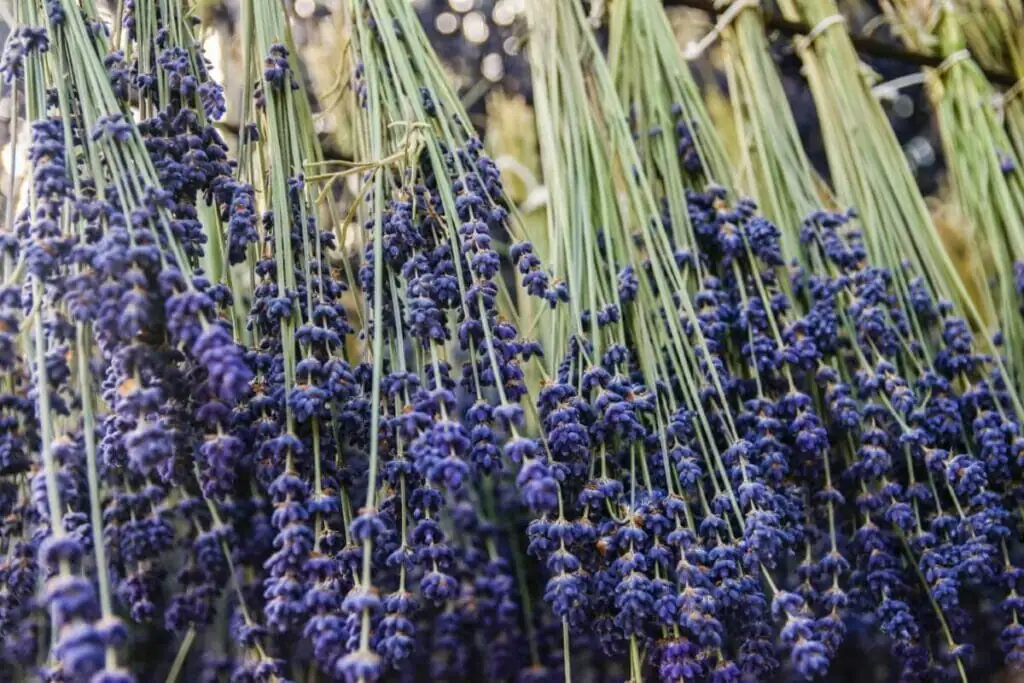
- Pick when the first few florets on each spike open—aroma is superb and buds hold on well.
- Bundle small handfuls, secure, and hang upside down in a dry, airy, shaded place.
- Use dried buds for sachets, wreaths, and crafts; a single healthy pot can scent a whole balcony box.
Buying Smart
- Choose compact, evenly shaped plants with dense grey-green foliage.
- Avoid pots with soggy mix, blackened stems, or yellowing leaves.
- Check for circling, over-compacted roots that fill the pot edge-to-edge.
Common Problems (and Fast Fixes)
- Yellowing leaves? Usually too much water or poor drainage. Move to more sun and air; let the mix dry more; ensure no standing water.
- Botrytis (grey mold) on flowers/leaves? Classic in damp, stagnant conditions. Improve sun/airflow, water at the base in the morning, remove affected parts promptly. Use labeled fungicides only if needed and permitted.
- Weak regrowth after pruning? You likely cut into old, leafless wood. Next time, stay in green growth and trim up to 1/3–1/2 depending on vigor.
- Few flowers, lush leaves? You’ve overfed, overwatered, or shaded it. Cut back on nitrogen, increase sun, and let the root zone dry more between drinks.
Quick Care Checklist
- Light: Full sun—minimum 6–8 hours daily
- Air: Breezy, not cramped; keep foliage dry at night
- Soil: Very fast-draining, sandy/gritty; lean is better than rich
- Water: Deeply, then let dry noticeably; dump saucers
- Feed: Monthly, light/dilute, during active growth
- Prune: Pinch young; lightly clip after bloom; never into old wood
- Hardiness: Generally USDA 5–8 (sometimes 5–9); winter wet is the main risk
Safety Notes
- Generally low toxicity as an ornamental plant. The essential oil can irritate sensitive skin and may be harmful if ingested in quantity. Pets may get mild stomach upset if they chew a lot. Keep concentrated oils and large amounts away from children and pets.
Symbolism: Why Lavender Means Calm (and More)
Lavender’s “flower language” grew from centuries of everyday Mediterranean life—scenting linens, perfuming baths, and soothing the mind—rather than any strict botanical rule. It’s most often linked with calm, devotion, purity, remembrance, and in some traditions “anticipation” or “waiting for love.” Think of it as cultural poetry: a gentle shorthand for serenity and steady affection, not a literal prescription.
A Few Fun Facts to Wrap Up
- “Angustifolia” means “narrow-leaved,” a perfect nod to its slim silvery foliage.
- Fragrance peaks on warm, sunny, dry days—the exact conditions lavender thrives in.
- For the best bloom and scent, less is more: lean soil, sharp drainage, and restraint with water will always beat rich, soggy compost.
Treat Lavandula angustifolia like the sun-chasing, breeze-loving, drought-tolerant Mediterranean it is, and it will repay you with months of flowers and that unmistakable, calming perfume.