

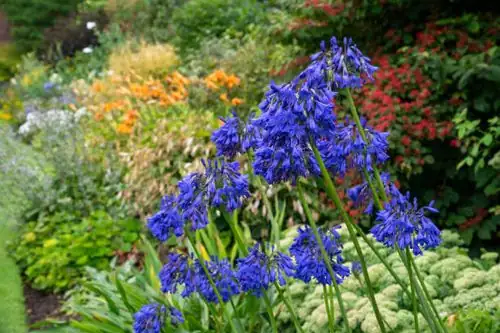
Picture glossy green ribbons of leaves sending up drumsticks that burst into blue, purple, or white fireworks. That’s Agapanthus africanus—Lily of the Nile—at full throttle. If you’ve ever wondered how to cue those globe blooms right on schedule, here’s your lively, step-by-step game plan for perfect light, seasonal watering, soil and drainage, smart feeding, and pruning that keeps the show rolling.
Meet Agapanthus africanus (Lily of the Nile)
- Origins and character: A rhizomatous perennial from South Africa, forming tidy clumps of arching, strap-like leaves and tall, sturdy stems topped with rounded umbels of trumpet-shaped flowers.
- Size and shape: 60–90 cm (2–3 ft) tall and about 60 cm (2 ft) wide; flower stalks often rise to 90–120 cm (3–4 ft).
- Bloom time: Primarily June–August; in frost-free regions, some varieties stretch from late spring into fall.
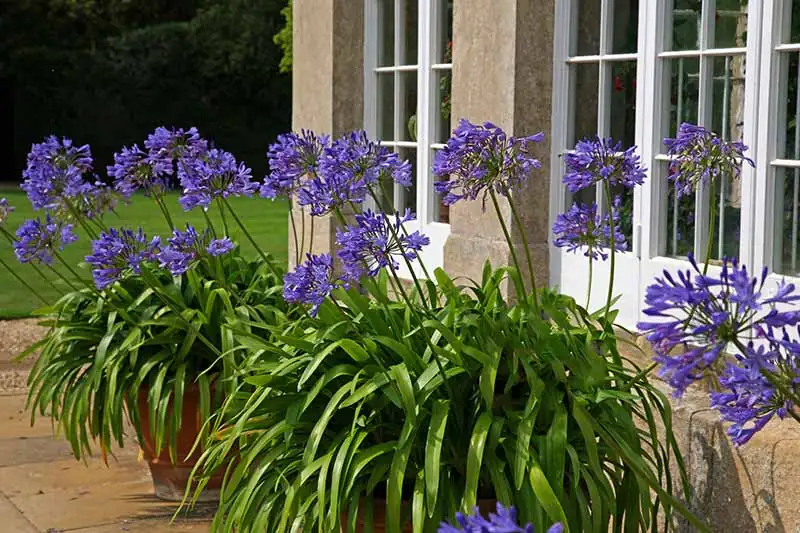
- Best uses: Sunny borders, paths, focal clumps, and containers; fantastic as a cut flower and even for dried seed heads.
- Bonus traits: Once established, it handles dry spells with grace—so long as the soil drains well. Often shrugged off by deer and rabbits.
- Family and kin: Genus Agapanthus, typically treated in family Agapanthaceae (its taxonomy has “wandered” historically).
Light: the 6–8 hour rule that fuels the fireworks
Agapanthus flowers on sunshine. The more (within reason), the better.
- Aim: Full sun—about 6–8 hours of direct light daily.
- In hot climates: Offer light afternoon shade to reduce stress and leaf scorch.
- Positioning tips:
- Borders: East or south-facing exposures are ideal.
- Containers: Park pots where you can follow the sun. A dolly helps you fine-tune placement.
- Overwintered pots indoors: Give them the brightest window you’ve got; supplement with grow lights if needed.
Pro tip: If bloom counts slump, clock the sun. Anything under 6 hours is a common bloom-buster.
Watering by season: from settling-in to showtime
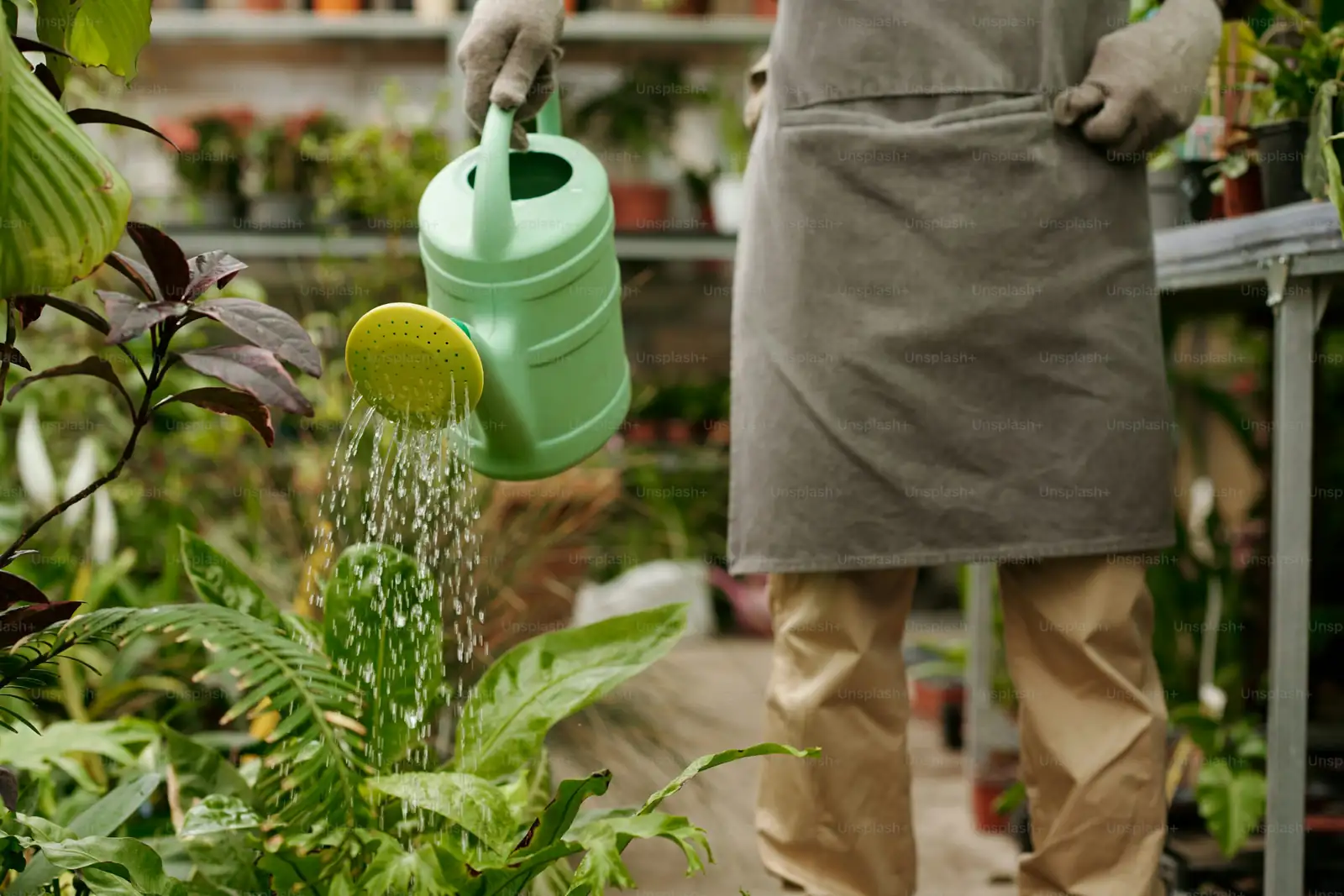
Agapanthus wants steady, not soggy. Think rhythmic beats, not a drumroll.
- Establishment phase (first season): About 2.5 cm (1 in) of water per week. Keep soil evenly moist, never waterlogged.
- Once established: Many plants cruise on roughly 1.3 cm (1/2 in) per week, adjusted for heat and soil type.
- The seasonal rhythm:
- Spring: Resume regular watering as growth starts. Let the top layer dry slightly between waterings.
- Summer: Maintain even moisture during bloom. Mulch 5–7 cm (2–3 in) deep to reduce evaporation (keep mulch off the crowns).
- Fall: Taper watering as temperatures drop and growth slows.
- Winter: Keep much drier—especially crucial in cold regions and for pots. Water just enough to prevent shriveling.
- How to gauge: Stick a finger 3–5 cm (1–2 in) into the soil; if it’s dry at that depth, it’s time to water.
- Red flags:
- Too wet: Yellowing, wilting with soft stems, or dark, mushy roots (root rot alert).
- Too dry: Crispy leaf tips, droop that perks up post-watering.
Drainage, soil structure, and pH: build the runway for blooms
Great drainage plus a slightly acidic lean is the sweet spot for Agapanthus africanus.
- Ideal texture: Fertile, moisture-retentive but well-drained soil (sandy loam is excellent). Avoid waterlogged conditions at all costs.
- Target pH: Slightly acidic—roughly pH 5.5–6.5.
- Garden-bed recipe:
- 50–60% native loam
- 20–30% well-rotted compost
- 10–20% coarse sand or fine grit for drainage
- Container mix:
- High-quality potting mix
- Amend with 20–30% pumice/perlite and 10–20% coarse sand or fine gravel
- Quick drainage test: Fill a 30 cm (12 in) deep hole with water. If it takes longer than 3–4 hours to drain, add grit or mound/raise the bed.
- pH tune-up:
- To lower pH: Elemental sulfur (slow and steady) or acidic composts (pine bark fines).
- Avoid pushing pH upward with lime in this species; it prefers the slightly acidic lane.
Planting and potting: get the setup right
- In-ground spacing: Plant 30–45 cm (12–18 in) apart to allow clumps to fill while helping each other stand tall.
- Depth: Set rhizomes so the crown sits just at or slightly above soil level; do not bury deeply.
- Containers:
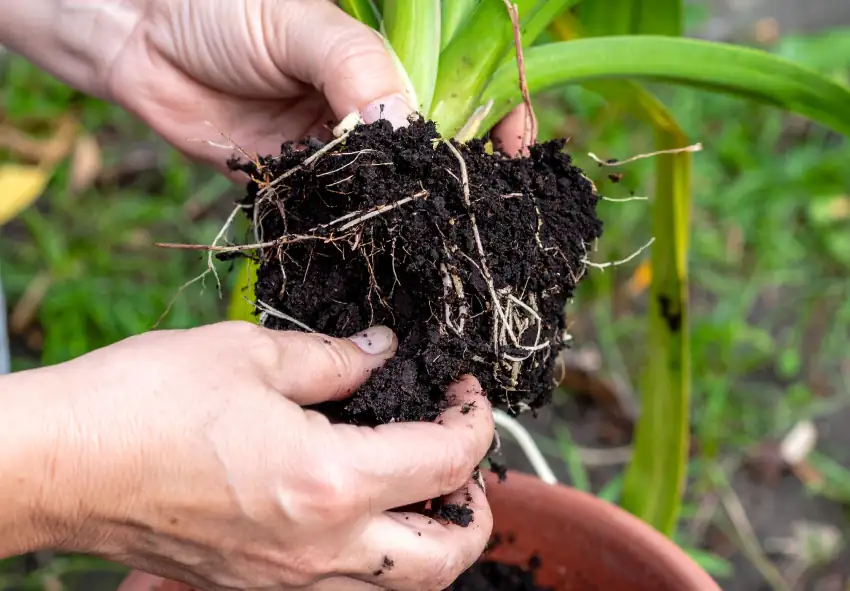
- Size: Choose a snug pot; Agapanthus often blooms best when slightly root-bound. Don’t overpot.
- Repotting: Every ~2 years, or when root congestion is extreme. Move up just one pot size (~10 cm / 4 in wider).
- Drainage: Must be excellent—use multiple holes, raise pots on feet, and empty saucers promptly.
Feeding: smart, bloom-forward nutrition
Feed to flower, not just to leaf.
- Spring (as growth starts): A balanced fertilizer like 10-10-10.
- Mid-season (about 2 months later): Repeat feeding; for stronger blooming, switch to a phosphorus-leaning mix such as 5-10-10.
- Organic options: Compost, well-rotted manure, or bone meal worked into the topsoil.
- Avoid heavy nitrogen: It bulks up leaves at the expense of flowers.
- Container routine: Light feeds every 4–6 weeks during the growing season.
- Hard stop: Do not fertilize after August—let plants wind down and harden off.
Pruning and deadheading: cue the encore
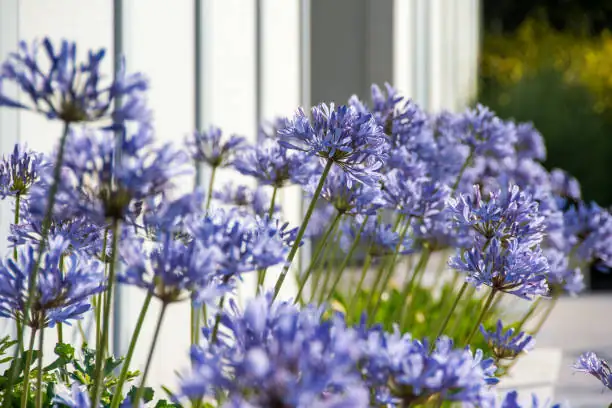
- Deadhead decisively: Cut the entire spent flower stalk at the base. This tidies the clump and can encourage additional blooms.
- Leaf care:
- Deciduous types: Keep foliage after flowering until it naturally yellows—it’s recharging the rhizomes for next year.
- Evergreen types: Trim back to about 15–20 cm (6–8 in) only if needed for cleanup or division.
- Cleanliness counts: Use sharp, sanitized tools to prevent disease spread.
Division and propagation: refresh the chorus
- Division timing:
- Garden clumps: Every 4–6 years.
- Potted plants: About every 4–5 years.
- When: Early spring for deciduous forms; many growers divide evergreen forms in autumn after flowering.
- How: Lift clumps, slice with a clean knife so each division has roots and growing points, and replant promptly.
- Seeds: Sow fresh; germination may take 1–4 months. Expect 3–5 years to first bloom.
Overwintering and hardiness
- Zones: Generally USDA 7–11 (some cultivars may cope with Zone 6 using protection). Evergreen forms are more cold-sensitive than deciduous ones.
- In-ground: Mulch well in colder areas; above all, avoid soggy winter soil.
- Containers: Move to a bright, frost-free spot before hard freezes. Keep much drier until spring growth resumes.
Troubleshooting bloom-shy plants
- Check the usual suspects:
- Sunlight below 6 hours
- Too much nitrogen fertilizer
- Youth (seed-grown plants can take years to flower)
- Recent division or repotting shock
- Overpotting (they like to be somewhat root-bound)
- Deep shade from neighboring plants or structures
- Course-correct: Boost light, switch to bloom-forward feeding, keep pots snug, and be patient after division.
Pests, diseases, and common slips
- Typically trouble-free. Watch for:
- Aphids, mealybugs, spider mites—rinse off with water or use horticultural soap/neem if persistent.
- Fungal issues in humid, crowded plantings—improve spacing and airflow.
- Biggest risk: Root/rhizome rot from waterlogged soil. Prevention is all about drainage; yellowing, wilting, and discolored roots are classic warning signs.
Safety first
- Toxicity: All parts can cause stomach upset if eaten (nausea, vomiting, diarrhea). Sap may irritate skin—wear gloves if you’re sensitive.
- Keep out of reach: Children, cats, and dogs—cats can be especially sensitive.
A quick care calendar
- Spring: Plant or divide; resume watering; begin feeding; set in full sun.
- Summer: Peak bloom—maintain even moisture, deadhead, and give a mid-season feed if needed.
- Fall: Taper water and stop fertilizing; divide evergreen types after flowering if planned.
- Winter: Keep much drier; mulch in-ground clumps in cold regions; protect containers from hard frost.
Meaning and lore: why “Love Flower” suits it
Agapanthus blends the Greek agape (love) and anthos (flower), which is why it’s long associated with love, devotion, and steadfast affection. Color adds nuance: blue leans loyal and enduring; white feels pure and sincere. Introduced to European gardens in the late 1600s, it gathered a reputation for exuberant displays and long-lasting cut stems. And despite the moniker “Lily of the Nile,” it hails from South Africa, not the Nile basin—proof that even names can wander.
Fun quick facts
- One flower head can carry up to about 100 petite trumpets—instant fireworks.
- Many plants bloom more heavily when slightly root-bound—hence their container stardom.
- Seeds are flat and winged, designed to ride the wind.
Follow the sun, keep the water rhythmic and the soil swift-draining with a slight acidic tilt, feed with bloom in mind, and prune with purpose. Do that, and your Lily of the Nile will answer with skyward stems and globe blooms that pop right on cue.


