

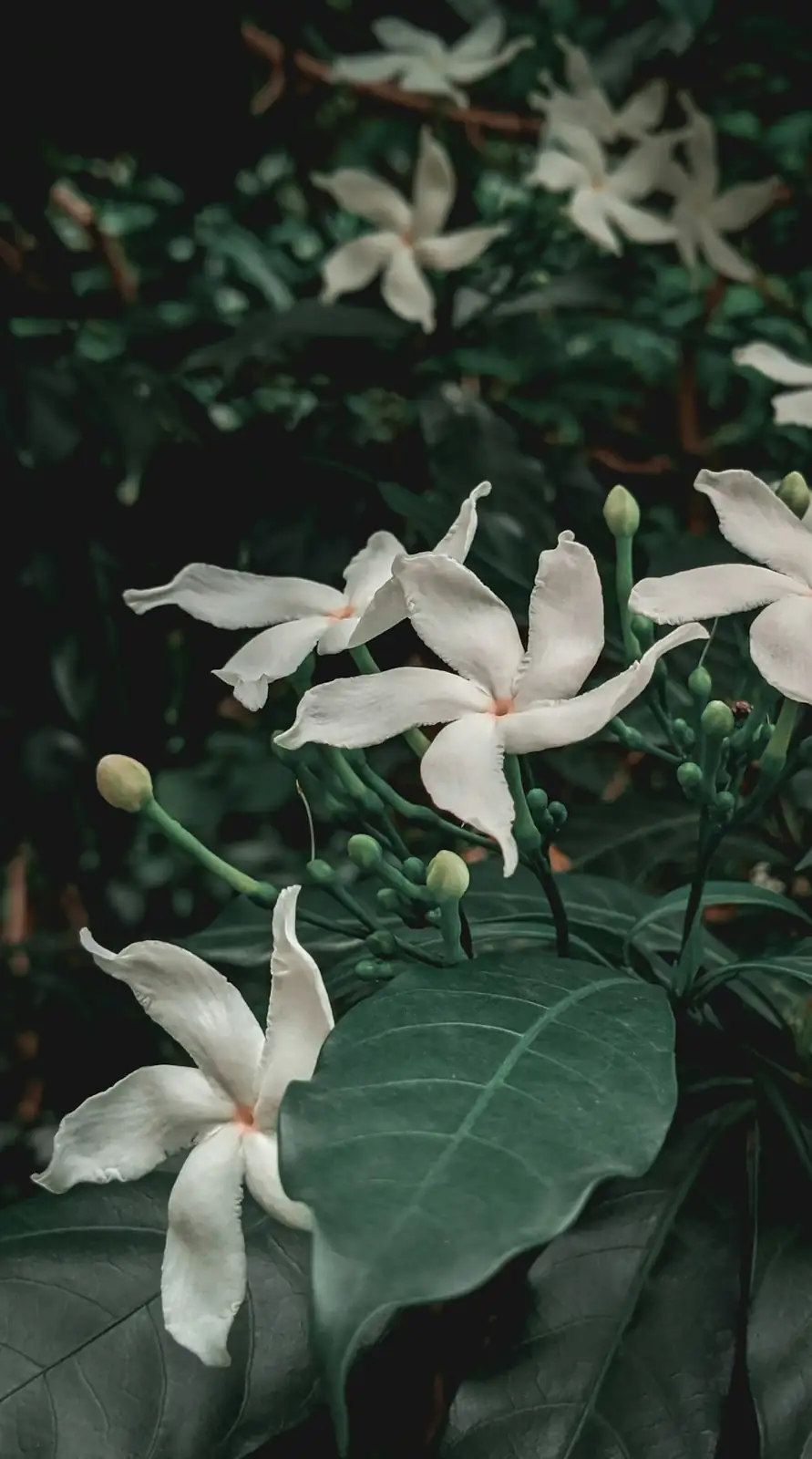
Imagine a solar-powered perfume factory you can keep on your windowsill. That’s Jasminum sambac—Arabian jasmine—turning strong sun into glossy leaves and waves of waxy white blooms that scent the evening air. Here’s your punchy, step-by-step care playbook to keep it flowering on repeat.
Meet Arabian Jasmine (Jasminum sambac)
- What it is: An evergreen to semi-evergreen shrub from tropical Asia (India, Pakistan, the Himalayas in western China), adored for intensely fragrant white blooms. Can be kept compact in pots or trained as a small climber.
- Why you’ll love it: Room-filling perfume (often strongest in the evening), glossy foliage, and repeat blooming from warm spring through fall in bright conditions.
- Popular aliases: Mogra, Sampaguita, Pikake, Maid of Orleans, Belle of India, Sambac jasmine.
- Typical size: In pots, commonly compact at ~30 cm/12 in. In warm gardens, 0.6–2 m (2–6.5 ft), and up to 3–10 ft if trained to clamber.
The Bloom-on-Repeat Playbook
1) Light: 6–8+ hours of direct sun (non‑negotiable)
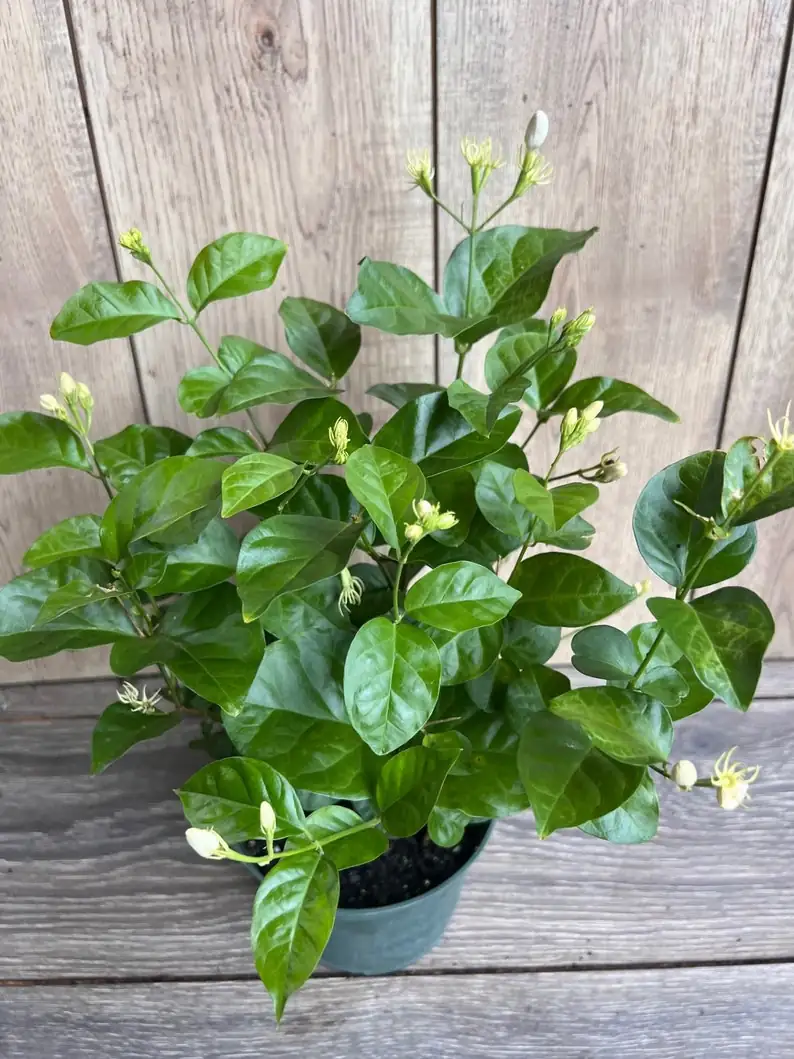
- Goal: Full sun to very bright light. More sun = more buds and stronger scent.
- Outdoors: Give all the morning sun you can; in scorching regions, a touch of late-afternoon shade is fine.
- Indoors: South- or west-facing window; 30 cm/12 in from the glass is great. If you can’t get 6–8+ hours of direct sun, add a grow light.
- Rotate the pot weekly so new shoots don’t lean.
2) Potting mix and pH that bloom on cue
- Target pH: Slightly acidic to near-neutral, about 6.5–7.5.
- Mix recipe (free-draining but rich):
- 50–60% high-quality, loam-based potting mix
- 20–30% perlite or vermiculite
- 10–20% fine orchid bark or composted bark
- Musts: A pot with generous drainage holes; never let it sit in a saucer of runoff.
3) Watering that makes buds, not problems
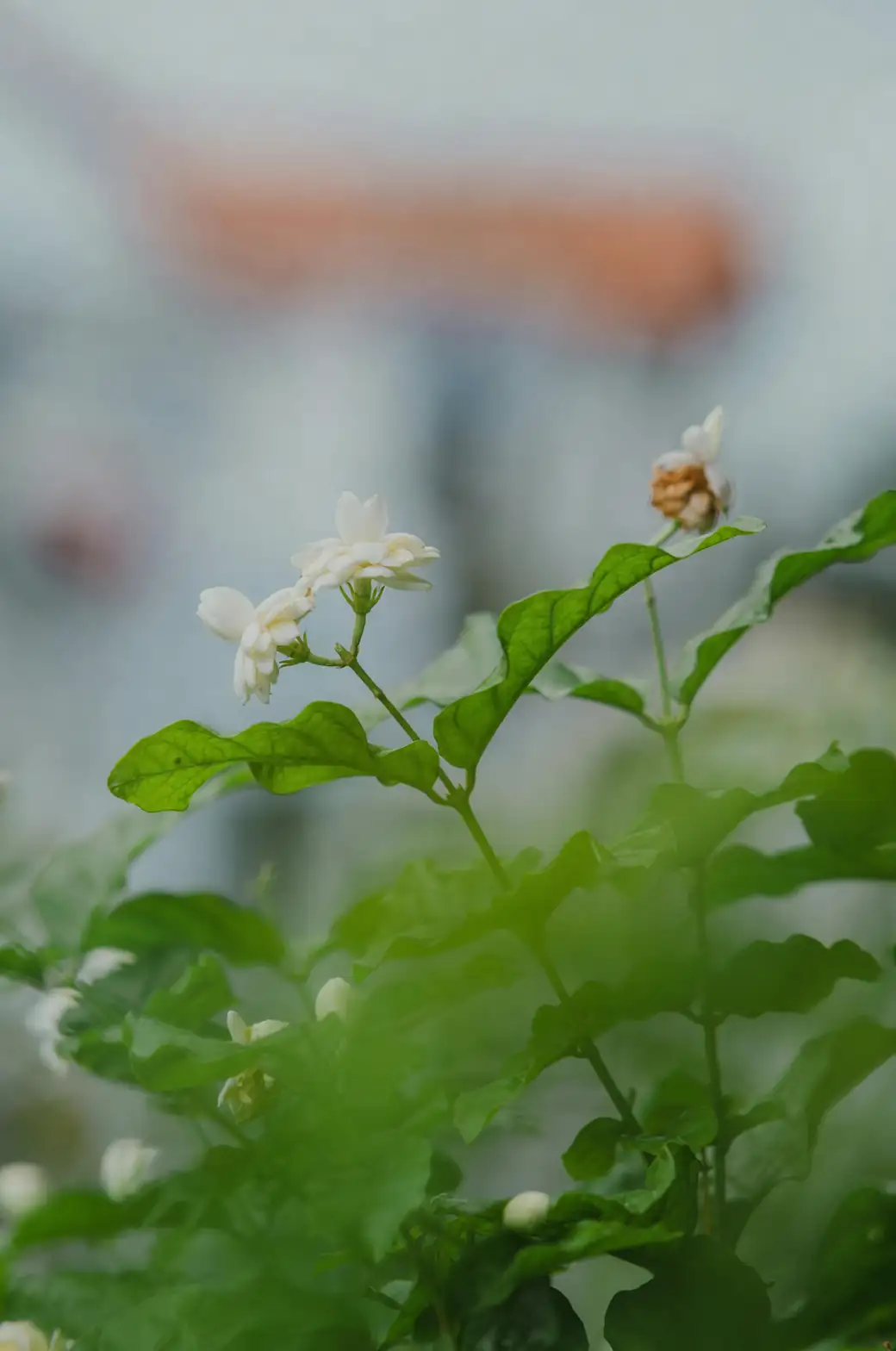
- Golden rule: Keep evenly moist during active growth—never soggy, never bone-dry. Water thoroughly until excess drains; allow the top 2–3 cm (about 1 in) to dry before the next drink.
- Summer reality check: In heat, jasmine in pots can be thirsty. Small pots may need daily watering; in extreme heat, some growers water morning and evening as needed. Always confirm with a finger test.
- Winter: Reduce—keep just lightly moist.
Suggested intervals by pot size and temperature (use as a starting point; adjust to your conditions):
- 4–6 in (10–15 cm) pot
- 18–27°C / 65–80°F: every 3–5 days
- 29–35°C / 85–95°F: every 1–2 days (daily in dry wind)
- 6–8 in (15–20 cm) pot
- 18–27°C / 65–80°F: every 3–5 days
- 29–35°C / 85–95°F: every 2–3 days
- 10–12 in (25–30 cm) pot
- 18–27°C / 65–80°F: every 4–7 days
- 29–35°C / 85–95°F: every 2–4 days
Pro tips:
- Lift test: A suddenly “feather-light” pot means water now.
- Bud insurance: Consistent moisture prevents bud drop. Erratic drought = fewer flowers.
4) Temperature and humidity sweet spot
- Heat lover: Best growth and fragrance at 25–35°C (77–95°F). Comfortable at 15–24°C (59–75°F) if light is strong.
- Overwintering: Keep above 10°C (50°F). Brief dips to ~5°C (41°F) can cause damage; near 0°C (32°F) risks severe dieback or death.
- Humidity: Prefers 50%+. Boost with:
- Pebble tray with water (pot above, not sitting in it)
- Morning misting in dry homes (avoid late-day wet leaves)
- A small humidifier near the plant
- Airflow matters: Gentle air movement reduces spider mites.
5) Feeding for flowers, not just leaves
- Growing season (spring–early fall): Feed weekly or every 1–2 weeks with a balanced fertilizer at label rates.
- If bloom is weak: Shift to a bloom-supporting formula with relatively higher phosphorus/potassium. Avoid overdoing nitrogen—it bulks leaves and starves buds.
- Optional pro trick: A very light 0.2% urea foliar spray at early bud stage in the evening can support bud development—use sparingly and avoid overuse.
6) Pruning and training that reset the bloom clock
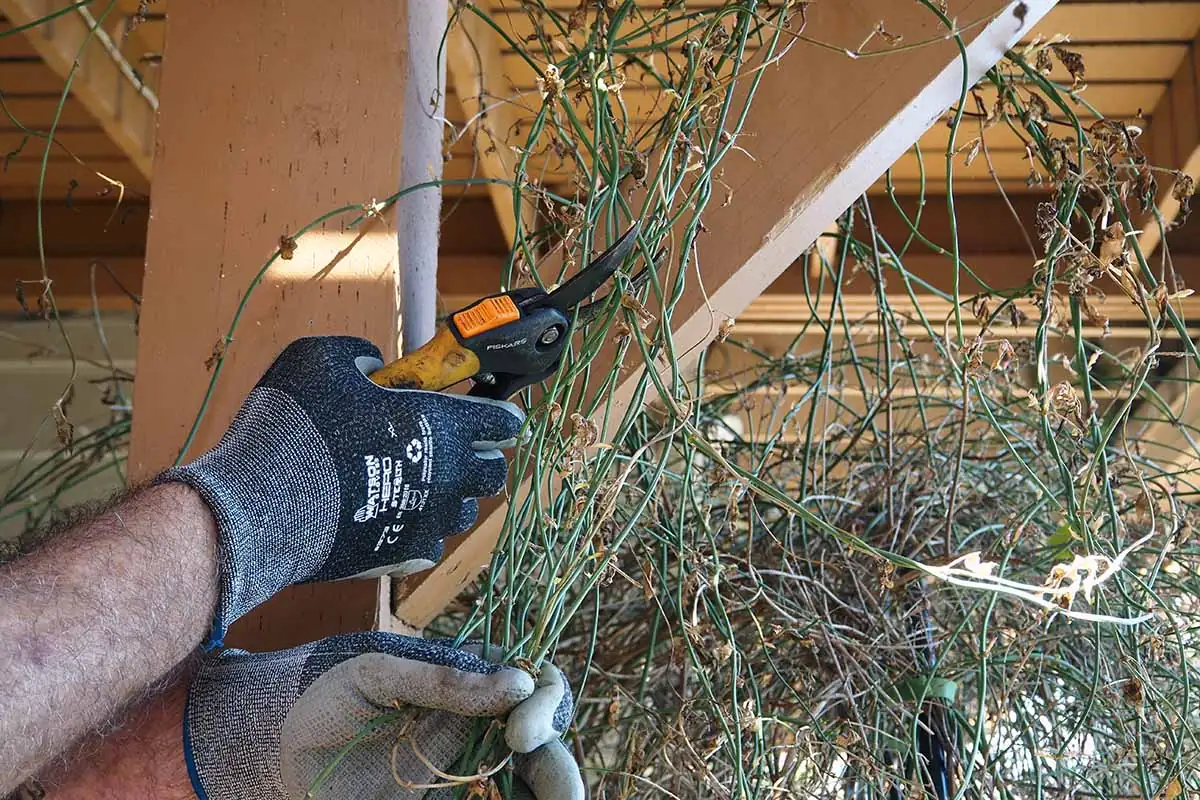
- Pinch tips after repotting to build a bushy frame.
- After a main flush of blooms: Prune back firmly to stimulate vigorous new shoots—the next buds form on that fresh growth.
- Anytime: Remove weak, crowded, damaged, or diseased stems.
- Training: Short trellis or hoop support turns it into a compact clamberer with more flowering spurs.
7) Repotting rhythm
- When: Annually in spring or right after a bloom flush.
- How: Step up only 2.5–5 cm (1–2 in) wider each time to avoid waterlogging. Refresh the mix even if you don’t size up.
- Typical home pot: 15–20 cm (6–8 in) diameter for a compact, bloom-happy plant.
Your Seasonal Calendar (Spring → Summer → Autumn → Winter)
Spring
- Light: Move to maximum sun. Indoors, clean windows; consider a grow light assist.
- Repot and refresh mix if roots circle the pot.
- Pinch tips to shape; start regular feeding.
- Begin propagation from semi-ripe cuttings.
- Water: Keep evenly moist as growth surges.
Summer
- Sun: 6–8+ hours direct for peak bloom and perfume.
- Water: Often very frequent in heat; small pots may need daily drinks. Empty saucers.
- Feed: Weekly or every 1–2 weeks. If bloom lags, switch to a bloom booster.
- Prune: Light trims after each flush to cue the next.
- Scout: Check twice weekly for spider mites, aphids, whiteflies, thrips.
Autumn
- Keep care steady while it’s still flowering.
- Before nights drop below 10°C/50°F: Move containers indoors to the brightest window.
- Reduce fertilizer as growth slows.
- Sanitation: Remove spent blooms and any yellowing leaves; final shaping prune after major flushes.
Winter
- Brightest possible light; keep above 10°C/50°F.
- Water: Lightly moist—let the top 2–3 cm (1 in) dry between waters.
- Pause or greatly reduce feeding.
- Humidity: Aim for ~50%+ to deter mites. Avoid cold drafts and icy windowsills.
Indoors vs. Outdoors: Place it like a pro
- Indoors: South or west window; rotate weekly; provide airflow (small fan on low). Avoid hot, dry radiator zones and cold glass in winter.
- Outdoors: Full sun in a warm, airy spot—balcony, patio, or a sunny bed with support.
- Hardiness: Frost tender. Best outdoors year-round in USDA Zones 10–12 (sometimes survivable in warm Zone 9 with protection). Everywhere else, grow in containers and winter indoors.
Troubleshooting: Quick wins
- Few or no flowers:
- Not enough direct sun (aim 6–8+ hours)
- Overfeeding nitrogen
- Skipped post-flush prune
- Drought swings or temperatures too cool
- Yellowing leaves:
- Nutrient stress (often nitrogen) or root/watering issues
- Chilled roots or cold drafts
- Bud drop:
- Inconsistent watering, low humidity, or sudden chills
- Pests and diseases:
- Usual suspects: aphids, spider mites (dry air!), whiteflies, scale, thrips; occasional leaf-rollers/budworms
- Response: Improve airflow, gently rinse foliage, treat early with insecticidal soap or horticultural oil; repeat as needed
- Disease watch: Fungal leaf spots or dieback in soggy, stagnant conditions—use free-draining soil, water early in the day, remove affected growth
Propagation shortcuts
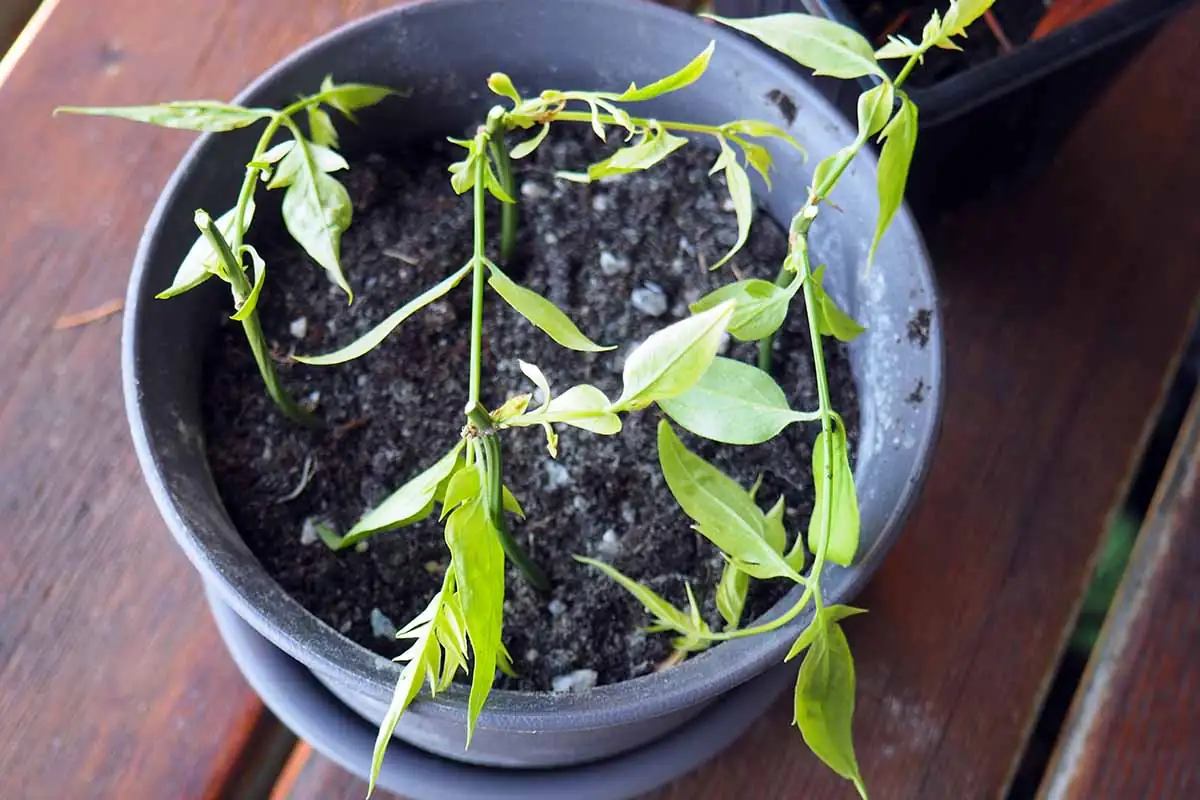
- Stem cuttings: 8–10 cm (3–4 in) semi-ripe shoots (or 15–20 cm/6–8 in softer tips). Strip lower leaves; root in a light, well-aerated medium under warm, humid conditions. Expect ~6–10 weeks to root (often ~8).
- Layering: Pin a flexible stem node into moist mix; roots often start in 2–3 weeks. Separate and pot up after ~8–10 weeks. Extra-reliable.
Varieties and uses you’ll hear about
- Flower forms: From starry singles (Maid of Orleans) to lush doubles (Belle of India, Grand Duke of Tuscany) that look like tiny white roses.
- Uses: A classic ornamental for patios, balconies, trellises, and sunny windows. Flowers are famously used to scent jasmine tea and prized in perfumery. In Hawaii (pikake) they’re woven into leis; in the Philippines (sampaguita) they’re culturally iconic.
Symbolism and “flower language”
Arabian jasmine often symbolizes love, purity, and gentle devotion—meanings shaped by centuries of ceremonial and daily use across Asia. The evening-strength fragrance likely deepened its association with romance and fidelity, while its luminous white petals suggested purity in weddings and religious offerings. These meanings are cultural, not botanical “facts,” but they explain why a small potted shrub can feel like a living heirloom: give it sun and a good haircut, and it repays you with devotion in bloom.
Safety notes
- Generally considered low-toxicity and widely used for scenting tea (from the flowers). Still, discourage pets and children from chewing any plant—sensitive individuals may experience mild stomach upset.
- Traditional cautions note the root may be unsafe to ingest. Avoid medicinal/internal use without qualified guidance.
One-minute recap
- Light: 6–8+ hours direct sun.
- Water: Evenly moist in growth; small pots may need daily drinks in heat. Let the top 2–3 cm (1 in) dry between waters.
- Soil: Rich, free-draining, pH 6.5–7.5.
- Humidity: 50%+ with good airflow.
- Feed: Weekly or every 1–2 weeks spring–early fall; avoid excess nitrogen.
- Prune: After each main flush to trigger the next.
- Winter: Bright light, above 10°C/50°F, lighter watering.
Follow the cycle, and your Jasminum sambac will keep the fragrance coming—flush after flush.


