
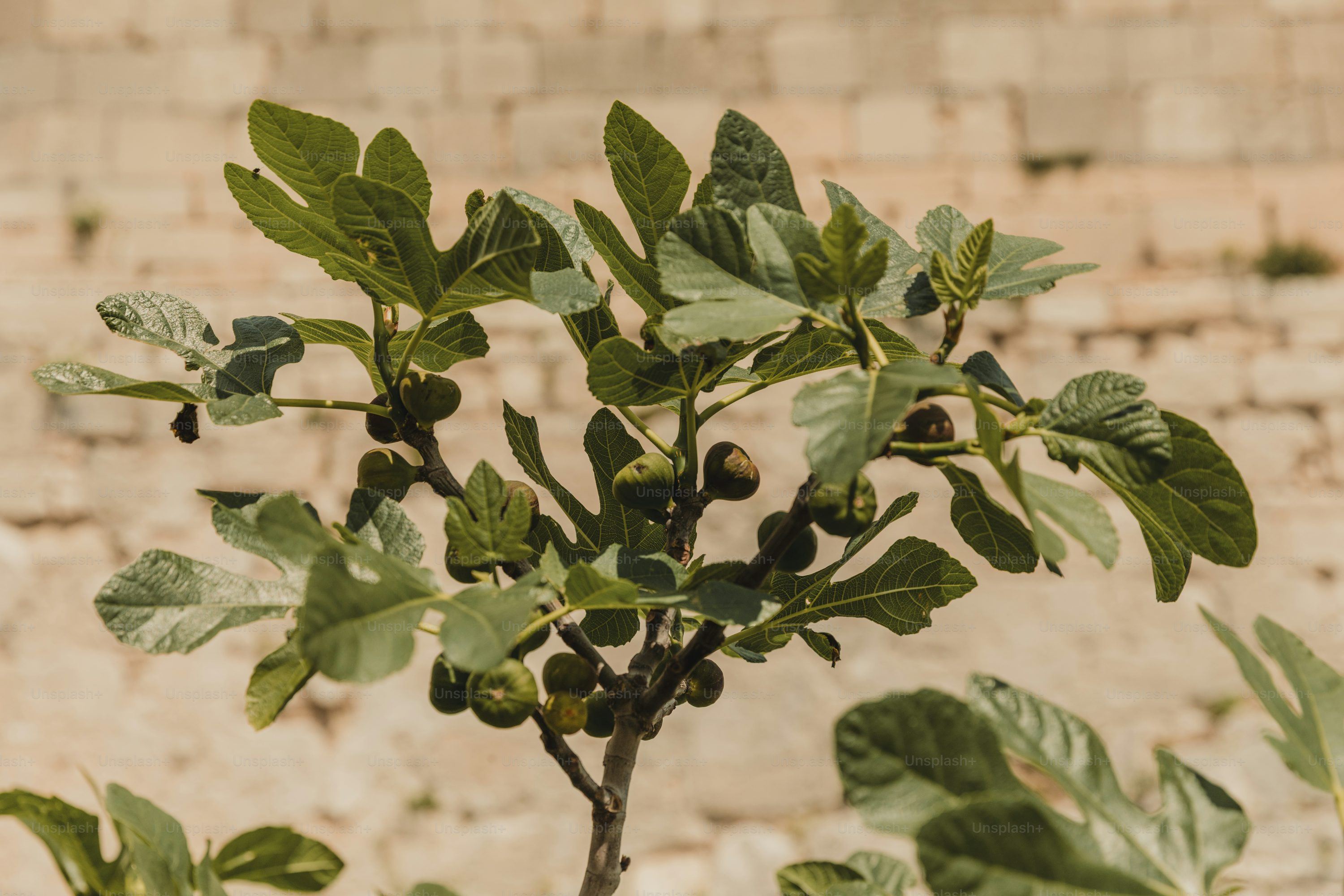
If you’ve ever bitten into a sun‑warm fig and thought, “I want this on my own patio,” you’re in luck. Ficus carica—Common Fig—is one of the most forgiving, fruitful plants you can grow. Deciduous, handsome, and self-fertile, it slumbers through winter, then wakes to deliver a possible early “breba” crop in late spring to early summer and a main crop in late summer to fall. Here’s your upbeat, practical roadmap to light, watering rhythms, feeding, and smart tweaks whether your fig lives in a roomy backyard or a big container.
Meet Ficus carica: Ancient, easy, and generous
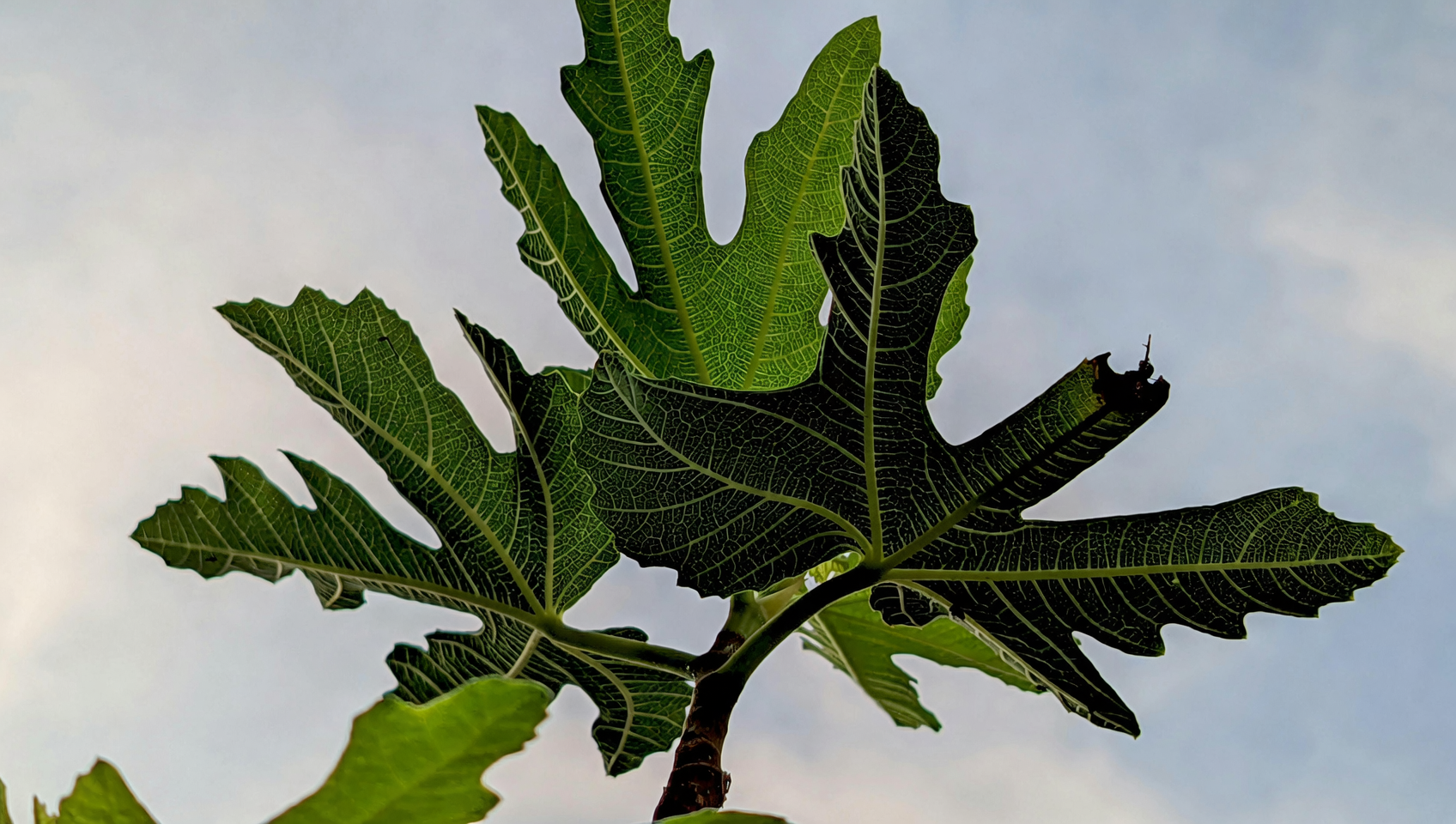
- Identity: Common Fig (Ficus carica), family Moraceae; a broad, branching tree or large shrub with bold, lobed leaves and a Mediterranean vibe.
- Origin: Native to the Mediterranean and parts of western and southern Asia. Cultivated for millennia.
- Size and habit: Typically 10–30 ft tall and about as wide, easily held smaller by pruning—especially in containers.
- Secret flowers: The “flowers” hide inside each fig’s syconium (that pear‑shaped structure you eat). Most garden varieties set fruit without pollination.
- Cropping: Many cultivars can give two harvests—breba in early summer on last year’s wood, main crop in late summer to fall on new growth.
Light: The sugar‑engine
Figs are sun worshippers. More sun equals more sweetness and better yields.
- Aim for full sun: 6–8+ hours of direct light daily.
- Cool summer regions: A south‑facing wall boosts reflected heat and ripening.
- Container tip: Roll pots to the sunniest, heat‑retaining spot on your patio.
Soil and site
- Drainage first: Figs adapt to loam, sandy, or even some clay if drainage is solid. Avoid waterlogged sites.
- pH: Slightly acidic to neutral (about 6.0–7.5).
- Enrich: Mix in compost or well‑rotted organic matter at planting.
- Hardiness: Generally USDA Zones 7–10; some cold‑hardy types (e.g., ‘Chicago Hardy’) manage Zone 6 with protection or dieback/regrow behavior.
Watering rhythms: From leaf‑out to last fig
Think “steady, deep, and never soggy,” with extra attention while fruit is swelling.
- First year (establishment):
- Keep soil evenly moist but not wet. Let the top couple inches dry slightly between waterings.
- Mulch 2–3 inches deep (keeping a gap around the trunk) to buffer swings.
- Established, in-ground:
- In dry weather, deep water roughly every 10–14 days. Adjust for heatwaves and soil type.
- During fruit swell (breba and main), keep moisture consistent to prevent drop or splitting.
- Containers:
- Pots dry fast—check often. Water when the top 2–3 inches feel dry.
- In hot spells, large containers may need watering every 1–3 days.
- Ensure excellent drainage holes; never let a pot sit in a saucer of water.
Pro move: Water deeply, then allow a modest dry‑down. Erratic wet‑dry swings right as figs plump can trigger split fruit.
Feeding for fruit (not just leaves)
Figs are moderate feeders. You’re aiming for balanced energy in spring, careful top‑ups in summer, and restraint late season.
- Spring start:
- As growth resumes, apply a balanced fertilizer such as 8‑8‑8 or 10‑10‑10 at label rates.
- If last year’s new growth was under ~12 inches, your tree likely benefits from feeding. If growth was strong, go lighter or skip.
- Young trees and containers (spring–summer):
- Some growers use a slightly higher‑nitrogen feed every ~4 weeks in spring and early summer to build framework.
- Do not overdo nitrogen; too much = lush leaves, fewer figs.
- Mid to late summer:
- Favor light, balanced feeding only if needed (containers leach nutrients faster).
- Avoid pushing late, heavy nitrogen; let the plant ripen wood and fruit.
Your fig’s year: A season‑by‑season playbook
Late winter to early spring (dormant to bud‑break)
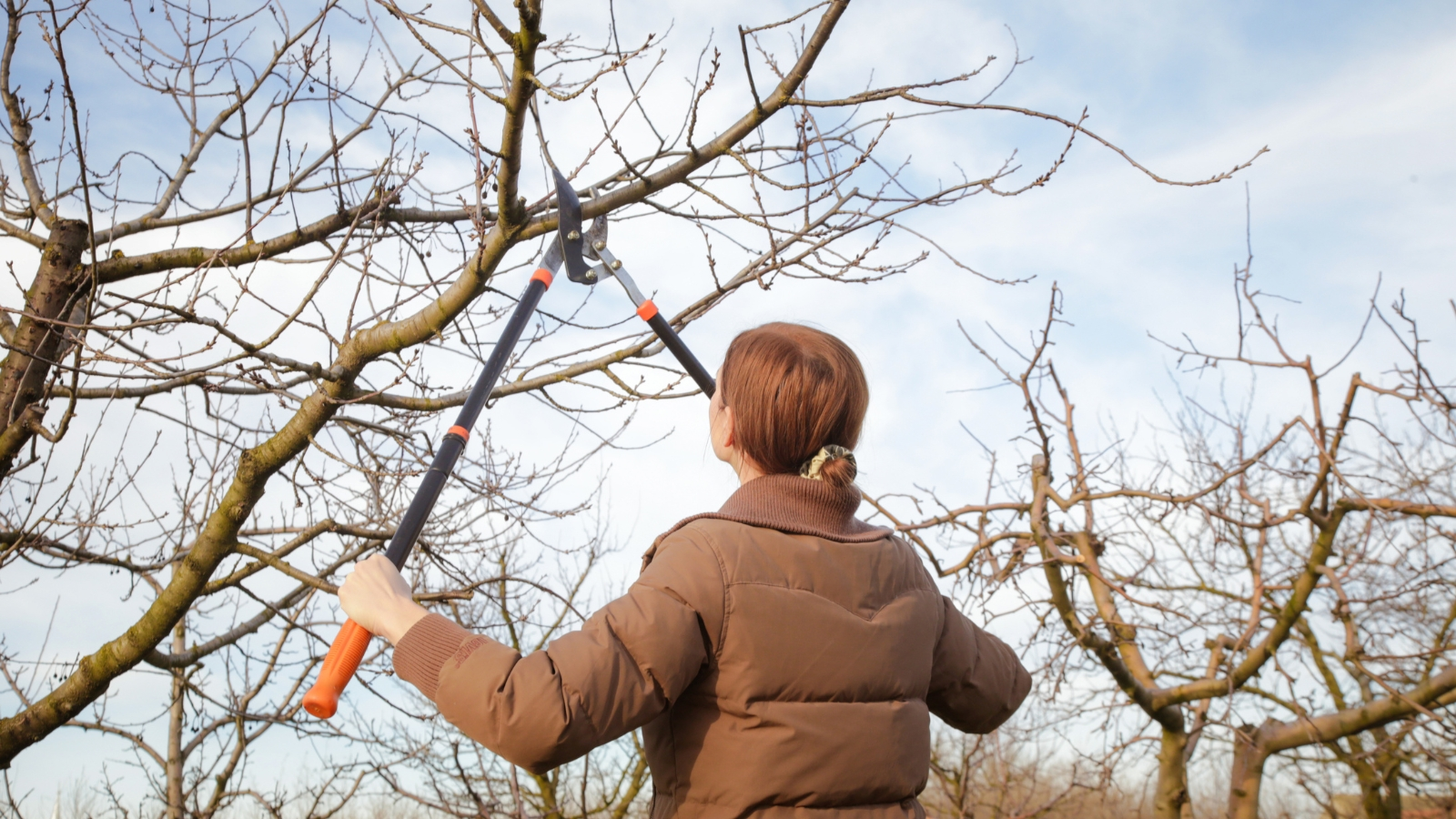
- Prune while dormant: Remove dead, diseased, or crossing wood. Choose your structure (single trunk or multi‑stem) and open the canopy.
- Gloves on: Milky sap can irritate skin.
- Feed once growth starts.
- Plant new trees as soil warms and drains.
Spring to early summer (breba season for two‑crop types)
- Light needs: Full sun is crucial for early sweetness.
- Water: Keep evenly moist as brebas swell.
- Container tweak: Step up watering as leaves expand; wind and warm patios accelerate drying.
- Harvest: Brebas (if your variety sets them) ripen in early summer.
Mid to late summer (main crop swell)
- Water: Stay consistent; deep, regular watering sustains plump, split‑free fruit.
- Feed: Light touch only if needed, especially for potted trees.
- Bird pressure: Netting or choosing green‑when‑ripe cultivars (e.g., ‘Kadota’) helps.
Fall (main crop finish and wind‑down)
- Harvest: Main crop ripens late summer into fall.
- Water: Gradually reduce as growth slows and nights cool.
- No heavy feeding now—focus on ripening wood before dormancy.
Winter (rest and protection)
- In-ground: In colder zones, wrap trunks/branches or create windbreaks. Some dieback is possible in hard freezes; plants often resprout.
- Containers: Move to a sheltered, cold but frost‑protected spot (garage, shed). Water sparingly to prevent total dry‑out.
Container vs. in‑ground: What to tweak
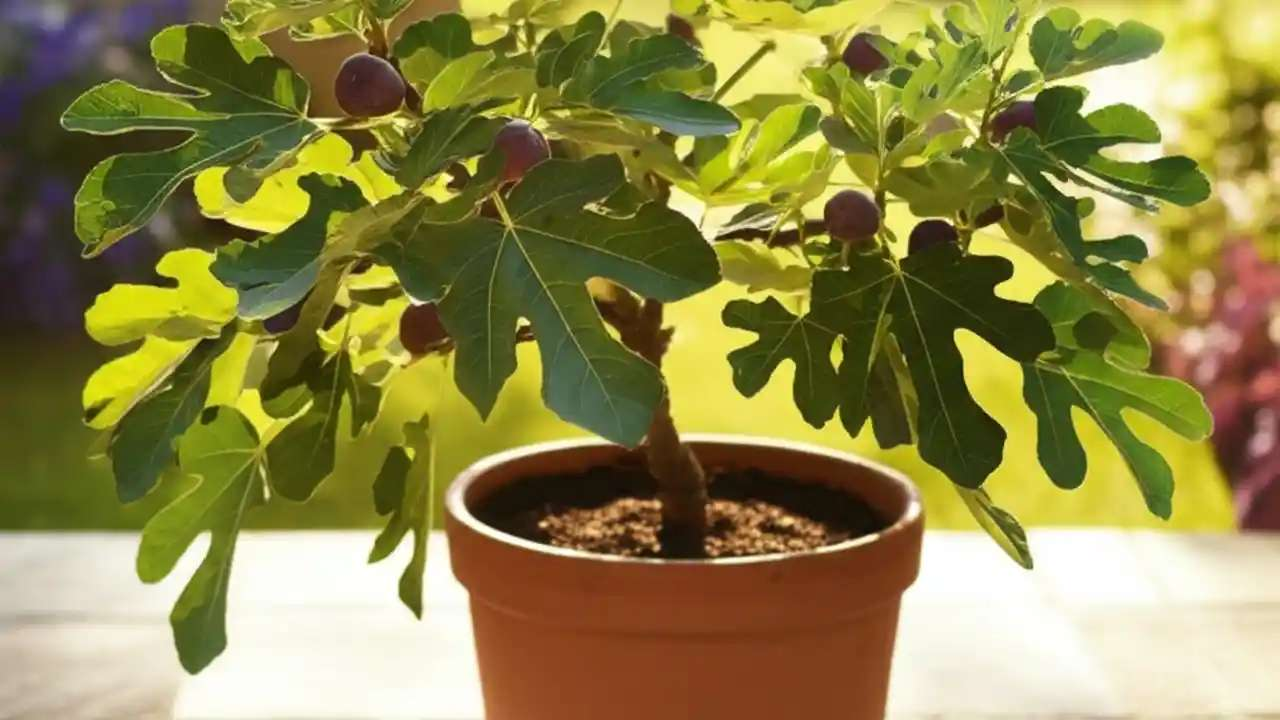
Containers: Patio figs on tap
- Pot size and mix:
- Start in a 5–10 gallon, upsize to 15–25+ gallons for production.
- Use a high‑quality, well‑drained potting mix with added compost; avoid heavy garden soil.
- Watering: More frequent checks; hot, windy days may require daily water.
- Feeding: Smaller, more frequent doses (slow‑release granules in spring plus occasional dilute liquid feed) work well.
- Root and soil refresh:
- Repot when roots circle the pot. Every 2–3 years, root‑prune lightly and refresh the mix to keep yields high.
- Mobility: Roll to the sunniest microclimate; overwinter in a protected spot in cold regions.
In-ground: Bigger canopy, bigger crops
- Planting:
- Full sun, well‑drained soil, compost added, mulch wide (not against the trunk).
- Watering:
- Deeply but less often once established; maintain consistency during fruit swell.
- Fertility:
- Feed only if yearly growth is weak; many garden soils support strong figs with modest inputs.
- Space and training:
- Give room (10–20 ft, depending on your pruning). Open centers and fan‑trained forms against a warm wall are both excellent.
Pruning and training for two crops
- When: Prune in dormancy (late winter to early spring).
- Goals:
- Maintain an open, sunlit canopy.
- Decide on single‑trunk “tree” or multi‑stem “shrub” form.
- Remove suckers if you want a tree shape; keep some if you prefer a bush.
- Two‑crop nuance:
- Brebas form on last year’s shoots. Preserve a portion of 1‑year‑old wood if your variety produces brebas.
- The main crop forms on new season’s growth—encourage healthy, well‑lit shoots.
- Tip: Light summer tip‑pinching can manage vigor in containers, but save structural cuts for dormancy.
Pollination, climate, and expectations
- Flowers you can’t see: Tiny blooms develop inside the fig’s syconium.
- Pollination: Many home varieties set fruit without pollination. Some specialized types need fig wasps, but those are not the usual backyard choices.
- Climate fit:
- Best in warm, temperate zones with long summers.
- With protection, brief cold snaps to around 15°F (−9°C) can be survived, though hard freezes may cause dieback.
- In humid climates, choose proven cultivars and keep airflow up to minimize rust and fruit splitting.
Troubleshooting: Leaves, fruit, and friends who steal
- Yellowing leaves:
- Check moisture swings and drainage first.
- Consider nutrient balance or disease (e.g., rust shows as yellowing with spots).
- Fruit splitting:
- Most often moisture swings or heavy humidity near ripening—keep water steady and ensure good drainage.
- Pests and diseases:
- Watch for fig rust, leaf spot, anthracnose on fruit, and stem cankers.
- Nematodes (in some soils) cause root swellings and poor vigor; containers or raised beds can help.
- Borers, carpenter worms, and sap beetles occasionally appear.
- Prevention: Sanitation (remove fallen leaves and fruit), avoid overhead watering, maintain airflow. Copper‑based fungicides are sometimes used for rust where appropriate.
- Wildlife:
- Birds love ripe figs—use netting or grow green‑when‑ripe types to reduce raids.
Safety note
- The milky latex in leaves, stems, and unripe fruit can irritate skin; wear gloves when pruning.
- Keep pets from chewing leaves or unripe fruit, which can upset them.
Choosing a variety
- Reliable all‑rounders: ‘Brown Turkey’ (adaptable), ‘Celeste’ (dependable), ‘Black Mission’ (rich flavor), ‘Kadota’ (great for preserves, green‑when‑ripe), ‘Chicago Hardy’ (cold‑tolerant).
- For containers: Compact selections and naturally smaller growers are easiest to manage. Ask for varieties noted for pot culture and your local climate.
Harvest like a pro
- Ready signs:
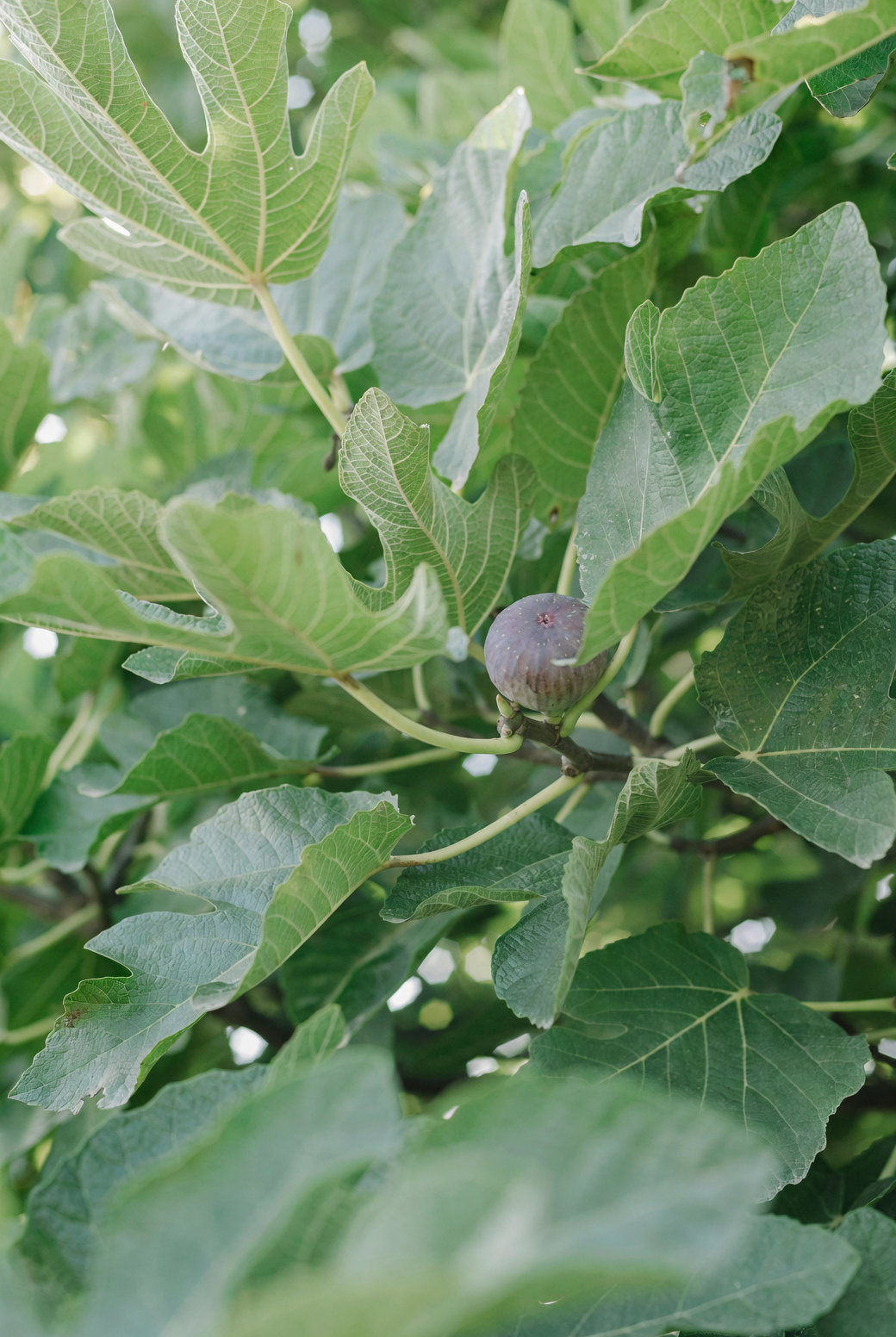
- Fruit softens and droops at the neck; skin takes on full variety color (or stays green for green‑when‑ripe types).
- A subtle crackle on the skin or a bead of syrup near the eye can mean “now.”
- Pick gently and often:
- Ripe figs don’t store long—enjoy fresh, then dry or jam the overflow.
A brief note on symbolism (flower language)
Across the Mediterranean and Western Asia, figs have long symbolized abundance, fertility, peace, and knowledge—values tied to their generous crops, shade‑giving canopies, and starring roles in religious and cultural stories. The “flower language” here isn’t about petals (fig flowers are hidden), but about centuries of human experience: a tree that reliably feeds, shelters, and returns each year has come to embody provision and prosperity.
Quick start checklist
- Sun: 6–8+ hours of direct light.
- Soil: Well‑drained, pH ~6.0–7.5, enriched with organic matter.
- Water: Even moisture while establishing and during fruit swell; deep but infrequent for mature in‑ground trees; frequent checks for pots.
- Feed: Balanced fertilizer in early spring; light, periodic feeding for young or container plants; don’t overdo nitrogen.
- Prune: In dormancy; open, well‑lit structure; keep some 1‑year‑old wood if you want a breba crop.
- Protect: Shelter or wrap in cold zones; overwinter containers in a protected spot.
Grow a fig tree once, and you’ll wonder why you waited. With sun on its leaves, steady soil moisture, and a measured hand on the fertilizer bag, Ficus carica pays you back from spring’s first breba to fall’s last, honeyed main‑crop jewel—whether it’s rooted in the garden or fruiting on your patio.