
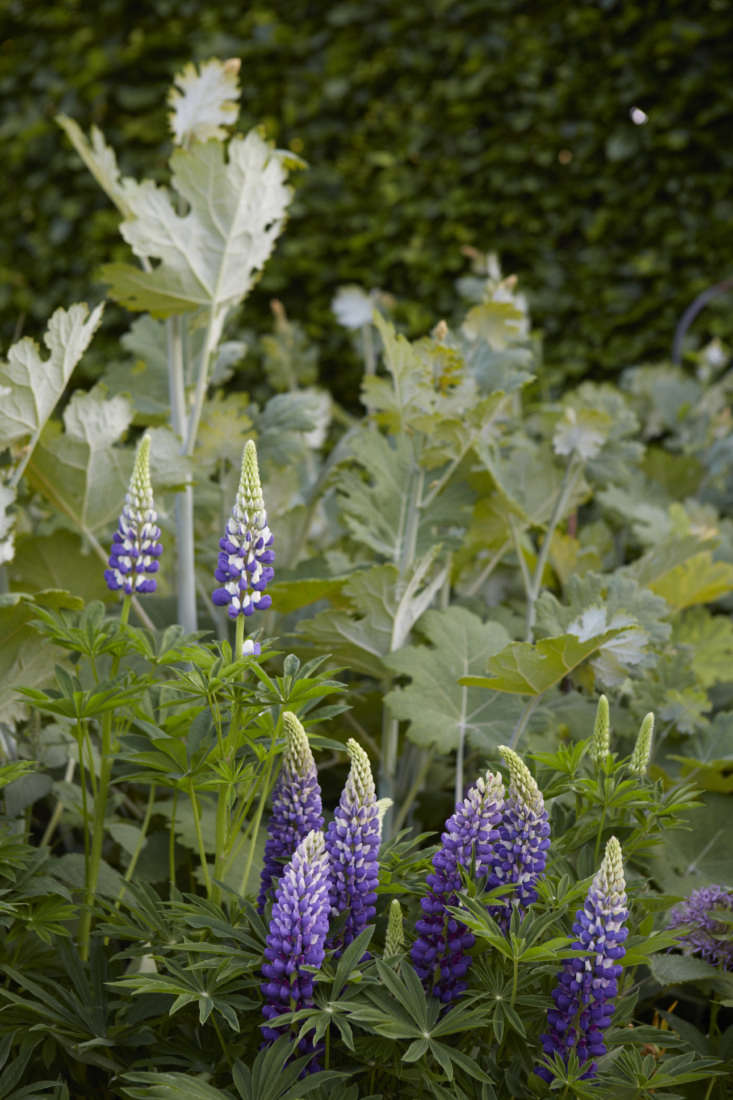
You don’t grow Lupinus polyphyllus to whisper. You grow it for a chorus—bold, candle-like spires that pull the eye from across the garden. In cool-summer regions it’s a dream: richly colored, pollinator-magnet blooms over handsome fan-shaped leaves, with the chance of an encore if you time your shears just right. Here’s a crisp, confidence-boosting care roadmap to get the best from bigleaf (garden) lupine.
Snapshot: What you’re growing
- Botanical name: Lupinus polyphyllus (bigleaf/garden lupine; includes many Russell hybrid forms)
- Family: Fabaceae (pea family; nitrogen-fixing legume)
- Native range: Western North America, especially the Pacific Northwest; widely cultivated and naturalized elsewhere
- Size: Usually 24–48 in tall and 12–24 in wide; flower spikes can reach ~60 in in great conditions
- Hardiness: USDA Zones 4–8 (often happiest in 4–6)
- Bloom window: Spring to early summer; potential small second flush with prompt deadheading
- Habit: Herbaceous perennial with a strong taproot—dislikes disturbance
Light targets: sun that matches your climate
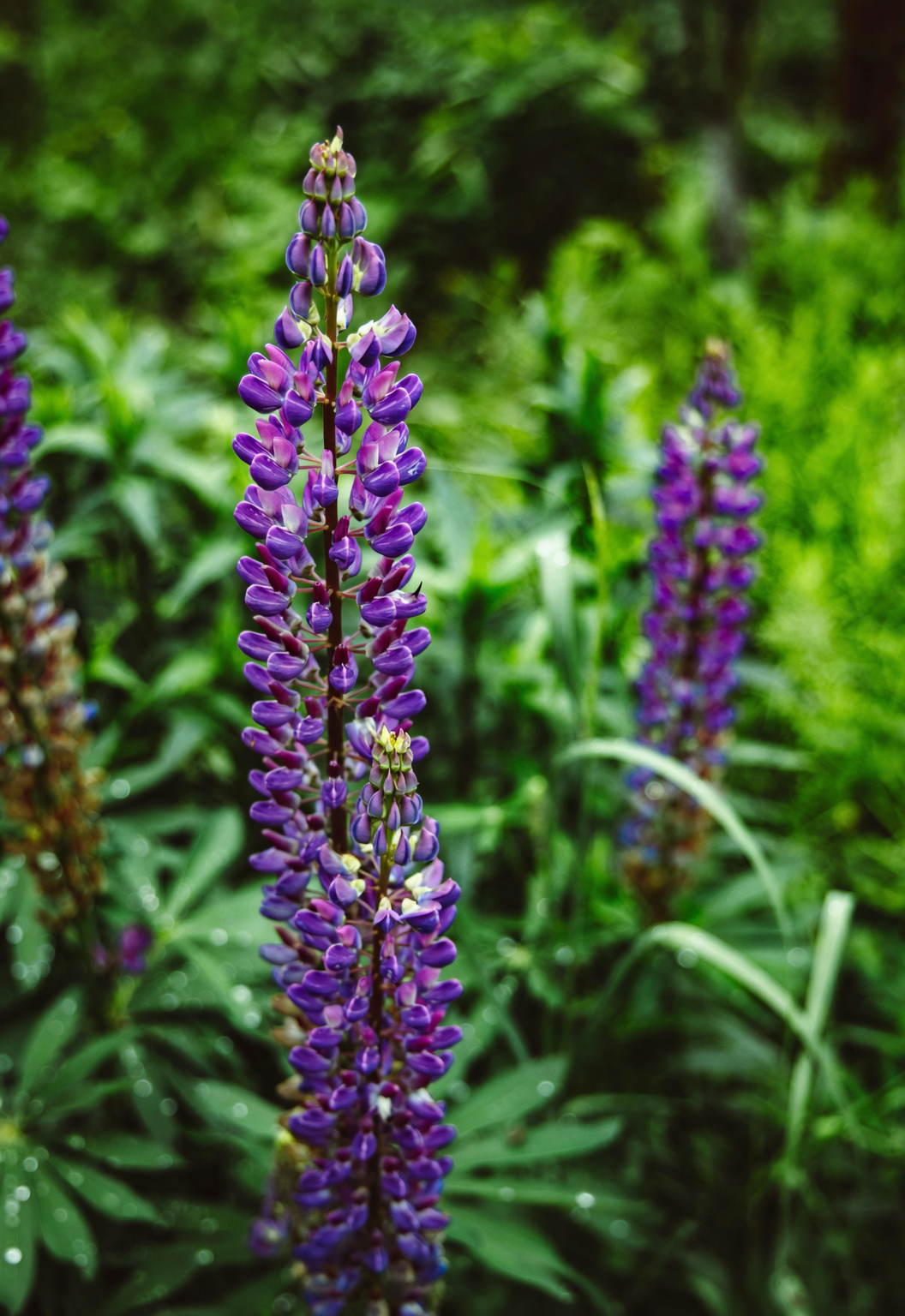
- Cool-summer climates (its sweet spot): Full sun for best spikes—aim for 6–8+ hours daily.
- Warmer or southern regions: Morning sun with light/afternoon shade prevents heat stress; avoid deep shade or you’ll get leaves, not flowers.
- Airflow matters: Space plants so breezes pass through; stagnant, shaded corners invite powdery mildew.
Tip: On a south- or west-facing site in warm zones, give dappled afternoon shade from an open-canopy shrub or fence shadow.
Watering rhythms by season
Lupine likes “moist but moving” soil: even moisture during active growth, never waterlogged. The taproot appreciates depth; the crown resents soggy feet.
In garden beds
- Late winter (Jan–Mar): Keep soil barely to lightly moist; excellent drainage is critical.
- Spring peak (Apr–Jun): Steady moisture as foliage surges and spikes build. Water when the top inch is dry—roughly weekly in average spring weather, more often in sandy soils or wind.
- Summer (Jul–Aug): After the main show, maintain consistent—not excessive—moisture to help the crown recover and fuel any rebloom. In hot spells, pair watering with afternoon shade.
- Fall–early winter (Sep–Dec): Gradually reduce; keep soil from staying saturated. Light mulch in cold climates helps even out swings but don’t bury the crown.
In containers
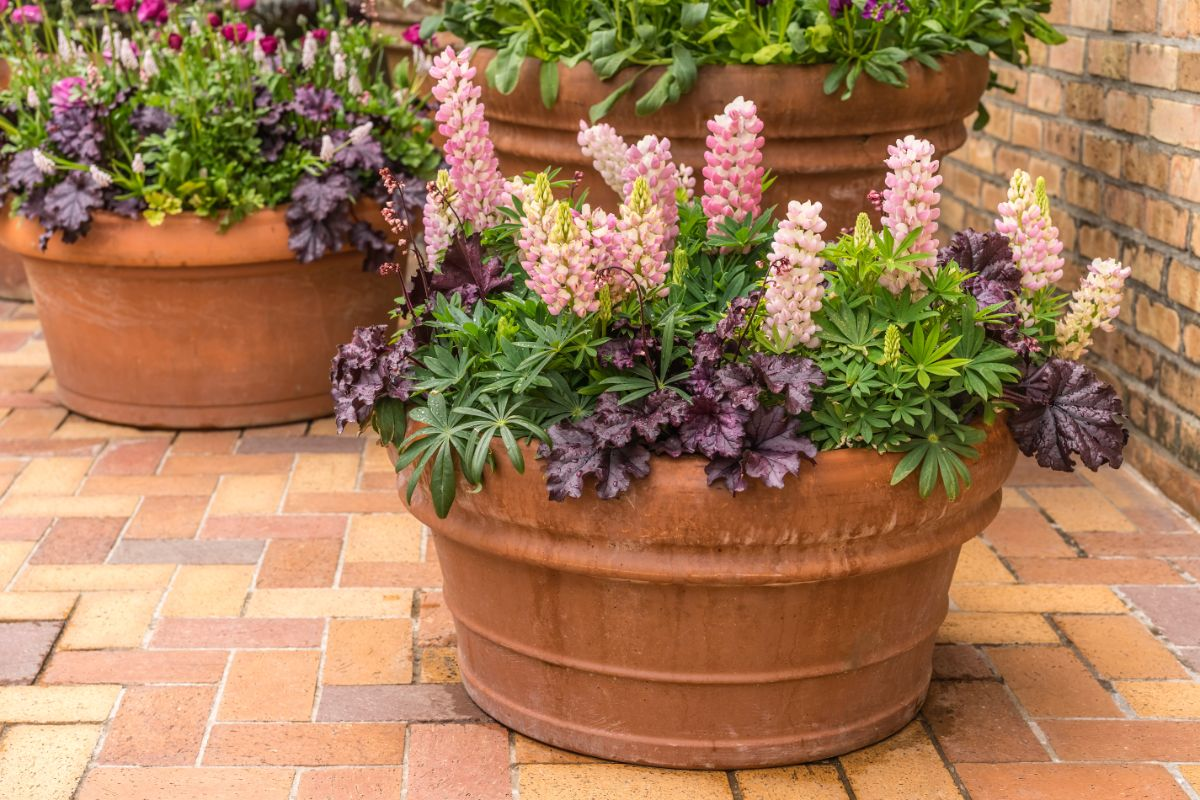
Drainage is everything. Use a deep pot and a fast-draining mix.
- Spring: Expect about 2 times per week, guided by how quickly the mix dries.
- Warm spells: Often up to ~3 times per week, especially in wind or sun.
- Tactics: Water at the soil line (not over the spikes) and aim for morning sessions to dry foliage by evening.
Watering red flags
- Sudden midday collapse with wet soil = possible root/crown rot; improve drainage and let the root zone breathe.
- Chronic droop only in hottest hours but perky by evening = heat stress; add shade, not more water.
Soil recipe, pH, and drainage
- Texture: Well-drained sandy or loamy soil; raised beds or berms help on heavy sites.
- pH target: Slightly acidic, about 5.5–6.5.
- Prep for clay: Open the profile with coarse grit or sharp sand plus plenty of fine bark/leaf mold; avoid trapping water with only top-dressing compost.
- Fertility: Keep it lean. Rich, nitrogen-heavy soils push leaves over flowers.
Pro move: Lupines partner with rhizobia to fix nitrogen. You rarely need to feed in-ground plants if your drainage and light are right.
Feeding: less is more
- In-ground: Often none needed. If growth is weak, use a light, balanced feed or a thin layer of compost—sparingly.
- Bud-build boost: A low-nitrogen, bloom-leaning fertilizer once or twice before flowering can support spike development.
- Containers: Light feeding every ~2 weeks during active growth with a low-N formula keeps performance up without leaf bloat.
Avoid heavy nitrogen—lush foliage, fewer flowers.
Pruning and deadheading: timing the bonus bloom
For a second, smaller flush in cool-summer gardens, timing is everything.
- Watch the spike: As lower florets finish and the middle third fades, don’t wait for pods to swell. Cut the entire spent spike back to just above a healthy whorl of leaves.
- Don’t delay: Seed set diverts energy. Prompt removal often triggers side spikes from lower nodes.
- Aftercare: Water evenly and keep nitrogen low; a light bloom-leaning feed can help.
- Season’s end: When foliage yellows in fall, cut stems back near ground level.
Want seeds instead? Let the pods mature and dry on the plant—but you’ll forgo the encore.
Planting and propagation
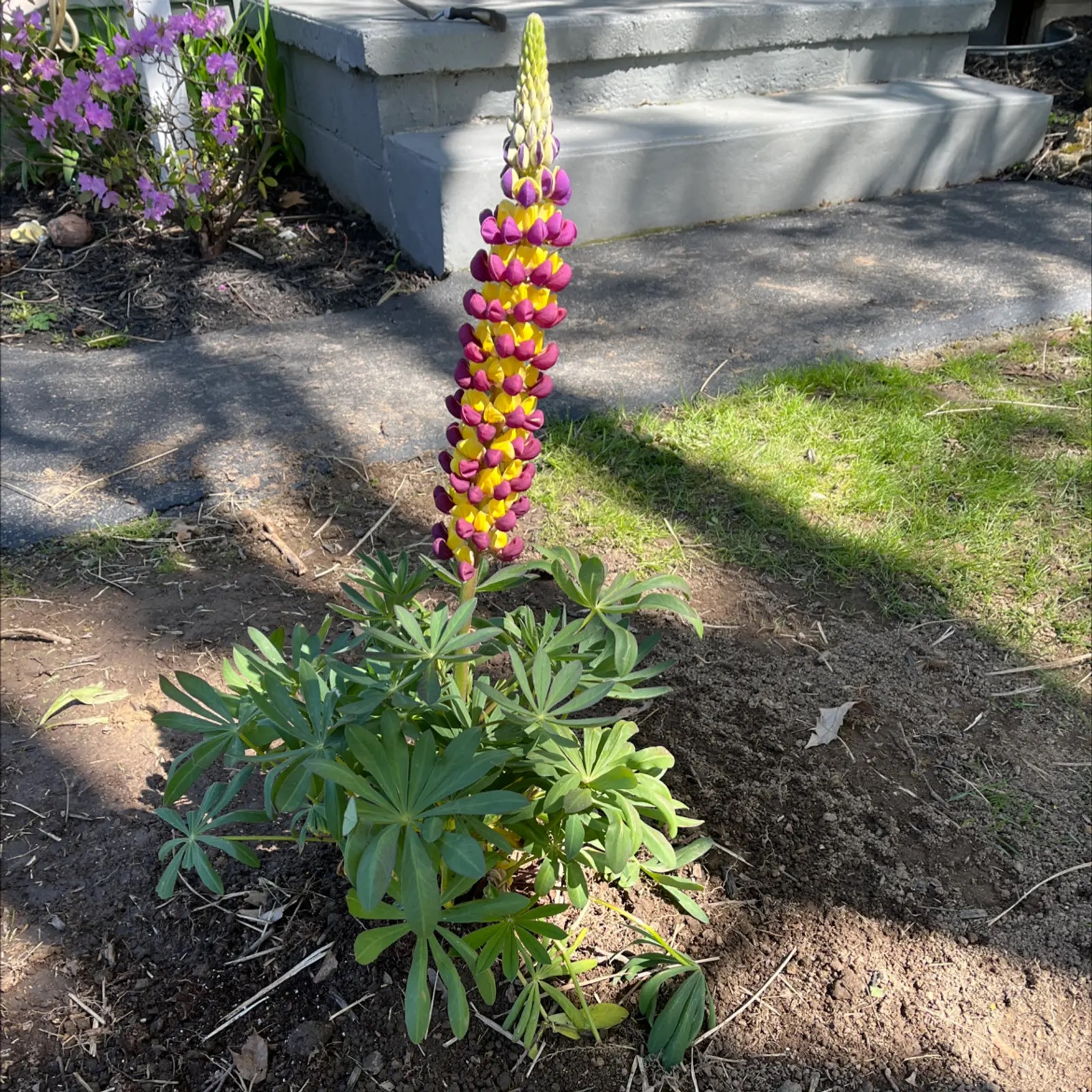
- When to plant: Early spring in cool weather or sow directly in autumn (often October) for natural stratification.
- From seed (most common):
- Scarify (nick with a file or sand lightly) or soak in warm water 24–48 hours.
- Sow 0.8–1.2 in deep; keep evenly moist.
- Germination: About 3 weeks.
- Spacing: Thin to 12–16 in.
- Note: Many hybrid (Russell-type) seedlings won’t bloom true to color.
- Division: Possible in spring or after flowering, but go gently—taproots don’t like rough handling.
- Basal cuttings: Take firm shoots in spring from select plants.
Transplanting caution: Move only when young and keep the root ball intact.
Containers and placement
- Pot choice: Deep container to accommodate the taproot; generous drainage holes.
- Mix: A gritty, peat-free professional mix or loam + coarse sand/grit + fine bark for fast flow-through.
- Repotting: Best in early autumn or when young plants just fill their pots; avoid disturbing established clumps.
- Placement: Back-of-border drama, pathside punctuation, meadow-style drifts. Compact cultivars shine on bright patios—where air can move.
Seasonal care calendar (quick guide)
- Jan–Mar: Keep barely to lightly moist; protect crowns from saturation.
- Apr–Jun: Peak growth/bloom—steady moisture; stake if windy; deadhead promptly; scout for aphids/thrips.
- Jul–Aug: After main bloom—continue deadheading; add afternoon shade in hot spells; maintain consistent moisture but avoid soggy soil.
- September: Refresh container mix; careful division if needed.
- Oct–Dec: Direct-sow seed; ensure excellent winter drainage; light mulch in cold zones.
Pests, diseases, and easy fixes
- Aphids (including lupin aphid): Distorted shoots and sticky residue. Remedy early with a strong water spray, insecticidal soap, or horticultural oil.
- Slugs/snails: Chew young rosettes—use traps, barriers, or night patrols.
- Powdery mildew: Common in humid, still air. Space plants, water at soil level, remove badly infected leaves.
- Leaf spots/rust: Improve airflow, avoid overhead watering late in the day.
- Crown/root rot: The preventer is drainage. Raise the planting, lighten the soil, and water only when the top inch dries.
Safety note
All parts—especially seeds—are toxic if ingested due to bitter quinolizidine alkaloids. Keep away from children, pets, and grazing animals. Edible “sweet lupin” foods come from different, specially bred low-alkaloid types—don’t experiment with ornamental garden lupines.
Design and cutting tips
- Color play: Mix cool blues, violets, and whites for a mountain-meadow mood; add a few hot pinks/reds for fireworks.
- Companions: Pair with foxglove, columbine, ornamental grasses, and early roses that appreciate similar conditions.
- For the vase: Cut when about half the florets on a spike are open; sear stem ends briefly in hot water if desired and place in cool, clean water. Remove lower leaves to keep the vase fresh.
Symbolism and “flower language”
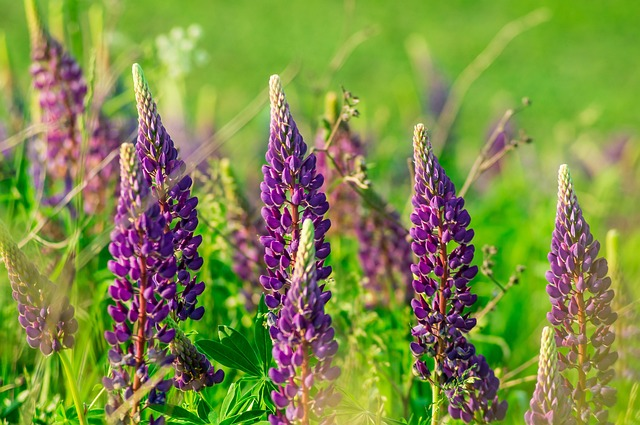
Lupine has long been tied to imagination, creativity, and a buoyant kind of happiness—likely inspired by its sudden spring ascent and kaleidoscope of colors. The genus name comes from Latin “lupus” (wolf), born of an old myth that lupines “wolfed down” soil fertility. Ironically, they enrich poor soils through nitrogen fixation, a reminder that appearances can mislead. Some folk traditions also tag lupine with “voraciousness”—a shadow to its cheerful display—underscoring how abundance can be read as excess. In gardens, most of us read it the sunny way: generosity in bloom.
Quick answers to common questions
- Why won’t my lupine bloom?
- Too much shade, overly rich/high-nitrogen soil, heat stress, or simply youth. Give strong sun (with afternoon shade in hot areas), leaner soil, and avoid nitrogen-heavy fertilizer.
- Can I transplant lupines?
- They dislike it. Move only when young and keep the root ball intact. Otherwise, sow where you want them or start fresh plants.
- How do I get a second round of flowers?
- Deadhead promptly—cut the spike before pods form. In cool-summer climates this often sparks a smaller repeat bloom.
- Can garden lupine be eaten?
- No. Ornamental lupine seeds and plants are toxic. Only verified low-alkaloid “sweet lupin” types—properly processed—are used for food.
Buying smart
Choose plants with a symmetrical, healthy basal rosette and clean green leaves—no mildew or spotting. Avoid pot-bound stock (taproot alert). Buying in bloom? Pick sturdy, upright spikes; for cutting, choose stems with about half the florets open.
With the right light, a steady spring watering rhythm, lean acidic soil that drains fast, and sharp timing on deadheading, Lupinus polyphyllus will reward you with traffic-stopping spires—and, in cool summers, a delightful second act.