

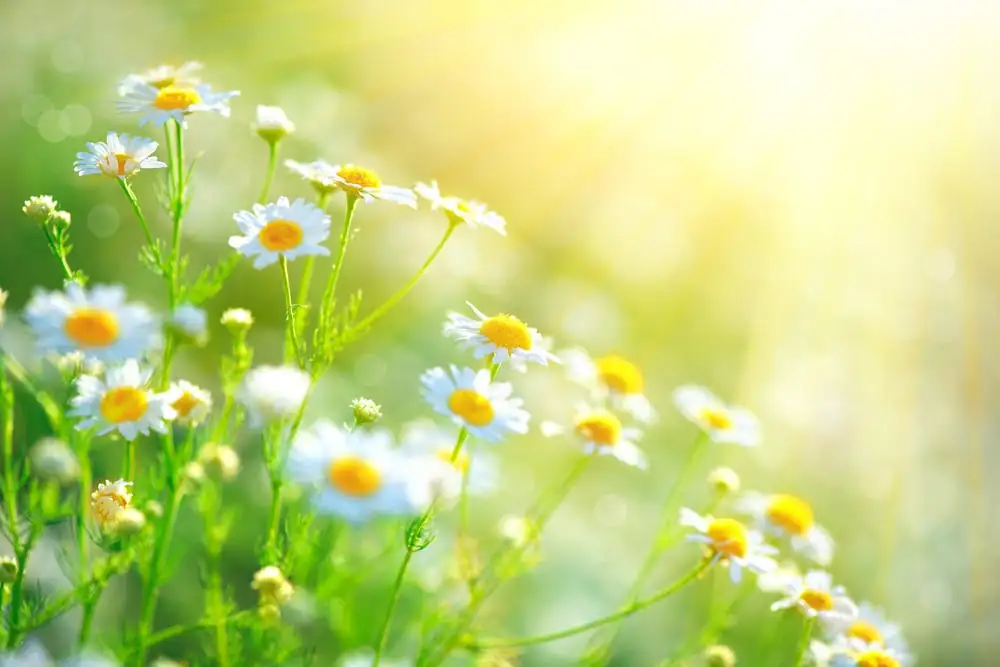
If you can brew a cup of chamomile tea, you can grow the plant that fills it. The trick is a quick, repeatable routine—sun, drainage, simple watering rhythm—plus one well-timed shear to set off a second flush of flowers. Here’s a fast path to lush, apple-scented blooms whether you’re growing German chamomile (Matricaria chamomilla), the upright annual tea workhorse, or Roman chamomile (Chamaemelum nobile), the low, perennial groundcover that turns paths into fragrant ribbons.
The foolproof 5‑minute routine
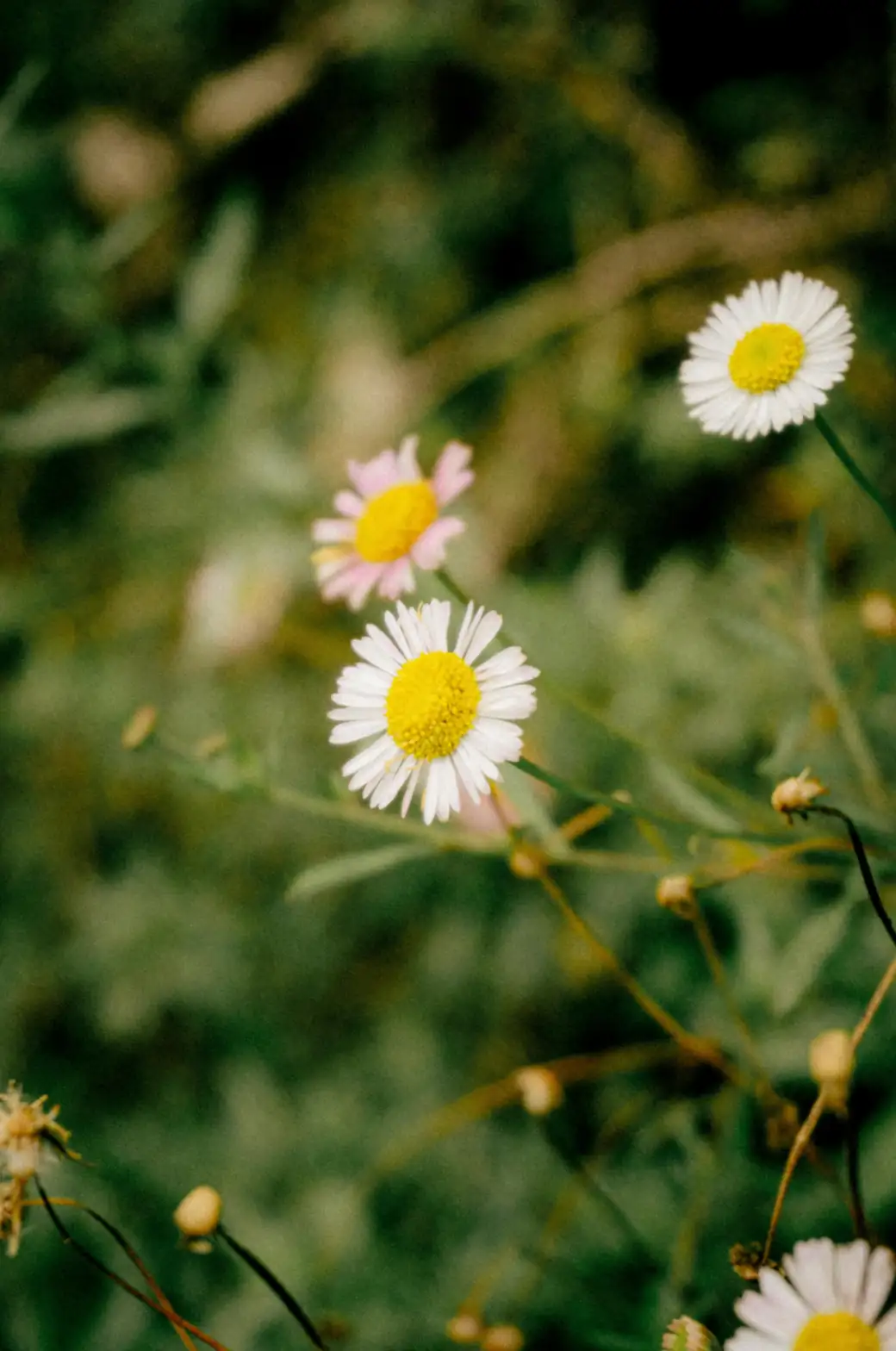
- Light: Give chamomile 6–8 hours of direct sun. In hot climates, a touch of afternoon shade keeps petals fresh and prevents scorch.
- Watering rhythm: While young, aim for about 2.5 cm (1 in) of water per week total (rain + irrigation). Then let the topsoil dry slightly between waterings. In containers, water when the top 2–3 cm (about an inch) is dry. Increase in heat; cut way back in cool weather.
- Drainage first, fertility second: Loose, well‑drained soil is non‑negotiable. Chamomile will tolerate poor soil but flops in rich, wet ground. If your soil is heavy, mix in coarse sand or grit. Neutral to slightly alkaline conditions suit it well.
- Pot depth and mix: Use containers at least 15 cm (6 in) deep with generous drainage holes. A simple blend: 2 parts high‑quality potting mix + 1 part perlite or coarse sand; add a pinch of garden lime if your mix is very acidic.
- Feed lightly: In beds, often none is needed. In pots, use a mild, balanced, water‑soluble feed about once a month. Overfeeding = leafy, floppy plants with fewer blooms.
- Air and space: Good airflow prevents mildew. Don’t crowd; prune or thin as needed.
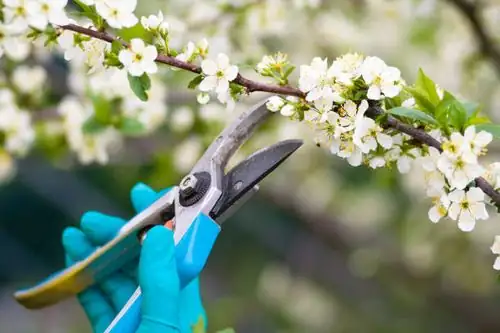
- The rebloom reset: After the first heavy flush of flowers, shear plants back to about 10 cm (4 in) above the soil. Water, then let them bounce back—this triggers a second (often even third) wave of bloom.
German vs. Roman: choose your chamomile
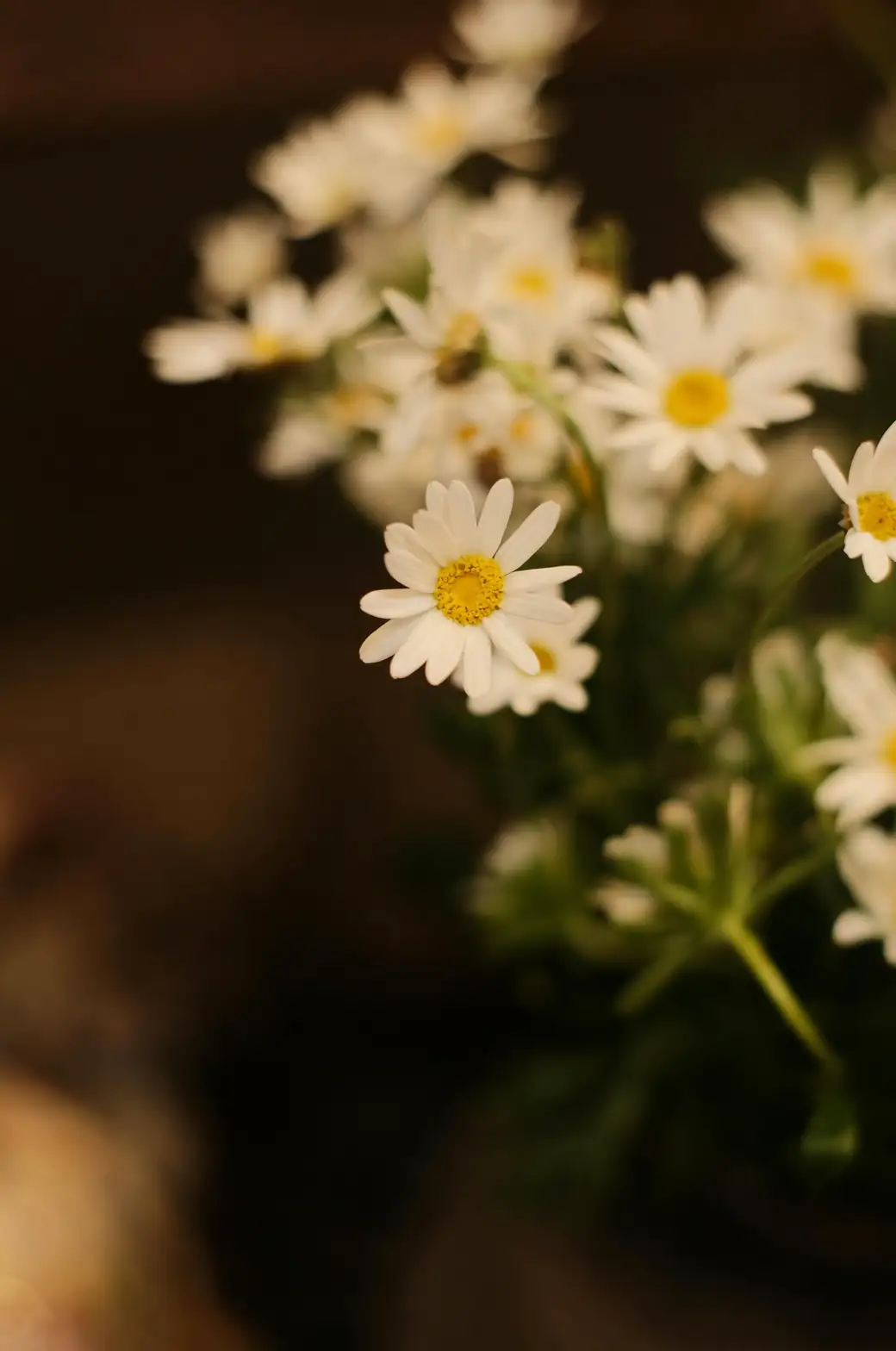
- German chamomile (Matricaria chamomilla)
- Habit: Upright, branching annual, 15–60 cm (6–24 in) tall.
- Best for: Tea harvests and essential oil; heavy flowering in one season.
- Flowers: White rays with a bright yellow, often hollow, conical center; petals tend to droop as blooms mature.
- Seasonality: Thrives in spring to midsummer; may flower in multiple flushes with a midseason shear. Does not overwinter in freezing climates but often self‑seeds.
- Care nuance: Treat like a sun‑loving annual herb; keep evenly moist while establishing, then slightly on the dry side between waterings.
- Roman chamomile (Chamaemelum nobile)
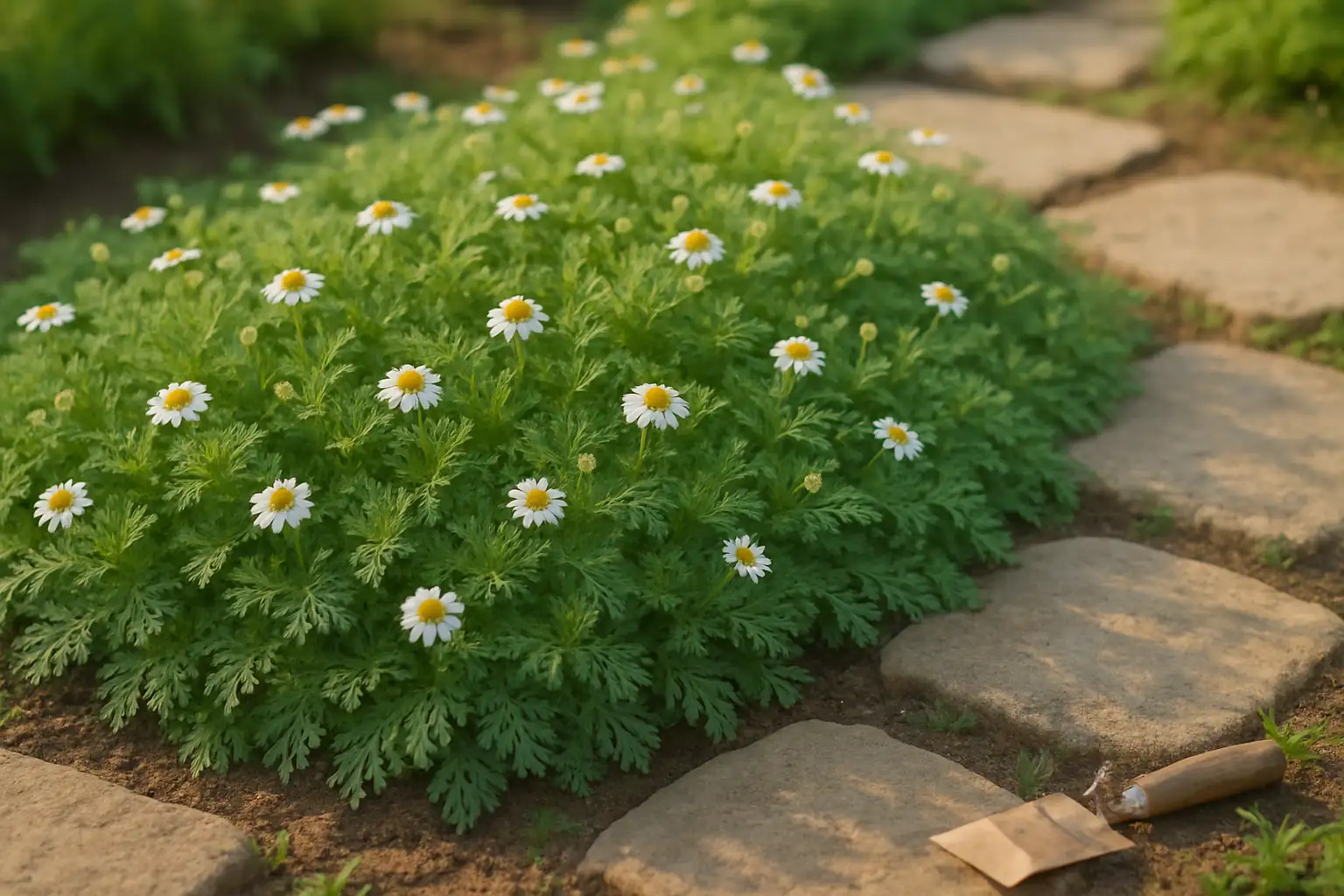
- Habit: Low, creeping perennial, about 20–30 cm (8–12 in) tall; spreads by rooting runners—excellent fragrant groundcover.
- Best for: Soft green mats along paths, rock gardens, and edges; a gentle tea herb.
- Flowers: Smaller, daisy‑like blooms on a cushion of feathery foliage.
- Seasonality: More cold‑hardy; commonly hardy to about USDA Zone 4. Rests over winter and returns in spring.
- Care nuance: Keep well‑drained and lightly clipped to stay dense. Division every 2–3 years in spring refreshes tired patches.
Light, heat, and placement made simple
- Sun: Full sun (6–8 hours) drives sturdy stems and abundant flowers.
- Shade in heat: Where summers bake, offer light afternoon shade to protect the petals.
- Temperature: Happy around 15–20°C (59–68°F). With sensible watering and no soggy soil, plants can ride out hot spells up to about 38°C (100°F).
- Where it shines:
- German: Sunny beds, raised gardens, or patio pots near the kitchen.
- Roman: Along paths, between stepping stones (tolerates only light foot traffic), and as a low, fragrant filler in borders.
Watering you can feel in your fingertips
- Ground plants: Water deeply but infrequently—then let the top layer dry a touch. In cool, damp spells, hold back; in heat waves, soak thoroughly and early in the day.
- Containers: Lift the pot—if it feels light and the top inch is dry, it’s time. Water until it runs out the drainage holes; never let pots sit in saucers of water.
- Humidity and airflow: Moderate humidity is fine; stagnant, damp air invites mildew. Keep leaves mostly dry and space for breezes.
Soil and drainage: how to nail it once
- Texture: Loose, sandy/loamy, well‑aerated. In clay, raise the bed or mound the planting area and blend in grit.
- Fertility: “Lean and bright” beats “rich and shady.” Over‑rich soil makes floppy stems.
- pH: Neutral to slightly alkaline often suits chamomile. If your soil is acidic, a light dusting of garden lime can help.
The seasonal game plan (and when to shear)
- Spring (Mar–May)
- Sow seed on the surface (seeds need light), press gently, and keep evenly moist. Germination usually in 7–14 days.
- Transplant seedlings when small—about 5–8 cm (2–3 in) tall—for minimal shock.
- First flowers begin as days warm.
- Early to midsummer (Jun–Jul)
- Peak bloom. Harvest regularly to keep plants producing.
- When the first big flush fades—or plants look leggy—shear back to about 10 cm (4 in). Water well, keep in sun, and expect a second flush in a few weeks.
- Late summer to fall (Aug–Nov)
- Second (sometimes third) bloom. In mild‑winter areas, fall sowing sets up spring flowers.
- Collect seed from German chamomile if you want self‑sown volunteers next spring.
- Winter (Dec–Feb)
- German chamomile finishes as an annual in cold regions.
- Roman chamomile rests; protect from harsh wind, and reduce watering. In very cold snaps, a breathable frost cover helps. Avoid soggy winter soils.
Harvesting flowers for tea (and encouraging more)
- Pick on dry mornings just as petals fully open for the best aroma.
- Snip flower heads cleanly; frequent harvesting naturally deadheads plants and prolongs bloom.
- Dry in a single layer in a shaded, airy spot; store airtight once crisp.
Propagation shortcuts
- From seed (both types): Surface‑sow in early spring—or in fall in mild climates—and keep evenly moist.
- Self‑sown surprise (German): Allow a few seedheads to ripen; seedlings often appear next spring.
- By division (Roman): In early spring, slice and lift rooted runners to replant and thicken your groundcover.
Troubleshooting at a glance
- Floppy, sprawly growth: Too little sun or too much fertilizer; move to brighter light and skip feedings.
- Mildew, leaf spots, botrytis: Improve airflow, water at soil level, and avoid constant dampness.
- Root or stem rot: Soggy soil—improve drainage and let the surface dry between waterings.
- Aphids, thrips, leafminers: Start with a firm spray of water; follow with insecticidal soap or neem if needed.
Safety sip
Chamomile is generally considered non‑toxic, but members of the daisy family can trigger allergies in sensitive people. Handle with care if you react to ragweed or similar plants. Be cautious with concentrated extracts or essential oils, during pregnancy, for very young infants, or if you’re on anticoagulant medications.
A last, fragrant note: meaning and lore
Chamomile’s old Greek nickname means “ground apple,” a nod to that sweet, fruity perfume you’ll smell the moment you brush the leaves. In the language of flowers, it symbolizes comfort, gentle healing, and resilience—cheerfully blooming even in less‑than‑perfect conditions. Medieval Europeans scattered it on floors so every footstep released a calming scent, and gardeners still say Roman chamomile thrives when it’s lightly trodden. Whether you’re coaxing a second bloom for your teacup or weaving a living carpet along a path, chamomile’s sunny faces and soothing aroma more than earn their space.
Quick ID
- Family: Asteraceae (daisy family)
- Origins: Native to southern and eastern Europe; now grown widely in temperate regions worldwide
- German chamomile: Matricaria chamomilla, upright annual
- Roman chamomile: Chamaemelum nobile, creeping perennial groundcover
Give it sun, sharp drainage, a light hand on the watering can—and one timely midsummer haircut—and chamomile will reward you with waves of apple‑scented daisies, season after season.


