

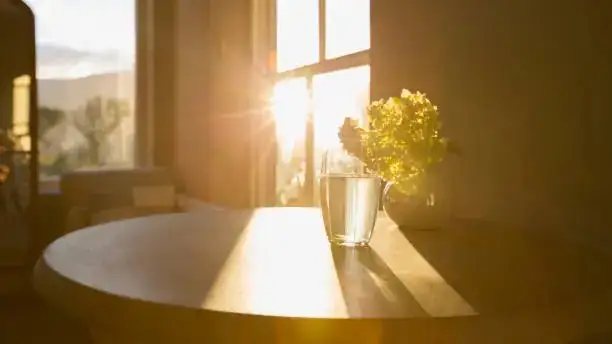
If you’ve ever wondered why some Living Stones glow with intricate color and throw autumn daisies while others sulk and split, the answer is almost always light—how much, from what angle, for how long, and how hot. Here’s a practical, grower-tested light audit to read your windows, your seasons, and your plant’s body language so you can push color and blooms without scorching those precious pebbles.
What Lithops want in a nutshell
- Bright light to full sun, ideally 6+ hours of direct sun daily.
- Indoors, south- or west-facing windows are prime; east can work with longer exposure or a little supplemental light.
- In very hot summers or behind strong glass, give light midday shade and plenty of airflow to prevent overheating.
- Keep it warm (about 15–26°C / 59–79°F), bright in winter, and protect from frost.
The 5‑minute light audit
Grab your phone and a notepad. You’re going to map sun, heat, and airflow—your three levers for color and bloom.
1) Map your window’s orientation
- Northern Hemisphere: south and west deliver the longest, strongest direct sun; east is gentle morning sun; north is usually too low for Lithops without help.
- Southern Hemisphere: flip the compass—north and west are strongest; east is gentler.
2) Count your sun hours
- On a clear day, note when the first direct ray hits the plant, and when it leaves. Track mid-morning, noon, and late afternoon. Repeat on a weekend if possible to catch workday differences.
- Bonus: A sun‑path app (e.g., Sun Seeker, Sun Surveyor) shows seasonal shifts so you can predict how your winter/summer arc will change.
3) Feel the heat
- At peak sun (usually 11 a.m.–3 p.m.), touch the glass and the plant’s top. If the glass is hot and the plant feels toasty, you’re stacking light plus heat—prime conditions for scorch behind glass.
- Room >30°C (86°F) plus stagnant air is a red flag; plan to add airflow or a thin sheer during peak hours.

4) Check what steals light
- Low‑E or tinted glazing, insect screens, deep eaves, nearby trees/buildings, and even dusty glass can slash intensity. Insect screens alone can cut roughly 30–50% of light.
- Clean the window. Move anything casting midday stripes across the pot—Lithops prefer steady intensity to sharp bands of “flash fry.”
5) Read the plant
- Happy high-light cues: crisp patterns, tight bodies hugging the soil, sometimes a faint tan or pinkish blush, and buds in late summer to autumn.
- Not enough light: stretched, taller bodies, widened central slit, washed-out patterning.
- Too intense/too hot: pale, bleached or glassy patches (sunburn) that later tan; rapid, harsh color loss; softening from heat stress.
Window-by-window playbook
South-facing (north in the Southern Hemisphere)
- Target: 6–8 hours direct sun in cool to mild seasons.
- Summer strategy: add a sheer curtain or pull the plant 10–30 cm (4–12 in) back from the glass during the hottest band. Keep a small fan moving air across the window zone.
West-facing
- Afternoon sun is powerful and hot. Perfect for color—but it’s also the window most likely to scorch.
- Summer: filter 11 a.m.–3 p.m. with a single layer of sheer or a 30% shade cloth, and run airflow. Autumn through spring: often no shade needed.
East-facing
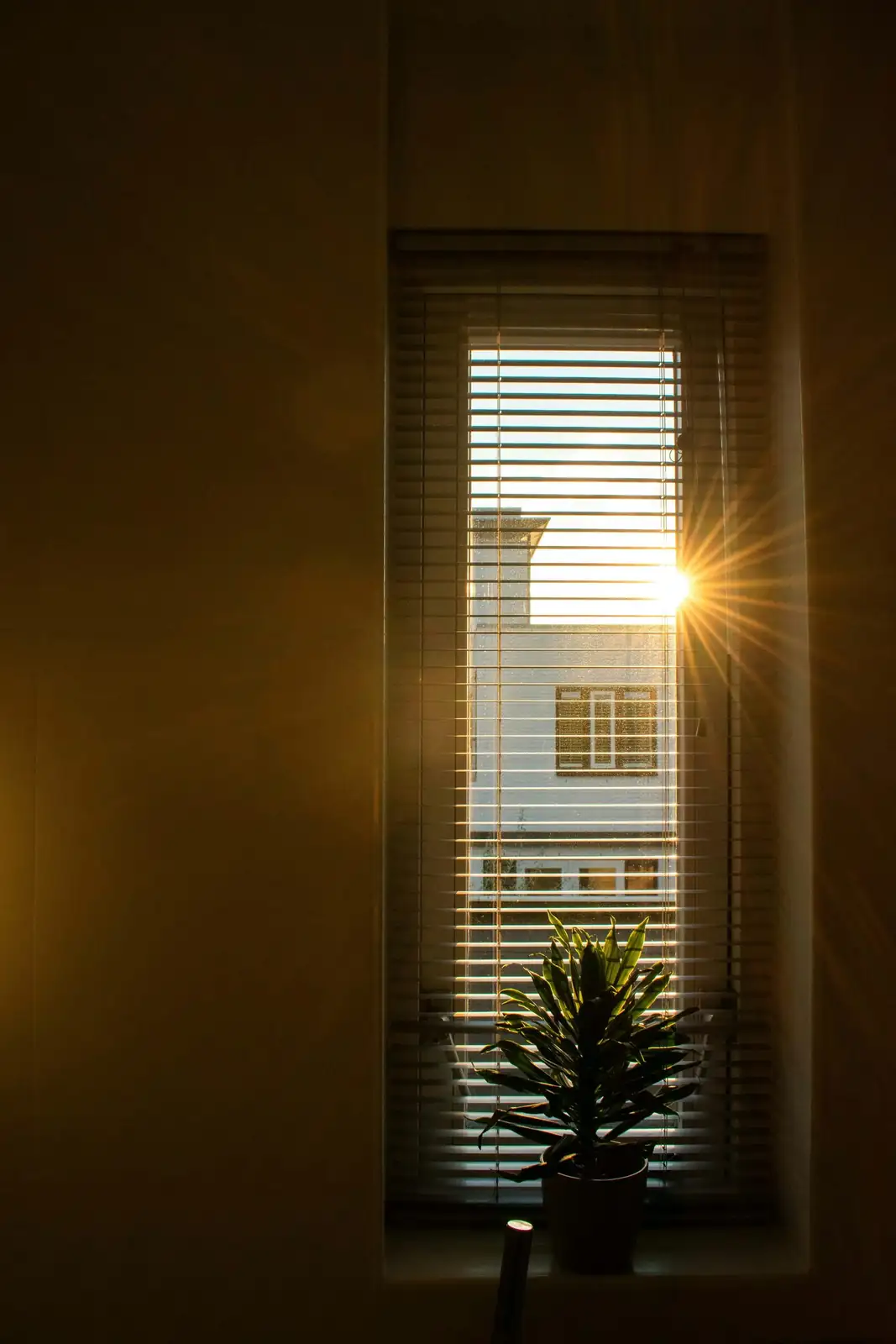
- Gentle morning sun that builds color slowly without a burn risk. Great for acclimating new purchases.
- May need longer total exposure or a supplemental LED bar in winter to maintain patterns and promote flowering.
North-facing
- Usually insufficient alone. Combine with an LED grow light or move the plant seasonally.
Balcony/patio (mild, frost-free climates)
- Bright shade to morning sun with cover from heavy rain. Provide airflow and light midday shade in heat. Keep the gritty mix dry between sips.
Season-by-season tweaks
Spring: reset and ramp up
- Days lengthen, sun angle rises. Gradually increase direct sun over 2–3 weeks, especially for newly purchased plants or those coming off a dim winter.
- Watch for leaf replacement. If a fresh pair is consuming the old, keep water minimal until the old leaves dry. Light remains strong, but avoid large watering that can split bodies during this phase.
Summer: bright but don’t bake
- Many Lithops rest in high heat. Reduce watering sharply and add light midday shade and strong ventilation to prevent scorching behind glass.
- West windows: prime time for a sheer and a fan. East windows: often perfect “gentle sun” refuges.
- Keep the potting mix gritty and quick‑drying, and never let water sit in a saucer.
Late summer to autumn: the show
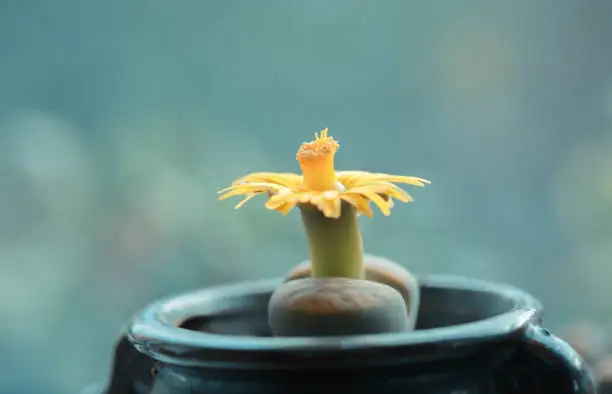
- This is peak growth and flowering season. Provide the brightest safe light you can—ideally 6+ hours direct sun with decent airflow.
- A very light feeding in early autumn at 1/4 strength (optional) can support flowering, but keep it sparse and never let the mix stay wet.
Winter: bright, warm, and mostly dry
- Move to the brightest window; the low sun can be a gift—if temperatures near the glass don’t dip too low.
- Aim to keep above about 12°C (54°F). Protect from cold drafts and frost.
- If your latitude is dark, pair the window with a full-spectrum LED on a timer. Keep airflow going and soil on the dry side.
When to add sheer shade, when to boost airflow (or both)
Use this quick decision guide:
- Plant feels hot at midday and patterns are fading fast:
- Add a single sheer layer from about 11 a.m.–3 p.m.
- Pull the pot a hand’s width back from the glass.
- Start a gentle fan to sweep warm air off the plant.
- You see localized bleaching/glassy patches (early sunburn):
- Add immediate filtering. Keep airflow consistent.
- Don’t drench the soil to “cool” the plant; heat + moisture is a rot trap.
- Color is good, but you’re in a heat wave (>32°C / 90°F indoors):
- Prioritize airflow. If bodies still heat up, add a thin sheer during peak hours only.
- Patterns are washed out, bodies are stretching:
- Remove unnecessary sheers; give more direct sun (morning or late afternoon if heat is an issue).
- Consider shifting from east to south/west for part of the day, or supplement with grow lights.
How to acclimate new plants (and post-cloudy spells)
- Week 1: Bright, indirect light or gentle morning sun only. Excellent airflow.
- Week 2: Add 30–60 minutes of direct sun every day or two, watching for stress.
- Week 3: Aim for your target window (6+ hours where possible), filtering midday if summer heat is intense.
Airflow: your invisible sunscreen
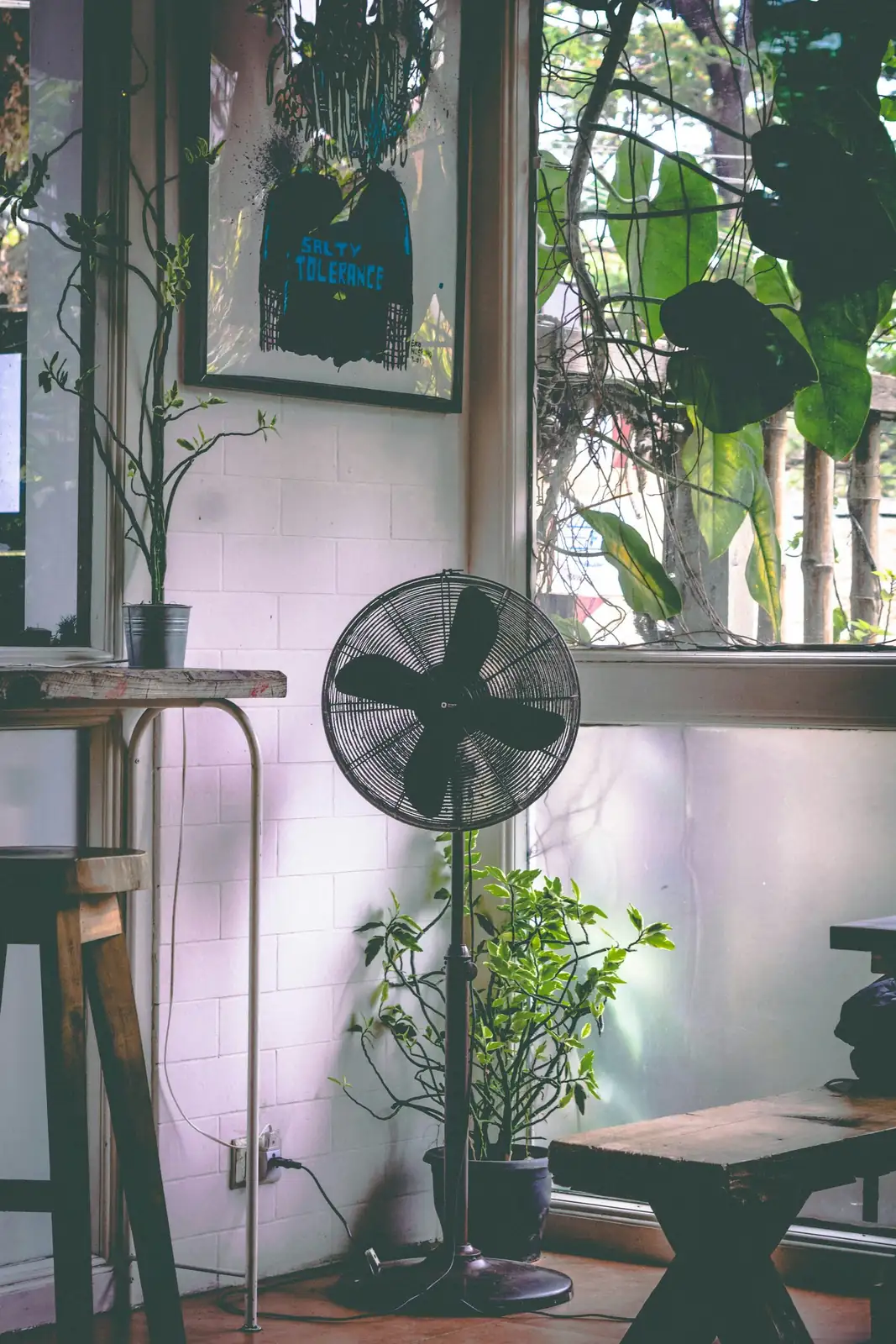
- Lithops prefer low humidity and fresh air. A small clip-on fan set to a mild, constant sweep lowers leaf surface temperatures and dries the boundary layer without dehydrating the plant.
- Open windows or cross-breezes are great—just protect from cold snaps in winter.
Grow lights as a safety net
- In dim homes or high latitudes, a full-spectrum LED can keep patterns crisp and support flowering timing.
- Mount the light high enough for a bright, even field without heat buildup, and run it 12–14 hours. Keep the mix gritty and your fan on low.
Color and bloom tuning without burn
- For richer patterns and that slight “desert blush,” push light right up to the threshold—strong morning and late-afternoon sun, filtered midday in hot seasons, plus airflow.
- Keep watering cautious, especially in summer rest and during leaf replacement; bright light plus wet soil is the fastest route to splitting and rot.
- Flowers typically arrive late summer through autumn. Your job year-round is consistent brightness, warm conditions, and a fast-drying mix so plants enter autumn poised to bloom.
Diagnostic cheat sheet
- Not enough light:
- Taller, elongated bodies rising above the gravel line; faint or blurred patterns; gaping central slit.
- Fix: more direct sun, west/south move, or add grow light.
- Too much light/heat:
- Bleached or glassy patches (sunburn), sudden pallor, softening at peak sun.
- Fix: midday filtering and a steady breeze; back off from glass.
- Just right:
- Compact, firm bodies nestled at soil level; crisp patterns; subtle tan/pink in strong seasons; buds appearing in late summer–autumn.
Small microclimate tweaks that matter
- Distance from glass: 10–30 cm back often tames heat spikes while preserving intensity.
- Sheer selection: a single white sheer or ~30% shade cloth softens the burn without starving the plant.
- Insect screens: useful as a built‑in “softener,” but remember they also cut light—balance accordingly.
- Top-dressing: light-colored gravel looks great, but can raise reflected light and warmth. If your window already runs hot, choose neutral, non‑glare grit.
- Never mist to “cool off”: humidity plus warmth invites rot. Use airflow instead.
Putting it all together
- Aim for 6+ hours of direct sun where possible.
- In hot seasons/windows, filter midday and move air.
- Read the plant. Compact and patterned means you’re close; stretch or bleach means adjust.
- Keep conditions warm, bright, and dry between sips—especially in winter and during leaf replacement.
- As late summer approaches, lift the filter if heat allows, keep light strong, and enjoy the daisy-like surprise bursting from that neat central slit.
Do this, and your Living Stones won’t just survive your window—they’ll wear the sun like a tailored suit, coloring up, staying compact, and sending out autumn fireworks right on cue.