

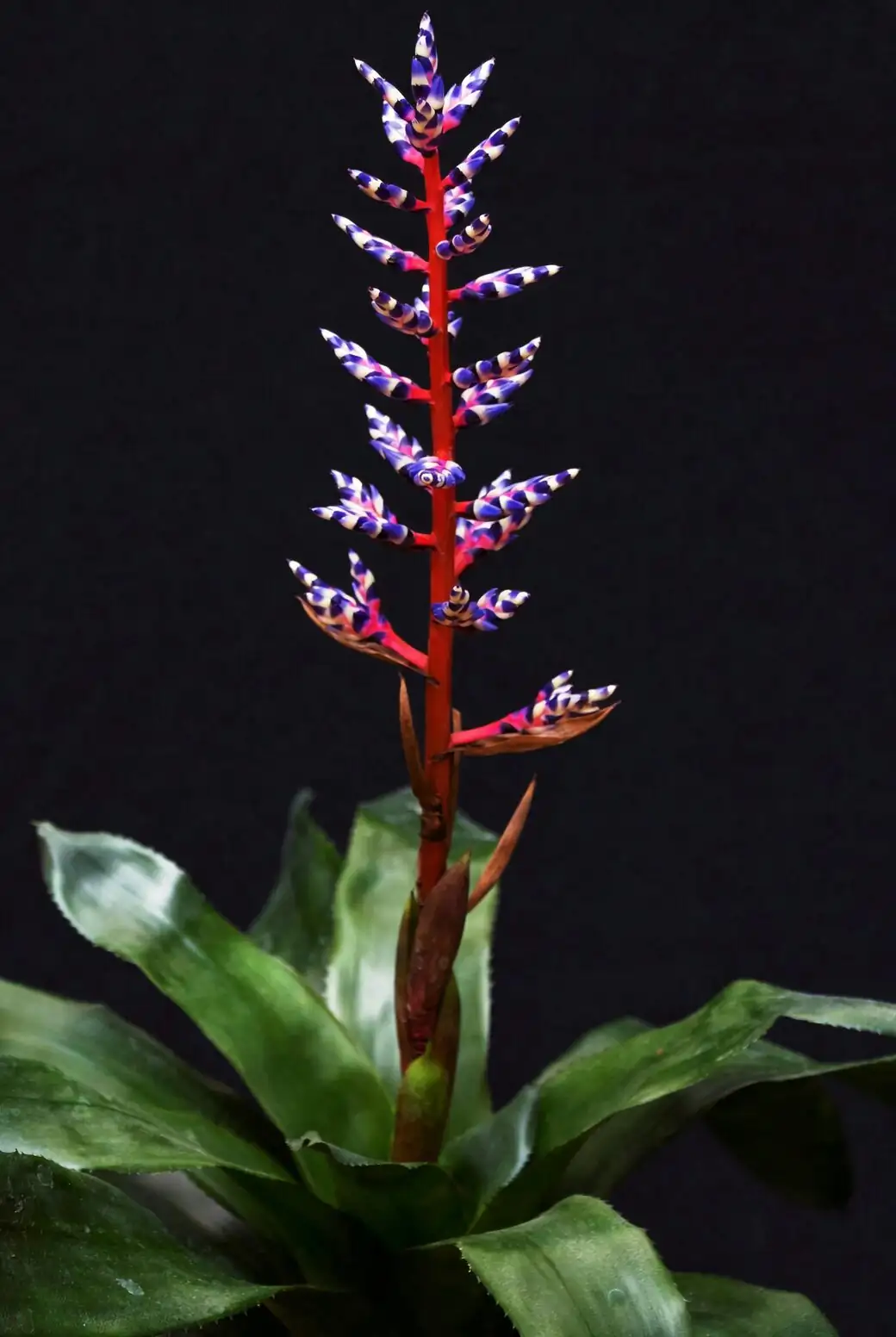
If you’ve ever watched a bromeliad’s blazing red, orange, or pink bracts lose their punch too soon, odds are the light isn’t quite right. These tropical showstoppers (Guzmania, Vriesea, Aechmea, and friends) live for bright, filtered light—enough to power that color without bleaching it. The good news: with a simple foot-candle target, a phone light-meter app, and a sheer curtain or two, you can lock in long-lasting vibrancy.
The sweet spot: how bright is “bright, indirect” for bromeliads?
Think in foot-candles (fc)—a handy way to measure light at leaf level.
- Everyday target for long-lasting color:
- Guzmania and Vriesea (soft, spineless leaves): about 700–1,500 fc
- Aechmea (stiffer, sometimes spiny leaves): about 1,000–2,000+ fc
- What to avoid:
- Harsh midday sun near bare south/west windows (often 4,000–10,000+ fc at noon) can bleach leaves and fade bracts quickly.
- Gentle morning sun is usually fine, especially for Aechmea; keep direct rays brief and cool.
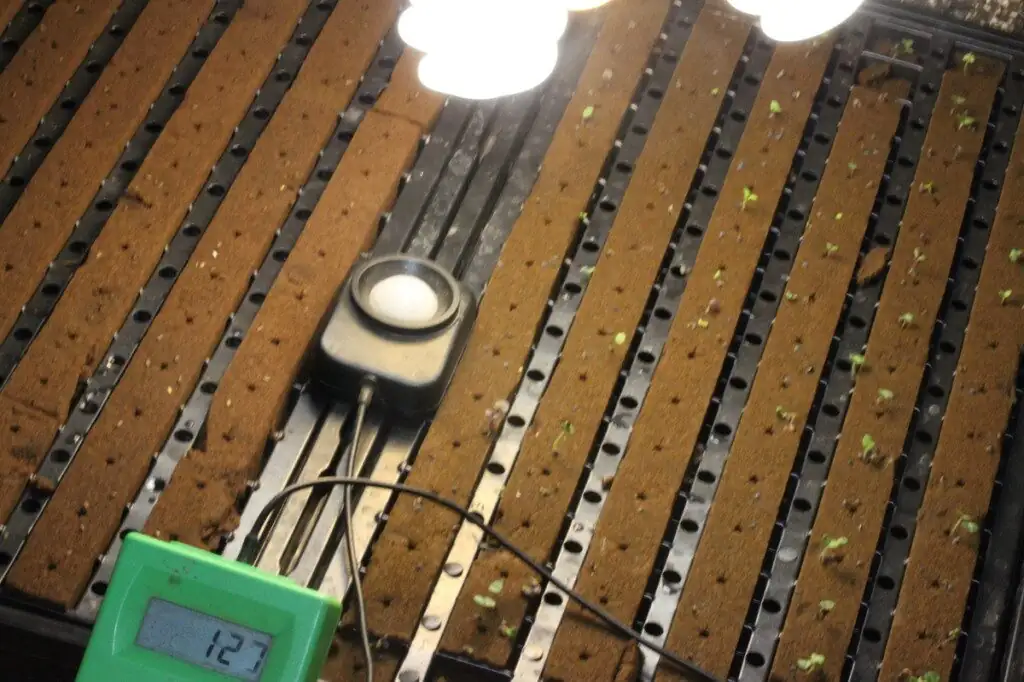
Pro tip: Download a free light-meter app and measure right where the rosette sits at mid-morning and mid-afternoon. Aim for a consistent range day after day rather than big peaks and valleys.
Window wizardry: matching exposure to plant and color goals
- East window (ideal): Bright morning sun, soft later light. Most Guzmania/Vriesea thrive right on the sill or 15–30 cm (6–12 in) back. Aechmea can sit closer to the glass.
- North window (works if unobstructed): Often lower but steady light. Park bromeliads as close as possible to the glass; supplement with a grow light if readings sit under ~600 fc for most of the day.
- South/west windows (use with filters): Intense midday/afternoon rays can scorch. Pull plants 60–120 cm (2–4 ft) back or filter with sheers (see below).
Sheer curtain hacks to hit your light number
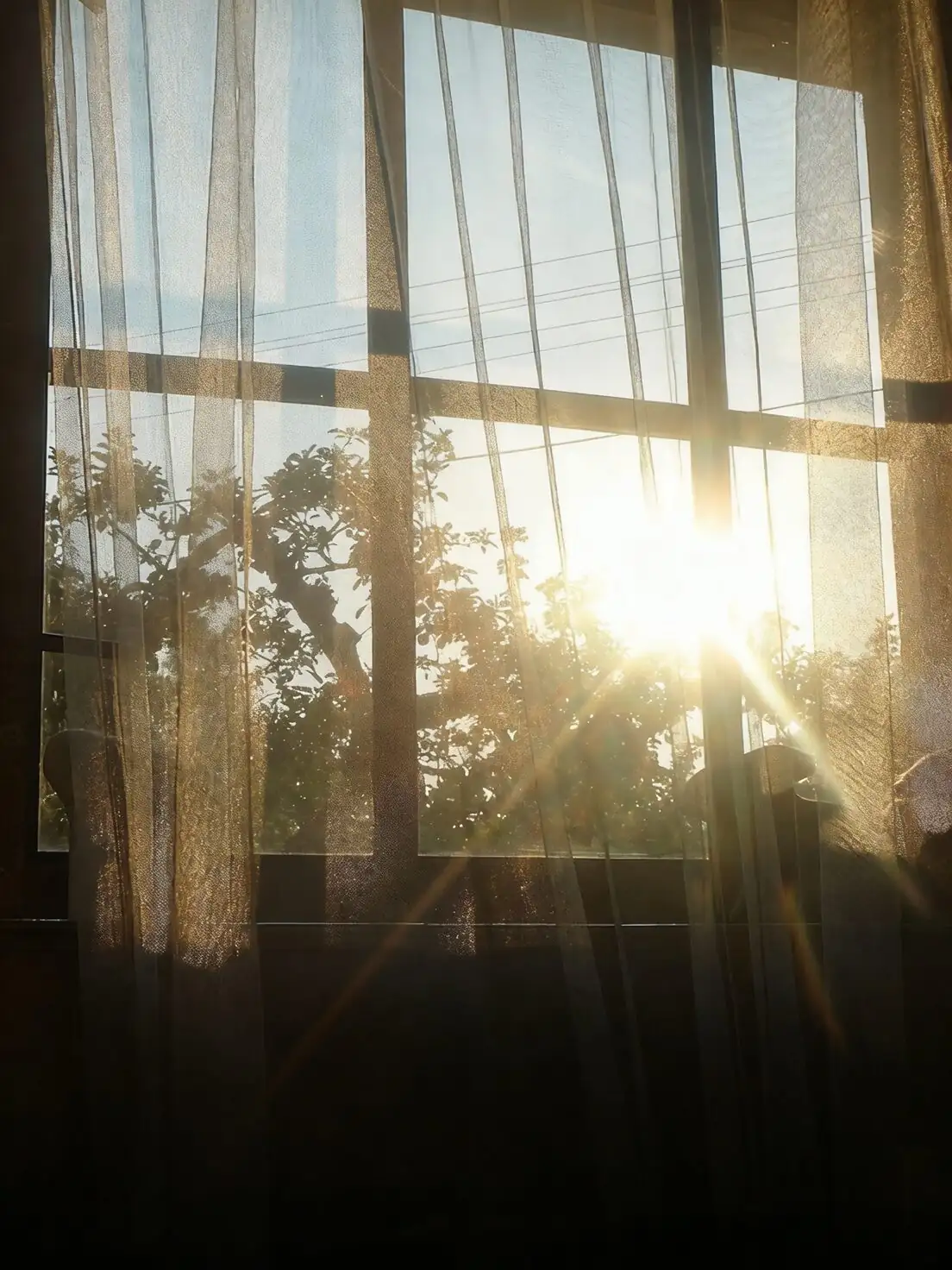
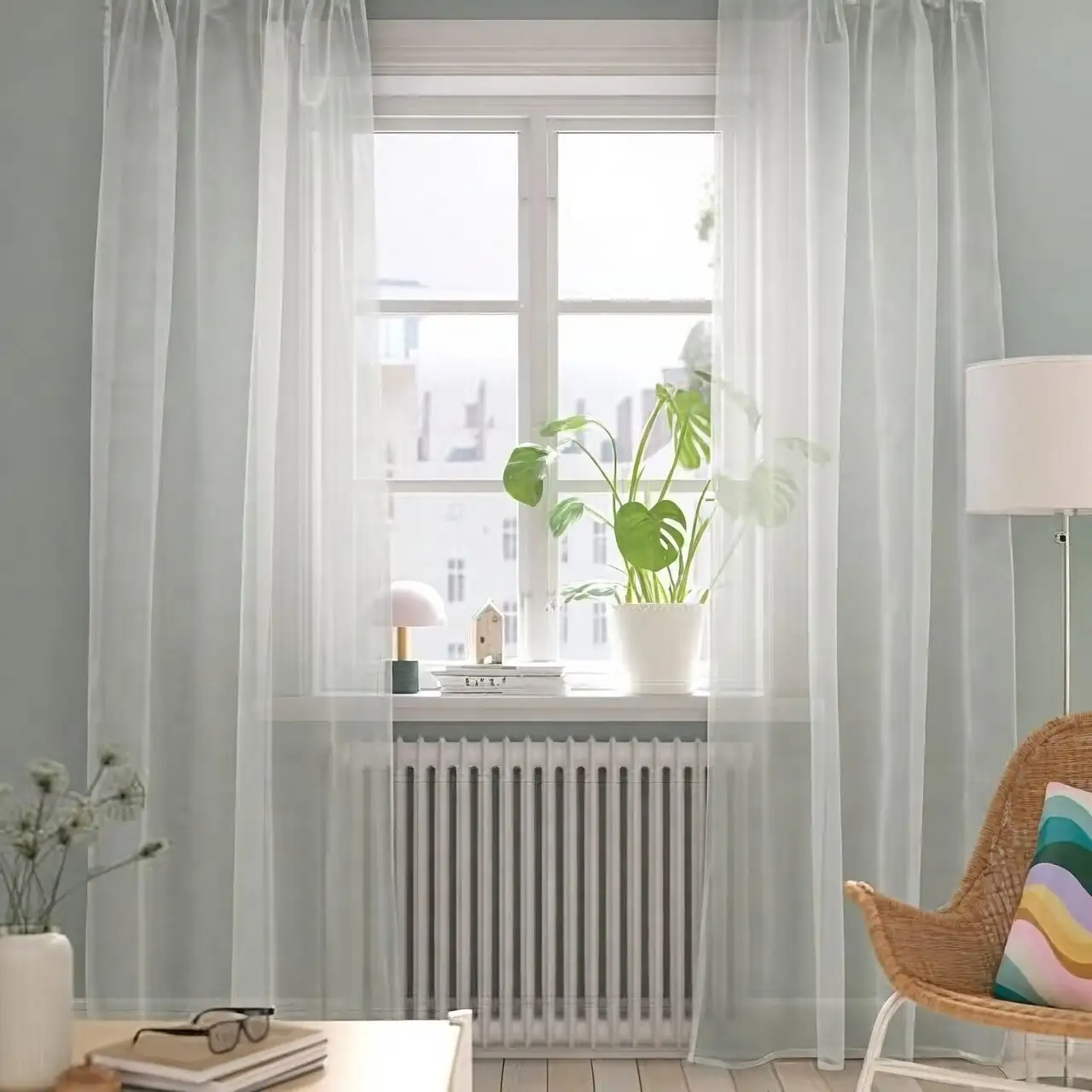
- Single sheer panel: Softens and scatters light, often dropping intensity to a bright, “forest-canopy” feel—perfect for maintaining color.
- Double sheers or a sheer + lightweight blind: Great for taming a hot west window. Slide layers to fine-tune your fc range through the seasons.
- Frosted window film or privacy film: Creates permanent, even diffusion where curtains aren’t practical.
- Distance is a dimmer: Each step back from the glass lowers fc. If you’re reading 2,500 fc at the sill, moving 60–90 cm (2–3 ft) back may land you in the 1,000–1,500 fc sweet spot.
A quick genus-by-genus light cheat sheet
- Guzmania and Vriesea (Flaming Sword types): Bright, filtered light; brief, cool morning sun okay. Target 700–1,500 fc. Too much sun = faster bract fade and leaf scorch.
- Aechmea (e.g., Aechmea fasciata): Tolerates and often appreciates a bit more light. Target 1,000–2,000+ fc with only soft direct sun.
Remember: many popular bromeliads are epiphytes—they’re used to dappled, shifting canopy light, not hours of glass-magnified midday sun.
Preventing faded bracts and bleached leaves
- Keep it bright, not blasting:
- Faded or washed-out bracts = often too much direct sun or heat.
- Bleached leaves (pale patches) or crispy brown spots = sunburn—pull back or add sheers.
- Don’t starve the color:
- Dull bracts, limp growth, or very dark, stretched foliage = not enough light. Move closer to the window or increase supplemental light.
- Feed sparingly:
- A balanced fertilizer at 1/4 strength every 4–6 weeks during active growth is plenty. Overfeeding can actually dull bract color and stress sensitive roots.
- Acclimate gradually:
- Never jump from dim to intense light overnight. Increase exposure over 1–2 weeks to avoid shock and bleaching.
- Keep leaves clean:
- Dust lowers usable light. Wipe foliage gently to restore that glossy, light-catching surface.
The 5-minute “perfect window” test
1) Measure your current spot at plant height around late morning.
2) If it’s below your target, try:
- Sliding the plant closer to the glass (especially at a north window).
- Switching to an east window for a morning boost.
- Adding a single sheer to a south/west window, then nudging the pot closer.
3) Re-measure after you adjust. Lock in a range (e.g., 1,000–1,500 fc) that stays stable most of the day.
Grow light guidance (when windows won’t cooperate)
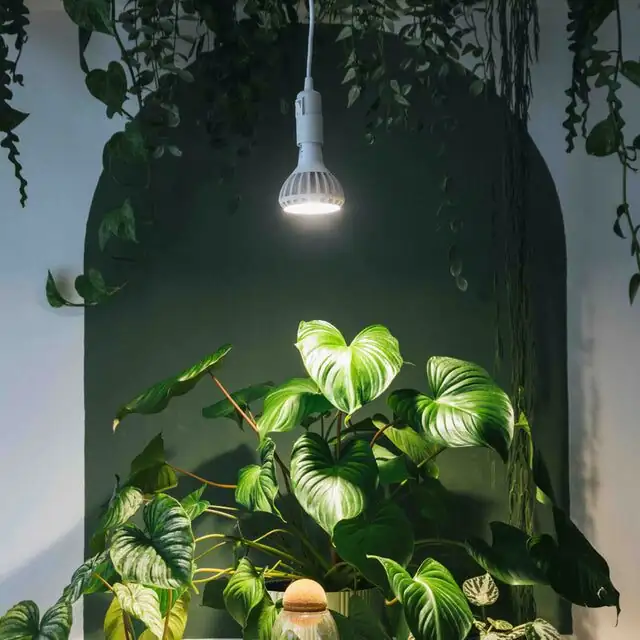
- Spectrum: Full-spectrum LED or a “daylight” (5000–6500K) white LED works well.
- Intensity: Aim for an equivalent of about 700–1,500 fc at leaf level for Guzmania/Vriesea; 1,000–2,000+ fc for Aechmea.
- Duration: 8–12 hours daily on a timer to mimic a bright, filtered day.
- Distance: Adjust the lamp until your light meter reads your target at the rosette; recheck monthly as plants grow.
Seasonal tune-ups
- Summer: Stronger sun means you may need an extra sheer or to pull plants farther back, especially at west windows.
- Winter: Weaker light calls for moving closer to the glass or adding a grow light. Keep plants warm (18–28°C / 64–82°F) and away from cold drafts.
- Cloudy streaks: Don’t let watering stay the same if light dips; less light means slower drying and higher rot risk. Refresh any central cup water weekly, and reduce or empty it during cool, dim spells.
Read the plant like a pro: light diagnostics
- Too little light:
- New leaves elongated or floppy
- Very dark green foliage, slow pup formation
- Bracts look dull, fail to “pop,” or color fades prematurely
- Fix: Move closer to bright window, thin the curtain, or add a light.
- Too much light:
- Bleached patches (pale/whitish areas), brown scorch, crispy tips
- Bracts lose intensity fast
- Fix: Add or double sheers, step the plant back, or shift to an east/north exposure.
- Just right:
- Firm, upright leaves; bracts hold vivid color for weeks to months; steady pup production.
Placement ideas that keep color going
- East-facing kitchen or bathroom: Bright, filtered light plus helpful humidity—chef’s kiss.
- North window with sky view: Right on the sill; keep the glass clean for maximal brightness.
- South/west windows: 60–120 cm (2–4 ft) back with a sheer; nudge closer in winter, farther in summer.
A quick note on the “flower” and color expectations
What looks like the flower is often a set of colorful bracts. They’re wonderfully long-lasting, but they will eventually fade as the display finishes—this is normal. Long-lasting color depends on:
- Bright, indirect light in the right fc range
- Warmth and moderate-to-high humidity (50–70%)
- Light, periodic feeding (never heavy)
- Clean, dust-free leaves for efficient light capture
When the show ends, remove the spent bracts/flower spike and watch for pups; many popular bromeliads are monocarpic, so the mother rosette slowly declines as offsets take over.
Fast FAQs
- Can they handle direct sun?
A little gentle morning sun is usually fine. Avoid harsh midday/afternoon rays, which can scorch leaves and fade bracts.
- Which window is best?
East or bright north is typically ideal. South/west work well with sheers and some distance from the glass.
- Do I need a special potting mix for good color?
Indirectly, yes: use a very airy, fast-draining mix (often orchid bark with perlite). Healthy roots and steady hydration help the rosette maintain vivid bracts, but light is still the star of the show.
Bottom line: Measure the light, filter the harsh stuff, and hold your bromeliad in that bright, dappled “canopy” zone. Hit those foot-candle targets, and your bracts will stay postcard-vivid far longer—no bleaching, no blah.