

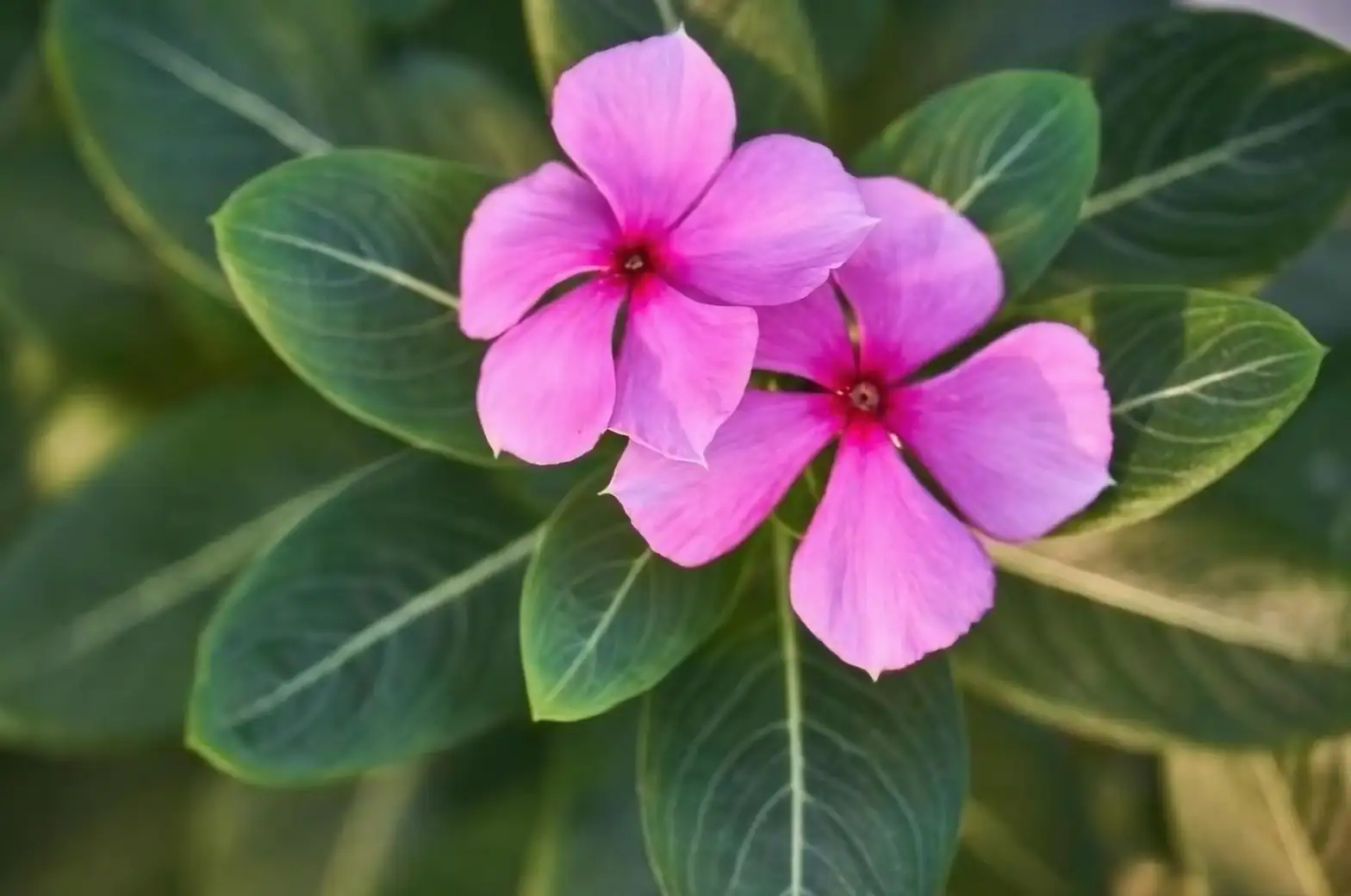
Welcome to the World of Madagascar Periwinkle!
Imagine a plant that thrives under the scorching sun, laughs in the face of drought, and boasts blooms so vibrant they’re like a splash of joy in your garden. Welcome to the world of the Madagascar Periwinkle, scientifically known as Catharanthus roseus. This sun-loving, heat-tolerant beauty is a favorite among gardeners for its resilience and long-lasting blooms. Whether you’re a novice or a seasoned green thumb, this guide will help you master the art of caring for this dazzling plant.
Light Up Your Garden with Color
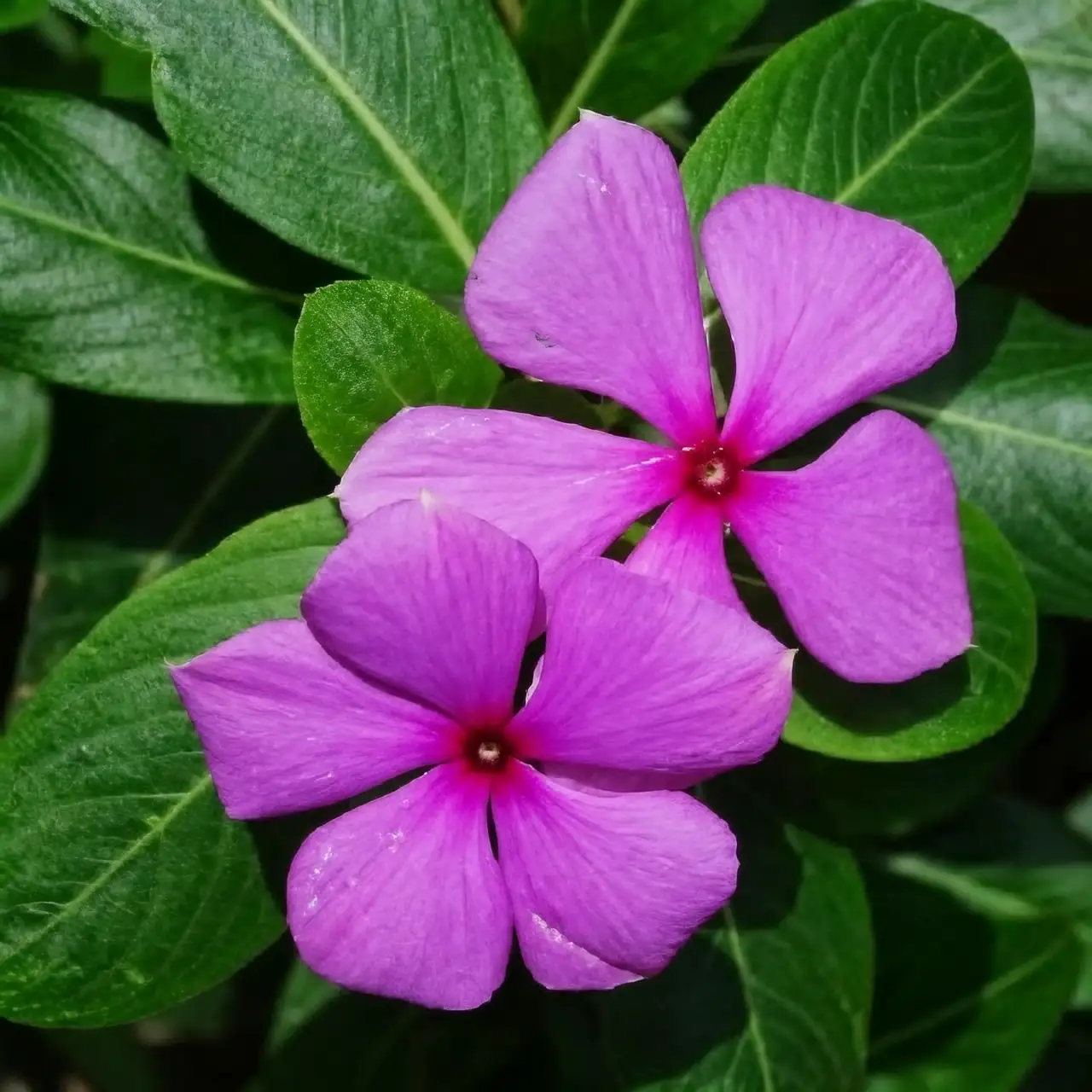
The Madagascar Periwinkle is a true sun worshipper. To keep it in its best form, aim for full sun exposure, which means about six or more hours of direct sunlight each day. This will encourage the plant to reward you with an abundance of its signature pinwheel flowers, ranging in colors from white to pink, rose, red, and sometimes even purplish hues. If you’re growing it indoors, place it near a bright, sunny window, ideally facing east or south, to mimic this environment. Avoid dim corners; your plant thrives on bright, lively spaces!
Watering Wisdom
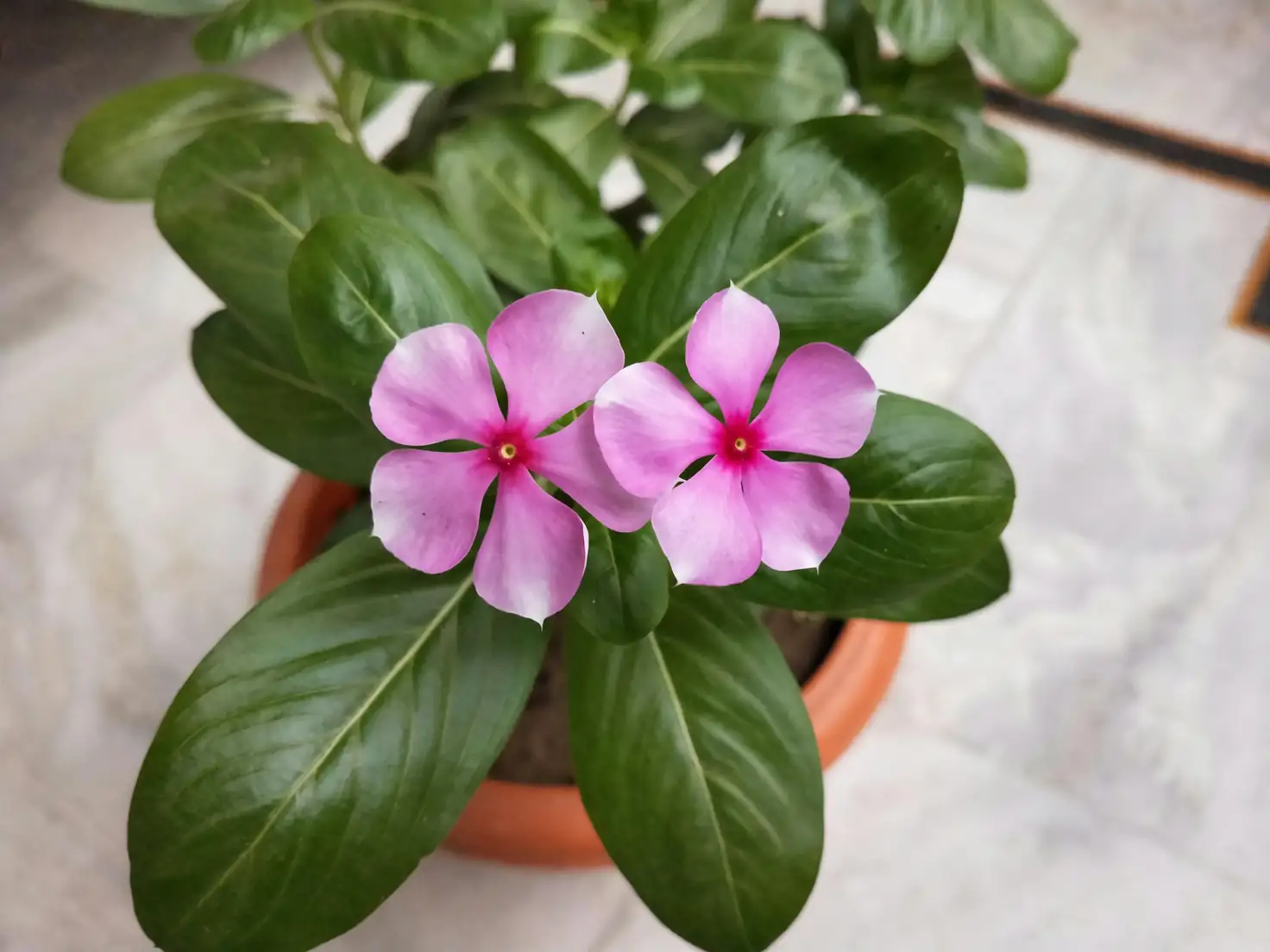
When it comes to watering, the Madagascar Periwinkle prefers a moderate approach. Allow the top inch of soil to dry out before giving it a thorough watering. On hot summer days, your plant might need a drink two to three times a week if it’s in a container. However, beware of the “bone dry, then soaking wet” cycle as it can lead to root stress. If you notice yellowing leaves, it might be a sign of overwatering. Ensure your pot has excellent drainage to avoid root rot.
Soil Secrets
This plant thrives in well-draining soil. A quality potting mix with added coarse sand or perlite works wonders. The ideal pH is slightly acidic to neutral, around 6.0 to 7.0. Remember, while the Madagascar Periwinkle is forgiving of poorer soils, good drainage is non-negotiable. This is the key to preventing the dreaded root rot and ensuring your plant’s happiness.
Temperature and Humidity: Keep It Warm
Being a tropical native, the Madagascar Periwinkle loves warmth. It flourishes between 16–24°C (61–75°F) and can handle temperatures up to 35°C (95°F) when watered correctly. However, it becomes vulnerable in temperatures below 10°C (50°F), so if you’re in a cooler climate, consider bringing it indoors as winter approaches. Although adaptable to average humidity, good airflow is essential to ward off diseases.
Fertilization and Feeding
The Madagascar Periwinkle isn’t a heavy feeder but benefits from a balanced diet. In the growing season, feed it every two weeks with a balanced or bloom-focused fertilizer. Be cautious with nitrogen-heavy feeds, as they can lead to lush foliage but fewer flowers. As the colder months settle in, ease off the feeding to allow your plant to rest.
Pruning Practices
While many varieties of the Madagascar Periwinkle are self-cleaning, pinching young plants can encourage a bushier growth. If you want to keep your plant looking tidy and reduce mold risk, especially in humid conditions, remove spent flowers. A light mid-season trim can also reinvigorate leggy plants and promote new growth.
Propagation: Growing the Family
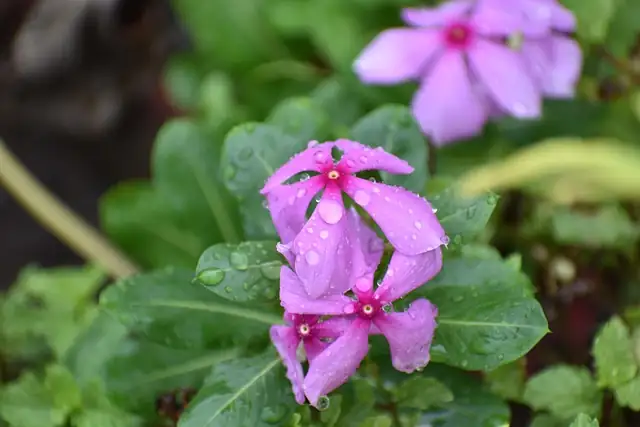
Want more of these cheerful blooms? Propagation is your answer! You can start from seeds by sowing them indoors in early spring, ensuring they are lightly covered to maintain darkness. Alternatively, take soft tip cuttings in late spring or semi-ripe cuttings in summer. Root them warm, and you’ll have new periwinkles in no time.
Safety and Health
While the Madagascar Periwinkle stands strong against many pests, it can occasionally fall prey to aphids and spider mites. Keep an eye out and treat early with insecticidal soap if needed. It’s also crucial to note that this plant is toxic if ingested, so keep it out of reach of pets and children.
A Plant with a Story
Beyond its ornamental charm, the Madagascar Periwinkle holds a fascinating history. It’s revered in traditional medicine and is a significant source of anticancer compounds like vincristine and vinblastine. This plant symbolizes resilience and enduring beauty—apt for a flower that stands unyielding through heat and hardship.
Embrace the lively spirit of the Madagascar Periwinkle, and let it bring a burst of color and joy to your garden. With the right care, this plant will not only thrive but transform your space into a vibrant oasis. Whether in a sunny garden bed or cascading from a hanging basket, it’s a delightful invitation to the wonders of the botanical world.


