

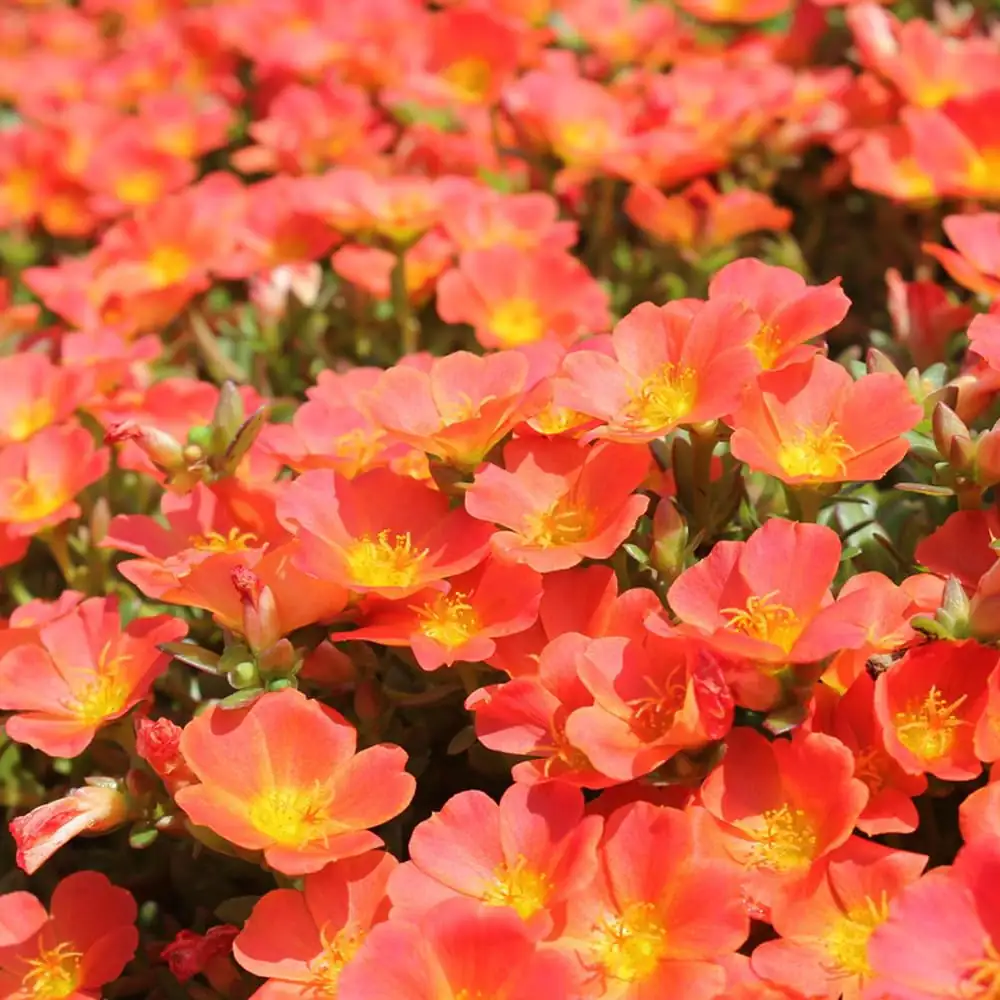
When it comes to brightening up your garden with minimal effort, Portulaca grandiflora, commonly known as Moss Rose, is your go-to plant. With its vibrant, rose-like blooms and ability to thrive in harsh conditions, it’s no wonder this plant is beloved by both novice and seasoned gardeners. Let’s dive into the essentials of caring for this colorful, sun-loving succulent.
Understanding Your Moss Rose
Moss Rose isn’t just a pretty face. Originating from the hot, dry plains of South America, this plant is a master of survival. Its succulent nature means it stores water in its fleshy leaves and stems, allowing it to withstand drought with ease. The flowers, in colors ranging from fiery reds and oranges to soft pinks and whites, open in the bright sun and close as the day dims. It’s as if they’re sunbathing, savoring every ray!
Choosing the Right Spot
To encourage your Moss Rose to flourish, finding the perfect location is key. Full sun is essential—aim for at least 6–8 hours of direct light daily. Think of them as little solar panels; more sun means more energy and more blooms! This makes them ideal for sunny borders, rock gardens, and containers where they can spill over the sides, creating a cascade of color.
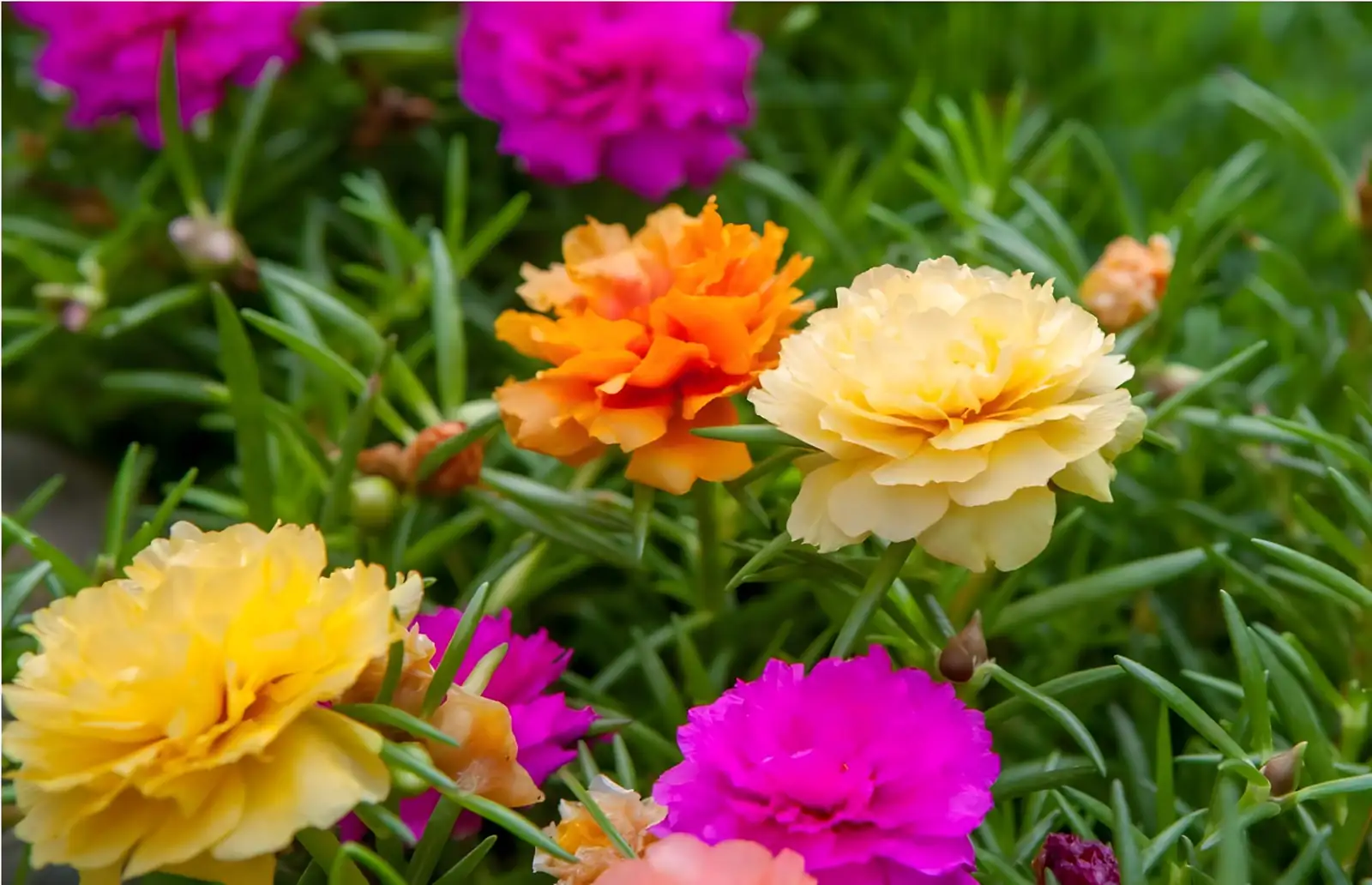
Watering and Soil: Finding the Balance
While Moss Rose is forgiving of neglect, it can be sensitive to too much love—especially in the form of water. The key is to water deeply but infrequently. In hot weather, once a week is generally sufficient, but always let the soil dry out between waterings. Overwatering is a common pitfall that can lead to root rot, so resist the urge to pamper these tough plants.
The Soil Story
Moss Rose prefers lean, well-draining soil. Sandy or rocky soils are perfect, and they’ll even thrive in poor soil as long as it drains well. Think of it as a plant that loves the challenge of a tough environment. If planting in containers, ensure they have drainage holes and consider adding sand or perlite to your potting mix to improve drainage.
Seasonal Care: Riding the Blooming Wave
From late spring through fall, Moss Rose will reward you with a continuous display of blooms, peaking in the warm summer months. Here’s how to keep the show going:
- Spring: Start seeds indoors or take cuttings after the last frost. Transplant them outdoors as the weather warms.
- Summer: This is their time to shine! Water only during extended dry spells, and let them soak up the sun.
- Autumn: They’ll keep blooming until the frost arrives. If you’re feeling adventurous, collect seeds for next year.
- Winter: In frost-free zones, they may persist with slower growth, but elsewhere, they’ll die back with the cold.
Propagation: Expanding Your Moss Rose Collection
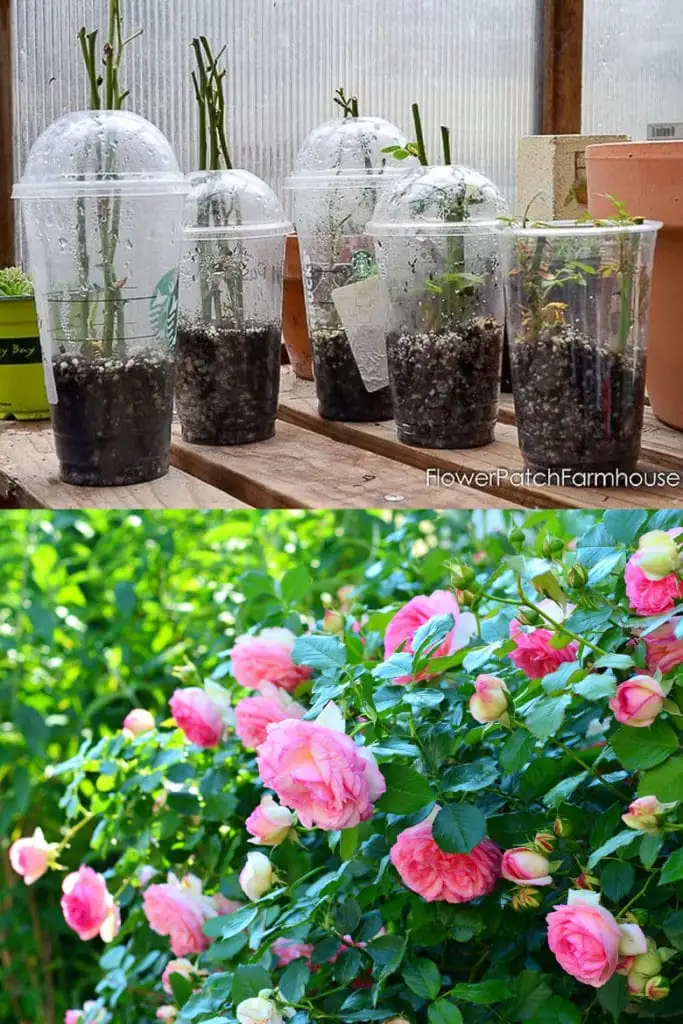
Growing Moss Rose from seeds is straightforward—start them indoors about 6–8 weeks before the last frost. Barely cover the seeds as they need light to germinate. If you prefer a quicker method, stem cuttings are an excellent option. Simply take a 10 cm (4 in) cutting, let it callus over, and then plant it in a sandy, lightly moist mix.
Common Concerns and Solutions
Despite their hardy nature, Moss Rose can face challenges like aphids or occasional slug damage. A strong spray of water or insecticidal soap often does the trick. The most significant threat is wet feet, so prioritize drainage and avoid soggy soil to prevent root and stem rot.
Why Isn’t My Moss Rose Blooming?
If your Moss Rose isn’t producing those vibrant blooms, it’s likely a lack of sunlight. Ensure they’re getting enough direct light, and be cautious with watering and fertilizing—too much nitrogen can lead to lush leaves at the expense of flowers.
The Joy of Moss Rose
In the language of flowers, Moss Rose symbolizes resilience, warmth, and happiness—a fitting tribute to their sunny disposition and ability to thrive in challenging conditions. Their cheerful blooms are a testament to perseverance, reminding us that beauty often thrives in the toughest environments.
So, whether you’re looking to add a splash of color to a rock garden or seeking a low-maintenance container plant, Moss Rose is a delightful choice. With a little sun, some well-draining soil, and a touch of neglect, these plants will reward you with a summer full of vibrant blooms. Happy gardening!


