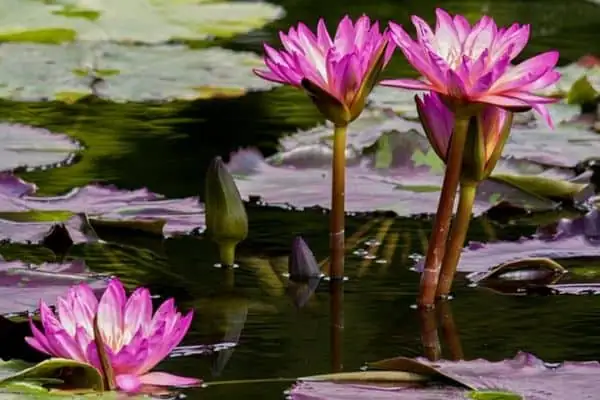
Imagine a mirror-still pond, dotted with round green plates and a bloom that opens like a sunrise, then closes with dusk. That’s Nymphaea—the water lily—one of gardening’s most rewarding “set-and-enjoy” plants. And the secret sauce is wonderfully simple: give them full sun, plant at the right depth, and feed with aquatic tablets on schedule. Do those three things, and your lilies will repay you with months of color, fragrance, and calm.
Here’s your friendly, practical guide to getting it exactly right—plus foolproof overwintering for hardy and tropical types.
Meet Nymphaea: What you’re growing
- Botanical name: Nymphaea (family Nymphaeaceae); nearly worldwide in distribution with around 65 native species.
- Also called: Water lily, Hardy Water Lily, Tropical Water Lily.
- Look and feel:
- Floating, round leaves with a signature notch; often glossy green above and purplish beneath. Some cultivars show dramatic mottling.
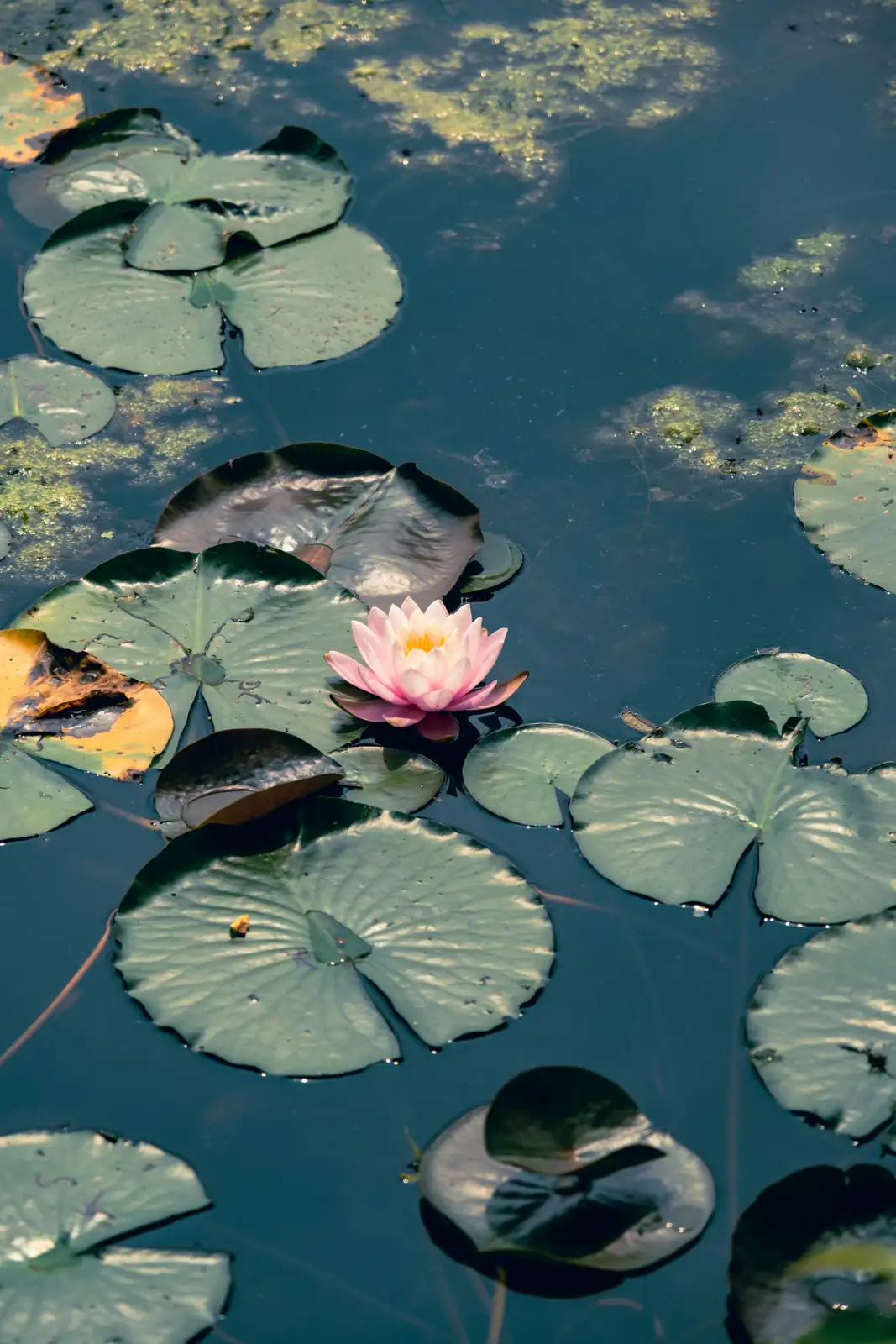
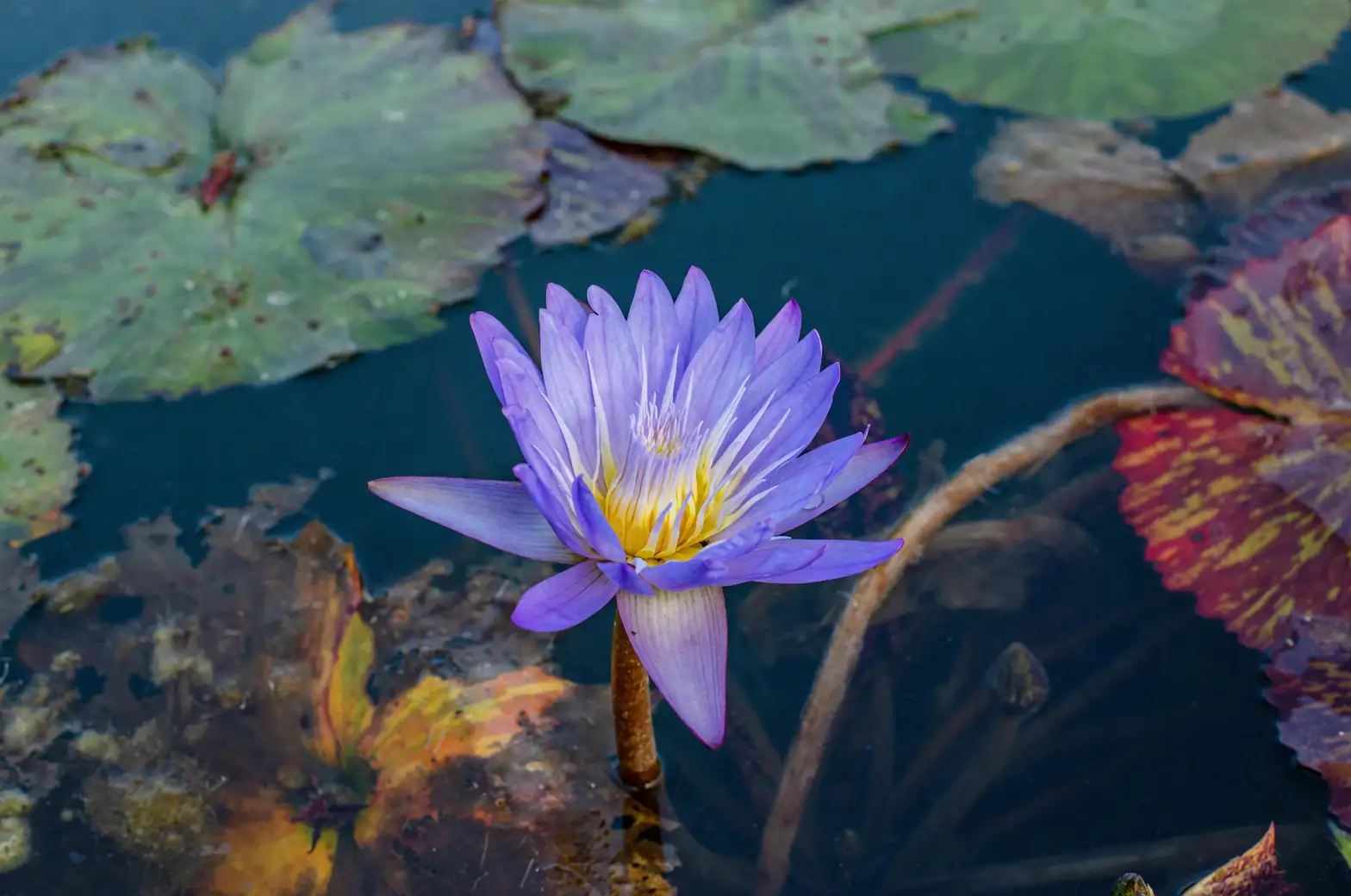
- Flowers open by day and close at night, usually lasting 3–5 days. Colors run white, yellow, pink, red, orange, and purple; among tropicals you’ll even find true blue. Many are pleasantly fragrant.
- Hardy vs. tropical: Hardy lilies often hold blooms near the water surface and have smoother leaf margins; tropicals tend to lift flowers higher and may have more toothed edges.
- Anatomy and growth: Thick rhizomes (or tubers in some tropicals) send up long stalks; plants spread gradually and appreciate division every few years.
The Big Three: Sun, Depth, Fertilizer
Nail these, and you’re 90% there.
1) Full sun—more is more
- Aim for 6–8+ hours of direct sun daily. Fewer hours = fewer flowers.
- Some cultivars will tolerate light shade (about 4–6 hours), but expect reduced blooming.
- Placement tips:
- Choose still or gently moving water; constant splashing and strong turbulence damage leaves and can suppress flowers.
- In containers or balcony tubs, pick the brightest, least-windy spot.
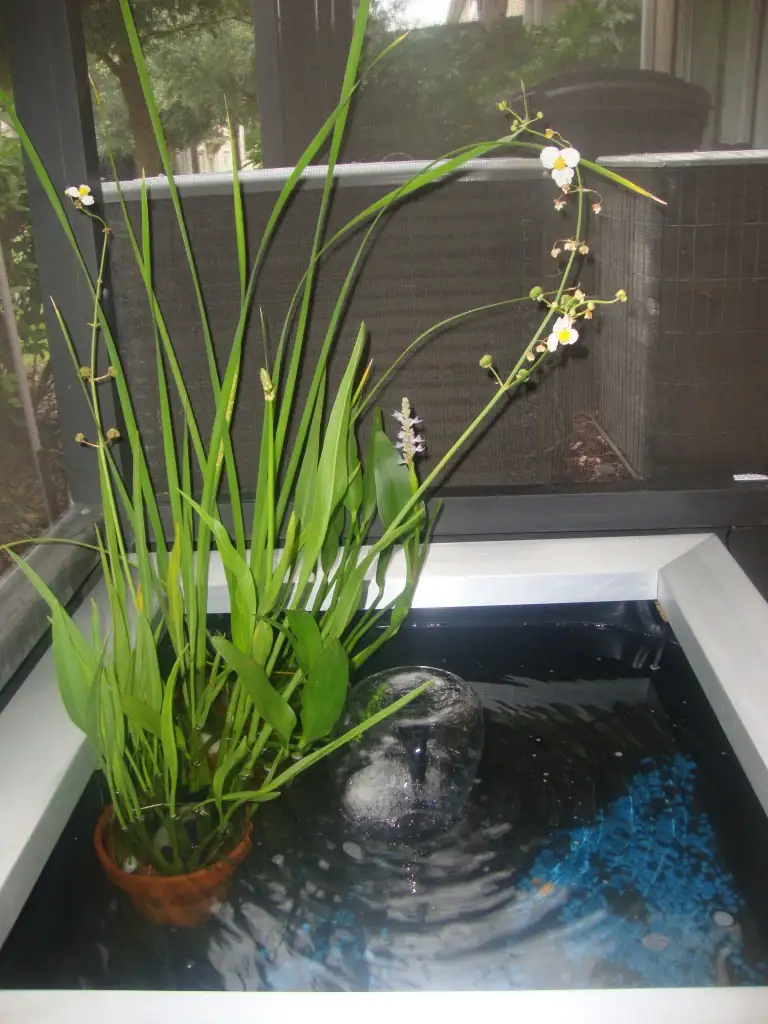
Indoor note: Yes, you can grow compact varieties indoors in a large watertight tub—use a very sunny window (ideally 4+ hours direct) or a powerful full-spectrum grow light.
2) Correct planting depth—set the table at the right height
- Rule of thumb: Keep 2–12 in (5–30 cm) of water above the soil surface/crown once established.
- Deep end: Very vigorous cultivars can sit as deep as 32 in (≈80 cm), but most flower best at moderate depths.
- Smart staging: Start new or recently divided plants shallow (just 2–4 in/5–10 cm of water over the soil) so pads can reach the surface quickly. As growth takes off, gradually lower the pot to its final depth over a few weeks.
- The right container and soil:
- Use a wide, heavy, shallow container (roughly 12–20 in/30–50 cm across and 8–10 in/20–25 cm deep is a sweet spot for many varieties).
- Plant in dense, nutrient-rich loam or clay-based aquatic soil with pH 6–8. Avoid fluffy potting mixes (peat, bark, perlite) that float and foul the water.
- After planting, top the soil with a thin layer of pea gravel to keep soil in place.
Planting angle tip: Set the rhizome so its growing tip is just above the soil line and pointed toward the center of the pot; backfill so the crown isn’t buried.
3) Regular tablet fertilizing—fuel the show
- When to feed: During active growth, roughly May–September.
- Hardy lilies: about once a month.
- Tropical lilies: about every 2 weeks for best bloom.
- What to use: Slow-release aquatic fertilizer tablets. Push them deep into the soil near the roots; never scatter fertilizer into the water.
- How much: Follow label rates by pot diameter. More isn’t better—overdoing it invites algae.

A 10‑minute planting recipe
- You’ll need: A water lily rhizome or young plant, wide heavy pot, aquatic soil, pea gravel, aquatic fertilizer tablets, pruners.
- Steps:
1) Half-fill the pot with aquatic soil.
2) Nestle the rhizome at a slight angle with the growing tip near the pot’s center and just peeking above soil.
3) Firm in more soil; leave the crown visible.
4) Insert fertilizer tablets near the rhizome.
5) Add a gravel cap.
6) Lower the pot into the pond or tub at a shallow depth (2–4 in/5–10 cm above soil).
7) As new pads reach the surface and lie flat, lower the pot a bit more until you hit the target depth for your cultivar.
Bloom‑boosting extras that really work
- Warmth matters:
- Tropical lilies thrive and bloom best in consistently warm water around 77°F+/25°C+; they slow dramatically below about 59°F/15°C.
- Hardy lilies tolerate cooler water and can begin flowering much earlier in the season than tropicals.
- Keep the surface calm: Avoid siting plants under waterfalls or fountain splash.
- Prune weekly: Snip yellowing leaves and spent flowers near the base to keep energy flowing to new blooms and help the water stay clear.
- Divide every 2–3 years: When pots get crowded, lift, trim away old woody rhizome, and replant vigorous pieces with 2–3 growing points.
- Water level: In containers, keep 2–4 in (5–10 cm) of water above the soil at minimum; top up during hot spells.
Overwintering made easy
Hardy water lilies (generally USDA Zones 4–10, cultivar dependent)
- In ponds: They can stay outside if the crown remains below the ice line. As autumn cools:
- Stop fertilizing.
- Remove old leaves and blooms.
- Move containers to the deepest part of the pond so the crown sits in unfrozen water.
- In small containers/cold snaps: If the whole vessel might freeze solid, overwinter the potted lily in an unfrozen, unheated space (garage/basement) with the crown submerged in water. Darkness is fine while dormant.
Tropical water lilies (typically USDA Zones 9–11; frost‑tender)
Choose one:
- Keep growing indoors: Bring the plant in before frost to a warm, bright setup; maintain water on the warmer side (ideally 77°F/25°C+).
- Store dormant: After frost threatens, lift and rinse. Store the firm tuber/rhizome in barely damp sand or peat at about 50–59°F (10–15°C) in darkness. Check monthly and keep slightly moist, not wet. Re‑pot and warm up in late spring.
- Or treat as annuals in cool climates and replant each year.
Troubleshooting: fast fixes
- Not flowering?
- Sun below 6–8 hours—move to full sun.
- Planted too deep—raise the pot.
- Underfed—resume tablet schedule.
- Overcrowded—divide and repot.
- Water too cool for tropicals—wait for steadier warmth or choose hardy types.
- Pads are small or “reaching” upward: Too deep or too little light—shallower placement and more sun help.
- Yellowing leaves early in the season: Normal on old leaves; remove. If persistent, consider nutrition or cold stress.
- Algae bloom: Avoid loose fertilizer in water; keep lilies healthy to shade the surface; prune decaying leaves promptly.
Pests, diseases, and pondmates
- Pests: Aphids (hose or dunk leaves to rinse), caterpillars (hand‑pick), leaf beetles, water mites.
- Diseases: Leaf spot, crown/rhizome rot—minimize by keeping water clean, giving strong sun, and removing affected leaves quickly.
- Wildlife nibblers: Fish are fine; turtles, crayfish, and some waterfowl may chew pads and buds—use barriers or relocate plants if needed.
Care calendar at a glance
- Spring (Mar–May): Plant/divide; start shallow; begin feeding as growth resumes.
- Summer (Jun–Aug): Peak bloom—stay on fertilizer schedule, prune weekly, maintain water level.
- Autumn (Sep–Nov): Reduce/stop feeding; clean up foliage; prepare hardy lilies for deeper placement; lift tropicals before frost.
- Winter (Dec–Feb): Hardy lilies rest below the ice line; tropicals are stored warm and dry (as tubers) or grown indoors warm.
Choosing and buying
- Pick size to fit your water feature: compact cultivars for tubs and half‑barrels; more vigorous ones for ponds.
- Buy firm, healthy rhizomes/tubers or strong young plants with intact leaves and no odor of rot.
Safety note
Some species contain bioactive alkaloids; raw plant parts aren’t recommended for people or pets. In certain regions, parts are eaten only after thorough cooking/processing.
Symbolism and story: the deeper meaning
Water lilies are emblems of purity, serenity, and renewal, celebrated for “rising clean from muddy water.” The very name Nymphaea honors Greek nymphs—spirits of water and woodlands. In ancient Egypt, water lilies symbolized the sun’s daily rebirth, and their images shimmer through temples and tombs. Centuries later, Monet’s water‑garden muses turned into about 250 Water Lilies paintings, forever linking Nymphaea with contemplation and light. That’s the essence of their flower language: clarity that emerges from murk, beauty born from patience and poise.
Quick FAQ
- Water lily vs. lotus?
- Water lily leaves usually float and have a distinct notch; flowers sit on or just above the surface. Lotus leaves and blooms rise well above the water, the leaves are round without a notch, and lotus form the famous showerhead‑style seedpod.
- Can I grow a water lily indoors?
- Yes—use a big, wide container, a compact cultivar, and very bright light (ideally direct sun or a strong grow light). Keep water calm and follow the same tablet feeding schedule.
- How deep is too deep?
- More than 12 in/30 cm of water over the crown can suppress many cultivars’ flowering. Only very vigorous types enjoy depths approaching 32 in/80 cm.
- How often should I repot?
- Every 2–3 years, or sooner if the pot is choked with rhizome or blooms decline.
Fast facts to wow your guests
- Many water lily flowers open in daylight and close at night, living 3–5 days.
- Their ultra‑water‑repellent leaves inspired “self‑cleaning” surface tech.
- Some cultivars change color as each flower ages.
- Bangladesh’s national flower is a water lily.
The takeaway: Give Nymphaea full sun, set it at the right depth, and feed regularly with aquatic tablets. Keep the water calm, prune as you go, and follow the simple hardy‑vs‑tropical overwintering rules. Do that, and you’ll have floating fireworks all season long.