

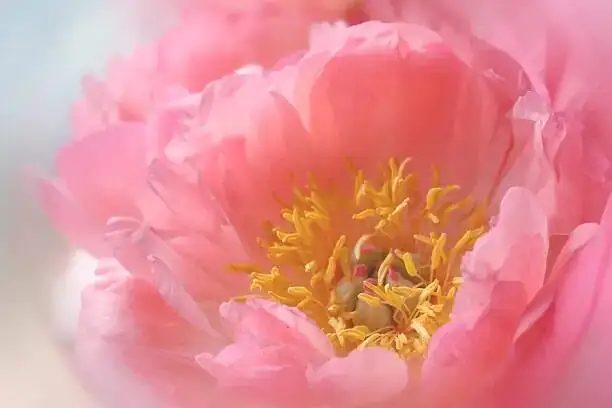
If you’ve ever gasped at a peony the size of a teacup saucer and wondered how to make that magic happen at home, welcome. Chinese Peony (Paeonia lactiflora) is a sun-loving, winter-dormant perennial that rewards a good site, correct planting depth, and steady, not soggy, moisture with outrageous late-spring blooms. Treat it like a bear that needs a proper winter nap and a roomy den: let it chill, keep its crown dry, and it will wake ready to perform.
Meet Chinese Peony (Paeonia lactiflora)
- An herbaceous perennial from the family Paeoniaceae that dies back to ground level in winter and surges up in spring.
- Size: typically 60–100 cm tall and 60–90 cm wide, forming a dense, upright clump.
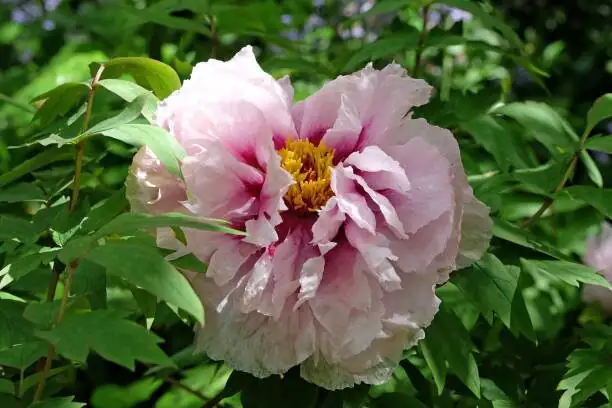
- Flowers: single to fully double, often fragrant, carried on sturdy stems—prime for cutting.
- Bloom window: late spring to early/mid-summer (often May–July, climate and cultivar dependent).
- Best where summers are cool to moderate; prolonged intense heat can reduce vigor and flowering.
- Hardiness: commonly USDA Zones 3–8 (may manage in Zone 9 if winter chill is sufficient).
Sunlight, Site, and Soil: Set the Stage for Success
Sunlight
- Aim for full sun: at least 6 hours daily for stout stems and maximum bloom.
- In hot-summer regions, give morning sun with light afternoon shade to prevent heat stress and color fade.
- Too much shade leads to stretchy growth and fewer, duller flowers.
Airflow and Placement
- Choose an open spot with good airflow to discourage leaf spots and crown troubles.
- Ideal in sunny borders, cutting gardens, or large containers on a bright patio.
Soil Preparation
- Texture: deep, fertile, well-drained loam that holds moisture without staying wet.
- Amendments: blend in compost or leaf mold for fertility and structure; add coarse sand/grit where drainage is slow.
- Drainage check: after rain or irrigation, water should move away promptly—peonies resent waterlogging.
- Avoid strongly saline or highly alkaline conditions; raised beds can help on heavy sites.

Planting the “Eyes” at the Right Depth
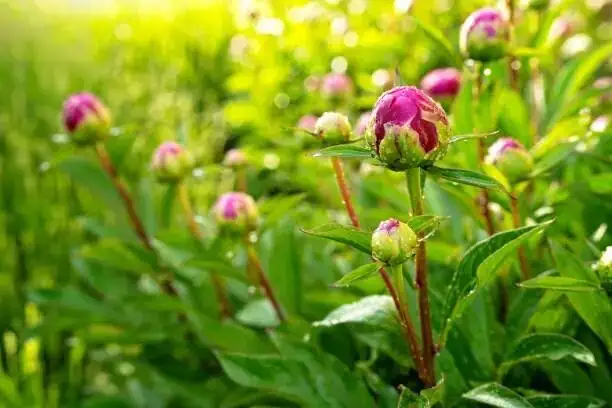
The single most common bloom-killer is planting too deep. The pink or white buds (“eyes”) at the crown need light and seasonal temperature cues.
- Timing: plant or replant while dormant, mid-autumn through winter (roughly Oct–Feb).
- Depth rule: set the crown so the eyes are level with the soil surface—or only slightly below, adjusted to local winter severity.
- How-to (bare-root):
- Loosen soil 30–40 cm deep and wide; mix in compost and drainage grit if needed.
- Create a shallow mound; spread thick, fleshy roots over it, eyes facing up.
- Backfill to the correct depth; firm gently.
- Water to settle (not to saturate); label the spot.
- Mulch lightly, keeping mulch off the crown to avoid rot.
- Spacing: allow 60–90 cm between plants for airflow and future girth.
Watering Rhythms Through the Year
Think “evenly moist, never soggy,” with the crown kept airy and dry.
- Spring (shoots and buds forming): keep steady moisture; avoid dry-downs that can stunt buds.
- Late spring–summer (flowering): do not let it parch. Water at the base; shield during heat spikes with temporary light shade if needed.
- After heavy rain: check that water drains away promptly from the crown zone.
- Autumn: maintain moderate moisture so plants can rebuild reserves.
- Winter (dormant): water sparingly; cold, wet soil invites rot. In very cold areas, mound soil and/or mulch lightly above the crown to buffer freeze–thaw.
Feeding for Bloom Power
- Feed 2–3 times during active growth with well-rotted organic fertilizer or diluted organic liquid feed.
- Around bud formation, switch to a bloom-leaning regimen higher in phosphorus and potassium to support bigger, brighter flowers.
- During dormancy, tuck a slow-release organic amendment near—but not on—the crown.
Season-by-Season Care Plan
Winter: Dormancy Unlocks the Show
- What’s happening: crowns sleep while cold temperatures cue future flowering. Dormant, established crowns can tolerate lows near -15°C (5°F).
- Care now:
- Keep soil on the drier side; never waterlogged.
- In colder regions, lightly mulch/mound to shield buds from exposure and freeze–thaw.
- Plant, repot, or divide now if needed.
- Remove and discard old stems/leaves to reduce disease carryover.
Why chill matters: herbaceous peonies require winter cold to set strong buds. Without adequate chill, flowering can be sparse or skipped the following spring.
Early Spring: Wake-Up and Build
- Uncover crowns gradually as frost risk eases.
- Sun strategy: full sun exposure for sturdy, bloom-ready stems.
- Water: resume even moisture; avoid overhead watering.
- Feed: first organic feed of the season.
- Hygiene: keep the crown free of mulch and debris; scout early for aphids or mites.
Late Spring to Early Summer: Peak Bloom
- Water: consistent, at the base.
- Heat management: in hot spells, offer light afternoon shade to preserve petals and plant vigor.
- Disbudding: remove side buds to channel energy into a single, larger bloom on each stem if you want show-size flowers.
- Stems: well-grown plants often stand on their own; stake only if needed.
- Cut flower tip: harvest when buds are firm and just showing color for top-tier vase life.
- Deadhead after flowering (unless saving seed) to redirect energy into roots and crown.
Mid/Late Summer to Autumn: Rebuild the Battery
- Water: moderate, steady moisture while the plant refuels below ground.
- Feeding: second/third gentle feeds; avoid heavy nitrogen.
- Shade: temporary heat protection in hot regions.
- Cleanup: when foliage yellows in late autumn, cut stems to ground level and remove debris to reduce disease.
Container Culture (Balconies Welcome)
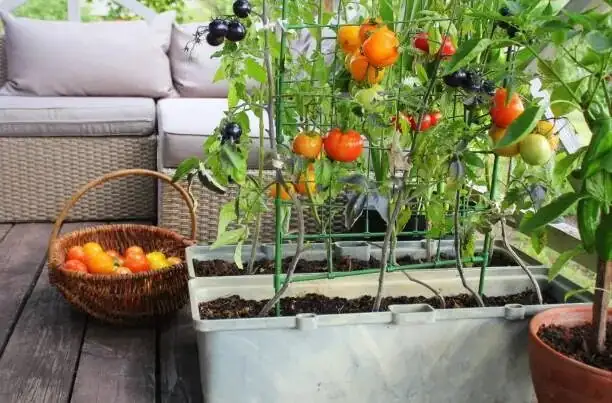
- Pot: minimum 20–25 cm diameter to start—bigger is better long-term. Ensure generous drainage holes.
- Mix: rich but free-draining medium with compost and mineral grit.
- Sun: full sun; shift to light afternoon shade during heat waves.
- Water: containers dry faster—aim for even moisture without soaking the crown.
- Repot/divide: only while dormant (Oct–Feb). Keep eyes at soil surface level. Avoid spring disturbance—it delays flowering.
Troubleshooting Fewer or No Blooms
- Planted too deep: eyes need to be level with or only slightly below the soil surface.
- Too little sun: fewer than 6 hours reduces bloom.
- Insufficient winter chill: mild winters can suppress flowering.
- Overheated summers: prolonged heat stress saps vigor; offer afternoon shade and keep moisture steady.
- Recently moved/divided or too-young divisions: allow 1–3 seasons to settle (and 3–5 years from seed).
- Waterlogging or very dry spells at bud time: maintain even moisture and excellent drainage.
- Frequent spring disturbance: dividing or repotting in spring sets plants back.
Pests and Diseases: Prevention First
- Common issues:
- Leaf spotting and botrytis-like blights.
- Serious basal rots such as southern blight (white mycelium/rot at the base).
- Aphids and spider mites on soft new growth.
- Prevention and response:
- Excellent drainage and open airflow are non-negotiable.
- Water at soil level; keep foliage dry where possible.
- Remove and dispose of old stems/leaves each autumn.
- Treat early pest flare-ups with strong water sprays, horticultural soap/oil, and—if needed—label-directed controls.
- If rot appears, reduce watering, improve drainage immediately, and, during dormancy, lift to trim away rotted tissue and replant in freer-draining soil.
Propagation and Division
- Division (standard method): September–December is prime time.
- Cut top growth down.
- Lift carefully; split along natural cracks.
- Each division should carry about 3–5 plump eyes; avoid nicking bud tips.
- From seed: sow fresh seed soon after ripening (often July). Expect roots to form that autumn, shoots the following spring, and 4–5 years to first flowers—patience required.
Flower Language, History, and Meaning
Across East Asia, Chinese Peony symbolizes romance, affection, prosperity, honor, and a happy marriage—meanings rooted in centuries of garden culture, literature, and art that celebrated its lush, opulent bloom as a mark of refinement and good fortune. Historically, petals appeared in sweets and fragrant porridges, while the roots—especially in “white peony root” preparations—hold a long place in traditional herbal practice. Modern research has examined compounds such as paeoniflorin, but for any medicinal use, seek qualified guidance rather than self-medicating.
At-a-Glance Annual Calendar
- July: Sow fresh seed if propagating that way.
- Late summer–autumn: Keep moisture moderate while foliage feeds the roots.
- September–December: Divide if needed.
- Mid-October to mid-February: Best window for planting/repotting while dormant. Set eyes level with the soil surface.
- Spring: Full sun, even moisture, zero standing water; first feed as shoots emerge.
- Late spring–summer (flowering): Steady watering, excellent drainage, light heat protection in hot climates; disbud for giant blooms.
- Winter: Dormant—mulch/mound lightly in cold regions; keep on the drier side and never waterlogged.
Treat Paeonia lactiflora to sun, a breathable crown, a winter chill, and patient hands. Do that, and each year it will come roaring back from its slumber with bigger, brighter, more fragrant blooms—luxury you can grow for decades.