

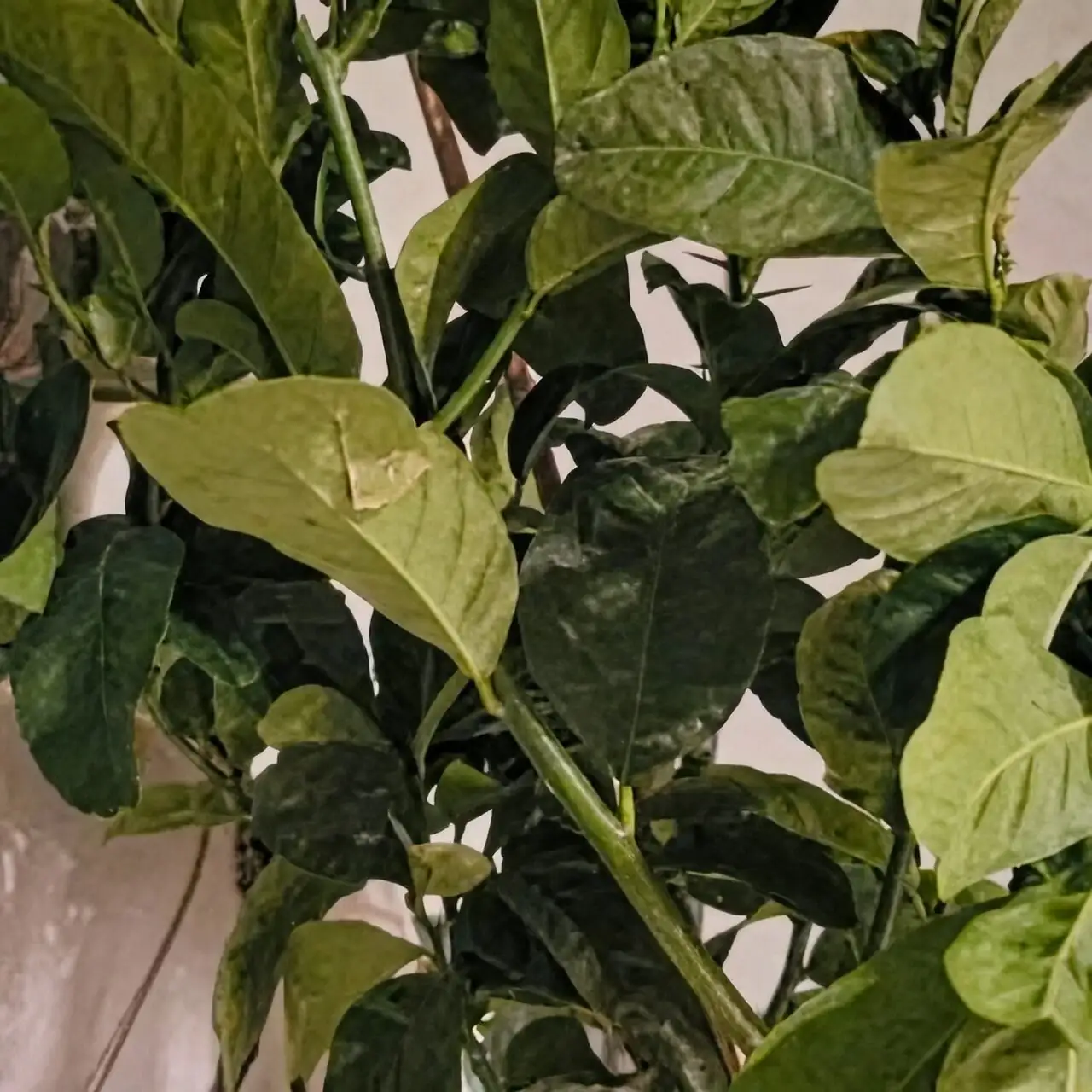
Imagine a living sculpture that perfumes the room in winter, then stretches back into the sun when the air warms. That’s Citrus medica var. sarcodactylis—Buddha’s Hand citron—an evergreen citrus that rewards good timing. Use this temperature-mapped roadmap to know exactly when to repot, thin blooms, shuttle it between outdoors and a bright, cool perch indoors, and how to feed through each growth flush.
Meet Buddha’s Hand (and what makes it tick)
- Identity: Citrus medica var. sarcodactylis (Rutaceae), also called Buddha’s Hand, Fingered Citron
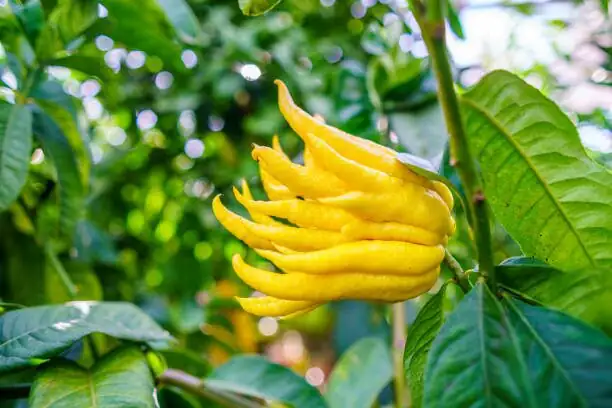
- Look and purpose: A compact, container-friendly evergreen shrub with glossy leaves and wildly fragrant, fingered yellow fruits. It’s grown more for perfume, rind, and winter display than for juice.
- Origin story: Long cultivated in tropical regions of China and India; a classic festive plant and symbol of good fortune.
The seasonal roadmap by temperature (not just by month)
Think in temperature bands and visible growth phases. Your plant’s calendar changes with your climate, but these thresholds don’t.
5–12°C (41–54°F): Bright, cool winter holding pattern
- When this happens: Late autumn through winter; or any time your home is cool and bright.
- Where to keep it: Indoors in a bright east/south window or cool sunroom. Aim for 5–12°C to hold fruit beautifully and reduce stress.
- Water: Sparing but consistent. Water deeply only when the top layer is nearly dry. Never leave water in the saucer—waterlogging quickly triggers leaf and fruit drop.
- Feed: None at this stage.
- Light: Bright light; sun is fine through winter glass.
- Move indoors before: Night temperatures dip below about 8–10°C (46–50°F).
- Caution: Cold damage can occur below about 4°C (39°F). Avoid prolonged indoor temps below 8°C and heat above 35°C.
12–18°C (54–64°F): Waking up—pre-flush prep (late winter to early spring)
- What you’ll see: Buds swell; the plant gears up for a growth flush.
- Repot now (about every 2 years): Early spring is ideal—before strong new growth.
- Pot: Around 30 cm (12 in) diameter is common for display plants.
- Mix: Slightly acidic, fertile, free-draining. Use a loam-based base + leaf mold/compost + coarse sand. Avoid alkaline media.
- Aftercare: Lightly prune top growth to rebalance any root work.
- Structural prune: Before bud break, remove crowded, weak, or overly vigorous shoots; keep shorter fruiting spurs.
- Feed: Wait until active growth truly begins (see next band).
18–28°C (64–82°F): Prime growth and bloom management (spring to summer)
- Outdoors? Yes, with acclimation: Shift outside once nights hold above ~10°C (50°F).
- Harden off for 7–10 days in dappled light, then move to bright sun with light noon shade in harsh midsummer.
- Airflow matters; avoid stagnant corners.
- Light: Bright with some direct sun; shield leaves from scorching midday summer rays.
- Water: Keep evenly moist, never soggy. In heat, don’t let the mix dry out completely.
- Feeding—by plant age:
- Year 1 after repotting: Skip fertilizer.
- Year 2: Feed about every 2 weeks during active growth with a citrus fertilizer or balanced formula that includes micronutrients.
- Year 3 onward:
- Pause feeding when flower buds first appear.
- After fruit has set, feed about weekly while growth is active.
- Bloom thinning (the secret to showy fruit):
- Spring bloom: Thin more heavily; this improves fruit quality and avoids stress.
- Summer bloom: Keep more flowers for the main fruit display.
- Target: About one fruit per branch for best shape and size. Remove extras early after initial set.
- Pro tip: Some growers support fruit development with 1–2 light foliar sprays of monopotassium phosphate at bud stage. If you try it, follow product directions carefully.
>28–35°C (82–95°F): Heat management (midsummer spikes)
- Shade: Provide light midday shade to prevent scorch.
- Watering: Check daily in heat; water thoroughly when the top layer is nearly dry.
- Feeding: Stay on plan but don’t overdo it—excess salts plus heat can stress roots.
- Humidity: Typical household humidity is fine; in very dry air, light morning misting can reduce leaf drop.
15–22°C (59–72°F): Late-summer to autumn reset (fruit sizing, new wood)
- Water: Still careful—during fruiting, avoid waterlogging and make sure no water lingers in the saucer.
- Pruning: Light touch. Preserve strong autumn shoots; these often become next year’s fruiting wood.
- Feeding: Continue your age-appropriate schedule only while the plant is still actively growing. As temperatures cool and growth slows, ease off.
8–12°C (46–54°F): Autumn move-in and winter display
- Move in before: Nights slip below ~8–10°C. Early is better than a stressed, leaf-dropping dash.
- Winter position: Bright, cool indoor spot at 5–12°C. This is the peak ornamental season—fruit can perfume a room for days.
- Water: Sparingly. Root rot is the #1 winter killer.
- Feed: Not in winter.
A quick month-to-month cheat sheet (temperate Northern Hemisphere)
- Feb–Mar: 12–18°C indoors. Pre-flush: repot (q2y), structural prune, get light right.
- Apr–May: Rising to 18–28°C. Move outdoors after hardening off; start feeding (Year 2) as growth takes off.
- May–Jun: Spring bloom. Thin flowers; pause feed at bud stage (Year 3+), resume weekly after fruit set.
- Jul–Aug: 22–35°C. Main growth; provide noon shade in harsh sun. Keep evenly moist; don’t miss waterings.
- Sep: 18–24°C. Fruit sizing. Light shaping only; keep strong autumn shoots.
- Oct: 12–18°C falling. Reduce water slightly; prepare to move indoors before sub-10°C nights.
- Nov–Jan: 5–12°C bright, cool indoors. Hold fruit; water sparingly; no feed.
Feeding decoded (so you never guess again)
- Formulation: Citrus-specific or balanced with micronutrients; slightly acidic conditions help nutrient uptake.
- Year 1 after repotting: No fertilizer.
- Year 2: Every 2 weeks during active growth (roughly 18–28°C with visible new leaves).
- Year 3 onward:
- When buds appear: Pause feeding.
- After fruit set: Feed weekly while actively growing.
- Optional technique: 1–2 careful foliar sprays of monopotassium phosphate at bud stage can support fruit development; follow label especially if you plan to use the rind for food.
Potting mix, pot size, and the repot rhythm
- Pot: Around 30 cm (12 in) diameter suits many display plants; size up only when roots warrant.
- Timing: Early spring, about every 2 years, just before growth takes off.
- Mix recipe: Loam-based medium + leaf mold/compost + coarse sand for drainage. Slightly acidic is best; avoid alkaline blends.
- Non-negotiable: Never let the pot sit in water. Waterlogging is a fast track to leaf/fruit drop.
Thinning flowers and fruit like a pro

- Why thin? Better fruit form and fragrance, less stress, and fewer premature drops.
- When:
- Spring flush: Thin more aggressively; spring-set fruit often drops or distorts if too many remain.
- Summer flush: Keep more; this is your show crop.
- How:
- Remove smaller or shaded blooms first.
- After set, keep the best-positioned young fruit and remove extras, aiming for one per branch for display-grade results.
Watering through the year (simple rule that works)
- Golden rule: Water when nearly dry, then water deeply.
- Spring–summer active growth: Keep the mix lightly and consistently moist; in heat, don’t allow a full dry-out.
- While fruiting: Be a touch drier between waterings and never leave water standing in the saucer.
- Winter cool period: Water sparingly. Roots are slower; soggy soil equals trouble.
Indoors vs. outdoors: light and temperature choreography

- Outdoor season: Bright sun with light noon shade in harsh summer; steady airflow helps deter pests and scorch.
- Indoor winter: Bright, cool, and calm (5–12°C). Too warm indoors = leaf drop and stressed fruit.
- Transitions:
- Out in spring when nights >10°C; harden off under dappled light.
- In during autumn before <8–10°C nights. Early, gentle transitions prevent shock.
Pruning and training windows
- Early spring (pre-bud break): Structural edits—remove weak, crowded, or overly strong shoots; keep fruiting spurs.
- Summer: Light shaping and airflow tweaks only.
- Autumn: Preserve strong new shoots; they’re often next year’s fruiting wood.
Pests, health, and safety—timed tactics
- Usual suspects: Aphids and scale; their honeydew invites sooty mold.
- Prevention: Good airflow, bright light, no overcrowding, steady watering habits.
- Treatment: Citrus-safe horticultural oil or soap early, per label—especially important if you’ll candy or zest the rind.
- Note: Generally non-toxic, but citrus oils can irritate sensitive skin; keep curious pets from chewing.
Why this plant shines in winter: use and symbolism
- Use: A prized winter potted fruit for seasonal display; aromatic rind perfumes rooms, candies beautifully, and flavors preserves and drinks.
- Symbolism: In East Asian culture, Buddha’s Hand symbolizes blessings, longevity, and good fortune. The “fingers” resemble a hand in offering or prayer—making it a meaningful centerpiece during festivals and the Lunar New Year.
At-a-glance decisions you’ll make each year
- Repot: Early spring every 2 years, before strong growth.
- Move out: After nights stay above ~10°C; harden off to sun.
- Thin: Spring flowers more; keep more summer flowers/fruit. Aim for one fruit per branch.
- Feed: Year 2, biweekly in active growth. Year 3+, pause at bud stage; resume weekly after set.
- Move in: Before nights dip below ~8–10°C; hold fruit at 5–12°C indoors.
- Water: Evenly moist in growth, cautious while fruiting, sparing in winter. Never waterlog.
Follow the thermometer and the plant’s cues—soft new tips mean “feed and grow,” swelling buds mean “pause, then feed after set,” and cooler, slower days whisper “ease off, and enjoy the perfume.” With that rhythm, your Buddha’s Hand will look (and smell) like a small miracle every winter.