

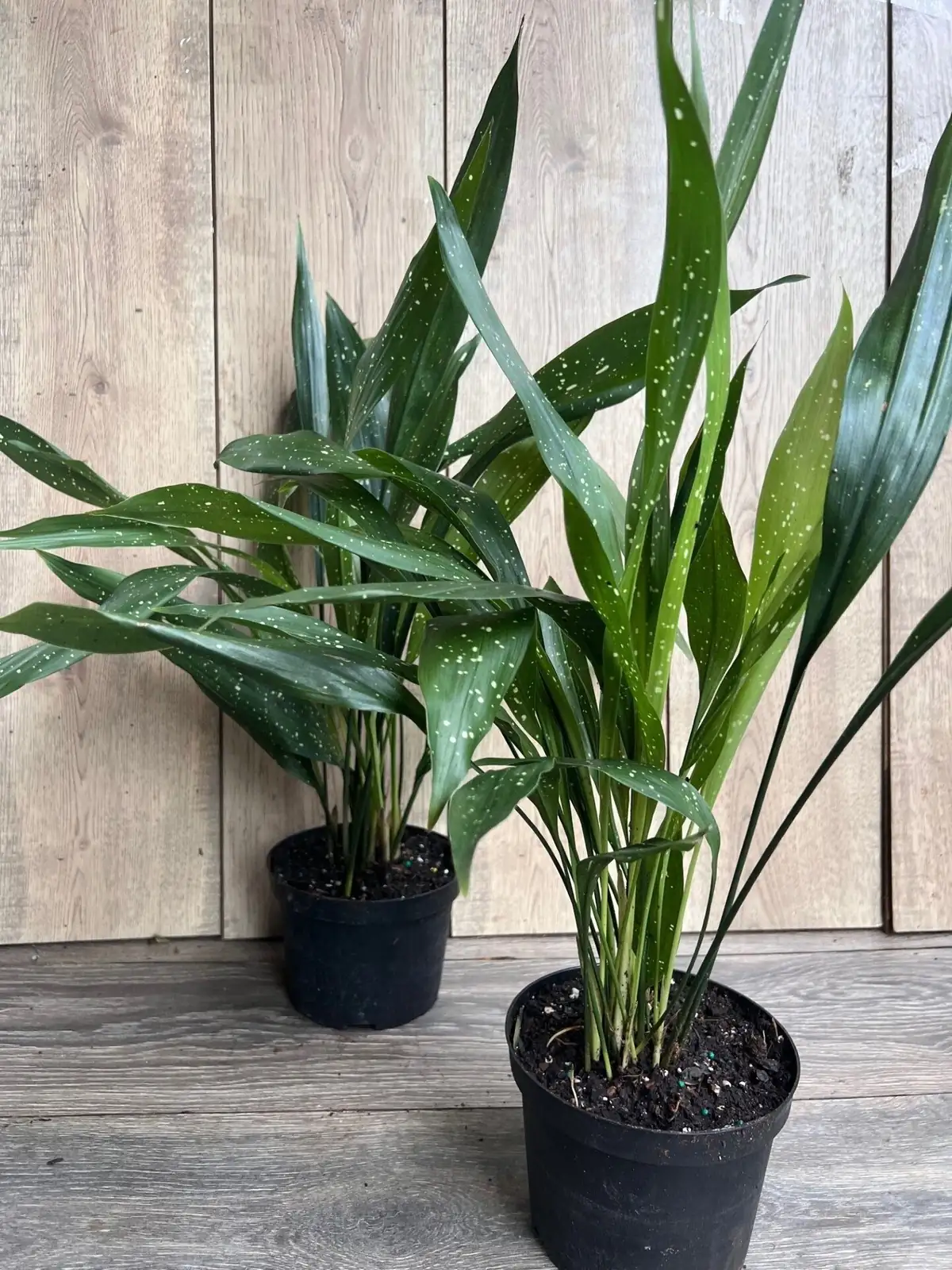
If the classic cast-iron plant is the little black dress of houseplants, ‘Variegata’ and ‘Milky Way’ are the sequined versions—quietly glamorous, tough as nails, and perfect for rooms where other divas wilt. The secret to keeping those creamy stripes and starry speckles crisp? A few lighting and watering tweaks that protect pale tissue from scorch and prevent patterns from fading into plain green.
Meet Aspidistra elatior, the enduring icon
- Family: Asparagaceae; genus: Aspidistra
- Also known as: Cast-iron plant, Aspidistra, Bar-room plant
- Origin: Native to Japan (especially the Ryukyu Islands) and Taiwan; now a beloved houseplant worldwide
- Look: Long, leathery, arching leaves rising from slow-spreading rhizomes. Flowers are quirky—small, brownish‑purple bells produced right at soil level, mostly late winter to spring, and easy to miss indoors.
- Superpower: It stays handsome in low light and average home humidity, shrugging off neglect better than most foliage plants.
Cultivar spotlight
- ‘Variegata’: Elegant, white-to-cream striping along green leaves. Stripes can be bold bands or fine pinstripes depending on the clone and light levels.
- ‘Milky Way’: Deep green leaves spattered with fine white speckles—as if the night sky moved into your hallway. Dots can be dense or sparse and tend to be subtler in lower light.
Light that keeps stripes bright and speckles sharp

Variegated aspidistras want more light than their solid-green cousins, but never harsh sun. Think “bright shade.”
- Best placements
- A bright north window
- 1–3 m (3–10 ft) back from an east window
- West or south windows behind a sheer curtain, or set well back from the glass
- Seasonal tweak
- Winter: Move closer to the window or use a sheer-filtered spot to keep markings strong as days shorten.
- Summer: Pull back from intense afternoon sun to prevent tan patches on the creamy areas.
- Tell-tale signs
- Fading stripes/speckles or leaves going “more green”: Not enough light. Edge the plant closer to bright, indirect light.
- Tan blotches or crispy edges on pale tissue: Too much direct sun. Add a sheer or increase distance from the window.
- Small habits, big payoff
- Rotate the pot a quarter-turn monthly for even color and upright growth.
- Dust leaves gently—clean leaves capture more light without needing riskier sun exposure.
Watering that protects variegation (and roots)
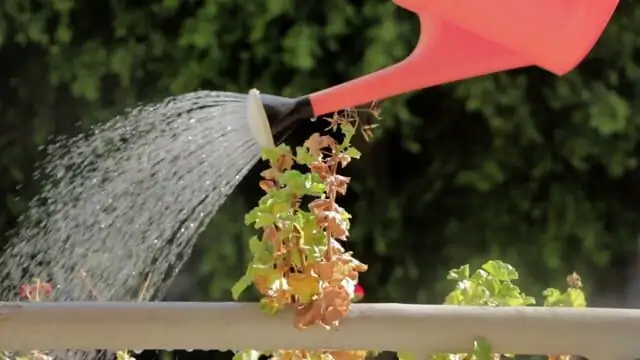
Aspidistra dislikes soggy shoes. Pale leaf tissue on variegated types is the first to complain when roots stay wet or when salts build up.
- Simple rule: Water when the surface of the mix feels dry, then allow excess to drain fully. Never let the pot sit in water.
- In winter: Water less frequently.
- Technique
- Check, don’t schedule. Use your finger to test the surface; water thoroughly once it’s dry to the touch.
- Use a pot with a drainage hole and a saucer you can empty.
- If tips brown from fertilizer salts, flush the pot with plain water to leach residues.
- Warning signs
- Limp leaves + wet mix: Overwatering risk—let the mix dry more between drinks and check drainage.
- Leaves thin, edges crisping but mix is dry for long stretches: Underwatering—soak through when the surface dries next time, rather than frequent sips.
Soil and potting for steady, spotless leaves
- Mix: Loose and well-draining. A practical, airy blend is 1:1 standard potting soil and a multi‑purpose mix; add perlite if needed to keep it fluffy.
- Pot size: 12.5–20 cm (5–8 in) suits most indoor clumps.
- Repotting: Every 2–3 years, one pot size up only. Crowded rhizomes actually look fuller and tend to behave better.
- Planting depth: Keep the rhizome crowns just at or slightly above the soil surface; don’t bury them.
Feeding for finesse (not for speed)
- When: Spring through late summer
- How: Monthly at half strength with a balanced liquid fertilizer
- Why gentle: Heavy feeding doesn’t “create” variegation and can push soft growth that marks or browns faster. Skip feeding in autumn and winter.
Temperature and humidity
- Preferred range: Cool to moderate rooms, around 5–20°C (41–68°F). Protect from hard frost.
- Humidity: Low to average is fine—no extra misting needed.
- Drafts: Keep away from heat blasts and scorching sun through glass; both can scorch pale tissue.
Placement ideas that flatter variegation
- Hallways, shaded corners, or north-facing rooms where a brighter plant would sulk
- On a low plant stand near an east window with a sheer—light is gentle, stripes stay crisp
- Group with matte, dark pots to let speckles and stripes take center stage
Troubleshooting stripes and speckles
- Stripes turning green or speckles fading: Increase bright, indirect light; keep leaves clean. Avoid heavy, frequent feeding.
- Tan patches on white/cream areas: Sun scorch—pull back from direct rays or add a sheer.
- Edges browning, especially on variegated leaves: Allow water to drain freely; flush salts occasionally; keep away from hot drafts.
- Whole leaf yellowing from the base: Often a natural shed of an old leaf; if several at once with wet soil, suspect overwatering.
Quick care calendar
- Spring to late summer: Bright, indirect light; water when the surface dries; feed monthly at half strength.
- Autumn: Maintain light; ease off fertilizer.
- Winter: Water less; move slightly closer to light if patterns fade.
- Every 2–3 years: Repot one size up; divide rhizomes if you want more plants.
Propagation by division
- Best time: During repotting
- How: Slice the rhizome into sections with several leaves and healthy roots; pot each division in a well-draining mix, keeping crowns just at the surface. Water lightly at first.
Buying guide for variegated beauties
- Look for: Firm, upright leaves; clean, healthy crowns (the base where leaves emerge); clear, stable variegation pattern.
- Avoid: Sour-smelling, constantly wet pots; multiple yellowing leaves; soft or sunken crowns.
Pests, diseases, and safety
- Generally trouble-free
- Watch for: Scale, mealybugs, spider mites—especially in dry, dusty conditions. Treat early and wipe leaves.
- Root rot: Prevent by avoiding waterlogged soil and letting the surface dry between waterings.
- Toxicity: Commonly regarded as non-toxic to cats, dogs, and people.
Outdoors and hardiness
- In mild climates (USDA 8–11): Grow in deep to partial shade; shelter from severe freezes. Even outside, avoid direct, harsh sun if you’re growing variegated forms.
A tiny floral secret
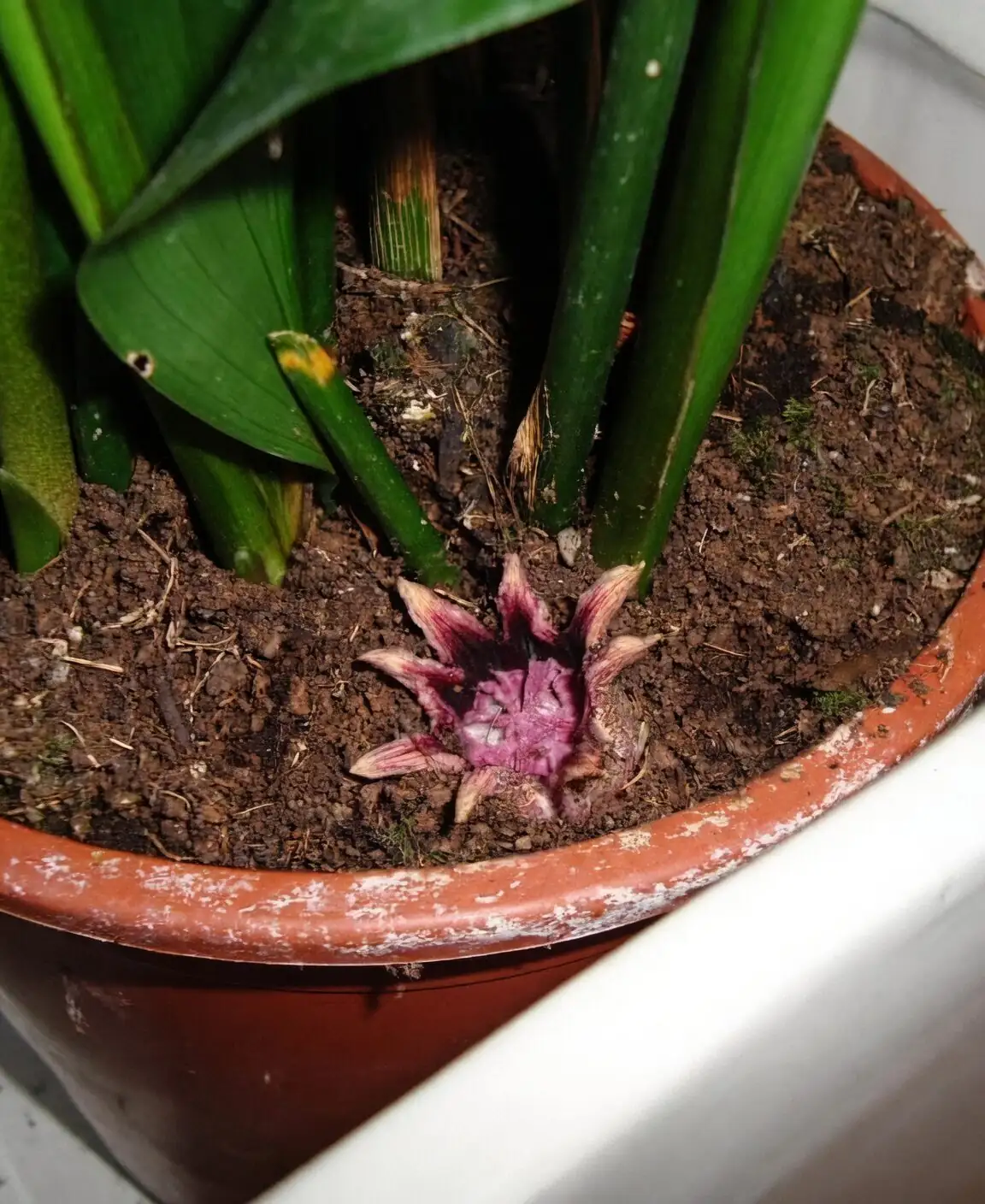
Those curious brownish‑purple flowers at soil level show up late winter to spring, often hidden under the foliage. They’re more conversation starter than floral display, which is exactly on-brand for a plant that puts its style into leaves.
Symbolism and “flower language” (花语)
- Meaning: Endurance and resilience—born from its ability to thrive where other plants struggle, and its storied reputation in dim, smoky Victorian interiors (hence “bar‑room plant”).
- Flower language context: While modern “花语” marketing often assigns romantic meanings loosely, Aspidistra’s symbolism is unusually well grounded in history and horticulture: a plant that survives neglect with poise. It even earned a literary cameo in the 20th century as a shorthand for stubborn perseverance.
In short: keep ‘Variegata’ and ‘Milky Way’ in bright, indirect light, water only when the surface of the mix has dried, and skip the sunbaths and soggy soil. Do that, and those creamy stripes and galaxy speckles will stay sharp, luminous, and scorch‑free for years.