
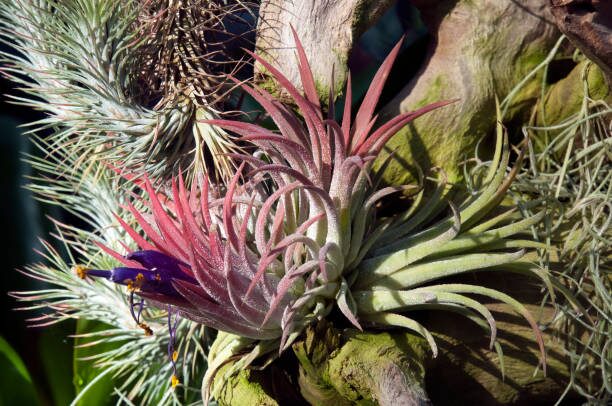
If you garden where winters are mild and the air carries a salty breeze or a summer thunderstorm, Tillandsia—those nimble “air plants”—can live outdoors like tiny sculptures perched in your landscape. The trick is to mount them so they’re safe in wind and rain, give them morning sun and moving air, keep their crowns draining fast, and be ready when a cold snap looms. Here’s a field-tested guide to making it look effortless.
Start with the right expectations (and the right zone)
- Climate window: Most commonly grown air plants thrive outdoors year‑round in USDA Zones 10–11. In Zone 9, many can stay outside much of the year with protection during cold snaps. They’re frost-tender.
- Comfortable temps: Aim for 59–77°F (15–25°C). Keep them above ~50°F (10°C) in winter; some tolerate brief dips near 41°F (5°C) only if kept dry and airy.
- Light style: Think bright, filtered light—dappled sunlight under a canopy, or gentle morning sun with afternoon shade. Grayer, silvery species tolerate more sun; softer green types prefer brighter shade.
Light like a canopy: leverage morning sun, dodge scorch
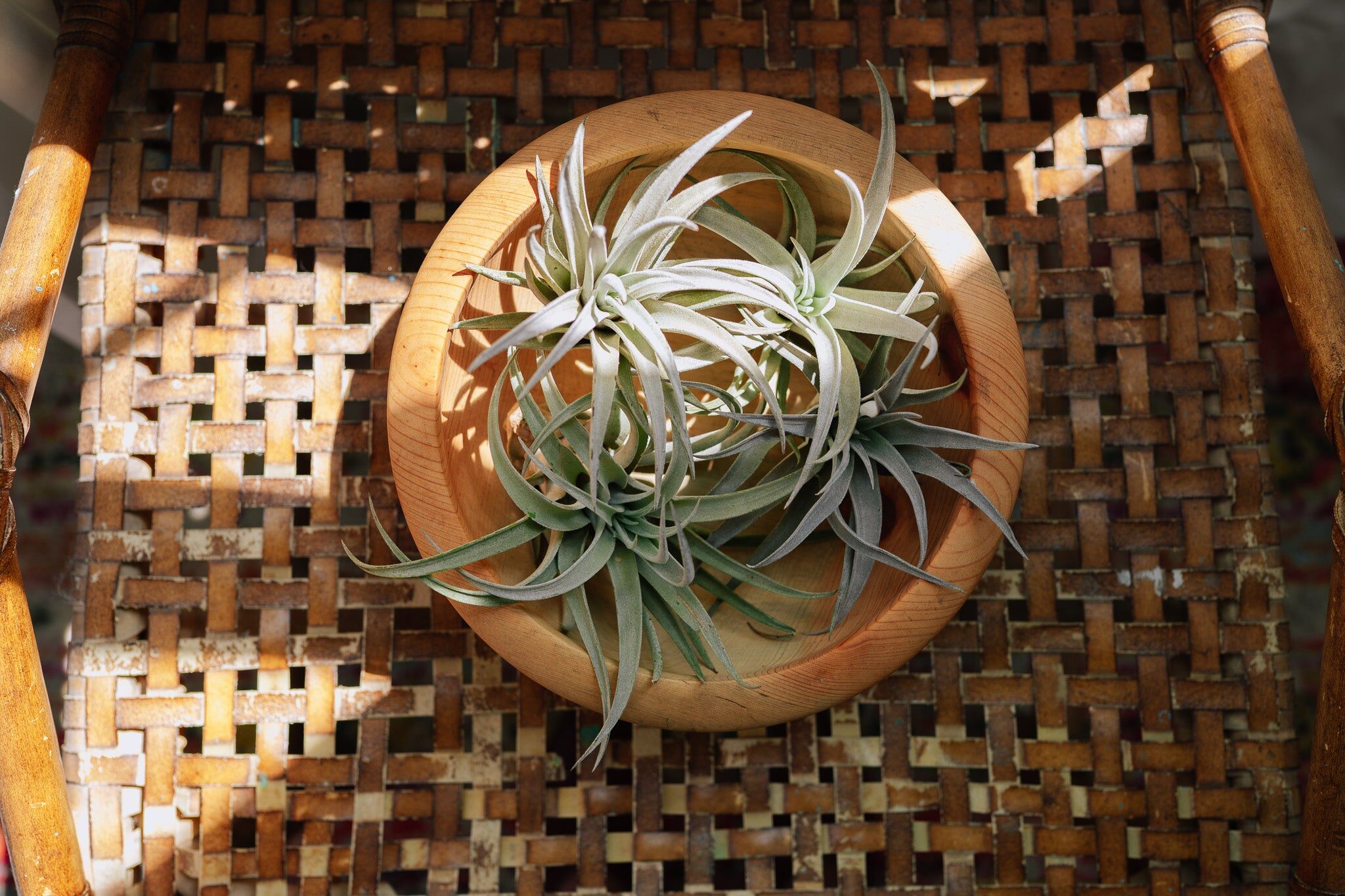
- East is best: Place mounts where leaves catch 2–4 hours of early sun, then shift to high, bright shade. Under eaves with morning exposure or the east side of a fence works beautifully.
- Match sun to leaf color:
- Silvery/gray, heavy-trichome species (e.g., T. xerographica, T. tectorum, many ionantha forms) handle brighter light and drier air. Morning sun is welcome; increase exposure gradually.
- Greener, softer species (e.g., T. bulbosa, T. caput-medusae) want filtered light and will scorch in harsh midday sun.
- Acclimate in weeks, not days: Nudge light up a little each week. Pale, “washed” leaves or crisped tips mean you’ve gone too far.
How to tie and anchor safely (storm-proof without suffocating)
Mounts should hold the plant steady while letting the base breathe and drain. Roots are anchors, not “drink straws,” so prioritize airflow.
Best mounting materials
- Cork bark, hardwood driftwood, grapevine, or small branches with textured bark
- Rock with natural crevices (avoid consistently wet pockets)
- Wire cradles or mesh baskets that don’t pinch the base
Ties that work (and why)
- Clear fishing line or soft, UV‑stable ties: nearly invisible, won’t wick water to the base
- Stretchy garden tape or silicone floristry bands: flex with growth and wind
- Natural jute or cotton string: fine as a temporary wrap; it will loosen/rot once the plant roots on
- Avoid copper wire and moisture‑hogging pads (like thick sphagnum) right under the base; both can invite problems
The simple, secure mount
- Choose a plant-sized “perch”—a knot of bark, a crook on a branch, or a shallow rock pocket.
- Position the rosette on its side at a 30–60° tilt so water cannot sit in the crown.
- Loop your tie around the lower leaves (not through the crown) and the mount. Snug, not strangled—leaves shouldn’t crease.
- Add a tiny spacer under the base (a nub of cork or a pebble) if needed so air can move all around it.
- Test for wobble; add a second, loose loop if you’re in a windy spot.
- Recheck every few months—loosen or replace ties as the plant grows so nothing cuts in.
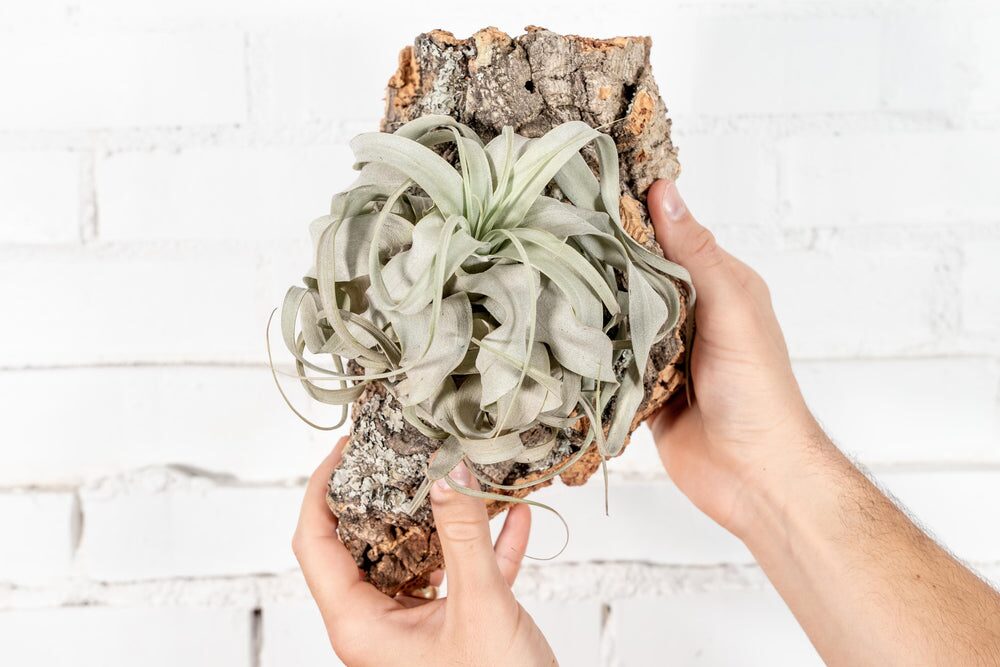
Pro tip: Skip permanent glue so you can unmount plants for soaking, storm cleanup, or cold protection. If you must use a dab of adhesive, keep it tiny and away from the crown so the plant can still be removed.
Let it rain—then help it drain
Natural rainfall is a gift in warm zones. Your job is to make sure plants dry briskly afterward.
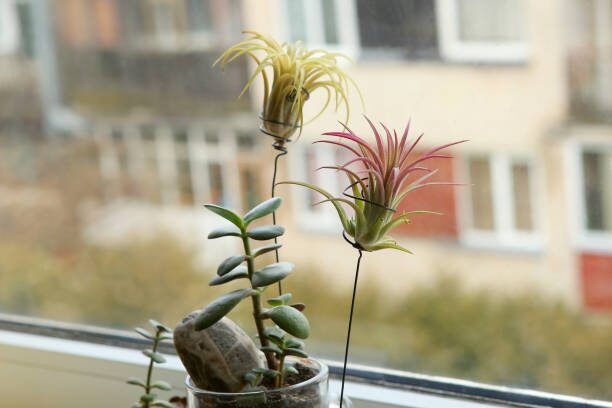
- Orientation is everything: Mount on a tilt or even slightly upside down so crowns never hold water.
- After storms: Gently shake plants to shed water, then let breezes do the rest. Aim for them to dry within about 4 hours.
- Dry spells: Rinse or soak early in the morning about once weekly; in hot, dry periods, add a midweek rinse. Always let them dry quickly.
- Water quality: Rainwater is ideal. If you use tap water, choose low‑mineral water when possible and rinse with plain water occasionally to prevent buildup.
- Blooming plants: Keep flowers as dry as you can during soaks to prevent damage.
Airflow: the quiet hero
- Site selection: Breezy porch edges, pergolas, and airy tree canopies are perfect. Avoid wind tunnels that desiccate, and tight alcoves where air sits still.
- Spacing: Give rosettes room. Clustered plants dry more slowly, inviting rot.
- Covered patios: A small oscillating fan on low during humid spells keeps crowns safe.
Protecting from cold snaps (and weird weather)

- The rule: Warm and dry beats cold and wet. Reduce watering ahead of cold nights.
- Micro-shifts: Before a chill, move mounts under eaves, closer to a south- or west-facing wall, or deeper under a dense canopy where radiated heat lingers.
- Covers: If frost threatens, use breathable frost cloths. Keep foliage dry and avoid plastic touching leaves.
- Portable mounts: Keep some plants on boards or small logs you can whisk into a garage or bright, cool room until the cold passes.
- Morning after frost: Thaw slowly in shade. Direct sun on frozen tissue can cause extra damage.
Bonus: tree-canopy microclimates—nature’s shade cloth
- Dappled light, constant air: Under oaks, pines, palms, jacarandas, and citrus, you’ll find the sweet mix of filtered sun and moving air Tillandsia love.
- Canopy “edges” > deep shade: The bright edge of a canopy offers gentle sun without midday scorch.
- Avoid soggy catchments: Skip crotches or mossy hollows that stay wet. Choose bark ridges and branch undersides where water can shed.
- Height matters: Slightly higher in a tree often means drier, breezier conditions—safer after summer downpours.
Fertilizing outdoors (light and occasional)
- During warm, bright months: Mist or soak with a very weak bromeliad/orchid fertilizer (about 1/4 strength) every 3–4 weeks.
- Rinse now and then with plain water to prevent mineral salt buildup.
- Pause or greatly reduce feeding in winter or during cool, dim stretches.
Troubleshooting: quick diagnostics
- Base or crown rot: Leaves pull out from a soft center, or the base blackens. Cause: water sat too long in cool/still conditions. Action: Trim away mushy tissue, increase airflow, water in the morning, and ensure a stronger tilt.
- Sunscald: Bleached patches or crispy margins, especially on greener species. Action: Shift to brighter shade and resume gradual light increases later.
- Pests: Mealybugs and scale can hitchhike outdoors. Dab with diluted isopropyl alcohol or use insecticidal soap, keeping crowns from staying wet. In snail-prone gardens, elevate mounts or use barriers.
Species notes for warm-zone displays
- Silver sun-lovers: T. xerographica and other gray, heavy-trichome species are great candidates for brighter exposures with morning sun and airy afternoons.
- Shade sophisticates: T. bulbosa, T. caput‑medusae, T. gardneri, and many greener types excel under high, bright shade with excellent ventilation.
Seasonal rhythm outdoors
- Spring–summer: Increase filtered light; water a bit more often, feed lightly; ensure strong airflow.
- Autumn: Taper watering and feeding as days shorten; start planning cold‑weather moves.
- Winter: Keep warm (>50°F/10°C). Water less often, avoid long wet periods, and prioritize quick drying. Many species will rest a bit now.
Blooming, pups, and the long game
- One rosette, one show: Most Tillandsia bloom once per rosette with vivid bracts and tubular flowers. Afterward, the “mother” slowly declines while producing offsets (pups).
- Keep the clump or divide: Leave pups attached for a fuller display, or separate when they’re about one‑third to half the size of the parent.
- Tip: Remove spent flower stalks once they fade so moisture doesn’t linger in the bracts.
A short note on meaning
Air plants are often linked with freedom, resilience, and “living lightly”—a nod to their rootless, wind‑riding lifestyle across the Americas. While not a traditional flower‑language plant, modern symbolism grew from their minimalist elegance and knack for thriving wherever they can catch a little light and air.
Field checklist for foolproof outdoor culture
- Mount tilted so crowns never hold water
- Tie snugly but gently; recheck seasonally
- Site for morning sun + afternoon bright shade
- Let rain help; dry within ~4 hours after any watering
- Feed very lightly in warm months; rinse salts
- Move or cover ahead of cold snaps; keep plants drier in cool weather
- Prioritize airflow, always
Do these well, and your Tillandsia will look like they floated into place on a breeze—and decided to stay.