Unveiling the Secrets of the Saffron Crocus: Why It Refuses to Seed
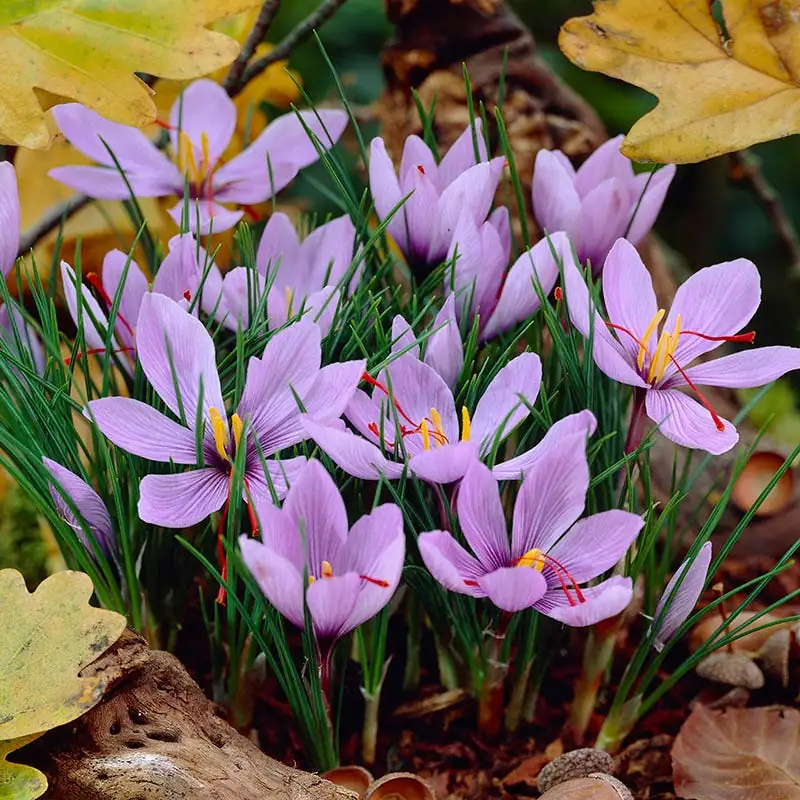
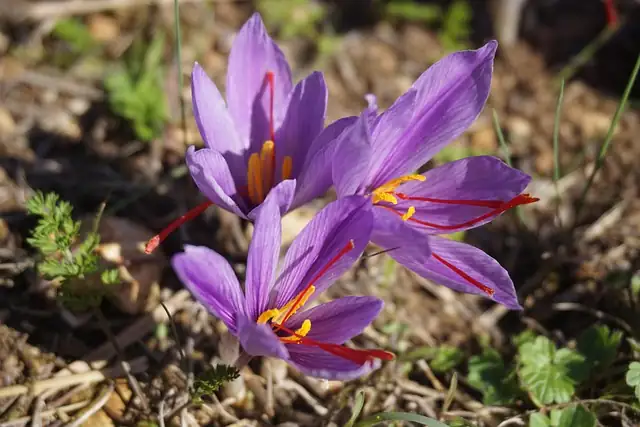
Imagine strolling through a sun-dappled garden in late autumn, where the earth suddenly bursts into a riot of purple. Each flower unfurls like a delicate goblet, sheltering a fiery secret at its center. This is the world of the saffron crocus (Crocus sativus), a botanical marvel that captivates with both its beauty and its culinary allure. But behind its lilac blooms and crimson threads lies a quirky truth: this plant is a master of deception, thriving without ever producing a single viable seed. How does it continue its legacy without the usual reproductive tricks? Let’s dig into the fascinating quirks of this autumnal wonder.
A Sterile Symphony: The Enigma of Seedless Splendor
The saffron crocus, a sterile triploid, is the botanical equivalent of a mule—unable to produce viable seeds. This condition arises from its genetic makeup, which results in three sets of chromosomes, rather than the usual two or four. This triploidy renders the plant infertile, unable to engage in the typical floral courtship of seed production.
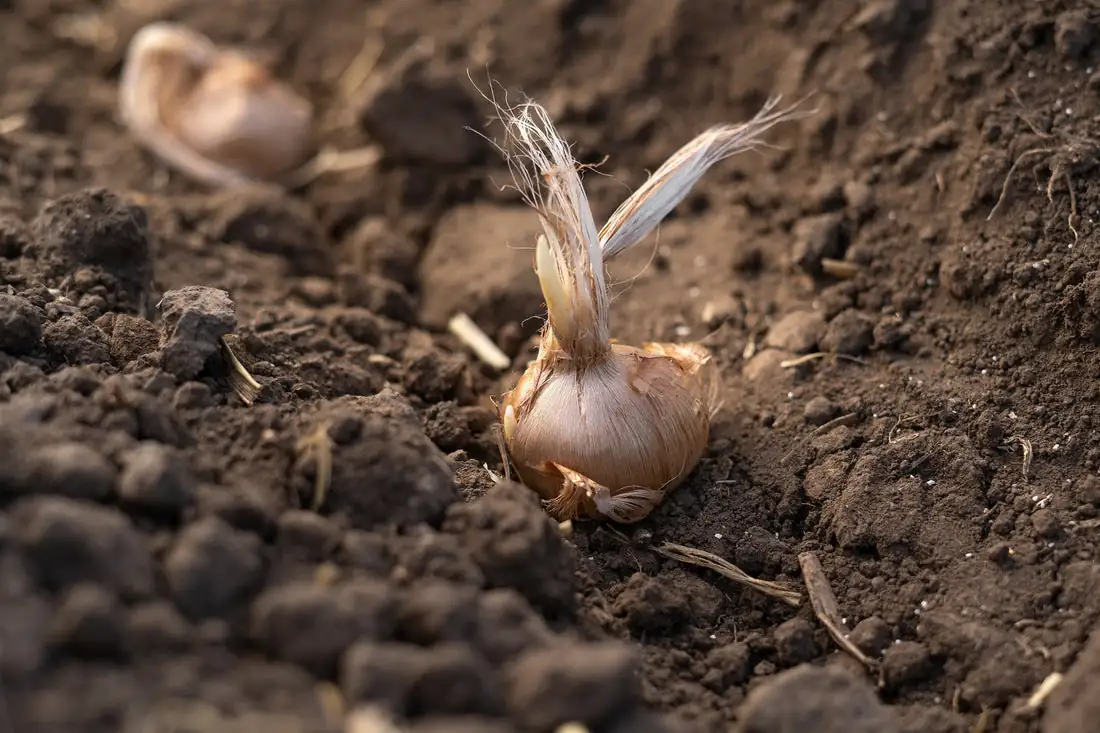
So, how does it manage to propagate and maintain its presence across gardens worldwide? The answer lies beneath the soil, in the bulb-like corms that serve as its secretive reproductive arsenal. Corms, essentially underground storage units, give rise to new life through a process called vegetative propagation. Each season, the mother corm generates tiny replicas known as cormlets, ensuring the saffron crocus’s persistence.
Propagation: The Art of Corm Division
If you’ve ever tried your hand at gardening, you know the joy of watching plants multiply. For the saffron crocus, this magic happens through the division of its corms. Gardeners keen on cultivating this spice treasure start by choosing firm, plump corms, ideally about 3 cm in diameter. These are planted in well-drained soil, ensuring ample sunlight to encourage robust growth. As autumn arrives, the plants sprout with vigor, while the corms below ground continue their quiet replication.
Each year, the cormlets mature, ready to be separated from their mother. This method not only perpetuates the plant but also guarantees that your saffron patch will flourish, providing the golden threads so prized in kitchens around the globe.
The Science and Strategy of Saffron Harvesting
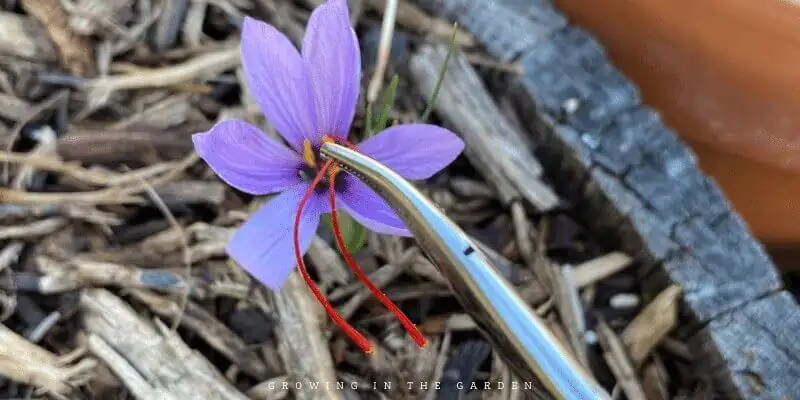
Why is saffron the most expensive spice by weight? The answer lies in its labor-intensive harvest. Imagine crouching among the blooms, gently plucking the three stigmas from each flower—a delicate task requiring both precision and patience. To produce just a gram of dried saffron, you need to harvest about 150 flowers. The stigmas, once dried, transform into the vibrant spice that perfumes paellas and risottos, each thread a testament to the meticulous effort it requires.
A Cultural Tapestry: Saffron’s Rich Symbolism
Beyond its culinary prestige, saffron carries deep cultural symbolism. In Persian culture, it’s associated with nobility and wealth—a fitting tribute to its rich golden hue. Meanwhile, in Hindu tradition, saffron symbolizes purity, courage, and sacrifice, its vibrant color offering a visual metaphor for these virtues.
Growing Your Own Saffron: Tips for the Intrepid Gardener
If the allure of homegrown saffron calls to you, here’s a brief guide to get started:
- Site and Soil: Choose a well-drained location with loose, sandy loam. Ensure your saffron patch receives at least six hours of sunlight daily.
- Planting: Plant corms in late summer to early fall, about 5–10 cm deep and 10 cm apart. This timing aligns with the plant’s natural cycle as it roots and blooms in the fall.
- Watering and Care: Water moderately during active growth, letting the soil dry between waterings. As the foliage yellows in late spring, reduce watering and keep the corms dry through summer dormancy.
- Harvesting: The main harvest window is short, so act quickly. Pick the stigmas on a sunny morning, when their aroma is at its peak.
Conclusion: The Timeless Charm of the Saffron Crocus
The saffron crocus is a plant of paradoxes—sterile yet prolific, humble yet opulent. Its refusal to produce seeds is not a weakness but a testament to nature’s adaptability, a reminder of the diverse strategies life employs to thrive. Whether you’re drawn to its blooms for their beauty, their symbolism, or the culinary magic they promise, the saffron crocus invites you into a world where botanical quirks lead to timeless treasures.