

A Delightful Dive into the World of Baby’s Tears!
If you’re seeking a plant that seems to embody a playful sense of mystery and whimsy, look no further than Soleirolia soleirolii, affectionately known as Baby’s Tears. This enchanting greenery is not just a plant—it’s a character in the garden, with a unique story to tell and a quirky personality to match.
Meet Baby’s Tears: The Plant with Many Names
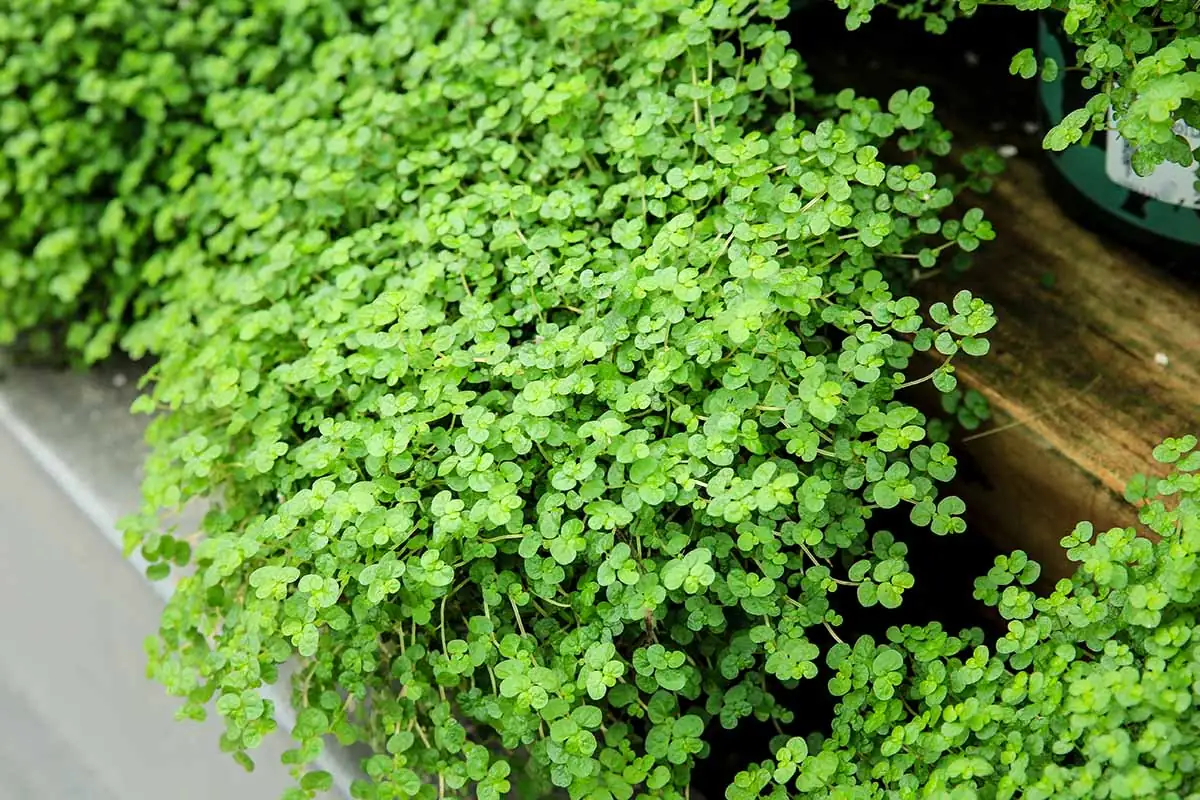
Native to the sun-drenched islands of Corsica and Sardinia, Baby’s Tears has a catalog of colorful nicknames like Angel’s Tears, Mind-Your-Own-Business, and Paddy’s Wig. Each name hints at its charm and tenacity. Imagine this plant as a tiny green carpet, made up of countless petite, round leaves that hug the ground or cascade beautifully from pots. It’s a plant that’s as soft as it sounds—no thorns to fear here, just a gentle presence in your home.
What Makes Baby’s Tears Special?
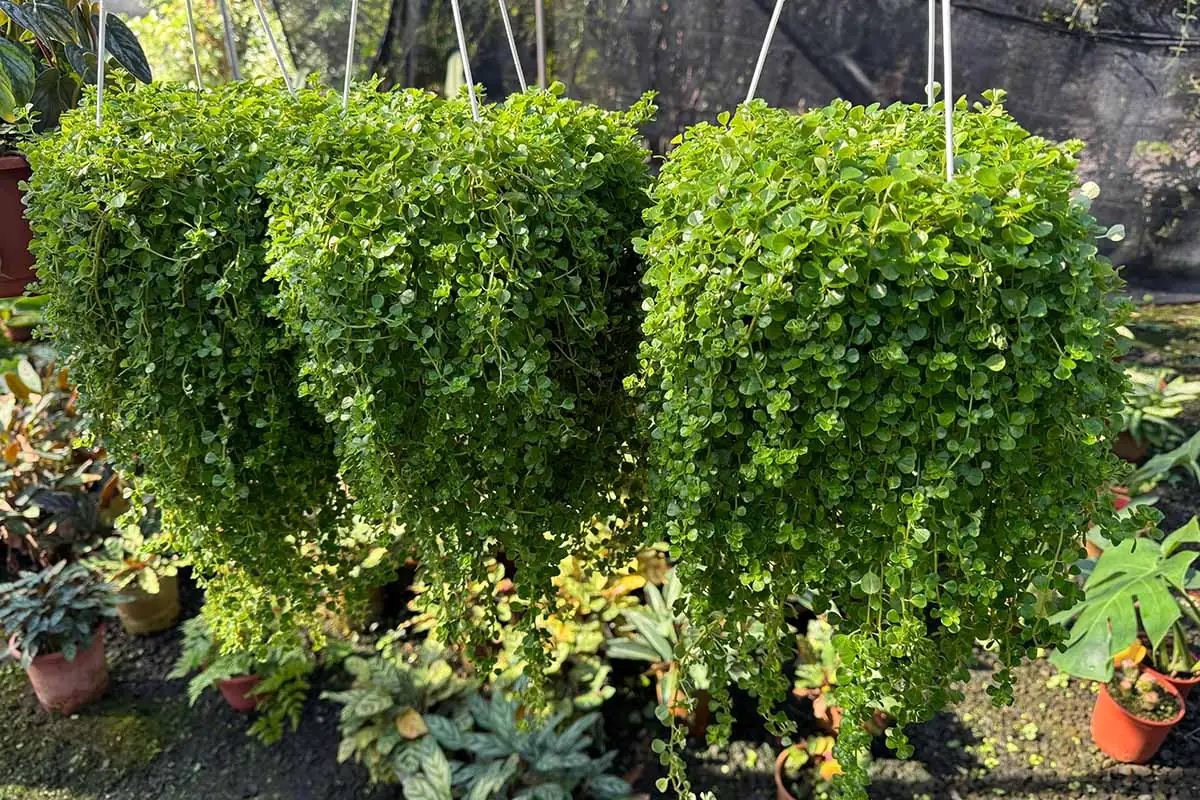
Baby’s Tears is often mistaken for moss due to its dense, cushiony appearance, but don’t be fooled! This is a flowering plant from the nettle family, though you won’t find any sting here. The plant’s delicate stems trail and root wherever they touch moist soil, making it a champion at spreading its verdant charm in terrariums and hanging baskets.
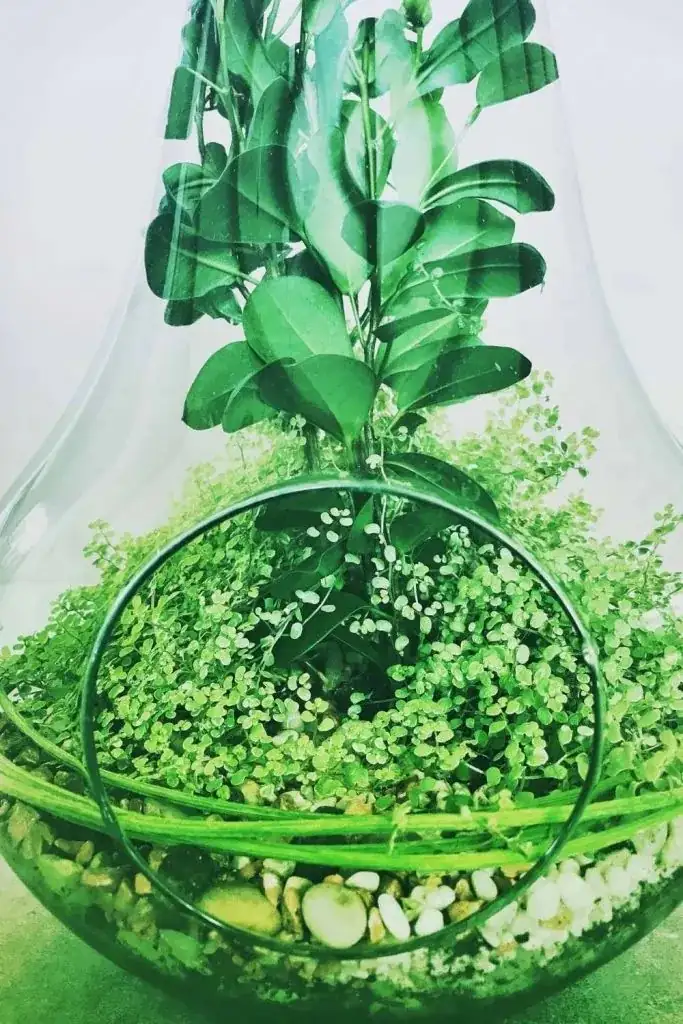
Fun Fact: In the world of terrariums, Baby’s Tears is a star! Its love for humidity and compact growth makes it a perfect candidate for creating lush, miniature landscapes.
How to Keep Your Baby’s Tears Happy
Caring for Baby’s Tears can feel like nurturing a small pet. It appreciates bright, indirect light and thrives in high humidity. Think of it as a plant that loves to be pampered—keep it away from harsh, direct sunlight and ensure it never dries out completely.
- Light: Partial to full shade is its happy place. Bright, filtered light is ideal.
- Water: Keep the soil consistently moist but not soggy. If it wilts, it’s probably thirsty.
- Humidity: Loves levels above 75%. Great for bathrooms, kitchens, or terrariums.
- Temperature: Prefers a cozy 15–24°C (60–75°F). It might sulk if it gets too cold!
A Versatile Performer
Whether you choose to grow it indoors as a houseplant or outdoors in a mild climate, Baby’s Tears adds a touch of the whimsical to any space. It’s perfect for shady garden beds or as a cascading spiller from pots. In terrariums, it happily mingles with moisture-loving companions, creating a lush, living tapestry.
Garden Tip: If you’re planting it outdoors, keep an eye on its spread. This little fellow loves to explore and can fill in spaces quickly!
The Symbolism and Stories Behind the Tears
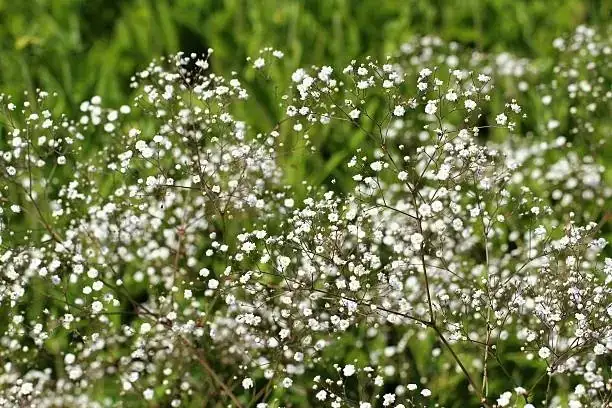
The symbolism of Baby’s Tears is as gentle as the plant itself—softness, calm, and resilience. It’s a plant that thrives quietly and fills every gap, much like the emotional flow and adaptability often associated with water elements in feng shui traditions.
Historically, the plant is linked to the French collector Joseph François Soleirol, who gathered specimens in Corsica. Its lively names, particularly “mind-your-own-business,” reflect its cheeky tendency to spread wherever it feels welcome.
Common FAQs: Solving the Mysteries
- Why is my Baby’s Tears wilting? It’s likely thirsty. A good soak should revive it within a day.
- Why are the leaves turning brown? Too much direct sun or dry air. Move to a shadier spot and increase humidity.
- Is Baby’s Tears the same as Creeping Jenny? Nope! They look similar, but Creeping Jenny is a different plant entirely.
Propagation and Pruning: Spreading the Love
Propagating Baby’s Tears is as easy as pie. Snip a stem, plant it in moist soil, and watch it grow. Regular pinching and trimming keep it looking lush and encourage branching, especially if you’re growing a variegated variety.
With its joyful demeanor and easy-going nature, Baby’s Tears is a delightful addition to any plant collection. Whether you’re a seasoned gardener or a beginner, this charming plant is ready to bring a touch of magic into your life. So why not invite Baby’s Tears into your home and let it weave its enchanting green tapestry in your space?


