

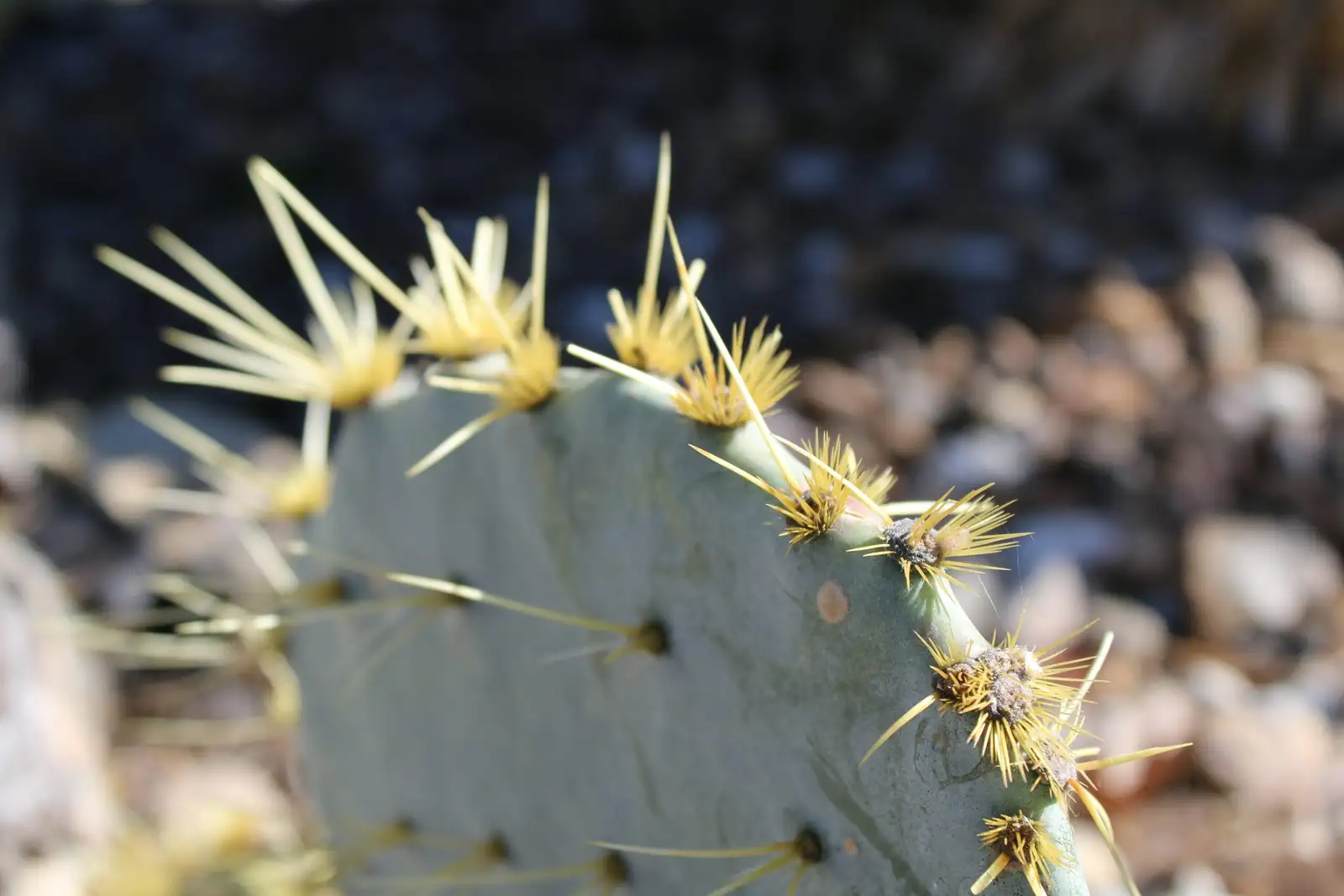
Think “cactus” and you might picture a spiky desert survivor baking in full sun and sipping water twice a month. Hatiora gaertneri—better known as Easter Cactus—laughs at that stereotype. This one is a tropical, epiphytic cactus from Brazil’s coastal rainforests. It prefers dappled light, gentle humidity, and a smart cool-and-dark routine before spring. Treat it like a rainforest epiphyte and it will thank you with a constellation of star-shaped blooms right around Easter.
Meet Easter Cactus at a glance
- Botanical: Hatiora gaertneri (syn. Rhipsalidopsis gaertneri, Schlumbergera gaertneri)
- Common names: Easter Cactus, Holiday Cactus, Spring Cactus, Whitsun Cactus
- Origin: Southeastern Brazil, growing on trees or rocks in tropical/subtropical rainforests
- Look: Flat, fleshy, scalloped stem segments with short bristles; new growth can blush purplish-red
- Size: 15–30 cm (6–12 in) tall; 30–60 cm (1–2 ft) wide; semi-trailing
- Flowers: Day-opening, star-shaped blooms in red, pink, orange, purple, or white; spring (Mar–May)
Myth-busting care essentials
Myth: “It’s a cactus—give it full sun.”
Truth: It’s a rainforest understory cactus. Bright, indirect light is perfect.
- Aim for bright, filtered light or partial shade. Strong midday sun can scorch segments.
- A bit of gentle morning sun is fine if acclimated.
- Placement cheat sheet:
- East window: near the glass with a sheer curtain is ideal.
- South/west window: 1.5–2.5 m (5–8 ft) back, or diffuse with a sheer.
- North window: move close to the glass and keep it bright.
- Humid, bright bathrooms are excellent.
- Light cues from the plant:
- Too much sun: bronzing, crispy edges.
- Too little: lanky growth, fewer buds.
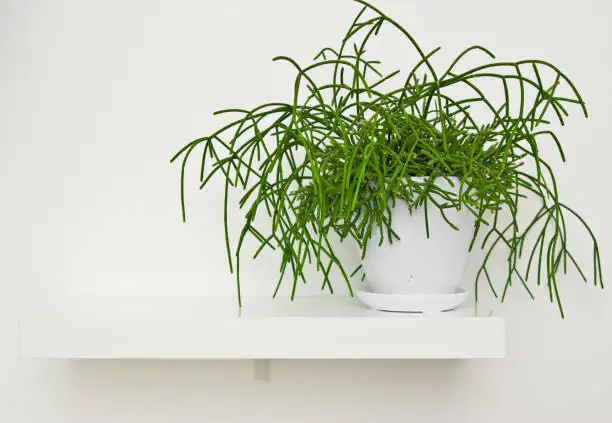
Myth: “Cacti want to be bone-dry.”
Truth: Easter Cactus likes a lightly and evenly moist rhythm—never soggy, never parched for long.
- Water thoroughly, then let excess drain; never let the pot sit in water.
- Let the top portion of the mix dry between waterings (not bone-dry for extended periods).
- Seasonal rhythm:
- Spring–summer (active growth): keep lightly, evenly moist.
- While in bloom: do not let it dry out completely.
- After flowering: give a 2–3 week rest with slightly reduced water.
- Late fall–early winter: reduce watering to help set buds.
- Practical tip: In many homes, that’s roughly every 1–2 weeks, adjusted for light, heat, pot size, and mix.
- Water quality: Use room-temperature water; cold splashes can shock roots.
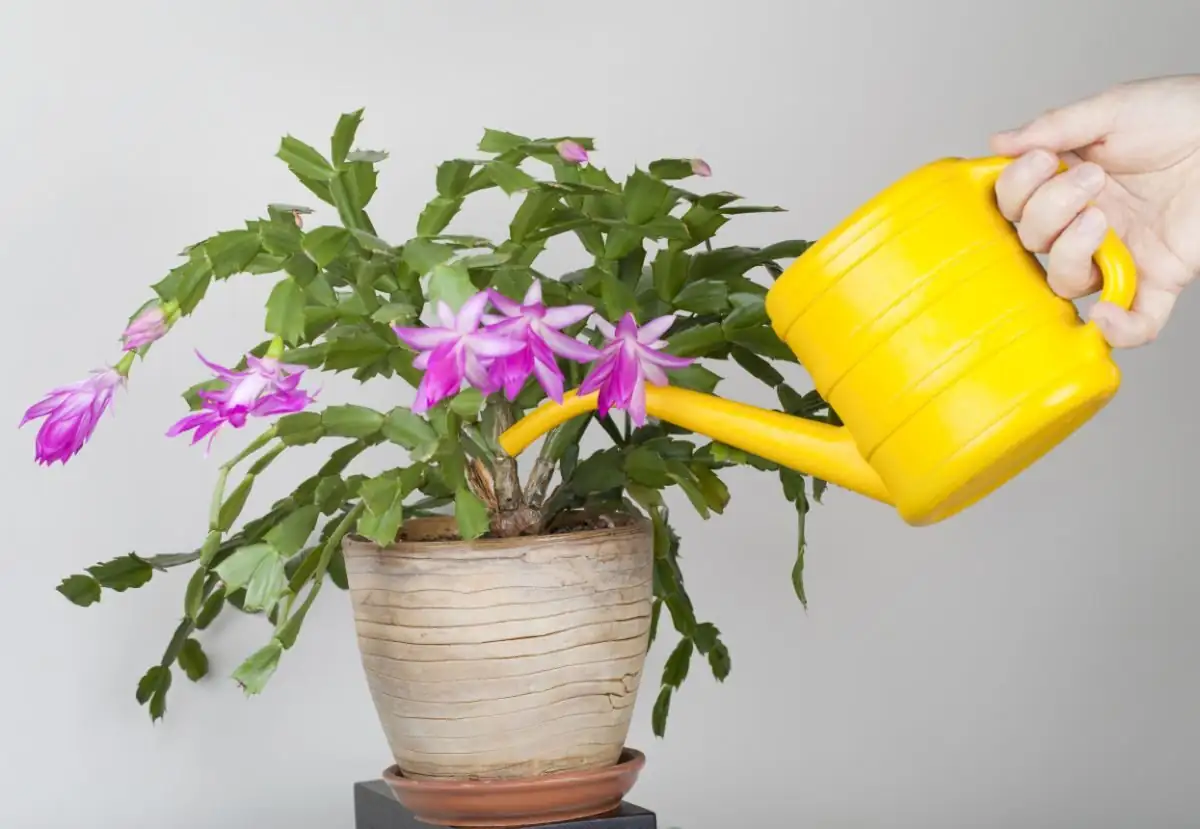
Myth: “Cacti don’t need humidity.”
Truth: As a tropical epiphyte, it appreciates 50%+ humidity.
- Target: ~50% relative humidity or a bit higher, especially with indoor heating.
- Easy boosts:
- Group plants to create a moist microclimate.
- Use a pebble tray with water (pot sits above, not in water).
- Run a small humidifier nearby.
- Light misting is fine for foliage; avoid soaking blooms.
- Pair humidity with airflow to prevent fungus gnats and rot.
Myth: “Warmer is always better.”
Truth: Moderate temps for growth and cooler nights to spark buds.
- Everyday comfort: 15–24°C (60–75°F).
- Protect from chills; avoid below ~5°C (41°F).
- Bud initiation: benefit from cooler nights around 10–15°C (50–60°F) and a noticeable day–night drop.
- Once buds form, keep conditions steady—big swings can cause bud drop.
The pre-bloom playbook (6–8 weeks before Easter)
- Nights: 10–13°C (50–55°F).
- Darkness: about 12 hours of uninterrupted dark each night.
- Water: lighter than summer—never bone-dry, never soggy.
- Feeding: pause until buds are set, then resume lightly as growth picks up.
Pro tip: After buds appear, park the plant in its display spot and don’t shuffle it around. Moves, drafts, or abrupt light changes are prime culprits for bud drop.
Soil and potting: think “orchid meets cactus”
Myth: “Any cactus mix will do.”
Truth: Use an airy, fast-draining, epiphyte-style mix.
- Great recipe:
- 1 part high-quality cactus/succulent mix
- 1 part perlite (or similar coarse drainage material)
- 1 part fine orchid bark
- pH: slightly acidic (around 6.0–6.5).
- Pot: a snug, well-drained pot; terracotta/clay helps airflow and drying.
- Repot: every 2–3 years in spring after blooming. Upsize only 5–8 cm (2–3 in) wider. It blooms well slightly pot-bound.
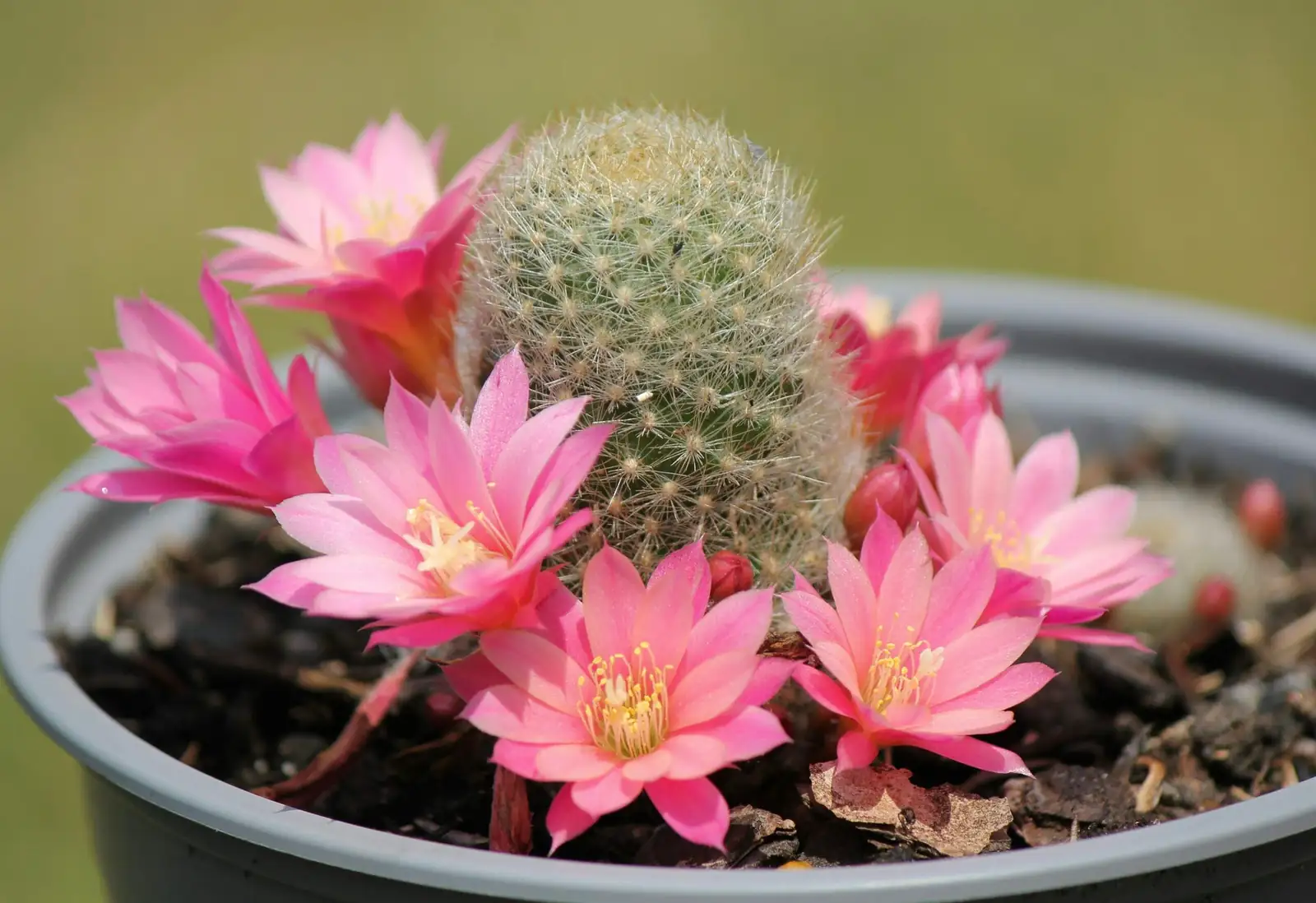
Feeding: gentler and smarter than a desert schedule
- During active growth, feed monthly with a balanced formula (e.g., 10-10-10 or 15-15-15), or every 2–4 weeks at half strength.
- Start feeding about 4–6 weeks after flowering finishes.
- When buds are forming, a slight phosphorus nudge can help.
- Stop feeding in fall and through winter dormancy.
Simple pruning and foolproof propagation
- Prune right after flowering to shape and encourage branching (more tips = more blooms). Twist or cut segments at the joints.
- Propagate: Take 2–3 segment cuttings 2–3 months after bloom. Let callus 1–2 days. Insert the base half of the bottom segment into a lightly moist, airy mix. Roots in ~2–4 weeks. Division also works.
Your year, simplified
- Spring (Mar–May): Peak bloom. Bright filtered light, higher humidity, evenly moist. Enjoy the show.
- Summer: Protect from harsh sun. Water and feed regularly. Can “vacation” outdoors in warm, sheltered shade.
- Fall: Reduce watering; stop fertilizing; begin cooler nights.
- Winter to late winter: Run the pre-bloom playbook (cool nights + long dark + lighter watering).
Troubleshooting like a pro
- Bud drop: Most often from changes in light/temperature/humidity, or drying out. Keep conditions steady once buds swell.
- Wrinkled/shriveled segments: Underwatering or very dry air. Water thoroughly; boost humidity.
- Limp/yellowing segments: Overwatering or poor drainage; check roots and repot into an airy mix if needed.
- Reddish edging: Often a sign of good light and vigor on new growth.
- Pests: Watch for mealybugs, scale, spider mites, and fungus gnats (usually from over-wet soils). Improve airflow, adjust watering, and treat promptly if needed.
- Root rot: The #1 enemy. Prevent with drainage holes, airy mix, and no standing water.
Quick FAQs
- What’s the difference between Easter Cactus and Christmas Cactus?
- Easter Cactus has smoother, scalloped segments and star-shaped flowers in spring. Christmas/Thanksgiving cacti have more pointed “teeth” and more tubular, asymmetrical blooms in late fall–winter.
- How often should I water?
- There’s no one schedule. Water when the top portion of the mix dries—often every 1–2 weeks, more in warm/bright conditions and when blooming, less during the post-bloom rest and in winter.
- Can it go outdoors?
- Yes—in warm weather, shaded and sheltered. In USDA Zones 10–12, it can stay out year-round in shade. Elsewhere, bring it in well before temps approach 5°C (41°F).
- How long does it live?
- Many years—often 10+ with steady care—blooming more heavily as it matures.
- Is it pet-safe?
- Generally considered non-toxic to humans, cats, and dogs. Chewing may cause mild tummy upset.
Symbolism and story
Easter Cactus is a living postcard from spring: renewal, hope, and brighter days ahead. Its timely, starry blooms echo the season’s turning—no surprise it became a cherished houseplant in the early 1900s as collectors fell for Brazil’s rainforest cacti. Today, its spring show remains a gentle ritual: give it the right light, a sip-and-dry rhythm, a touch of humidity, and that cool-and-dark prelude—and it will answer with weeks of color.
Fast reference card
- Light: Bright, indirect; morning sun okay if acclimated.
- Water: Thorough soak, drain well; allow partial dry between. Never sit in water.
- Humidity: Aim ~50%+; pebble tray/humidifier help.
- Temperature: Best 15–24°C (60–75°F). For buds: nights 10–15°C (50–60°F) with a day–night drop. Avoid below ~5°C (41°F).
- Soil: Airy epiphyte mix—cactus mix + perlite + orchid bark, slightly acidic (pH ~6.0–6.5).
- Bloom cue: 6–8 weeks of cool nights (10–13°C/50–55°F) + about 12 hours dark + lighter watering.
- Keys to success: Drainage, gentle humidity, and stable conditions once buds appear. Flowers open by day and close at night—another little daily celebration.