

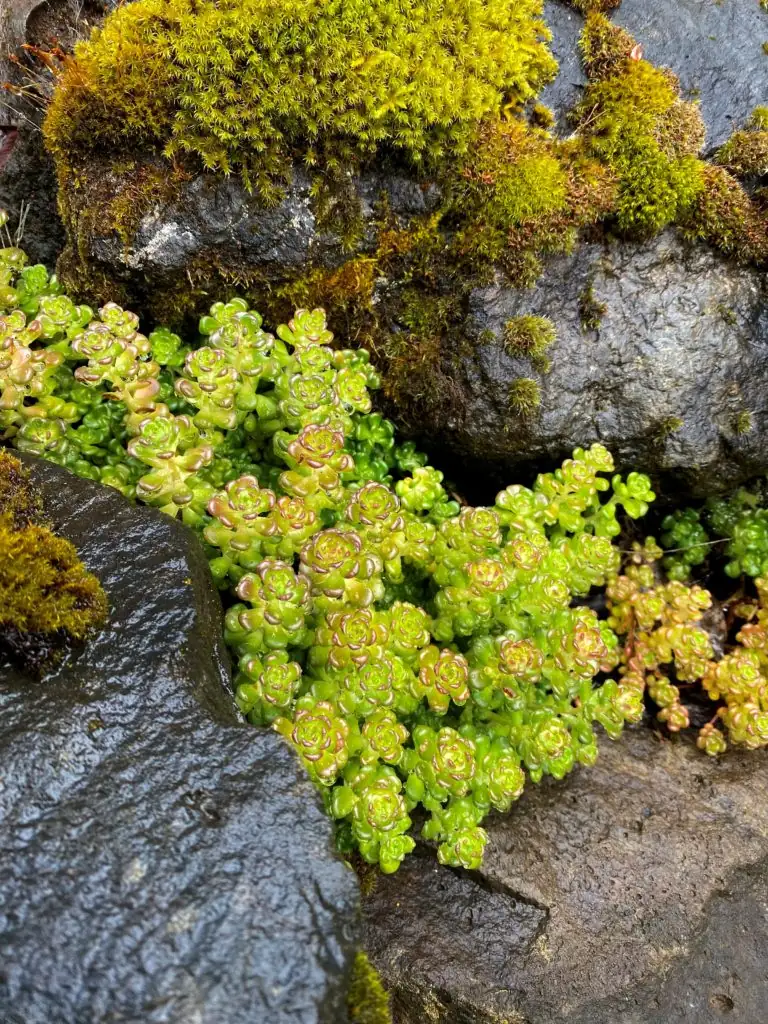
Discovering the Quirky Wonders of Sedum: Nature’s Resilient Charmers
Have you ever stumbled upon a plant that seems to thrive where nothing else dares to grow? Meet Sedum, also known as Stonecrop—a remarkable group of succulent plants that defies the odds with its robust charm and quirky traits. Native to a range of habitats from rocky cliffs to mountain slopes, these plants are not just survivors; they’re nature’s little marvels.
A Drought-Defying Dynamo
One of the most captivating features of Sedum is its impressive drought resilience. Thanks to a unique process called Crassulacean Acid Metabolism (CAM) photosynthesis, Sedum plants store carbon dioxide at night and use it for photosynthesis during the day. This nocturnal habit allows them to conserve water—a vital adaptation for thriving in arid conditions. Imagine them as the camels of the plant world, storing water in their chunky, fleshy leaves to make it through dry spells with ease.
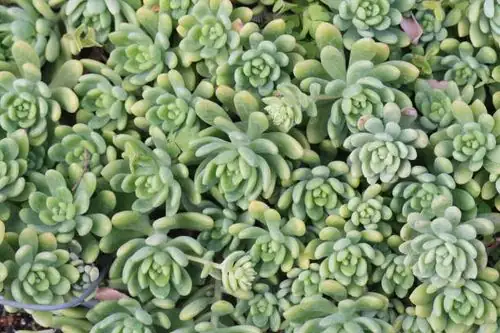
A Spectrum of Beauty
Sedums are like the artists of the plant kingdom, painting landscapes with their vibrant hues. Their leaves range from green to blue-green, often blushing with red, pink, or purple tints under the right conditions. These colors, coupled with their star-shaped blooms in shades of white, yellow, pink, and deep burgundy, create a visual feast for the eyes. They’re also a hit in pollinator circles, attracting bees, butterflies, and other beneficial insects to their floral fiesta.
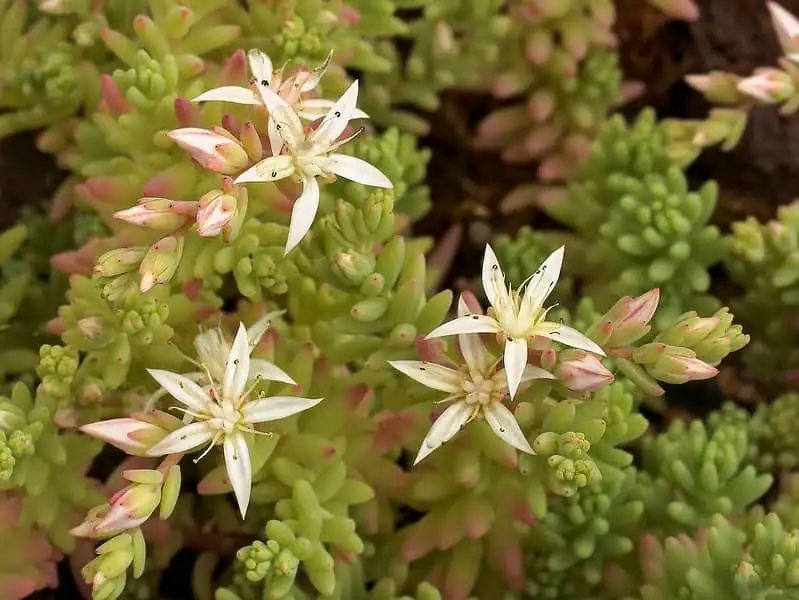
Garden Versatility at Its Best
Whether you’re a seasoned gardener or a beginner with a budding green thumb, Sedum is your go-to plant for a hassle-free gardening experience. They can form tight ground-hugging mats, elegantly trail over walls, or stand upright in sturdy clumps. Plant them in rock gardens, borders, or even on green roofs—they’ll thrive in loose, fast-draining soil with minimal care. Just remember: full sun is their best friend, although a bit of afternoon shade can be a welcome respite in scorching climates.
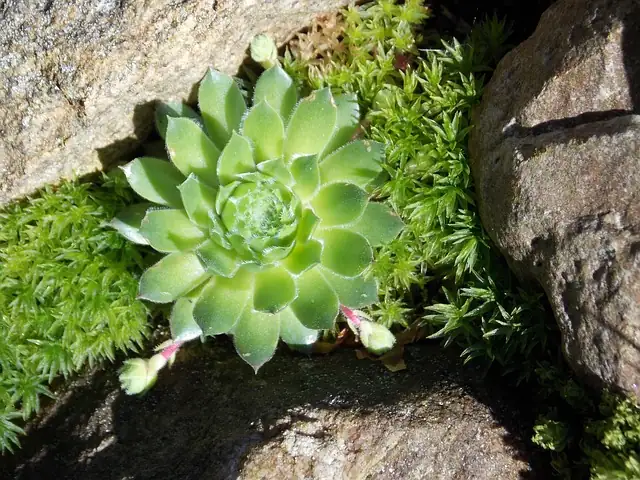
From Myths to Modern Marvels
Historically, Sedum has been revered not just for its beauty but also for its symbolic meaning. Often associated with calm strength and resilience, Sedum represents a plant that can weather the harshest conditions while maintaining its cheerful demeanor. In some European traditions, planting Sedum on roofs was believed to protect against storms and lightning, a practice that echoes in today’s use of Sedum in green roofing.
Not Just a Pretty Face
Beyond its ornamental appeal, Sedum serves functional roles that benefit both the environment and garden aesthetics. Its ability to stabilize slopes, control erosion, and thrive on minimal resources makes it an ecological powerhouse. Some species even have culinary and medicinal uses, although it’s essential to identify the exact species to ensure safety.
Tips for Thriving Sedums
- Sunlight: Aim for at least six hours of direct sunlight daily.
- Watering: Use a “soak and dry” approach—water thoroughly, then wait until the soil is dry before watering again.
- Soil: Ensure excellent drainage with gritty, sandy, or gravelly soil mixes.
- Pests: Watch out for aphids and other common pests, using insecticidal soap if needed.
- Pruning: Minimal pruning required—just tidy up in early spring or after flowering.
In essence, Sedum plants are the epitome of resilience and adaptability, bringing both beauty and practicality to any setting. Whether you’re crafting a drought-resistant garden or simply adding a splash of color to your space, Sedum stands ready to charm and inspire with its quirky yet robust nature. So why not let these steadfast succulents find a sunny spot in your garden? They promise to delight with minimal fuss—truly a gardener’s dream come true!


