

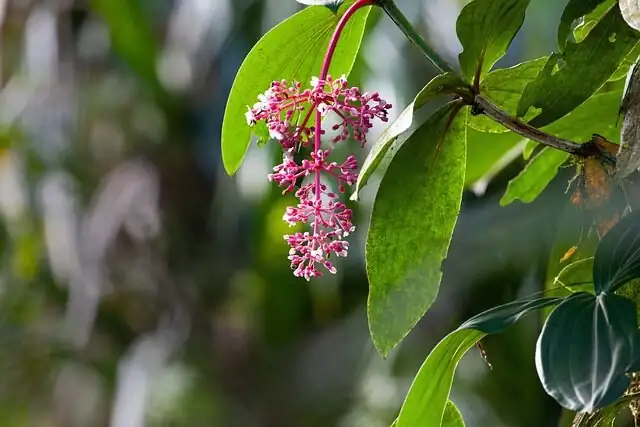
Ever admired those cascading pink chandeliers on a Rose Grape (Medinilla magnifica) and then spotted sticky leaves, weird webbing, or speckled spots? Don’t panic. This quick, no-nonsense troubleshooting guide helps you identify the culprit fast—mealybugs, scale, spider mites, whiteflies, leaf spot, or root rot—and fix it before your showstopper sulks. Bonus: prevention habits that keep blooms draping and drama-free.
Medinilla snapshot (why this plant is picky but worth it)
- The look: Glossy, deeply veined leaves and spectacular, pendant clusters of rosy-pink bracts hiding true flowers (pink to purple).
- The vibe: A warmth-loving, humidity-seeking tropical from the Philippines that wants bright, filtered light, steady moisture (not soggy!), and moving air.
- The catch: Stagnant air, wet flowers, and waterlogged soil invite pests and disease—and can even trigger bud/flower drop.
How to set the stage so problems are less likely
- Light: Very bright, filtered/indirect. East window or south with a sheer curtain.
- Temperature: Warm and steady—ideal 22–28°C (72–82°F). Keep above ~16°C (61°F).
- Humidity: 50–70%+ is workable; 70–80% is fabulous for bud set. Humidifier or pebble tray helps—just keep blooms dry.
- Airflow: Essential. Gentle, consistent movement prevents leaf spot and discourages pests. Avoid stuffy corners.
- Watering: Evenly moist during growth and bloom, never waterlogged. Bottom-water with lukewarm rain/distilled water; fully drain. A touch drier in winter.
- Potting mix: Airy and free-draining—orchid-style fine bark + perlite/charcoal, or a humus-rich mix lightened with sand/perlite. Never let the pot sit in water.
- Flower care: Keep those bracts dry. Wet flowers = shortened display and higher disease risk.
The 60‑second pest and disease flowchart
Start: What do you see?
1) Sticky, shiny leaves or black sooty mold?
- Yes → Look closer:
- Cottony tufts in nooks and leaf joints → Mealybugs
- Hard, dome-like bumps on stems/leaves → Scale
- Tiny white moth-like insects fly up when touched → Whiteflies
2) Fine webbing plus speckled, sandpapery leaves?
- Yes → Spider mites
3) Distinct round or irregular brown/black leaf spots (sometimes with yellow halos)?
- Yes → Leaf spot disease
4) Wilting despite moist soil, yellowing, pot smells sour; roots look brown/mushy when checked?
- Yes → Root rot
5) Buds/flowers dropping for “no reason”?
- Think environment stress: heat spikes + stagnant air, cold drafts, or swings from very dry to sodden soil. Stabilize light, moisture, airflow, and temperature—and keep blooms dry.
Fast fixes by problem (do these now)
General first moves for all pests/diseases
- Isolate the plant immediately.
- Improve airflow (small fan on low nearby, not blasting).
- Keep flowers dry during any washing/spraying.
- Treat in bright shade, not in hot direct sun.
Mealybugs (cottony specks; honeydew/sooty mold)
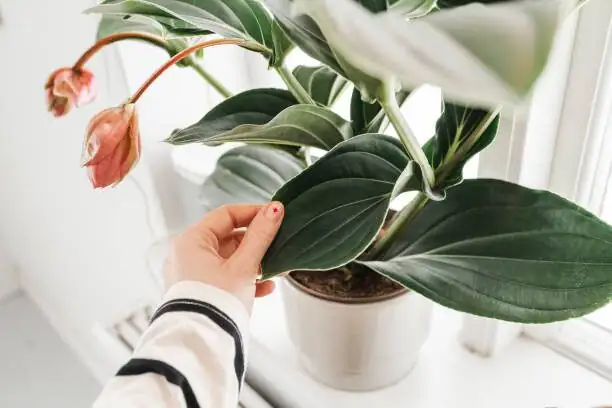
1) Dab and wipe: Use cotton swabs dipped in 70% isopropyl alcohol to dot each mealybug; wipe stems and leaf undersides.
2) Wash gently: Rinse foliage with lukewarm water; shield blooms with a dry cloth or paper cone.
3) Spray: Apply insecticidal soap or horticultural oil with thorough coverage (especially undersides). Repeat every 7 days for 3 cycles.
4) Sanitize: Replace the top 1–2 cm (½–¾ in) of potting mix where crawlers hide. Clean pot rims and saucers.
Scale (hard, stuck-on bumps; sticky leaves)
1) Manual removal: Flick off with a fingernail or soft toothbrush.
2) Smother: Apply horticultural oil to coat stems/leaves (focus on crawlers). Repeat weekly for 3–4 weeks.
3) Prune: After flowering, cut back the worst-affected stems by about half to encourage clean new growth.
Spider mites (webbing; fine stippling; thrive in dry air)
1) Rinse: Gently shower foliage (shield flowers). Wipe leaves top/bottom with a soft, damp cloth.
2) Raise humidity to 60–70%+ without creating a sauna—keep air moving.
3) Treat: Use insecticidal soap or horticultural oil; repeat every 5–7 days for 3 rounds. Clean nearby plants and shelves.
Whiteflies (little white “moths” that puff up when disturbed)
1) Trap: Hang yellow sticky traps at canopy height.
2) Evict adults: Gently vacuum a few passes at dawn when they’re sluggish.
3) Spray: Insecticidal soap or horticultural oil, especially leaf undersides. Repeat weekly for 3 cycles.
4) Boost airflow; avoid overcrowding.
Leaf spot (tan/brown to black spots; worse in stagnant, damp conditions)
1) Remove: Prune off affected leaves; bag and bin. Sterilize tools afterward.
2) Dry strategy: Water soil only; never mist the blooms. Increase airflow; space the plant so leaves don’t touch walls or neighbors.
3) Culture shift: Let the top 2–3 cm (1 in) of mix dry slightly between waterings. Keep warm, bright, and stable.
4) If it persists: Consider a houseplant-safe fungicide labeled for leaf spot on ornamentals. Apply to foliage (not flowers) per label.
Root rot (wilting + wet soil; brown/mushy roots)
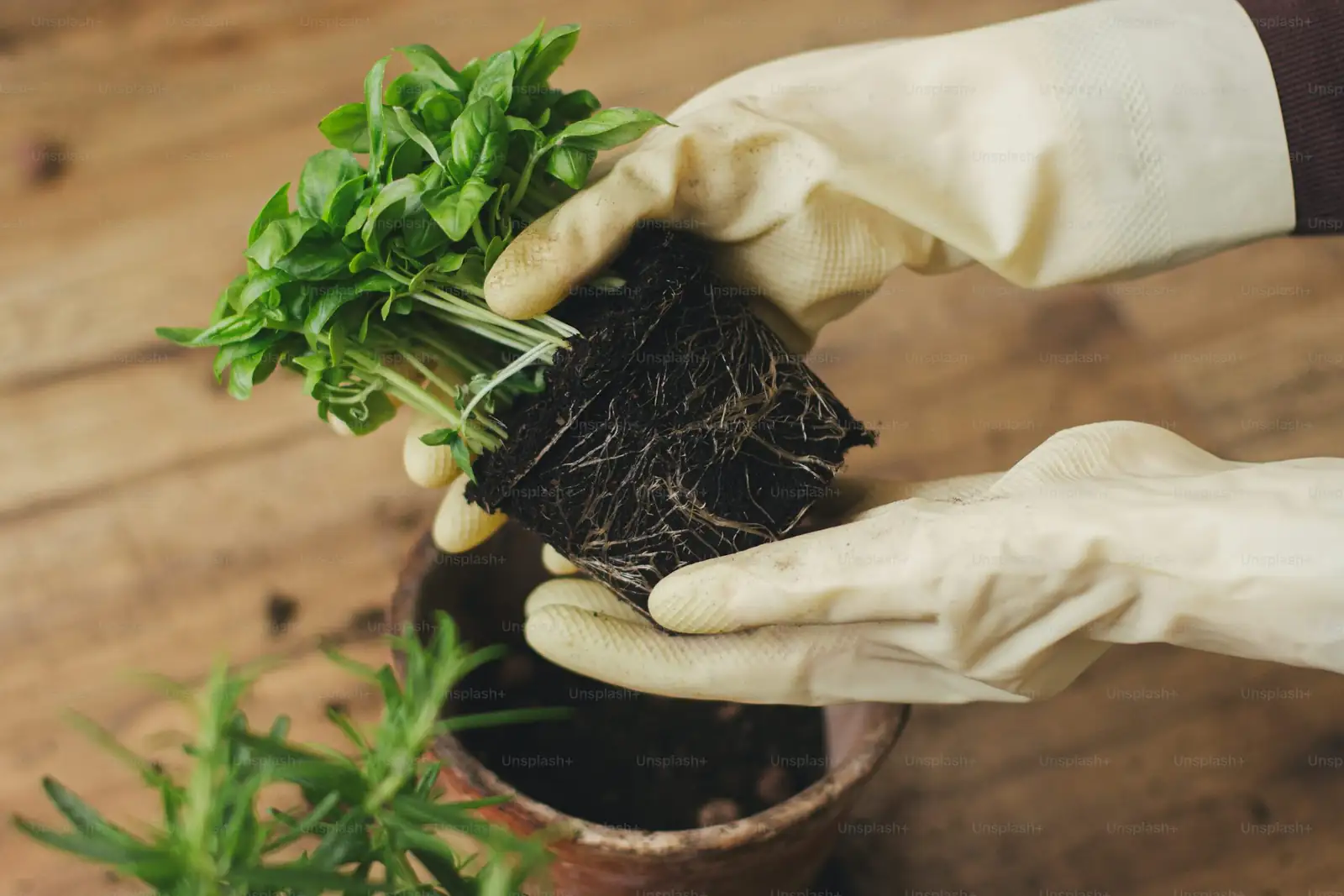
1) Unpot now: Rinse roots; trim all brown, mushy tissue with sterilized shears.
2) Repot: Fresh, very free-draining mix (fine bark + perlite/charcoal works well) in a clean pot with ample drainage.
3) Water lightly: Moisten, then drain thoroughly. Keep bright filtered light and warm temps. No standing water in saucers.
4) Recovery route: If the root system is badly compromised, take 8–10 cm (3–4 in) stem cuttings to propagate a backup plant. Maintain high humidity around cuttings—but again, not on the flowers.
Aftercare timeline for any treatment
- Day 0: Isolate, treat, improve airflow, keep inflorescences dry.
- Day 7: Repeat treatment; inspect with a flashlight and magnifier (especially leaf undersides and stem nodes).
- Day 21: Third treatment if pests persist. For diseases, reassess watering/ventilation and remove any new lesions.
- Ongoing: Return to display once new growth appears clean for 2–3 weeks.
Prevention that actually works (the weekly 10-minute routine)
- Air + space: Run gentle airflow daily. Don’t tuck Rose Grape into dim, stuffy corners. Outdoors (warm climates), keep in bright shade, sheltered from harsh sun and drying winds.
- Dry flowers: Water the soil, not the show. If you rinse foliage, cover the bracts.
- Humidity sweet spot: 50–70%+ routinely; push toward 70–80% during bud set. Use a humidifier or pebble tray. Group plants—but maintain airflow.
- Smart watering: Bottom-water, then drain fully. Keep evenly moist in spring–summer; slightly drier in winter. Avoid extremes that trigger bud drop.
- Soil and pot: Free-draining, airy mix in a pot with multiple drainage holes. Never let it sit in a saucer of water.
- Cleanliness: Wipe leaves monthly to remove dust and honeydew. Discard fallen leaves and spent bracts promptly.
- Quarantine: Isolate new or returning plants for 2–3 weeks and inspect undersides and nodes.
- Nutrition, not excess: Feed in the growing season—balanced monthly (and a bit more potassium during bud/flower), but don’t overdo it; soft, overfed growth attracts pests.
- Prune on schedule: After flowering, remove spent clusters and cut back flowered shoots by about half. Support heavy pendant stems during bloom so they don’t kink or crack.
Fast ID cheat sheet (pin this near your plant)
- Mealybugs: Cottony tufts + sticky honeydew
- Scale: Hard, immobile bumps + honeydew/sooty mold
- Spider mites: Fine webbing + stippled, rough leaves (worse in dry air)
- Whiteflies: Tiny white moth-like adults that puff on touch + sticky leaves
- Leaf spot: Spreading spots on leaves; thrives with wet foliage and stale air
- Root rot: Wilting despite wet soil, sour smell, mushy roots
Your 10-minute emergency kit
- 70% isopropyl alcohol + cotton swabs
- Insecticidal soap and/or horticultural oil
- Yellow sticky traps
- Soft toothbrush and microfiber cloth
- Sterile pruners
- Fresh, free-draining potting mix and a clean pot with great drainage
A final word on style and sanity
Rose Grape is a diva in the best way—give it bright, filtered light, warm stability, generous humidity with airflow, evenly moist roots, and above all, dry flowers. Do that, and those pink chandelier clusters will drape like couture every spring to summer. And if trouble does knock, you’ve got the fast fixes to send it packing.
Note: You may hear “Philippine Orchid” in the trade—it’s a nickname for the exotic blooms, not its family tree (it’s a Melastome, not an orchid).