
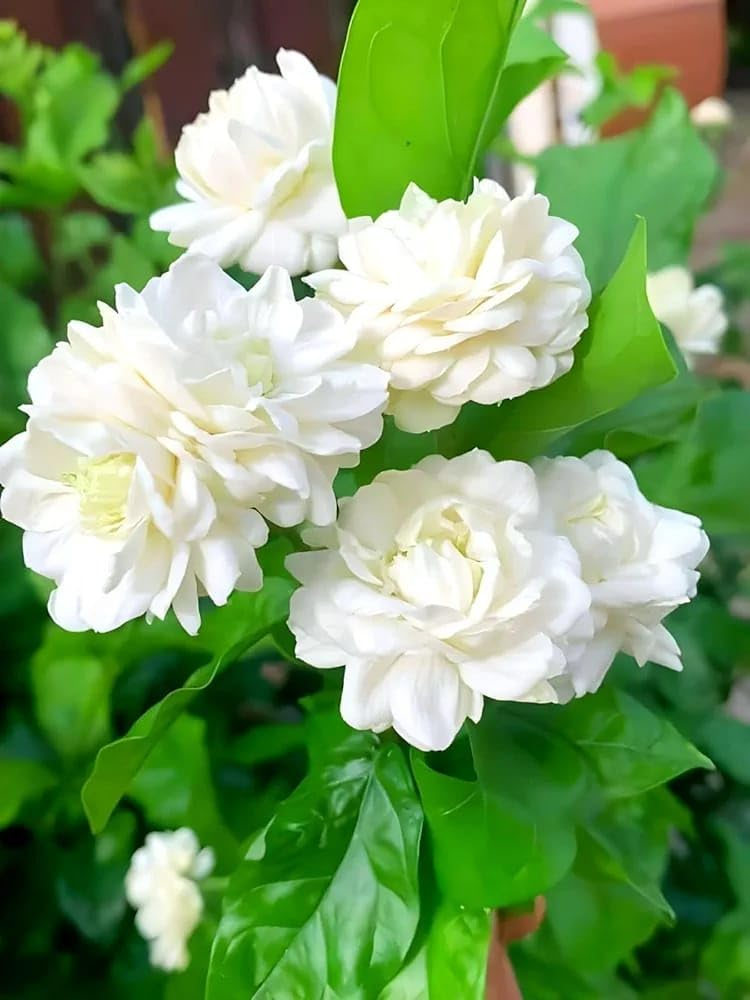
Imagine this: evening air, warm and sweet, and your Arabian jasmine (Jasminum sambac) is perfuming the whole space like a tiny moonlit orchard. Then—sticky leaves, speckles, or buds that just drop. Don’t panic. This is your rapid, practical guide to diagnose the problem in seconds and fix it with airflow tweaks, soap/oil routines, and quick resets to moisture and light. Let’s get your mogra/pikake back to bloom mode.
Lightning-Fast Symptom Decoder
- Sticky leaves, ants marching, and a shiny sheen (sometimes black sooty mold): aphids, whiteflies, or soft scale
- Tiny “dust” and fine webbing; leaves look sandblasted or speckled: spider mites (worse in dry indoor air)
- Cloud of tiny white moth-like insects when you jostle the plant: whiteflies
- Hard, barnacle-like bumps on stems/leaf midribs; scraping reveals a soft body under a shell: scale
- Silvery streaks, distorted new growth, browned flower edges, black specks (frass): thrips
- Circular tan/brown/black leaf spots with yellow halos, worst in muggy, still conditions: fungal leaf spots
- Buds yellow or brown and drop before opening: bud drop from stress—low light, drought, sudden chill, soggy mix, hot/dry blasts, or fertilizer imbalance
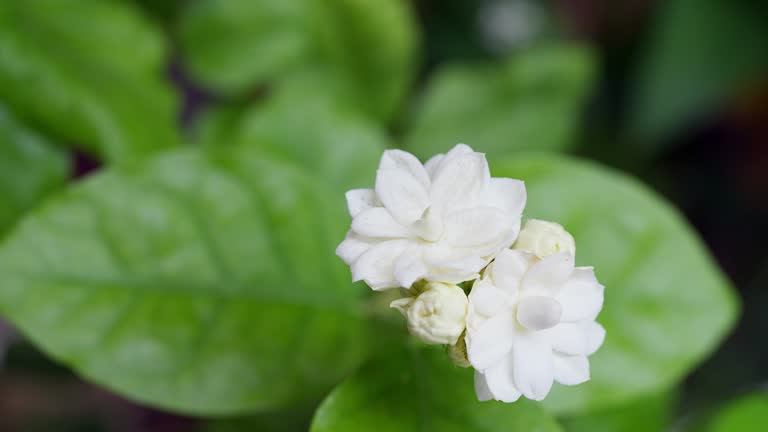
First Aid for Any Infestation
- Isolate the plant from others.
- Rinse thoroughly: shower or hose the undersides of leaves to dislodge pests.
- Prune off the worst-hit tips/leaves and bag them.
- Add airflow: set a gentle oscillating fan or give a breezier outdoor spot.
- Then start the right spray routine below—and repeat. Most pests need 2–3 rounds to break the life cycle.
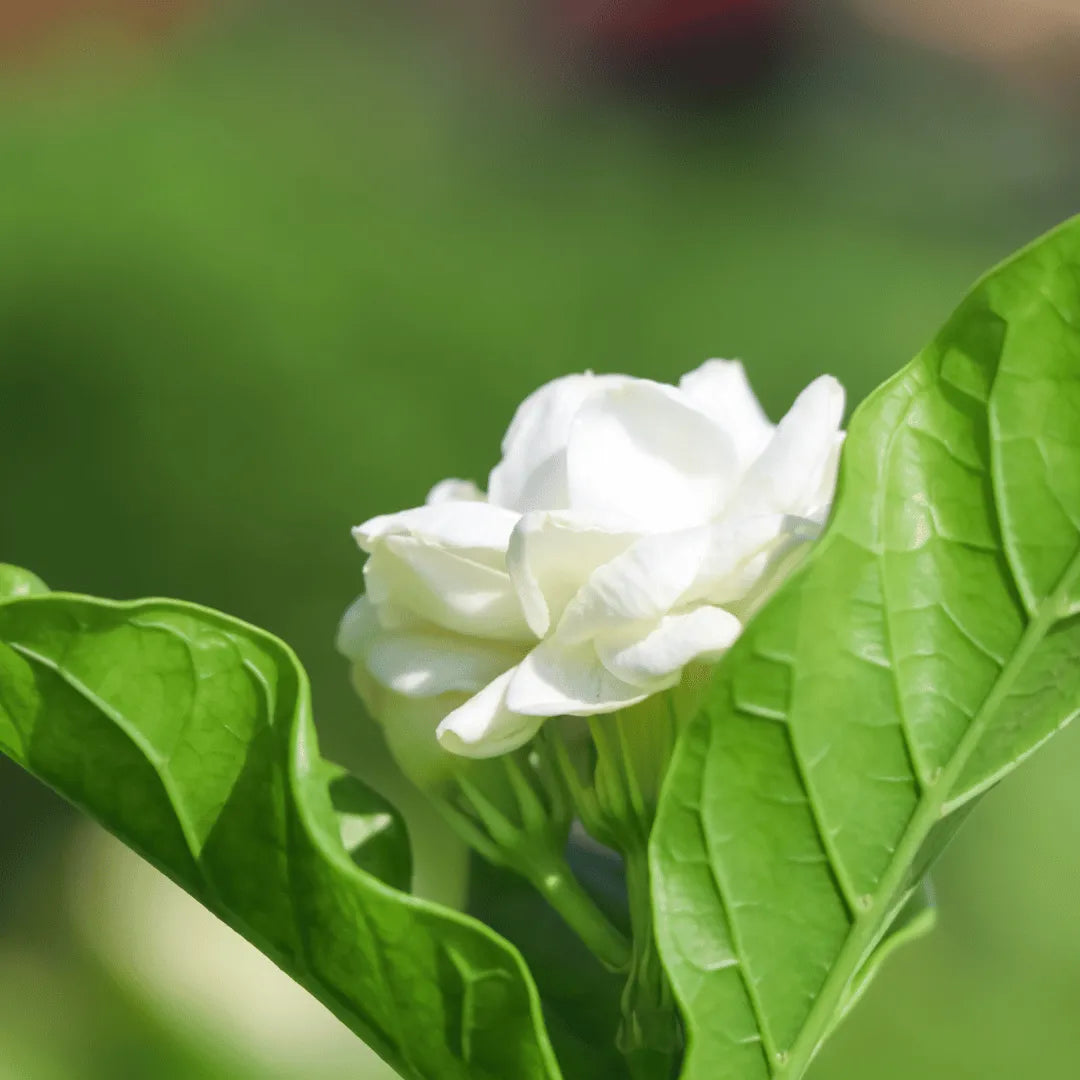
The Fast-Fix Pest Playbook
Aphids (sappy clusters on tips and buds)
- Quick ID: Soft-bodied green/black/brown insects; sticky honeydew; ants often present.
- Fix:
- Blast with water to remove clusters.
- Spray insecticidal soap (commercial, not dish soap), coating undersides and stems until just shy of runoff. Repeat every 4–7 days for 2–3 cycles.
- Pinch soft, infested tips. Outdoors, yellow sticky cards help monitor.
- Spray at dawn or dusk to avoid pollinators; avoid hot midday sun.
Spider mites (the dry-air villains)
- Quick ID: Fine stippling, dusty look, minuscule webs in leaf axils; paper-tap test shows tiny moving dots.
- Fix:
- Rinse forcefully, especially leaf undersides.
- Raise humidity to 50%+ (pebble tray, humidifier, cluster plants—without crowding).
- Alternate insecticidal soap and horticultural oil (including neem-based oil) at 1–2% every 5–7 days for 2–3 rounds. Thorough coverage is crucial.
- Improve light (bright, direct sun) but keep leaves cool during spraying; avoid oil in extreme heat.
Whiteflies (snowflake swarm)
- Quick ID: Tiny white adults flutter when disturbed; sticky honeydew and sooty mold follow.
- Fix:
- Early morning, gently vacuum adults (handheld vacuum, low setting).
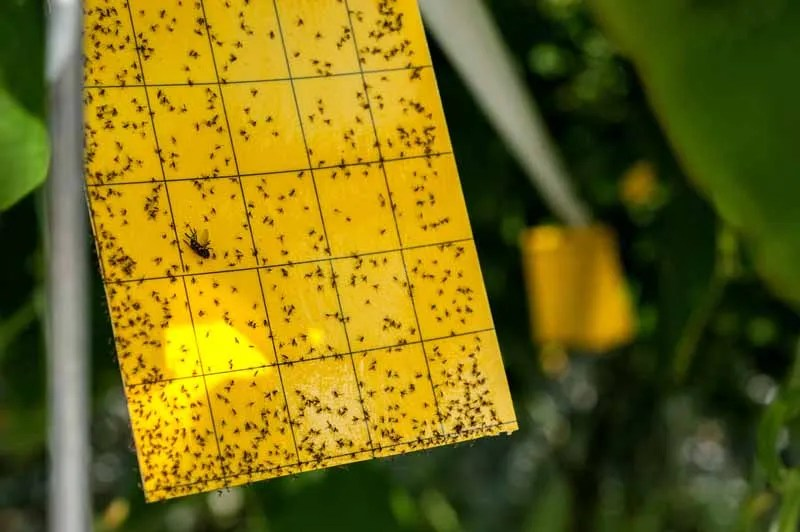
- Hang yellow sticky cards at canopy height.
- Soap for nymphs + horticultural oil for eggs on leaf undersides; repeat weekly 2–3 times.
- Remove heavily infested leaves. Keep a steady breeze across the plant.
Scale (armored cling-ons)
- Quick ID: Dome-like bumps stuck to stems/leaf veins; may ooze honeydew (soft scale types).
- Fix:
- Dab individuals with isopropyl alcohol on a cotton swab.
- Prune crusted twigs; lightly scrub stems with a soft toothbrush.
- Follow with 1–2% horticultural oil, fully wetting stems and leaf midribs. Repeat in 7–10 days and again 2–3 weeks later.
- Monitor weekly—young crawlers are most vulnerable to sprays.
Thrips (bud and petal spoilers)
- Quick ID: Silvery/bronzed streaks, distorted new leaves, browned flower edges; black specks; blooms may fail.
- Fix:
- Remove and bag affected blooms and buds.
- Blue or yellow sticky cards near the flowers.
- Apply insecticidal soap or a light horticultural oil to foliage and forming buds (avoid soaking open petals). Repeat every 5–7 days x 2–3.
- Increase airflow and sun; keep nearby weeds and spent blooms cleaned up.
Fungal Leaf Spots and Sooty Mold: Clear the Air, Dry the Leaves
- What it looks like: Round dark or tan spots; sometimes rust-like specks. Sooty mold is the black film that grows on honeydew (from sucking pests).
- Why it happens: Stagnant air, late-day leaf wetness, crowded canopies, or persistently soggy soil.
- Fix:
- Prune to open the plant’s center; train on a small trellis for air channels.
- Water at the soil line early in the day; avoid wetting leaves late.
- Increase sun and airflow (morning sun is perfect for drying).
- Remove affected leaves; keep soil free of dropped debris.
- Reset watering to “evenly moist, never waterlogged.” Refresh to a rich, free-draining mix if the pot stays wet too long.
Bud Drop Triage: Your Fast Resets
- Light reset: Give 6–8+ hours of direct sun. Indoors, a south- or west-facing window (or supplemental grow light). Outdoors, full sun with light afternoon shade in extreme heat.
- Temperature sanity: Warm-loving—best growth around 25–35°C (77–95°F). Keep above 10°C (50°F). Chilly nights or drafts trigger bud abortion.
- Moisture rhythm: In growth, water when the top 2–3 cm (1 in) is dry; drench until excess drains; empty the saucer. Small pots in heat may need water every 1–3 days.
- Feeding nudge: Regular feeding in spring–early fall; avoid heavy nitrogen that pushes leaves over buds. If bloom is weak, use a bloom-supporting formula with higher P/K.
- Pruning timing: After a main flush, prune back to prompt vigorous new shoots—your next round of buds forms on that fresh growth.
- Root comfort: Use a free-draining, humus-rich mix (slightly acidic to near-neutral). Repot in spring or just after flowering; size up gradually to avoid staying soggy.
Airflow Tricks That Change Everything
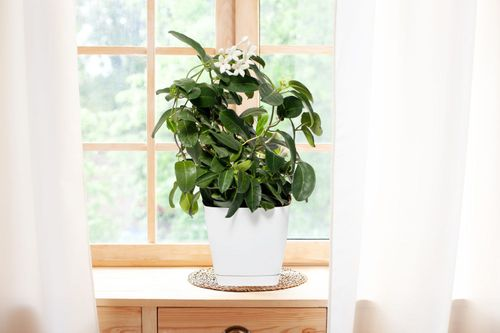
- Indoors: A gentle oscillating fan for a few hours daily; don’t park it in a stagnant corner.
- Prune and space: Thin crowded interior twigs; keep a finger’s width of space between leaves and walls/windows.
- Train it: A small trellis or hoop to lift foliage off the pot rim, letting air circulate.
- Morning sun: Position where early light dries dew fast.
- Outdoor summering: A sunny, airy balcony or patio is jasmine heaven—just bring it in before nights dip below 10°C (50°F).
Insecticidal Soap and Horticultural Oil: Smart, Safe Use
- Choose the right product: Use commercial, plant-labeled insecticidal soap (potassium salts of fatty acids) and horticultural oil (lightweight petroleum or plant-based such as neem). Avoid homemade dish soap mixes.
- Contact killers: They work on contact—thorough, even coverage is key, especially undersides and stems. Once dry, they have little residual effect and are generally safer for beneficials.
- Timing for pollinators: Spray at dawn or dusk when pollinators aren’t visiting the fragrant white blooms.
- Concentration: Many products are used around 1–2%. Higher than ~3% can risk leaf/flower injury on sensitive plants. Always follow your label.
- Test first: Spray a few leaves and wait 48–72 hours. Look for scorch or spotting before full treatment.
- Heat and stress: Don’t spray on water-stressed plants or in strong midday sun; avoid very hot spells. Water the root zone first if the plant is thirsty.
- Repeats: Apply every 4–7 days for 2–3 rounds (pests like mites/whiteflies need repeat hits across life stages).
Your 5-Minute Weekly Prevention Routine
- Leaf check: Flip a few leaves on each side for pests or webbing.
- Shake test: Gently tap a branch over white paper—moving specks = mites or thrips.
- Sticky cards: Keep a yellow (and optionally blue) card at canopy height; replace when crowded.
- Rinse refresh: A quick, gentle spray-down outdoors or in the shower keeps dust and mites down.
- Water right: Top 2–3 cm dry? Water deeply, then empty the saucer.
- Feed lightly in season: Balanced feed, then switch to bloom support if foliage is lush but buds are shy.
- Housekeeping: Remove spent blooms and fallen leaves; wipe the pot rim; keep tools clean.
Why We Fuss Over It
Arabian jasmine is an evergreen-to-semi-evergreen shrub with glossy leaves and famously waxy white blooms that release their richest perfume in warm weather—often most intense in the evening. It’s a classic container companion on sunny balconies and a treasured garden shrub in frost-free climates. Across South and Southeast Asia, its flowers scent tea and star in ceremonies; culturally it symbolizes love, purity, and gentle devotion. Give it strong sun, steady moisture, and a regular haircut, and it will repay you with months of bloom and room-filling fragrance.
Quick safety note: True jasmines (Jasminum) are generally low-toxicity. Still, don’t let pets or children chew the plant, and avoid medicinal use of roots without professional guidance.
Bring back the breeze, the sun, and the song of those night-fragrant blooms—your jasmine will thank you with a fresh flush of buds.