

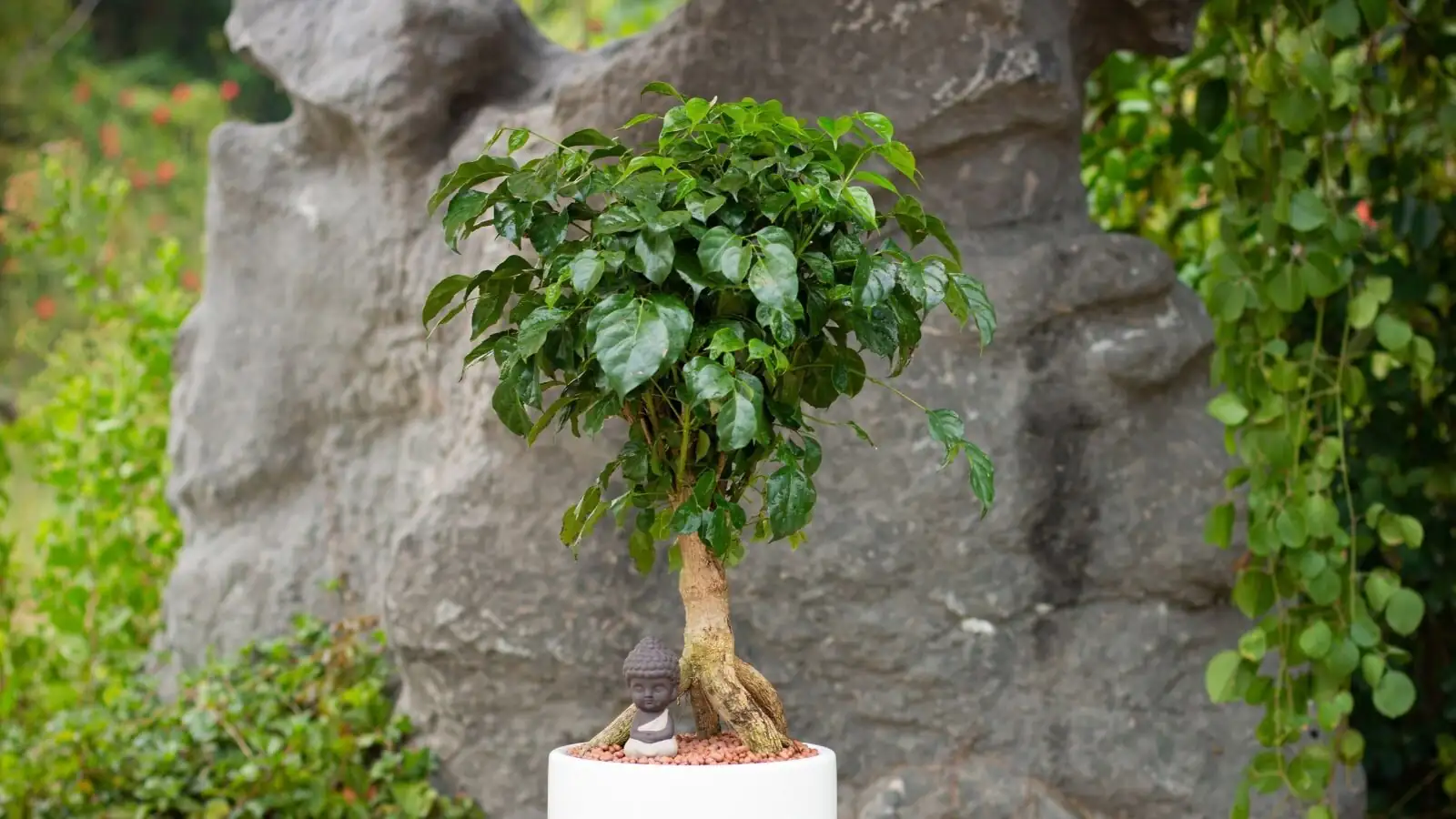
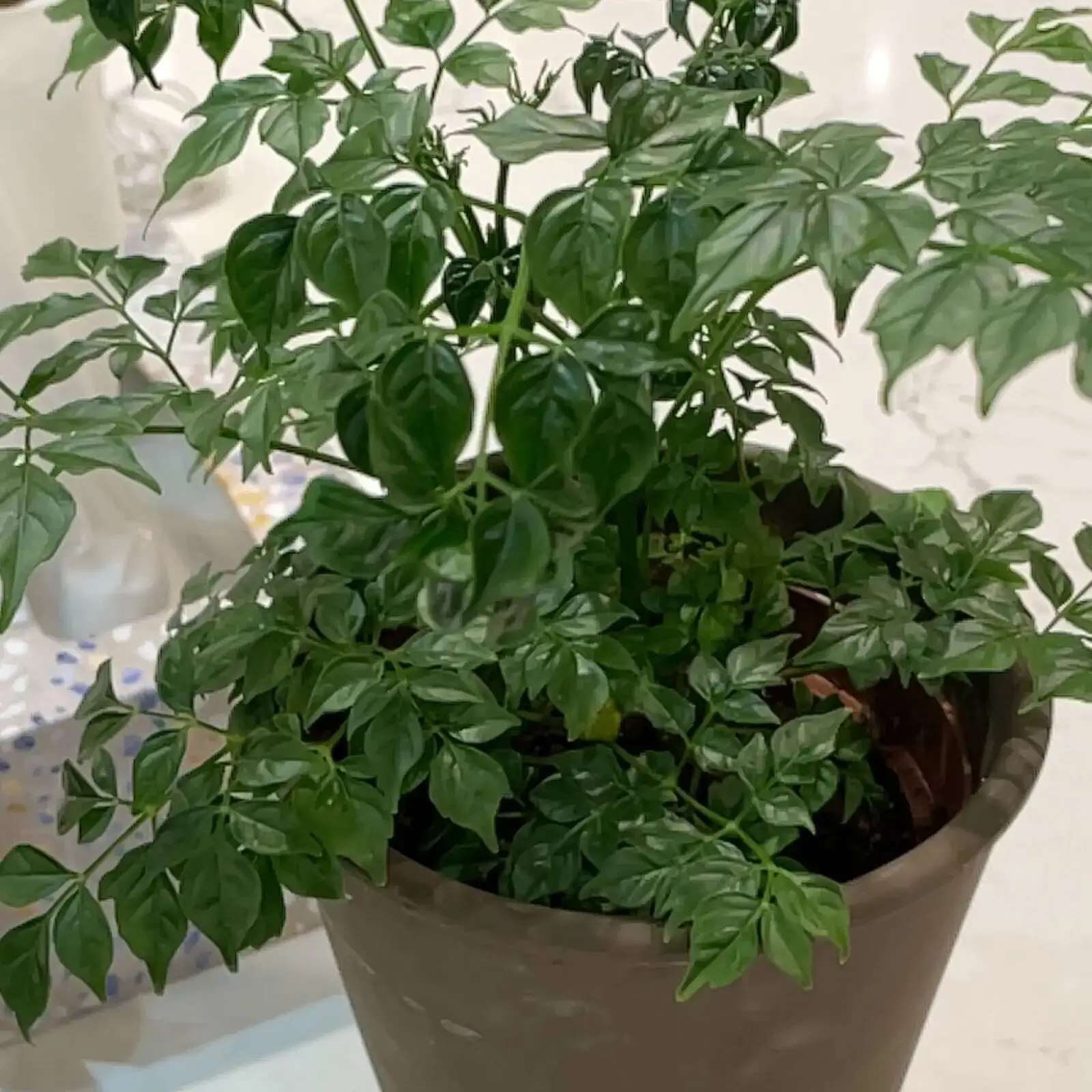
Meet the China doll plant (Radermachera sinica): a glossy, tiered mini-tree that looks serene but doesn’t tolerate nonsense. When pests move in or leaf spots appear, it can sulk and shed. Here’s your calm, methodical battle plan to detect problems early, isolate fast, treat safely with horticultural oil/soap, and tighten up airflow and hygiene so issues don’t rebound.
Know your enemies (and their calling cards)
- Whiteflies (common)
- What you see: Tiny “snow” that flutters up when you nudge the plant; sticky leaves; black sooty mold on honeydew.
- Where to look: Undersides of leaves; clusters on tender growth.
- Scale insects (common)
- What you see: Stuck-on, tan/brown bumps on stems and leaf midribs; sticky leaves; ants sometimes lurking.
- Where to look: Woody stems, leaf veins, and the sheltered inside of branch tiers.
- Spider mites (occasional but serious in hot, dry rooms)
- What you see: Fine stippling/bronzing, dusty look, tiny moving dots; delicate webbing in heavy infestations.
- Where to look: Leaf undersides, interior canopy where air is still.
- Aphids (occasional)
- What you see: Pear-shaped soft insects on new growth; curled, distorted shoots; honeydew.
- Leaf spot (bacterial/fungal)
- What you see: Small dark spots—often with a yellow halo—that slowly expand; spots may coalesce; worst in stagnant, humid air or when leaves stay wet late in the day.
- Fungus gnats (a red flag)
- What you see: Tiny flies hovering over soil. They signal consistently wet mix—conditions that also favor root issues and leaf spot.
Tip: The China doll is famously reactive. Leaf drop can also result from low light, cold drafts, or big temperature swings. Rule out care issues while you scout for pests.
Early detection: a 60‑second weekly inspection
- Scan the undersides of several leaves at each “tier” with a bright light or phone flashlight.
- Gently tap a branch over white paper: moving specks might be mites; a white puff suggests whiteflies.
- Feel for tacky leaves (honeydew) and look for black sooty mold.
- Check stems and veins for immobile bumps (scale).
- Peek at the soil surface for gnats if the potting mix looks wet.
- Keep a couple of yellow sticky cards near the canopy; they’ll reveal early whitefly or fungus gnat activity.
Quarantine and containment (right now)
- Isolate the plant 2–3 weeks away from your collection—different room if possible.
- Improve air movement around it without blasting it with cold or hot air.
- Sterilize tools (70% alcohol or a 10% bleach solution) before and after working on the plant.
- Handle the plant last; wash hands afterward.
Treatment playbook: least‑toxic, repeat‑safe, and thorough
Day 0: Deep‑clean and reset
- Prune and bin heavily infested or badly spotted leaves. Disinfect shears between cuts.
- For scale: Dab individual bumps with 70% isopropyl alcohol on a cotton swab, then wipe away.
- Shower or hose the plant early in the day to dislodge pests and honeydew.
- Protect soil with a plastic bag if it’s already moist; let foliage dry quickly with gentle airflow.
- Wipe remaining honeydew and sooty mold with a damp cloth so sprays can contact pests.
Spray cycles: soap and/or horticultural oil
- Choose one:
- Insecticidal soap (potassium salts of fatty acids) for aphids/whiteflies/mites.
- Horticultural oil at about a 2% solution (per label) for whiteflies/scale/mites.
- Test first: Spray one small area, wait 24 hours to ensure no leaf burn.
- Application tips:
- Thorough coverage matters—especially leaf undersides and stems.
- Treat in the morning, in bright indirect light (avoid hot midday sun).
- Keep good airflow while leaves dry; avoid chilling drafts.
- Repeat rhythm:
- Every 7 days for 3–4 rounds for whiteflies/aphids.
- Every 4–7 days for 3 rounds for spider mites.
- For scale, combine swabbing/wiping with 2–3 oil treatments a week apart.
- Between rounds:
- Rinse residues lightly the day before the next spray, early in the day, and dry with airflow.
- Replace yellow sticky cards if they’re crowded with catches.
Note: Whiteflies and scale have multiple life stages; breaking their cycle requires repeats. Stay consistent even if you see fewer adults after Round 1.
Environmental assists that boost control
- For spider mites: Raise ambient humidity moderately (the plant prefers around 60%+), but keep air moving so leaves don’t stay wet.
- For whiteflies: Keep yellow sticky cards placed slightly above and around the canopy to trap new adults.
- For heavy greenhouse‑style mite issues: Predatory mites can be effective, but they work best in controlled environments; most home situations do fine with soap/oil plus humidity and airflow tweaks.
Leaf spot triage and prevention

Spot it early
- Small brown/black lesions (often with yellow halos), sometimes starting on crowded interior leaves.
- Spots enlarge or merge where air is stagnant or leaves stay damp after late misting or evening watering.
Act immediately
- Remove affected leaves; disinfect tools between cuts; discard in the trash—not compost.
- Boost airflow around and through the canopy with a gentle fan or spacing; avoid cold drafts.
- Water at the soil line in the morning. Keep foliage dry, especially late in the day.
- Maintain moderate to high humidity with movement (humidifier + fan, or a pebble tray), not with heavy evening misting.
- If spotting continues despite cultural fixes, consult a local extension office about disease ID and any targeted, indoor‑safe options. Prioritize airflow and sanitation first—these alone often stop leaf spot on China dolls.
Harden the environment so problems don’t rebound
- Light
- Bright, indirect light or gentle morning sun is ideal; protect from harsh midday rays.
- Temperature
- Sweet spot: 20–30°C (68–86°F).
- Keep above about 12°C (54°F) indoors and avoid sudden swings; protect from drafts.
- Humidity
- Aim for roughly 60%+ with airflow. Humidifier or pebble tray works—pair with a small fan so leaves never stay clammy.
- Watering
- Keep the mix evenly moist but never soggy in active growth; reduce in winter to “just moist.”
- Avoid chronic wetness that invites fungus gnats and leaf diseases.
- Hygiene
- Wipe leaves monthly to remove dust and honeydew.
- Clean saucers, outer pots, and shelves.
- Sterilize tools; don’t reuse potting mix.
- Spacing and pruning
- Give the canopy room to breathe; pinch tips to keep it full yet airy.
- New plant quarantine
- Park newcomers in a bright, airy quarantine zone for 2–3 weeks. Inspect for scale/whiteflies before introducing them to your collection.
- Lifestyle triggers
- No smoking near the plant; avoid stagnant rooms and overheated radiators.
When to escalate—or let go
- If scale has armored nearly every stem, or whiteflies rebound after 4+ full spray cycles with good coverage and airflow, reassess:
- Reboot with a harder prune and restart the soap/oil cycle, or
- Consider discarding the plant to protect the rest of your collection and starting fresh with a healthy specimen.
- For greenhouse‑level mite outbreaks, biological controls (predatory mites) are an option—but for most homes, improved humidity/airflow plus repeat soap/oil is enough.
Quick reference: the 10‑point battle checklist
- Isolate the plant immediately.
- Prune heavily infested or spotted leaves; disinfect tools.
- Deep‑clean: wash off pests/honeydew early in the day; dry with airflow.
- Treat with insecticidal soap or a ~2% horticultural oil solution (per label); cover leaf undersides.
- Repeat weekly for 3–4 rounds (shorter intervals for mites).
- Use yellow sticky cards for whiteflies and to monitor progress.
- Keep humidity around 60%+ with gentle airflow; avoid late wet foliage.
- Water in the morning; keep soil evenly moist but never soggy.
- Maintain bright, filtered light and stable warmth (stay above ~12°C/54°F indoors).
- Quarantine new plants 2–3 weeks; inspect weekly thereafter.
A final word: Radermachera sinica is generally regarded as non‑toxic to people and pets, but it’s still wise to keep leaves out of curious mouths and to store sprays safely. With steady light, warmth, moving air, and your repeat‑safe soap/oil routine, your China doll can stay glossy, layered, and drama‑free—even when pests and leaf spots try to steal the scene.