

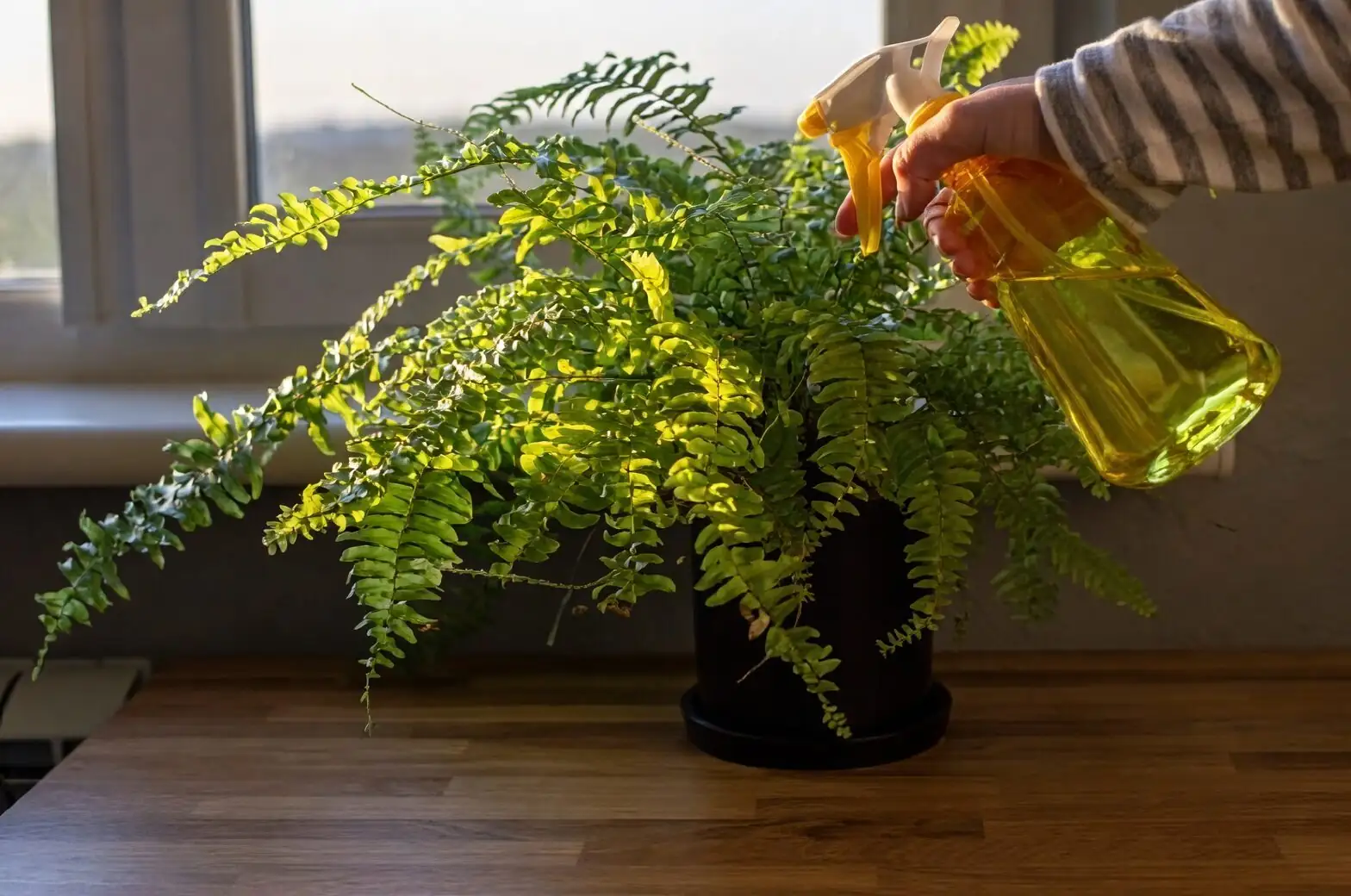
Imagine stepping into a room that feels like a steam-kissed sanctuary—soft light, gentle greenery, and those elegant, feathered fronds spilling like a fountain from a pedestal or basket. That’s the quiet magic of Pteris vittata, the Chinese brake fern. It’s forgiving, graceful, and supremely suited to filtered light and humidity-rich corners—exactly the ingredients for an effortless spa vibe at home.
Meet Pteris vittata at a glance
- Common names: Chinese Brake Fern, Brake Fern, Ladder Brake
- Scientific name: Pteris vittata (family Pteridaceae)
- Origin: Tropical and subtropical Old World; now widely naturalized in warm regions
- Habit and size: Clump-forming and arching; typically 30–60 cm (12–24 in) tall and wide in pots
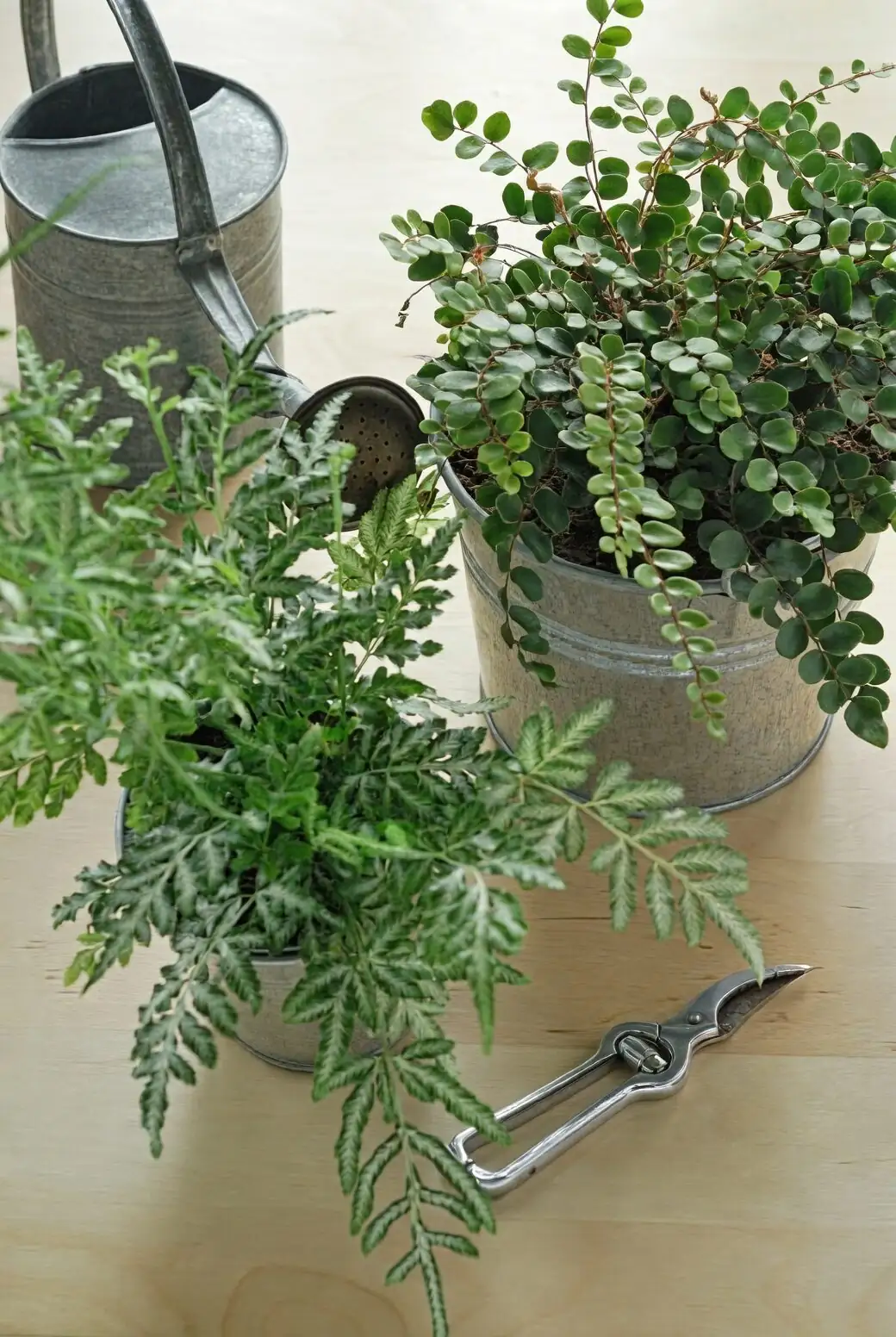
- Look: Narrow, finely divided, feather-like fronds on wiry dark stems; airy, fountain-like silhouette
- Bonus: Variegated forms sometimes show a pale stripe down each leaflet
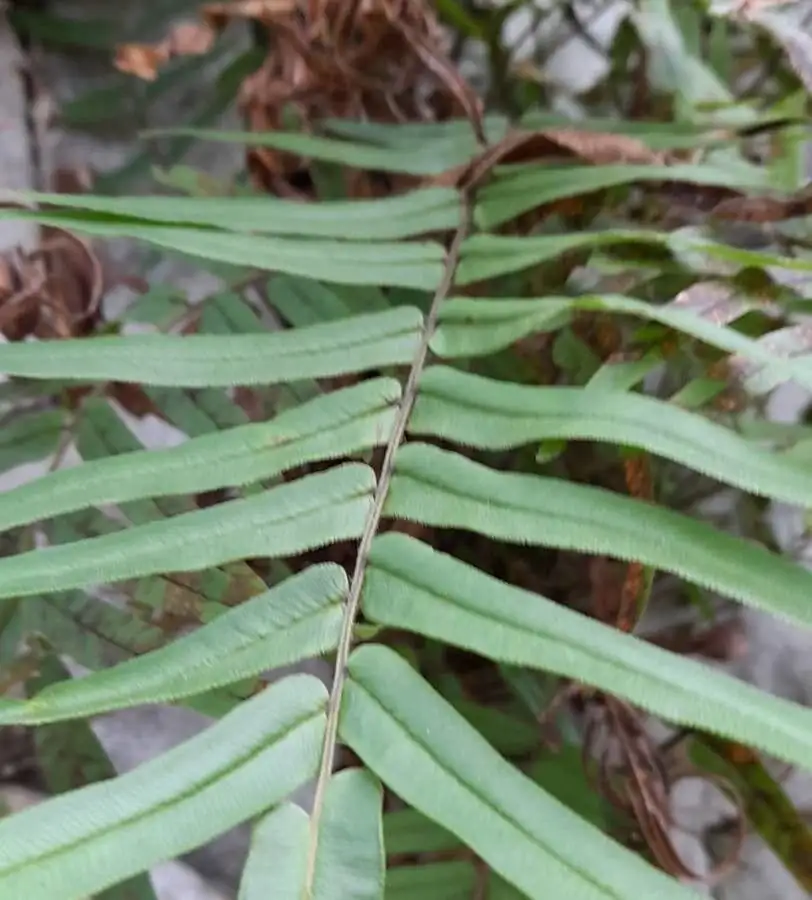
This fern is an easy mood-setter. Keep it in bright, filtered light with even moisture and comfortable humidity, and it stays lush with minimal fuss.
Style it for an effortless spa vibe
Hanging baskets done right
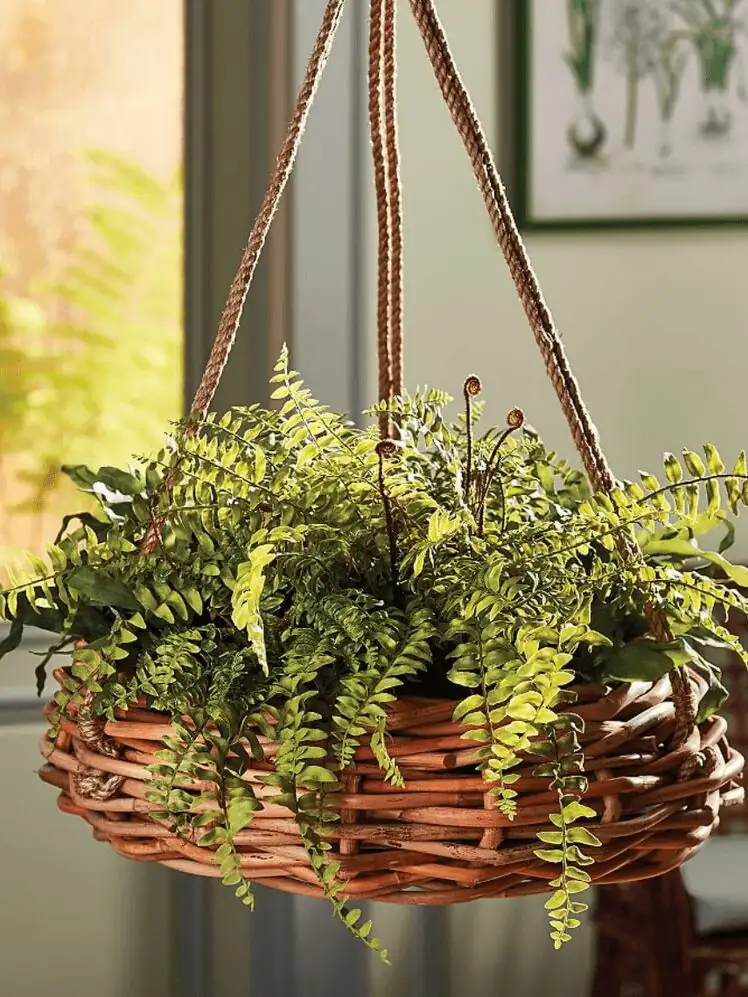
Let those arching fronds drape and soften edges—ideal for bathrooms, bright kitchens, or beside a sheer-curtained window.
- Placement sweet spots:
- Near an east-facing window, or a south/southeast window filtered through a sheer curtain
- In a bright bathroom where steam bumps humidity (avoid harsh, direct rays)
- Basket and liner tips:
- Use a hanging pot with drainage holes; moisture-resistant, lightweight materials are great
- If using a coco liner, add an inner liner with drainage holes to slow evaporation while preventing waterlogging
- Potting mix that stays airy:
- Aim for moisture-retentive but free-draining: try 2 parts all-purpose potting mix + 1 part bark-based medium + 1 part horticultural charcoal
- Watering trick:
- Take the basket to a sink or shower, water thoroughly, let it drain fully, then rehang—no soggy ceilings, no wet floors
Style note: Pair the fern’s fine texture with smooth tile, matte stone, or pale wood for a calm, spa-forward look. Its light, lacy fronds love company from simple lines and neutral palettes.
Pedestal pots and plant stands
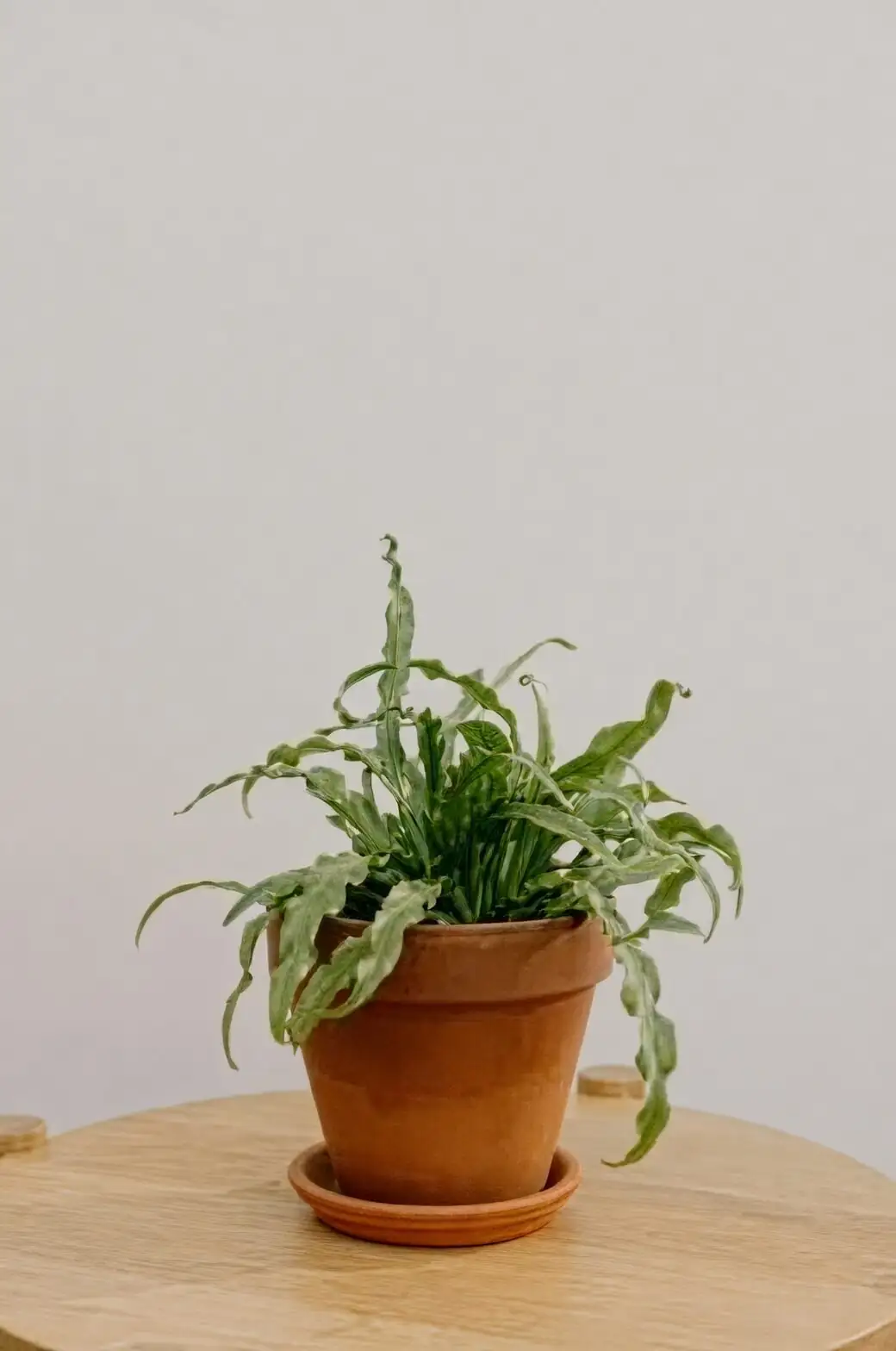
A pedestal elevates the fern’s “fountain” form, letting fronds cascade without crowding furniture.
- Choose a sturdy stand 30–45 cm (12–18 in) high for a mature 60 × 60 cm clump
- Place near filtered light (east/north windows, or south with sheers)
- Keep away from heaters, AC vents, and drying drafts to prevent crispy tips
Shelves, ledges, and shower nooks
- A bright, steamy bathroom shelf is prime real estate—just add a drip tray and ensure good drainage
- On open shelving, let fronds spill slightly over the edge for movement and softness
- Avoid tight corners with stagnant air; a little airflow keeps fronds fresh
Humidity havens
- Bright bathrooms are perfect, but bright laundry rooms or kitchens can work well, too
- Group with other plants or run a humidifier to keep frond tips plush and green
Light, temperature, and airflow: set the mood
- Light: Bright, indirect light to partial shade is ideal. Direct midday sun scorches and dries fronds; morning sun through sheer curtains is usually fine
- Temperature: Happy in typical indoor ranges; best around 18–27°C (64–81°F), comfortable 13–24°C (55–75°F). Protect from cold drafts and avoid prolonged dips below ~10°C (50°F)
- Airflow: Gentle airflow is good. If the clump gets very dense, thin a few tall, fertile (spore-bearing) fronds to improve circulation
Watering and humidity—keep it dewy, not drenched
- Even moisture is the goal:
- Spring through autumn: water thoroughly and let excess drain; indoors this can be about 3 times per week in summer, adjusted to your light, heat, pot size, and media
- Winter: reduce to roughly once weekly, watering when the surface begins to dry—never let the whole pot go bone-dry
- Humidity:
- Moderate humidity is usually adequate, but it looks best around 60–70%
- Mist regularly in dry rooms (morning is best), group plants, or take advantage of a naturally humid bathroom
- Red flags:
- Crispy tips, yellowing, or curling often point to dry air, underwatering, or harsh sun
Soil, potting, and feeding
- Mix: Moisture-retentive yet free-draining is key—think fern-friendly, humus-rich, and airy
- Pot choice: Always use pots with drainage holes; avoid letting the plant sit in a water-filled saucer
- Feeding:
- Spring to early autumn: feed monthly at half-strength with a balanced liquid fertilizer; if you prefer higher potassium, a 15-15-30 at half-strength works well
- Keep fertilizer off fronds to reduce spotting; occasionally flush the pot to prevent salt buildup
- Repotting:
- About every 2 years in spring, or sooner if roots crowd or push out of drainage holes
- Move up just one pot size, or divide and replant into the same size with fresh mix
Grooming, shaping, and propagation
- Grooming:
- Snip yellow, brown, or damaged fronds at the base to keep the clump tidy
- Thin a few overcrowded or overly tall fertile fronds to enhance shape and airflow
- Propagation:
- Best by division during spring repotting; keep new divisions warm, in part shade, and humid until established
- Spore-growing is possible but slower and more advanced
- Frond care note:
- If kept too dry, fronds may yellow or crisp at the tips—respond by improving humidity and watering rhythm
Troubleshooting at a glance
- Fronds yellowing and curling:
- Move to bright, indirect light; trim affected fronds; water thoroughly; increase humidity; avoid drafts and harsh sun
- Browning tips:
- Often low humidity, underwatering, or fertilizer salts; raise humidity and flush the mix occasionally
- Pests:
- Scale, mealybugs, and spider mites are the usual suspects—wipe or rinse fronds, then treat with horticultural oil or insecticidal soap as needed; raise humidity to deter mites
- Leaf spot:
- Remove affected fronds; improve airflow; avoid leaving fronds wet late in the day; use a fern-safe fungicide if necessary
Buying and potting checklist
- Look for fresh, evenly green fronds with minimal tip browning
- Avoid plants that are bone-dry or sitting in sour, waterlogged mix
- Check undersides of fronds and stems for scale and mealybugs
- Inspect roots: heavy circling or roots bursting from drainage holes mean it’s overdue for a repot
Quick spa-styling recipes
- Serene Shower Niche:
- A small hanging pot near an east-facing bathroom window; mist lightly after morning showers; pair with matte white tile and a bamboo bath caddy
- Pedestal Fountain:
- A medium fern in a pedestal pot on a stand by a sheer-curtained window; place a smooth stone tray beneath to echo the frond texture
- Floating Shelf Softener:
- One fern + two minimal planters (e.g., trailing pothos and a compact calathea) on a bright shelf; keep the fern closest to the light for best vigor
- Entryway Unwind:
- A single statement fern on a stand near filtered light—instant arrival calm, no flowers required
Safety and symbolism
- Safety:
- Generally considered non-toxic or low-toxicity to people and pets, though chewing can cause mild stomach upset—best to keep out of nibbling range
- Symbolism:
- Ferns have long been associated with resilience and quiet elegance. In the Victorian “language of plants,” ferns stood in for sincerity and secret bonds. While ferns don’t bloom, their persistent green fronds and timeless form make them icons of steady beauty—perfect for spaces meant to soothe
Fun fact to impress fellow plant lovers
- Pteris vittata is famous as an arsenic hyperaccumulator and has been studied for cleaning up contaminated soils. Indoors, treat it as a stylish foliage star—not a remediation tool—and enjoy its architectural grace
Bring home Pteris vittata, give it filtered light, even moisture, and a touch of humidity, then let those feathery fronds do what they do best: turn any corner into a calm, spa-like retreat.