


If you’ve ever wanted to keep a little constellation on your windowsill, meet Earth Star (Cryptanthus bivittatus). This petite bromeliad arranges its wavy, slightly toothed leaves into a flat, star-shaped rosette—like a living firework that never burns out. In bright light, the foliage can glow with greens, pinks, reds, oranges, or even purples, often striped and shimmering. It’s compact, forgiving, and brimming with symbolism shaped by modern houseplant culture.
Why there’s no “classic” flower language entry—and how a modern one took root
Victorian floriography and Japan’s Hanakotoba never formally codified Earth Star. As a terrestrial bromeliad from Brazil’s Atlantic Forest, it only rose to global popularity much later—when houseplant collectors fell for its compact size, bold foliage, and ease on sunny sills and in airy terrariums.
Earth Star’s contemporary flower language springs from two lived truths:
- The star-shaped rosette: A natural emblem of guidance and orientation—the plant-world North Star.
- Resilient, steady growth indoors: It stays small, forms a tight, balanced rosette, then makes offsets (“pups”) over time. That persistence reads as celebration of progress and continuity.
In today’s language of plants, Earth Star speaks of guidance, celebration, and resilient sparkle—the starburst energy of everyday victories.
Cultural significance, unpacked
- Guidance and direction: A star has long been a compass in the night; this plant’s rosette echoes that navigational assurance. Gift it to someone charting a new path.
- Celebration and joy: The rosette bursts like confetti—especially in pinks, reds, and oranges—making it a perfect marker for promotions, graduations, and fresh starts.
- Resilience and continuity: Earth Star stays low, grounded, and patient. After blooming, the mother rosette often puts her energy into pups—an easy metaphor for mentorship, legacy, and new chapters.
- Hidden beauty: “Cryptanthus” means “hidden flower.” Its small, white blooms nestle deep in the center—quiet proof that some wonders reward close attention.
A Feng Shui read: tuning Fire and Metal through color
Different schools of Feng Shui interpret living decor in varied ways, but Earth Star makes it delightfully easy to “tune” a room’s qi using foliage color.
- Fire tones (pinks, reds, oranges)
- Where to lean: South sector for recognition and vitality; living or creative spaces that need warmth and enthusiasm.
- Styling cues: Warm-toned planters, triangular motifs, sunrise palettes.
- Mood: Spark, celebration, momentum.

- Metal tones (silvery, white-striped, or cool purples)
- Where to lean: West/Northwest to support creativity, helpful people, clarity.
- Styling cues: Round white or metallic planters, clean lines, reflective accents.
- Mood: Focus, refinement, crispness.
A note on Earth’s quiet support: As a terrestrial bromeliad, Earth Star carries a grounding quality. If you’re cultivating stability in study or relationships, square planters and earthy palettes can underscore that steadying vibe—just remember the color of the foliage sets the emotional “temperature.”
Practical Feng Shui always meets plant needs first. Place Earth Star in bright light with good airflow; avoid stagnant moisture in closed terrariums and keep it out of cold drafts. Thriving plants, more than anything, generate auspicious energy.
How to give Earth Star as a meaningful gift
- Perfect moments
- New home or office: A pocket star for stability and fresh momentum.
- Graduation or new job: Guidance for the next constellation of goals.
- Birthday or recovery: Celebration of resilience and color returning to life.
- Message ideas for the card
- “A star for your window—may it guide and celebrate every small win.”
- “Grounded roots, bright direction. Here’s to your next chapter.”
- “Hidden blooms, daily brilliance—just like you.”

- Presentation tips
- Choose a planter that matches the intention:
- Fire-leaning rosettes: Warm ceramic, coral, or brick red.
- Metal-leaning rosettes: Matte white, silver, or chrome accents.
- Tuck in a simple care note (rain or distilled water; bright light). Consider gifting a future “pup” sharing as a symbol of mentorship and continuity.
Meet the plant behind the meaning
- Origin: Eastern Brazil’s Atlantic Forest, growing terrestrially in warm, humid habitats.
- Habit and size: A low, star-shaped rosette that stays compact—about 15 × 15 cm (6 × 6 in) at maturity.
- Foliage: Rippled, lightly serrated leaves in greens, pinks, reds, oranges, or purples; striping is common. Colors intensify with brighter light.
- Flowers: Small, usually white and tucked low in the center; grown for foliage more than bloom display.
- Growth: Intermittent flowering (often spring–summer). Over time, it will produce offsets (“pups”) around the base.
Light, water, and simple care
Give Earth Star what it loves and it will glow—literally.
- Light
- Bright light is best; it can take some direct sun if acclimated. A sunny windowsill is ideal.
- Brighter light brings richer reds and pinks; lower light shifts foliage greener.
- Water
- Spring–summer: Keep the mix evenly moist, never soggy. Use rainwater or distilled water for crisp leaf edges and better color.
- Autumn–winter: Water less; keep the mix just barely moist.
- Always let excess water drain freely and avoid letting water sit in the crown.
- Humidity and airflow
- Moderate humidity is fine; higher humidity improves leaf quality. Mist with lukewarm rain/distilled water if indoor air is dry.
- Provide gentle airflow; avoid stagnant, closed terraria.
- Soil and pot
- Use a very airy, fast-draining bromeliad-style mix. Two easy options:
- Equal parts orchid bark, perlite, and coco coir, or
- 1:1 orchid mix and all-purpose potting mix.
- Start in a 10 cm (4 in) pot; keep the crown above soggy media to prevent rot.
- Temperature
- Happy range: 16–27°C (61–81°F). Avoid chills below ~10°C (50°F).
- Feeding
- Spring through late summer: Balanced liquid fertilizer at 1/2 strength every 2–3 months. Overfeeding softens growth and can dull color.
- Grooming and repotting
- No routine pruning—just remove dead outer leaves.
- Repot every 2–3 years in spring, or sooner if the mix breaks down.
- Propagation
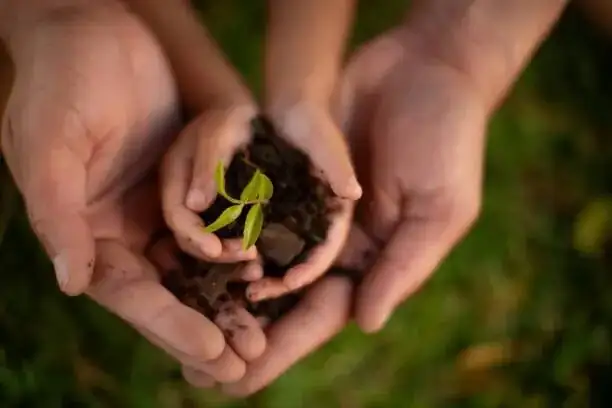
- Separate pups when they’re about 1/3–1/2 the size of the mother and have roots. Pot each into a small container with the airy mix above.
- Pests and safety
- Watch for mealybugs, scale, and spider mites (especially in dry air). Treat with insecticidal soap or horticultural oil as needed.
- Generally considered non-toxic to people and pets; sap may mildly irritate sensitive skin. Discourage chewing.
Color-savvy tips for the brightest star
- Acclimate gradually to stronger light to avoid scorch, and rotate the pot weekly for even color development.
- If your rosette looks more green than you hoped, nudge it closer to brighter light and hold back on fertilizer a bit—both help intensify hues.
- Pair leaf tone with pot and room accents to tell your story: ember-warm for celebration, moonlit-silver for calm focus.
A modern, meaningful “flower language”
While there’s no Victorian or Hanakotoba entry for Earth Star, its contemporary symbolism is clear and compelling:
- Guidance: A steady compass for new journeys.
- Celebration: A starburst rosette that toasts every milestone.
- Resilience: Compact, enduring growth that quietly shines.
Place one where sunlight can catch its stripes and watch the room brighten—direction found, joy affirmed, and small wins honored by a tiny, persistent star.