

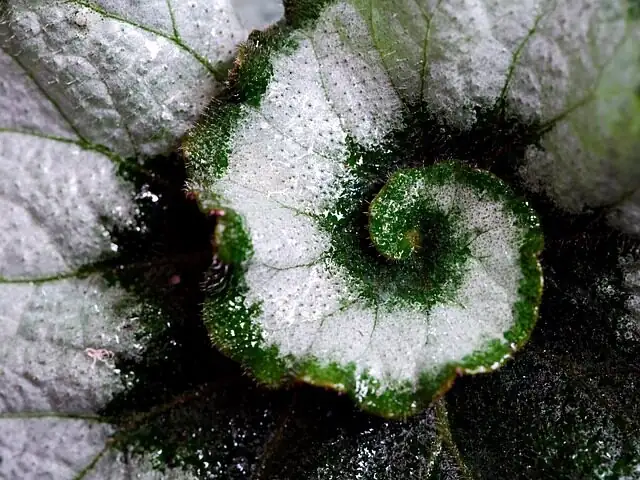
Picture this: a shaded forest floor in southern China and northern Vietnam, all moss-soft boulders and stream-cooled air. On a limestone ledge sits a plant whose leaves look hand-stamped with a medieval emblem—dark, velvety crosses set against glowing green. One collector brings it into cultivation, another shares it, and before long this rough-textured understory native has vaulted from misty ravines to glossy conservatories and bright city windowsills the world over. That’s the improbable, irresistible journey of Begonia masoniana—the Iron Cross Begonia—and the origin of its cult status in foliage fandom.
From karst understories to conservatories: the plant’s backstory
- Native range: Southern China to Vietnam, where it grows as an understory rhizomatous perennial in humid, filtered light.
- Into cultivation: It entered Western horticulture in the mid-20th century, rapidly winning hearts for its audacious leaf pattern and tactile surface.
- What’s in a name? Often called Iron Cross Begonia (the most recognized common name), it’s also traded as Mason’s Begonia—reflecting its association with the plant world’s Mason—and sometimes, confusingly, as “Brazilian Begonia,” a misnomer that stuck in the marketplace. Its true wild roots remain firmly Asian.
- A mark of merit: Grown primarily under glass or indoors in cooler climates, it has scored serious credibility in horticulture, including recognition such as the Royal Horticultural Society’s Award of Garden Merit.
The leaf that launched a thousand wishlists
Iron Cross Begonia is a “touch-and-stare” plant. The foliage is the star, and it plays to a full house.
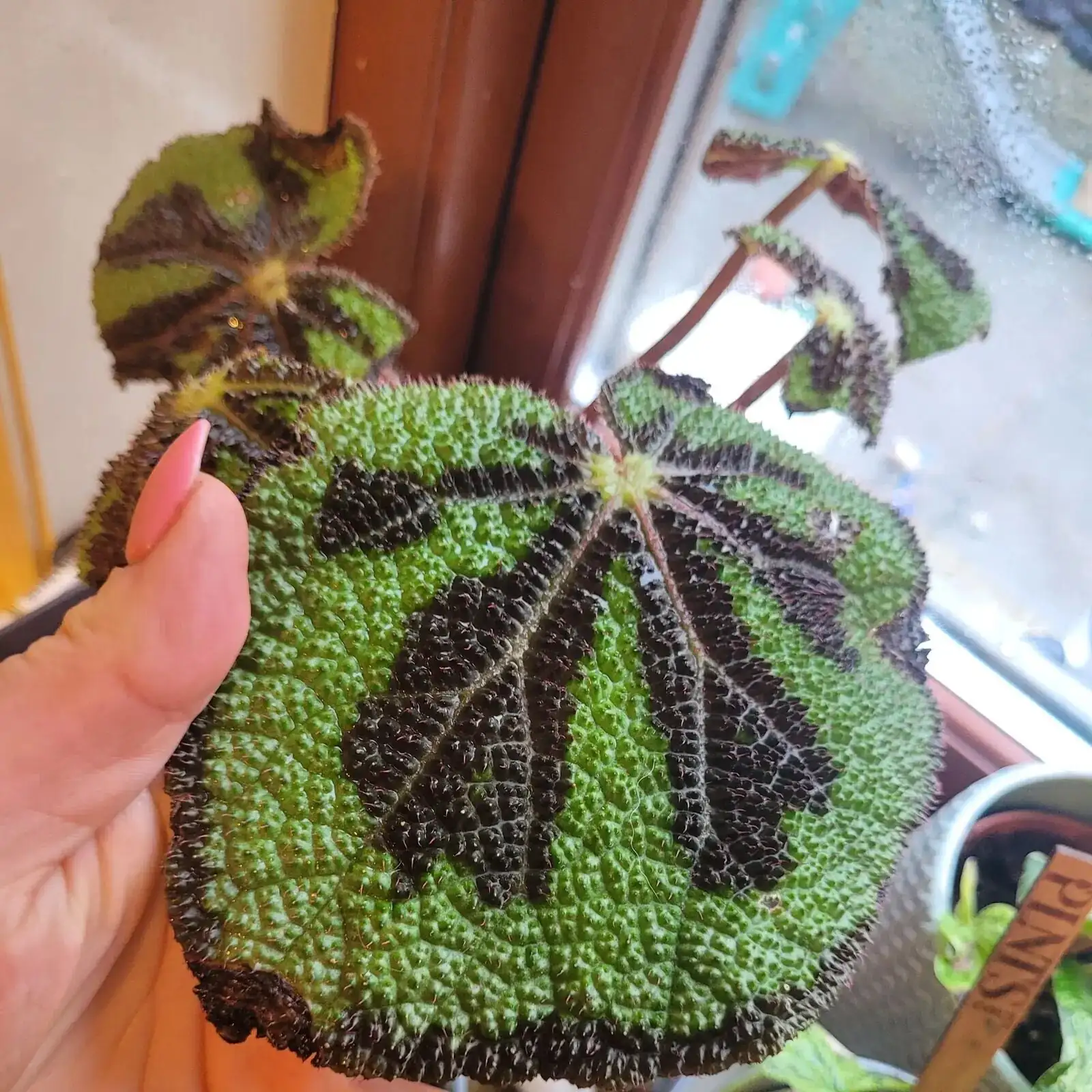
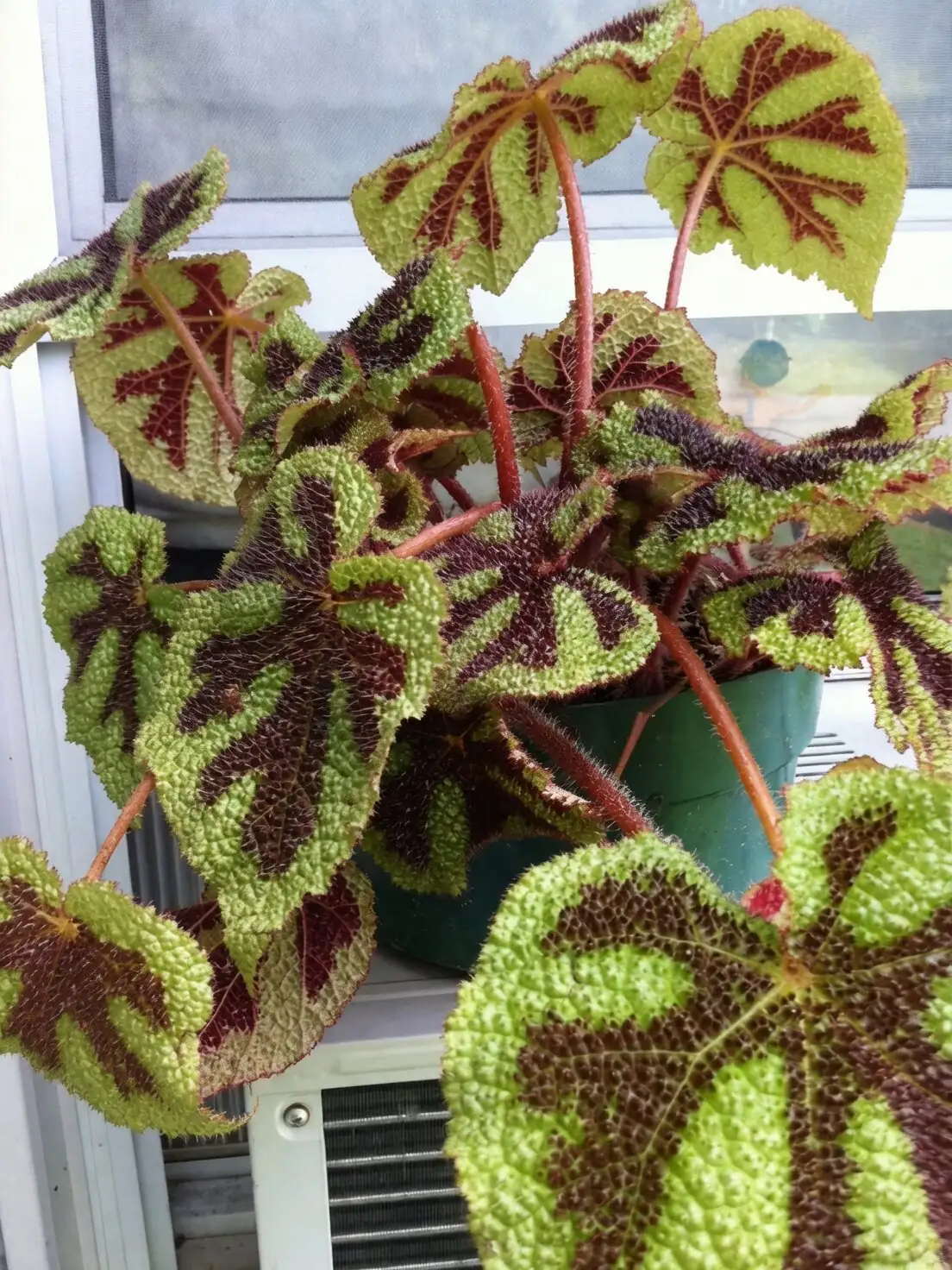
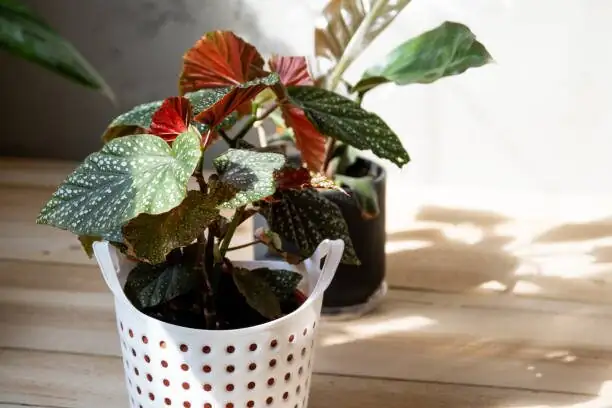
- Shape and show: Heart-shaped leaves in bright, almost luminous green.
- The signature: A dramatic, wine-red to brownish cross splashed across the center of each leaf—unmistakable and graphic, like a heraldic stamp.
- Texture: Famously rough—growers compare it to sandpaper—so the leaves are as intriguing to the fingertips as they are to the eyes.
- Flowers: Small and pale (pink to whitish) on slender stems. Charming, but secondary to the foliage.
- Size and habit: Typically 30–45 cm (12–18 in) tall and wide in a pot; a compact, clump-forming, rhizomatous grower that spreads more horizontally than vertically.
Why it became a cult foliage star
- A single, dramatic motif: That iron-cross marking reads clearly across a room and photographs like a dream.
- Tactile charisma: The rough, puckered surface invites a curious touch.
- Adaptable indoors: Thrives in bright, indirect light and steady warmth—perfect for modern homes and conservatories.
- Sharable: Rhizome divisions and leaf cuttings make it a generous plant for trading among collectors.
Care, made wonderfully clear
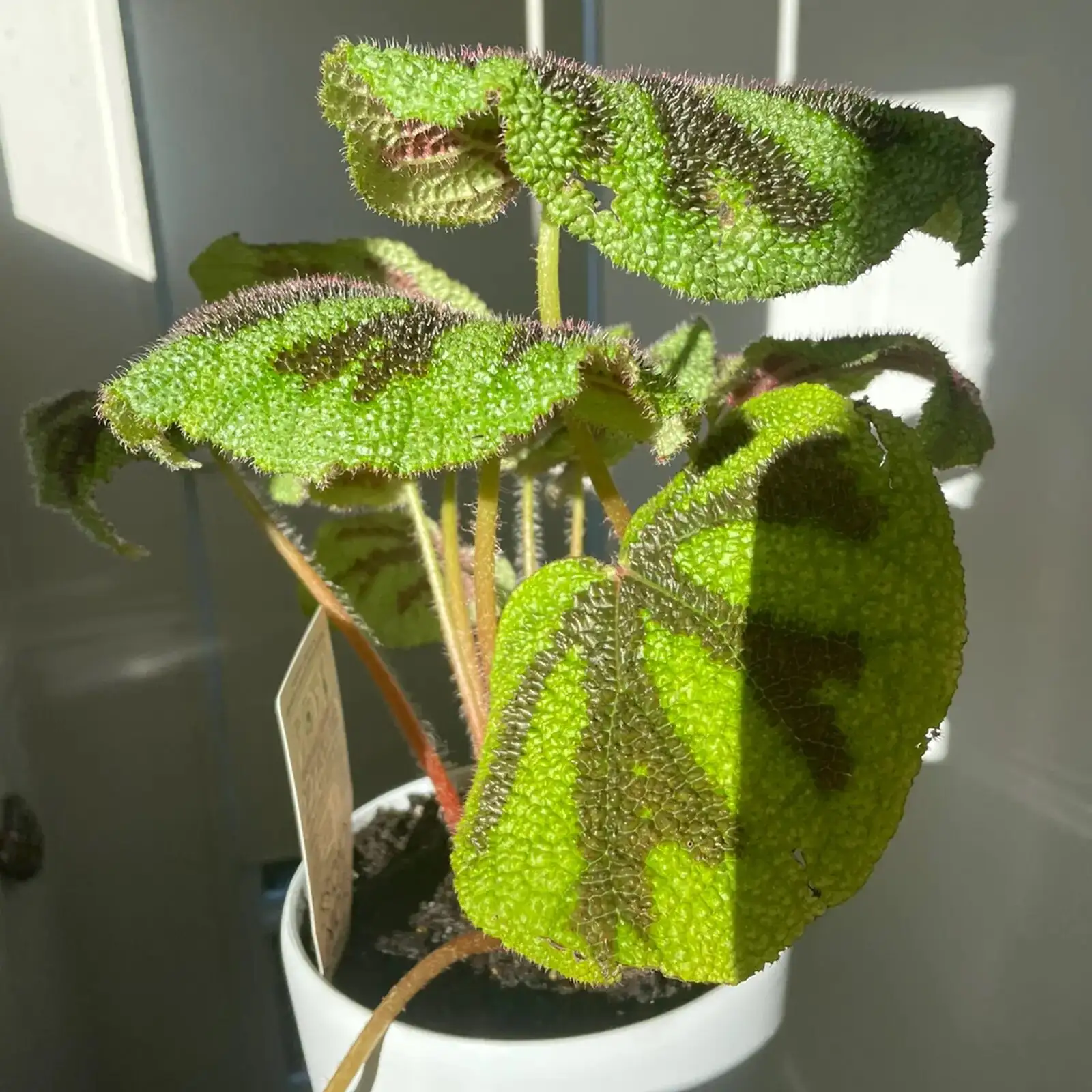
This species rewards consistency. Think bright-but-gentle light, even moisture (never soggy), and a comfortably warm, humid environment with good airflow.
Light
- Best: Bright, indirect light.
- Tolerates: Medium light.
- Avoid: Harsh direct sun, which can scorch and fade leaves.
Temperature
- Sweet spot: 18–27°C (64–81°F).
- Protect from: Drafts and chills; keep above 13°C (55°F).
Humidity
- Target: Moderate to high, ideally 50–70%.
- Tips: Keep away from heat vents. Aim for humidity with airflow; stuffy, wet leaves can invite trouble.
Watering
- Method: Water when the top 2–3 cm (about 1 in) of potting mix feels dry.
- Technique: Water thoroughly and let excess drain completely—never leave it sitting in water.
- Winter: Reduce watering slightly while keeping the plant warm.
Soil and pot
- Mix: Loose, airy, and fast-draining—try a peat or coco base amended with perlite and some fine bark.
- Pot style: Shallow and wide often suits the spreading rhizomes better than a deep pot.
- Repotting: Every 1–2 years in spring, or when the rhizome crowds the rim.
Feeding
- Season: Spring through early autumn.
- Formula: A balanced fertilizer at 1/4–1/2 strength every 2–4 weeks.
- Pause: Hold or greatly reduce feeding in winter.
Pruning and shaping
- Grooming: Remove yellowing or damaged leaves at the base.
- Style: Pinch or trim leggy growth to keep a compact, bushy form.
Propagation
- Easy routes: Rhizome division or leaf cuttings.
- Best conditions: Warmth (around 21–24°C / 70–75°F) and high humidity in a lightly moist medium.
Placement ideas
- Indoors: Near an east or north window; or set back from a bright south/west window.
- Bonus: A warm bathroom can be ideal if light and airflow are good.
- Outdoors: Only year-round in frost-free zones roughly USDA 11–12.
A seasonal rhythm that works
- Spring–summer: Brighter indirect light, regular watering, light feeding, and steady airflow.
- Autumn: Taper fertilizer; allow a touch more drying between waterings.
- Winter: Keep warm, reduce watering, and shield from drafts and soggy soil.
Troubleshooting: quick answers to common questions
- Why are the leaf edges turning brown and crispy?
- Usually low humidity, underwatering, or a blast of hot direct sun. Move to bright indirect light, water when the top 2–3 cm dries, and aim for 50–70% humidity.
- Can I mist this begonia to raise humidity?
- Light, occasional misting won’t hurt, but frequently wet leaves can encourage spotting or mildew. A humidifier or a pebble tray (with the pot above the waterline) is safer.
- Why is my plant dropping leaves or getting mushy at the base?
- Most often overwatering and/or cold stress leading to rot. Let the mix dry a bit more between waterings, ensure excellent drainage, and keep temperatures above 13°C (55°F).
Pests and diseases: what to watch for
- Usual suspects: Spider mites, mealybugs, thrips, and fungus gnats.
- Cultural pitfalls: Overwatering can trigger root or rhizome rot.
- Foliage issues: Poor airflow and persistently wet leaves can promote powdery mildew or leaf spot.
- Fixes: Improve ventilation, adjust watering, and treat pests promptly with insecticidal soap or horticultural oil.
Safety check
- Toxicity: Like many begonias, this species is toxic to pets (cats and dogs) if chewed due to insoluble calcium oxalates. Symptoms include mouth irritation and drooling. Keep out of reach of pets and small children.
Styling the Iron Cross
- Go shallow: A wide, low planter flatters the rhizomatous spread.
- Feature focal foliage: Place where light skims the textured leaves to dramatize the cross pattern.
- Conservatory companion: Excellent in bright, humid rooms with airflow.
- Terrarium note: Works in larger, ventilated enclosures; avoid stagnant, overly wet setups.
Buying guide: pick a winner
- Choose: Firm, healthy rhizomes and crisp, well-colored leaves with a clearly defined cross.
- Avoid: Mushy stems, blackened leaf bases, or extensive spotting—these may signal rot or disease.
Symbolism and the modern “flower language”
Iron Cross Begonia isn’t a classic “flower language” plant—after all, its small blossoms rarely take center stage. Its modern symbolism comes from design and texture: a celebration of individuality and unique beauty. That bold, unmistakable cross reads like a personal signature—assertive, artful, and unapologetically different. In contemporary plant-keeping culture, gifting one often says: “Stand out. Be yourself. Thrive in your own light.”
Fun to know
- The leaves really do feel like sandpaper—many growers are surprised the first time they touch them.
- The “Iron Cross” name is purely descriptive of the leaf marking—not a reference to toughness alone, though it is a resilient houseplant when its few preferences are met.
From limestone ravines to glasshouse runways, Begonia masoniana has earned its legend the honest way—by showing up with a look no one forgets, then proving it can keep that look with a little warmth, bright-but-gentle light, and steady care. If you love foliage with presence, it’s hard to think of a better co-star for your conservatory stage.