

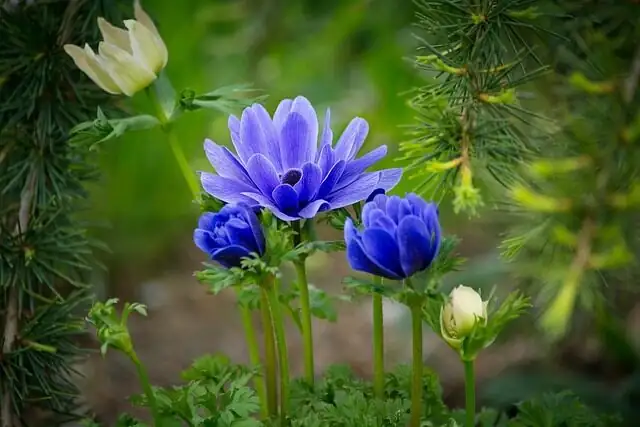
Spring belongs to the windflowers. When Anemone coronaria unfurls those papery, poppy-like blooms on wiry stems, a raised bed suddenly looks like it’s breathing—alive with color and light. The trick to a knock-out display? Build an airy, well-drained stage, pair your anemones with other cool-season stars that like the same conditions, and then harvest smartly (including one golden rule: don’t put anemones and daffodils in the same vase, tempting as it may be).
Here’s how to choreograph a flawless, long-running spring show.
Meet Anemone coronaria, the wind-tossed showstopper
- Origin: Mediterranean coastal regions—think cool, bright winters and sharp drainage.
- Habit: A tuberous perennial that grows in cool weather, then rests in summer heat (and can also pause in very cold winters).
- Look: Fresh, finely divided green foliage topped by vivid blooms in red, pink, purple, blue, or white.
- Size: Compact—often under 30 cm (12 in), perfect for the front of raised beds and containers.
- Cut-flower cred: Long-lasting if harvested just as petals lift from the center. Sensitive to ethylene, so keep cut stems and blooming plants away from ripening fruit.
Build the perfect raised, well-drained spring bed
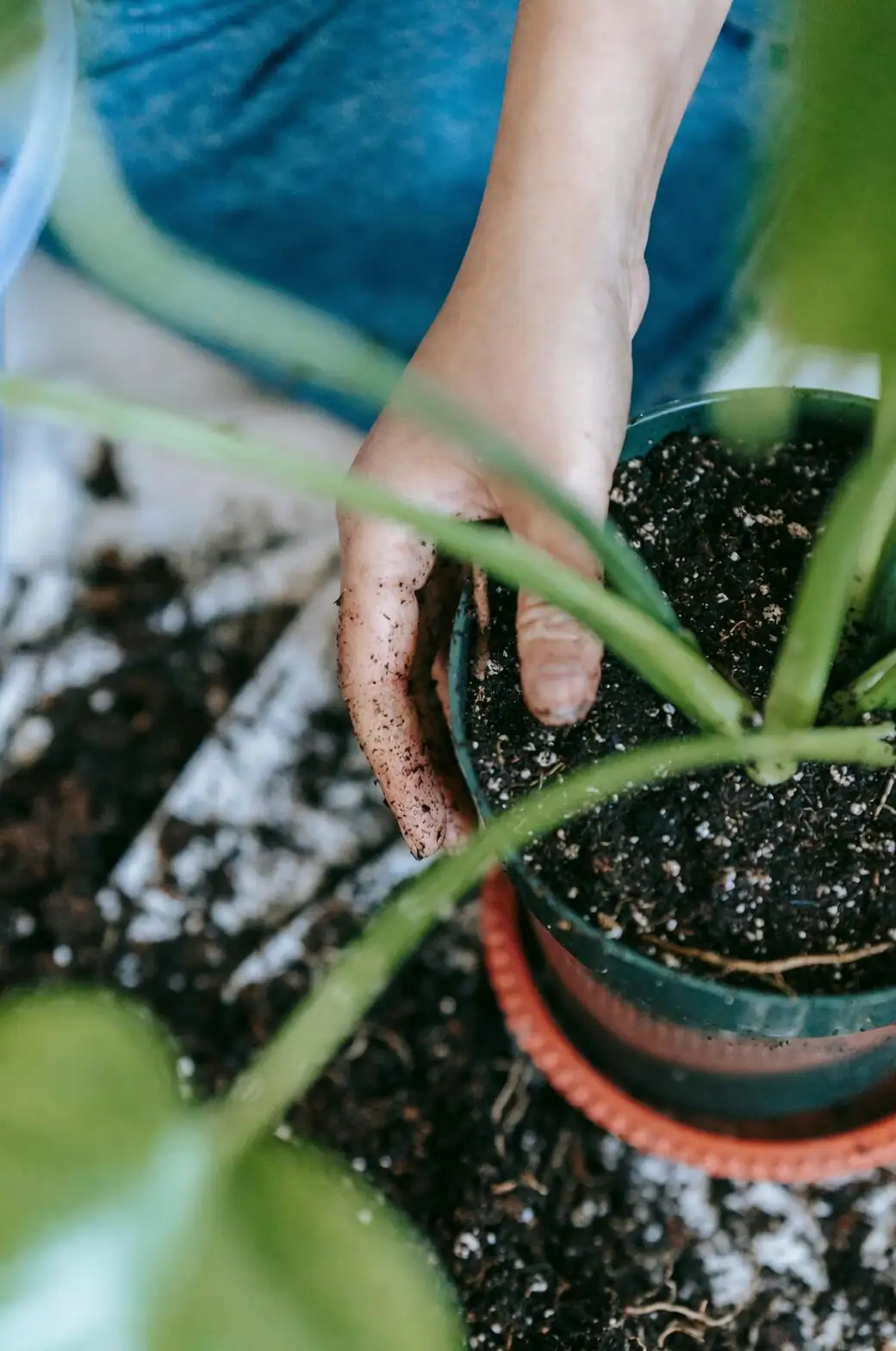
Think “Mediterranean pastry”: flaky layers, never soggy. Drainage is everything for tubers.
Site and soil
- Sunlight: Full sun to bright light; part shade tolerated. In sudden heat, provide 50–60% midday shade to prevent stress.
- Soil recipe: Rich yet free-draining.
- Start with fertile loam.
- Fold in compost or leaf mold for nutrition and structure.
- Add coarse sand or fine grit to keep water moving.
- Bed build: A raised bed 15–25 cm (6–10 in) high sheds water fast—essential insurance against rot.
Planting depth and spacing
- Pre-plant prep: Rehydrate tubers by soaking in water or damp sand before planting for even sprouting. Plant the pointed side down—don’t invert.
- In-ground depth: 5–7 cm (2–2.8 in).
- Spacing: 10–15 cm (4–6 in) apart in a grid so each plant gets light and airflow.
- Containers: A 12–15 cm (4.7–5.9 in) pot fits 3 tubers planted about 1.5 cm (0.6 in) deep.
Pro tip: After planting, water lightly to moisten—not drench. Ramp up watering only as growth begins.

Watering and feeding
- During active growth: Keep soil evenly moist, never waterlogged. Check drainage after heavy rain.
- Dormancy (summer heat or very cold winters): Keep much drier to protect tubers.
- Fertilizer: Feed about monthly in growth with a gentle, balanced liquid feed. When buds appear, give one bloom-boosting feed higher in P and K (around 15-15-30 works well).
Temperature and protection
- Sweet spot: 15–20°C (59–68°F) for best growth and flowering.
- Cold snaps: Not reliably frost-hardy in severe winters—use fleece/row cover on very cold nights.
- Heat spikes: Provide temporary shade; anemones naturally slip into dormancy as real heat arrives.
Timing and spacing with other cool-season stars
Anemones adore company—as long as it’s neat, cool, and breathable. Pair them with partners that thrive in the same crisp, bright conditions and free-draining soil.
When to plant
- Mild-winter climates: Plant tubers in October–November. Finish by late November for best spring bloom. Under good conditions, new leaves may show in ~20 days.
- Colder climates: Start in a protected cold frame or pots in late winter; plant out as the soil thaws and days sit mostly in the 10–20°C (50–68°F) range. Cover in hard freezes.
Partners that perform in raised, well-drained beds
- Bulbs and tubers:
- Ranunculus (same drainage needs; staggered bloom with anemones)
- Tulips (mid height; bold color blocks behind anemones)
- Muscari (grape hyacinths; early, low edging that weaves between anemones)
- Narcissus/daffodils (excellent garden companions—more on the vase rule later)
- Cool-season annuals:
- Violas and pansies (carpets of color and great edging)
- Stocks (Matthiola) and snapdragons (Antirrhinum) for fragrance and vertical rhythm
- Iceland poppies (Papaver nudicaule) for translucent petals and similar cool-season timing
- Perennials for part shade edges:
- Hellebores (evergreen structure, earlier bloom)
- Hardy primroses (Primula) to bridge early-to-mid spring
Spacing for harmony and airflow
- Anemone coronaria: 10–15 cm (4–6 in)
- Ranunculus: 15–20 cm (6–8 in)
- Tulips and daffodils: 10–15 cm (4–6 in)
- Violas/pansies: 15–20 cm (6–8 in) between clumps
- Stocks/snapdragons: 20–30 cm (8–12 in)
Aim for a layered look:
- Front: Muscari, violas/pansies, then anemones.
- Mid: Tulips and ranunculus.
- Back: Taller stocks/snapdragons or hellebores under dappled light.
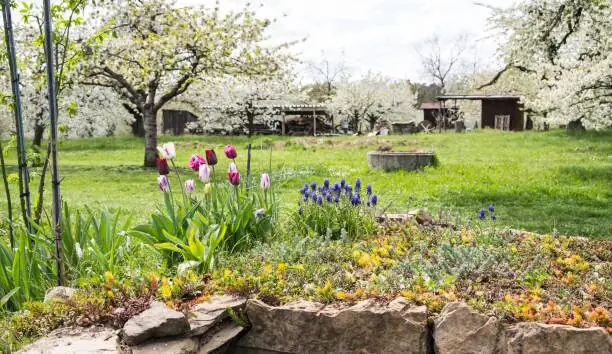
Keep everything breathable. Good airflow lowers the risk of gray mold (Botrytis) and rust.
Cut-flower know‑how (and the daffodil dilemma)
Anemones are stars on the stem—if you cut and condition them right.
Harvest and conditioning
- Stage: Cut when petals are just lifting from the center (the “first-open” sweet spot) for the longest vase life.
- Technique:
- Harvest in the cool of morning.
- Strip lower foliage, recut stems, and hydrate in deep, clean, cool water.
- Keep flowers and vases away from ripening fruit—ethylene gas shortens vase life.
Why anemones and daffodils shouldn’t share a vase
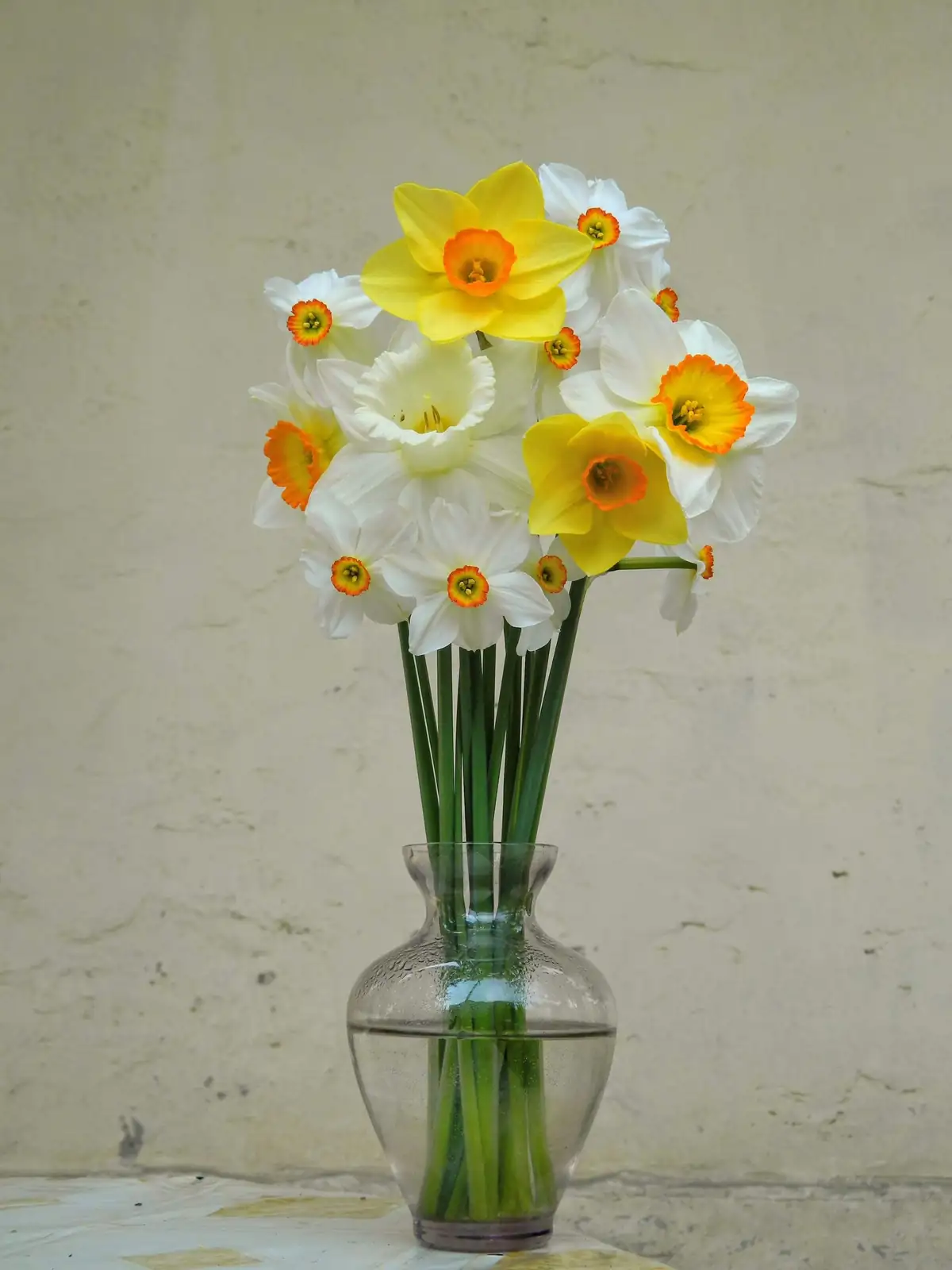
In the garden, they’re a dream duet. In the vase, not so much.
- Daffodils exude a mucilaginous sap containing compounds that can clog or irritate the stems of other flowers.
- Anemone stems are especially prone to softening when exposed to that sap.
- Florist rule: Keep them in separate vases. If you’ve heard of “conditioning daffodils separately first,” know that anemones are still at risk—separation remains the safest practice.
After the show: deadheading, dormancy, and storage
- Deadhead promptly if you’re not saving seed, so tubers funnel energy back into storage.
- Expect dormancy as heat settles in. When foliage yellows and withers (often around June), let the bed dry down.
- Lifting and storing:
- Gently lift tubers, store dry (for example, in dry sand) in a cool, shaded place.
- Replant in autumn (commonly October). Before planting, pre-soak to rehydrate, then set 5–7 cm deep in the garden (1.5 cm deep in small pots), pointed side down.
Pests, diseases, and safety
- Watch for: Rust, gray mold (Botrytis), and Sclerotinia in damp, stagnant conditions.
- Prevention: Sharp drainage, tidy spacing, and good airflow. Avoid waterlogged soil and overhead watering in cool, humid spells.
- Aphids: Check stems and buds; wash off gently or manage early with appropriate local controls.
- Safety: Like many buttercup relatives, anemones can irritate skin and are harmful if eaten. Keep away from children and pets; wear gloves if you have sensitive skin.
Quick companion-planting recipes for raised beds
The Color Chorus (full sun, classic spring brights)
- Front: A ribbon of muscari every 15 cm (6 in).
- Main grid: Anemones at 12–15 cm (5–6 in) spacing, mixed colors.
- Mid layer: Tulips at 12–15 cm (5–6 in), planted in drifts behind the anemones.
- Accent: Pockets of violas at 20 cm (8 in) to knit the palette together.
Satin and Silk (cut-flower focus, cool and airy)
- Anemones at 12–15 cm (5–6 in).
- Ranunculus behind at 15–20 cm (6–8 in).
- Stocks at the back at 25–30 cm (10–12 in) for fragrance and stems.
- Management: Net or corral taller stems lightly; feed monthly; pick often.
Dappled Edge (part shade, woodland vibe)
- Hellebores as anchors.
- Anemones in bright pockets at 12–15 cm (5–6 in).
- Primroses tucked between at 20 cm (8 in).
- Spring sheen: A fine grit mulch to keep crowns dry and slugs at bay.
Buying and planting pointers
- Choose compact plants under 30 cm (12 in) with crisp, deep-green foliage and intact buds—skip any with yellowing leaves.
- For cut stems at the market, pick those at first-open stage with petals just lifting for top vase life.
The windflower’s meaning
Across centuries, windflowers have been linked with anticipation and hopeful expectation—apt for a blossom that opens to the slightest light and breeze. In European lore, their airy petals seemed to unfurl at a whisper from the wind, which is how “windflower” stuck. Today, gardeners still read that same promise in each tight bud: a reminder that spring rewards patience.
—
With a raised bed that drains like a dream, thoughtful cool-season companions, and a few florist smarts, your Anemone coronaria will carry spring with effortless poise. Plant them close enough to read as a chorus, keep their feet dry yet evenly moist as they grow, and when it’s time to cut, give them their own vase. The result? A garden (and a house) that sings.