

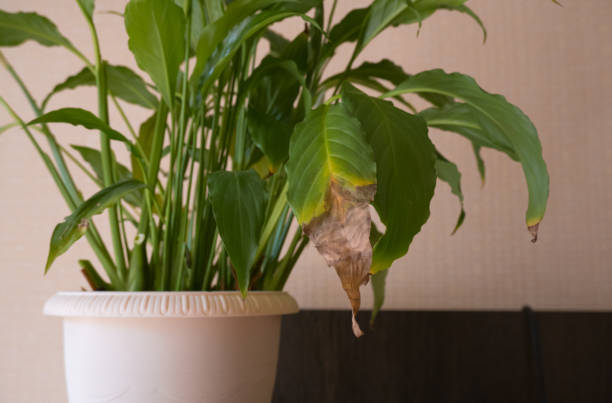
Are your plants looking a bit under the weather? Before you blame pests or diseases, consider this: they might be hungry! Nutrient deficiencies in plants can mimic many ailments, so it’s crucial to recognize and remedy them swiftly to keep your garden thriving.
Recognizing the Signs: What to Look Out For
Plants, much like us, need a balanced diet to flourish. When they don’t get the right nutrients, they show it—often through changes in their leaves and growth patterns. Here’s what you might observe:
- Yellowing Leaves: This is a classic sign, often due to a lack of nitrogen. Older leaves turn yellow first because nitrogen is mobile in plants and moves to newer growth.
- Stunted Growth: If your plants aren’t growing as they should, they could be missing out on potassium or phosphorus.
- Purplish Tints: A lack of phosphorus can cause this, especially in cooler weather when plants struggle to uptake this nutrient.
- Leaf Spots and Necrosis: Watch out for brown spots or dying leaf edges, which can indicate deficiencies in micronutrients like zinc or manganese.
Troubleshooting: Is It Really a Deficiency?
Before rushing to fertilize, consider other factors. Issues like drought, waterlogging, or poor light can mimic nutrient deficiencies. Ensure proper watering and light conditions first. If symptoms persist despite ideal growing conditions, nutrient deficiency is more likely.

Feeding Your Plants: How to Fix the Problem
Once you’ve identified a deficiency, it’s time to act. Here’s how to give your plants the nutrients they crave:
- Nitrogen Deficiency: Use a nitrogen-rich fertilizer. For a quick fix, try a liquid feed that plants can absorb swiftly.
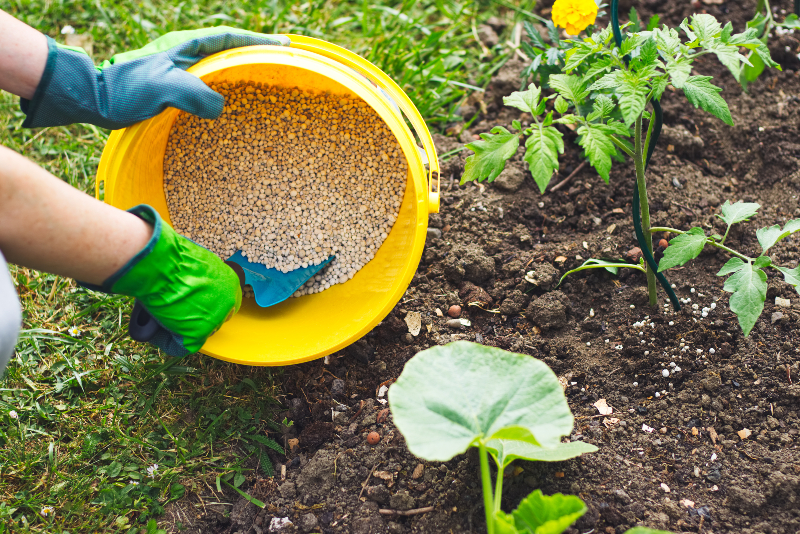
- Phosphorus Deficiency: Bone meal or rock phosphate can help. Apply these to the soil to gradually improve phosphorus levels.
- Potassium Deficiency: Potash or a balanced N-P-K (nitrogen-phosphorus-potassium) fertilizer can remedy this.
- Micronutrient Deficiencies: These require specific treatments, like chelated iron for iron deficiency or zinc sulfate for zinc deficiency.
Handy Tips for Preventive Care
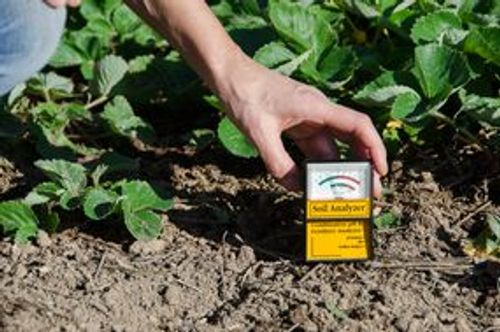
- Soil Testing: Regularly test your soil to understand its nutrient profile. This helps you apply the right fertilizers in the correct amounts.
- Balanced Fertilizers: Use a well-balanced fertilizer to prevent deficiencies from developing in the first place.
- Proper Watering: Ensure consistent moisture without overwatering, as dry or waterlogged conditions can prevent nutrient uptake.
Common Mistakes to Avoid
- Over-Fertilizing: Too much of a good thing can be harmful. Excessive nutrients can lead to toxicity and harm plant growth.
- Ignoring Soil pH: Nutrient availability is highly dependent on soil pH. Most plants prefer a slightly acidic to neutral pH. If your soil is too acidic or alkaline, nutrients may be locked up and unavailable to plants.
By keeping an eye on your plants and tweaking their care as needed, you can ensure they stay healthy and vibrant. Remember, a little attention goes a long way in solving nutrient puzzles and keeping your garden blooming beautifully!