

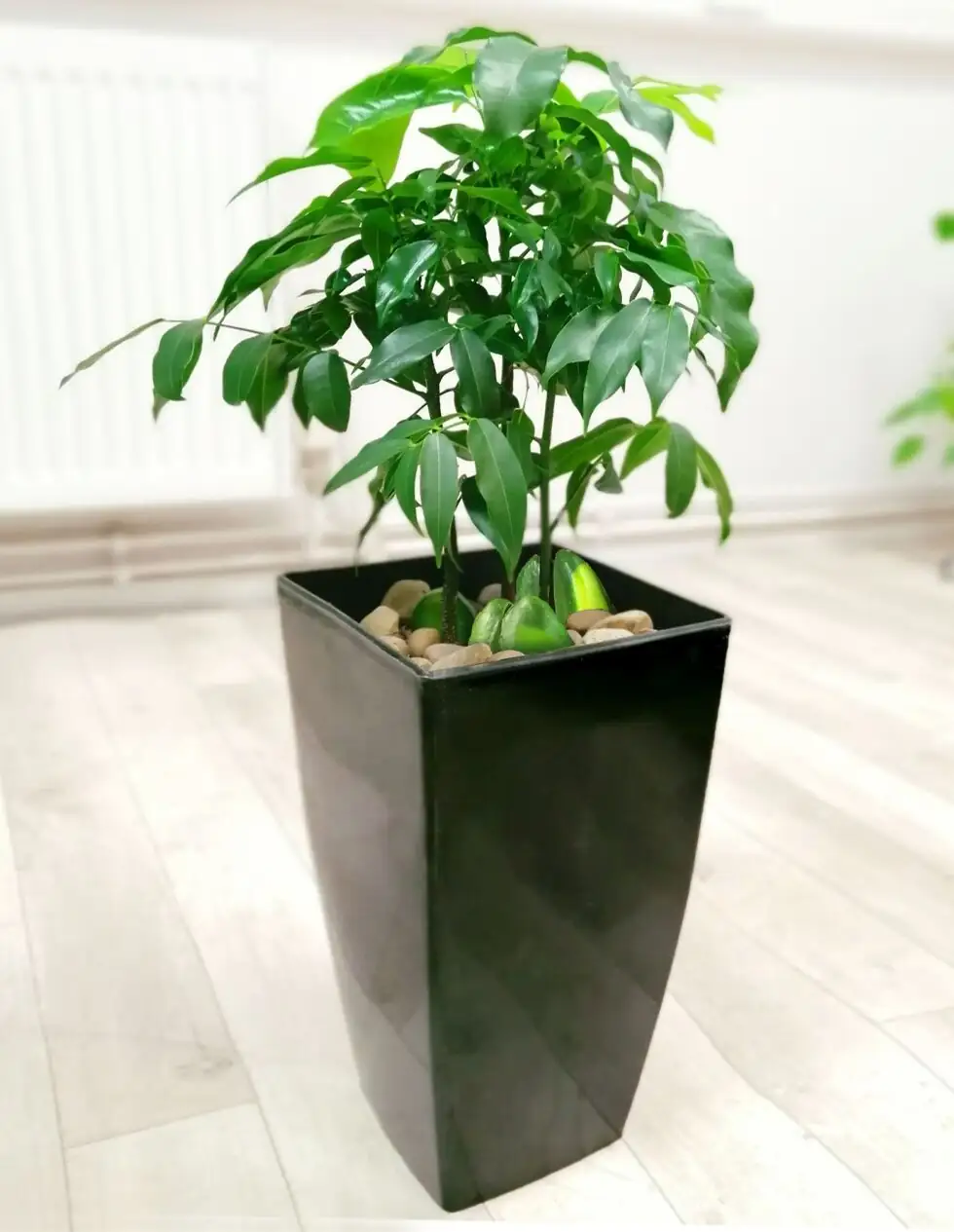
If your Castanospermum australe has started whispering SOS with rusty freckles, silvery webs, sticky bumps, or a sudden leaf dump, don’t panic. This Australian evergreen—often sold as a “money tree” because its thick green seed leaves open like little ingots—bounces back fast when you act quickly and precisely. Consider this your rapid-response playbook: what the symptom means, what to do now, how to prevent a relapse, and when to level up to treatments.
Note: You’ll also see this plant called Black Bean Tree or Moreton Bay Chestnut. It thrives in bright, filtered light, steady warmth, and generous humidity—conditions you can create in any home.
Fast triage: match the symptom, fix the cause
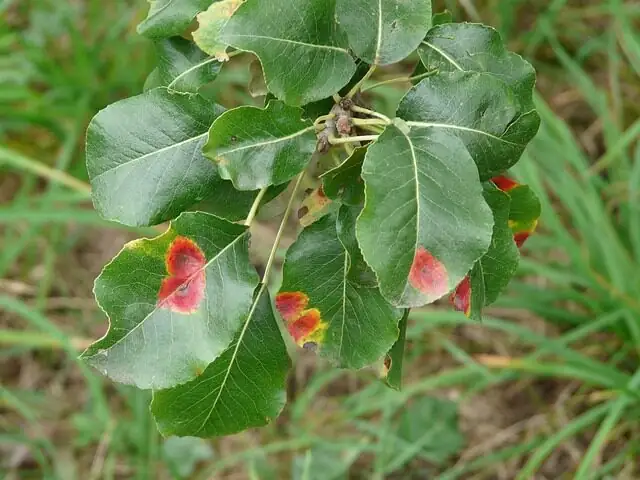
- Rusty speckles or orange-brown dust on leaves
- Likely rust (fungal). Spots may start as tiny orange or brown pustules, often on leaf undersides, with yellow halos.
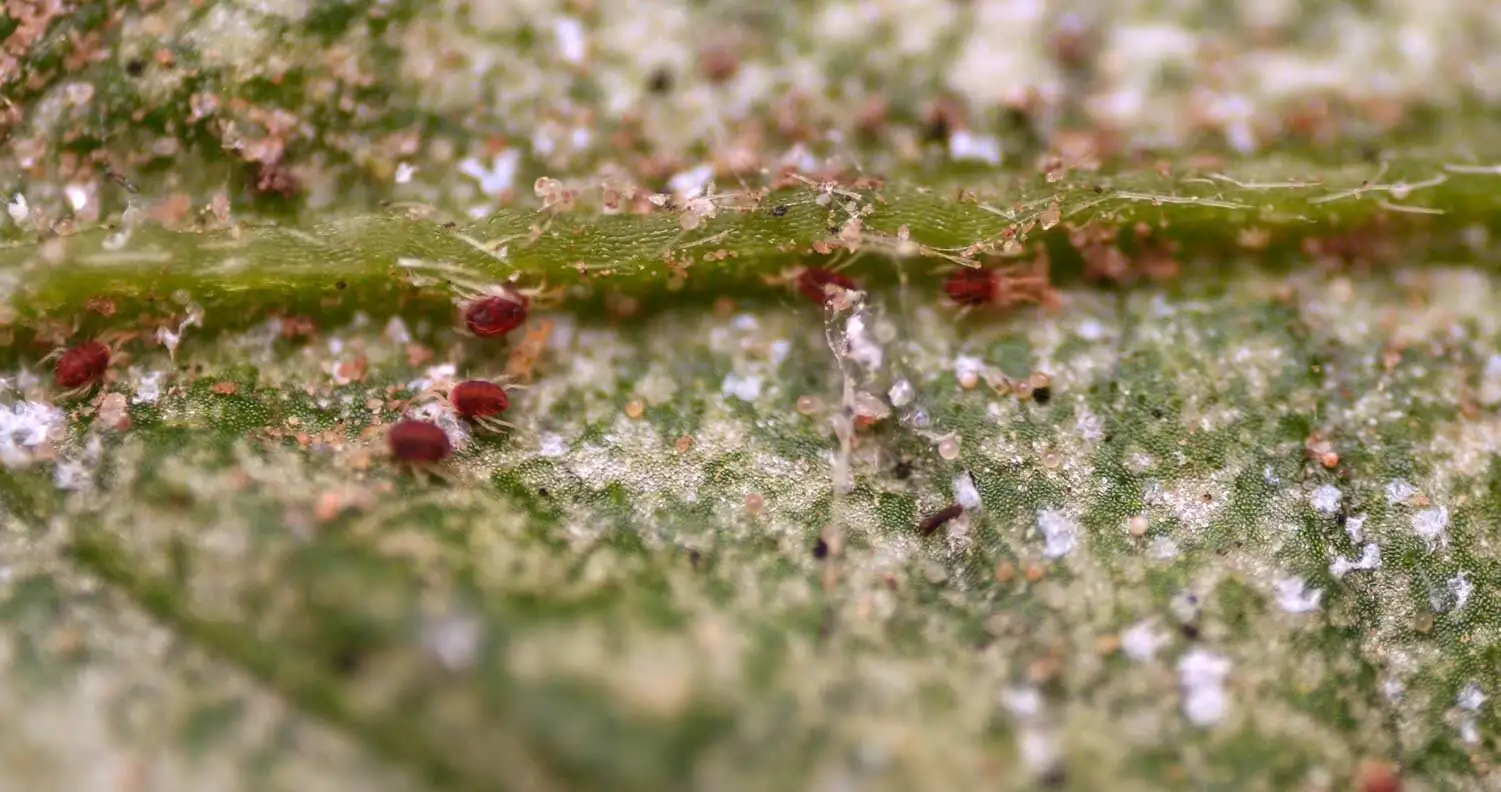
- Fine webs and sand-grain speckling on foliage
- Spider mites. Webs show up in leaf axils and under leaves; foliage looks stippled and dull, especially in dry air.
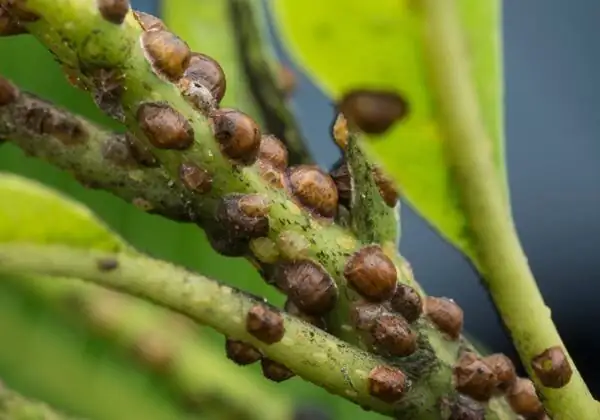
- Hard brown bumps along stems or midribs; sticky leaves
- Scale insects. The “bumps” don’t rub off like dirt; honeydew may invite sooty mold.
- Sudden leaf drop or scorched patches
- Temperature or light shock. Below ~7°C (45°F) or harsh midday sun can trigger drop/scorch; below ~5°C (41°F) leaf drop is likely.
—
Rust speckles decoded
Why it happens
- Stagnant, humid air plus repeatedly wet foliage
- Overcrowded canopy or plants pressed against a cold window
Quick interventions (today)
- Isolate the plant.
- Prune off the worst-affected leaves; clean shears between cuts.
- Improve airflow around the canopy (small fan on low, not directly blasting).
- Water the soil, not the leaves; aim morning light through a sheer curtain.
- Raise ambient humidity without soaking leaves:
- Use a room humidifier or a pebble tray; if misting in very dry air, do it lightly and early so leaves dry quickly.
Prevention (this month)
- Space plants so leaves don’t touch.
- Stick to evenly moist, never-soggy soil; avoid overhead watering.
- Wipe leaves every week to remove spores and dust.
Escalate to treatment
- If new spots appear after 7–10 days of hygiene/airflow fixes:
- Treat early with an appropriate fungicide where permitted, following the label exactly. Reapply as directed and continue good airflow and dry-leaf habits.
—
Spider mites and their gossamer webs
Why it happens
- Warm, dry rooms and dusty foliage are prime mite territory.
Quick interventions (today)
- Shower the plant thoroughly: lukewarm spray above and below leaves to knock mites and webs loose.
- Wipe each leaflet with a damp cloth. Pay extra attention to undersides and leaf axils.
- Treat with horticultural oil or insecticidal soap, coating leaf undersides and stems.
- Isolate the plant and boost ambient humidity (humidifier or pebble tray). Keep light bright but filtered.
Prevention (this month)
- In dry summer/autumn air, lightly mist about twice weekly or, better, use a humidifier so foliage doesn’t stay wet.
- Keep growth steady: evenly moist soil, bright light, and light feeding prevent stressed, mite-magnet plants.
- Dust leaves weekly; inspect undersides with a magnifier.
Escalate to treatment
- If you still see fresh webbing after 2–3 weekly oil/soap cycles:
- Use a suitable miticide labeled for spider mites and rotate products as directed. Continue isolation and humidity support.
—
Scale insects: the “brown beads” on stems
Why it happens
- Scale targets slow or shaded tissue—often the midribs and stems—especially on plants with dusty leaves or inconsistent care.
Quick interventions (today)
- Dab each scale with a cotton swab dipped in isopropyl alcohol; gently lift them away.
- Prune heavily infested twigs.
- Follow with a thorough spray of horticultural oil, reaching leaf undersides and stems. Keep plant out of direct sun while oil dries.
Prevention (this month)
- Wipe leaves routinely so you spot new crawlers early.
- Avoid overfertilizing; lush, soft growth invites pests.
- Quarantine any new houseplants for 2–3 weeks.
Escalate to treatment
- If new bumps reappear after 2–3 oil treatments spaced 10–14 days apart:
- Apply a suitable insecticide per label directions. Consider professional help for large indoor specimens.
—
Temperature shocks, sun scorch, and leaf drop
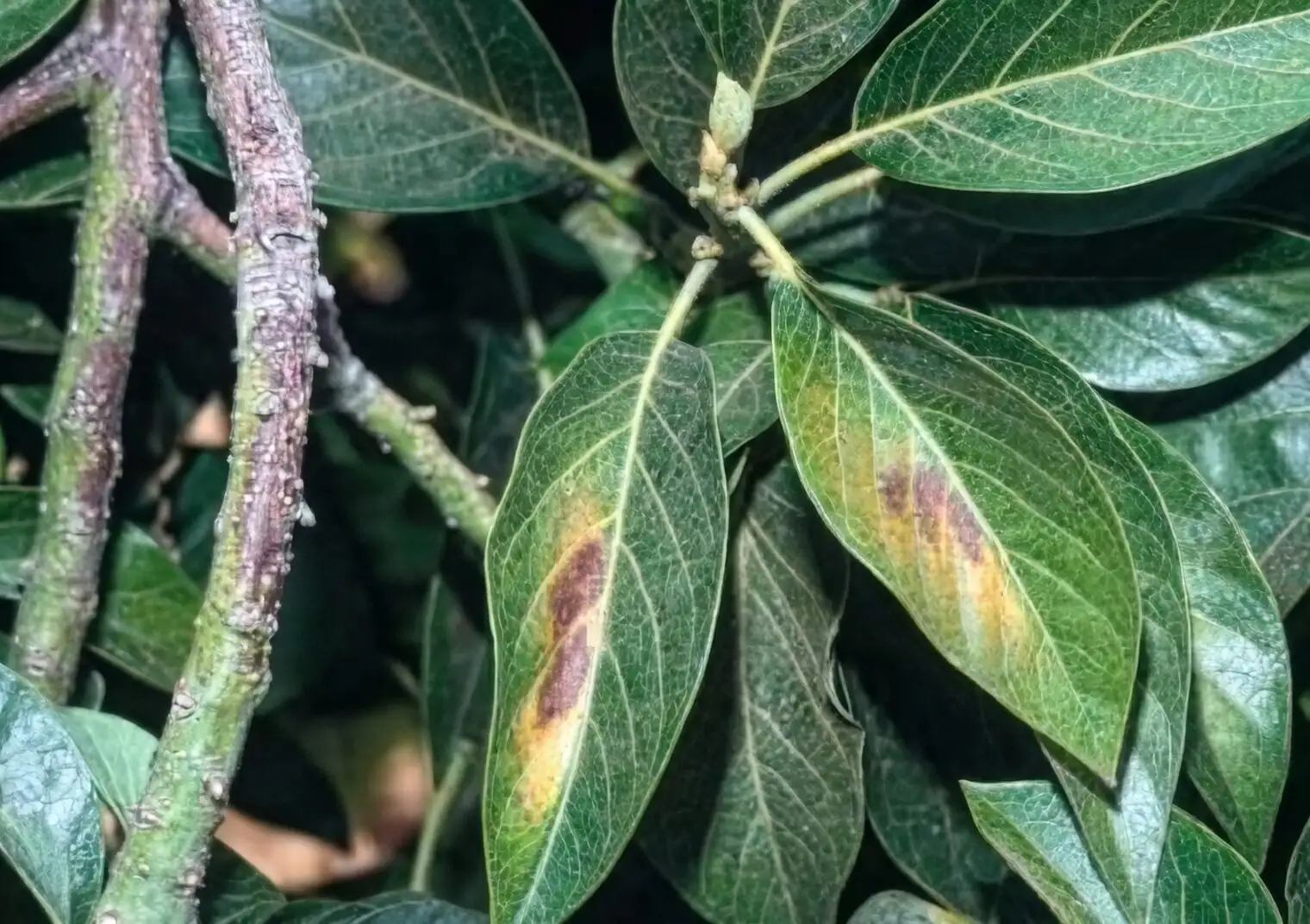
Why it happens
- Cold drafts, winter window chill, or sudden light changes. Harsh midday sun can also burn tender foliage.
Quick interventions (today)
- Move to steady warmth: best growth is 20–28°C (68–82°F). Protect from temperatures below 7°C (45°F).
- Give bright, indirect light—east or south exposure filtered by sheer curtains is ideal. Avoid harsh midday beams.
- Water check: keep the potting mix evenly moist but never soggy; reduce watering in winter.
- Trim only fully crispy or blackened tissue; pause fertilizer until new growth resumes.
Prevention (this month)
- Use a small thermometer near the plant; avoid spots that dip below ~7°C (45°F). Expect leaf drop if it slips toward 5°C (41°F).
- Keep away from heater/AC blasts and wintery window glass.
- Rotate the pot weekly for even light.
Escalate to treatment
- If stems blacken or the plant continues to decline:
- Unpot and inspect roots. Trim rotten roots, repot into a rich, well-drained mix (fertile loam or quality peat-based medium plus sand and a pinch of well-rotted organic matter). Keep in partial shade while it re-establishes and resume gentle care.
—
Don’t let care create problems: the Castanospermum comfort zone
- Light
- Bright, indirect light to partial shade for young plants; larger plants tolerate brighter light if filtered. Avoid harsh summer midday sun.
- Water and humidity
- During active growth, keep evenly moist—not soggy. In dry seasons, raise humidity with a humidifier or light misting about twice per week; water less in winter.
- Feeding
- Feed once every 2–3 months in spring–summer with a balanced fertilizer (e.g., 20-20-20) or a diluted organic feed. Don’t overdo it—leggy growth follows excess.
- Potting and repotting
- Typically grown in 5–15 cm (2–6 in) pots; repot every ~2 years. Trim old or rotten roots and refresh the mix; keep in partial shade afterward.
- Pruning
- If it shoots up, pinch or cut back tips in autumn to winter to encourage branching.
—
A preventive maintenance checklist
- Weekly
- Wipe leaves; inspect undersides for speckles, bumps, or mites.
- Check moisture with your finger; empty saucers.
- Rotate the plant a quarter turn for even light.
- Monthly
- Lightly flush the pot to reduce fertilizer salts.
- Review placement: more light in winter, more filtering in summer.
- With every new plant
- Quarantine for 2–3 weeks and inspect before introducing.
- Air and spacing
- Keep foliage from pressing against cold glass or other plants; encourage gentle airflow.
—
Flowering, growth, and the “money” mystique
- Mature plants can produce flowers from late spring through late summer, though indoor flowering is uncommon.
- The seed leaves (cotyledons) open like a pair of smooth green ingots—a big reason it’s marketed as a “money tree” and gifted as a good-luck plant.
- Healthy plants show firm green cotyledons and fresh, glossy pinnate leaves; over time, older cotyledons naturally age and detach.
—
Quick setup for success
- Place near a bright east or filtered south window.
- Keep temperatures 20–28°C (68–82°F); protect from <7°C (45°F).
- Use a rich, well-drained potting mix; keep evenly moist in growth, drier in winter.
- Support humidity, but avoid prolonged wet foliage.
- Clean leaves and inspect regularly to catch issues at “whisper” level.
—
Safety note
Household toxicity is not reliably established in this source. As a precaution, keep seeds and plant parts away from pets and children and avoid ingestion.
—
When to escalate or get help
- Rust: spreading after a week of airflow and sanitation → start an appropriate fungicide.
- Spider mites: webbing persists after 2–3 weekly oil/soap cycles → use a suitable miticide.
- Scale: fresh bumps after 2–3 oil treatments → use a suitable insecticide or consult a pro.
- Cold/light shock with ongoing decline → unpot to check roots, refresh the mix, and stabilize conditions; seek expert advice if dieback continues.
With this playbook at hand, your Castanospermum australe can keep those glossy, pinnate leaves shining—and those “lucky” seed-leaf ingots on full display—without pests or stress stealing the show.