

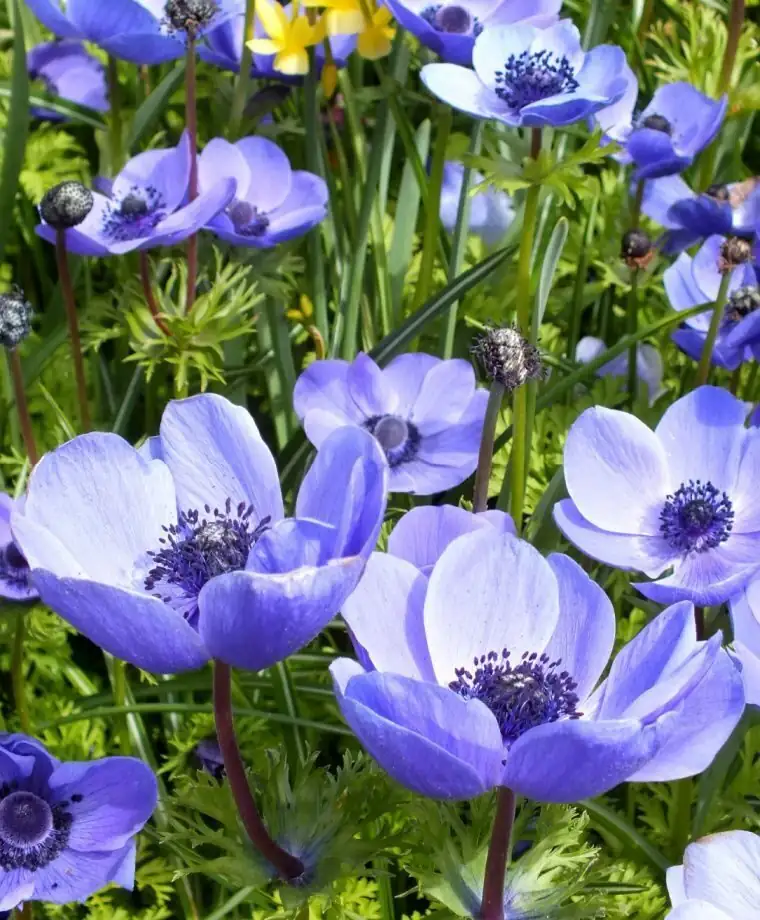
If your poppy anemones (Anemone coronaria) have gone from joyful spring sparkles to “what on earth is that on the leaves?”—you’re not alone. This Mediterranean windflower thrives in cool, bright weather and falters in muggy, stagnant, or waterlogged conditions. The good news: most issues are fast to ID and fix. Here’s your simple, hands-on guide to spotting rust, gray mold (Botrytis), Sclerotinia, aphids, and tuber rot—plus the easy prevention habits that keep blooms coming.
First, set them up for success (the best “medicine” is prevention)
Think: bright, breezy, and well-drained.
- Light: Full sun for sturdy stems and flowers; part shade is fine. In hot summer, give 50–60% shade.
- Temperature: Best at 15–20°C (59–68°F). Hot, humid weather triggers stress or dormancy; very cold, soggy soil invites rot.
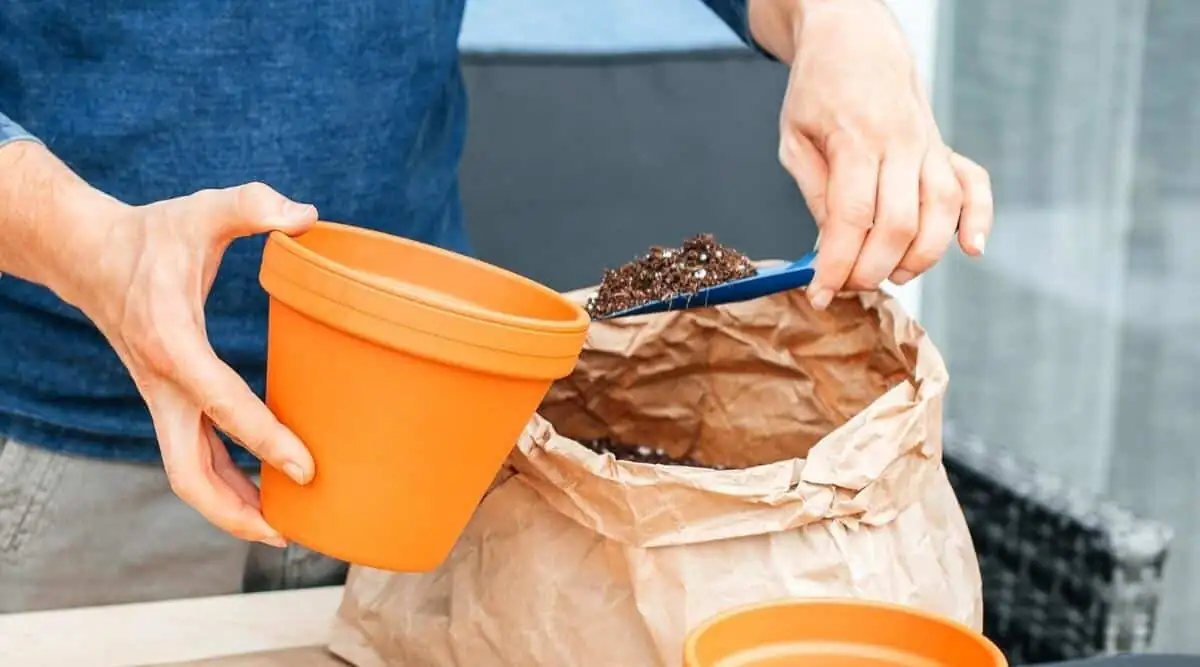
- Soil and drainage: Use a fertile, free-draining mix such as leaf mold/compost + rich loam + coarse sand.
- Watering rhythm:
- After potting dry tubers: water lightly at first. Early overwatering is the number one sprout-killer.
- In growth/flower: keep evenly moist, never soggy. In winter or cold spells, err slightly dry.
- Avoid wetting open flowers.
- Airflow: Space plants so leaves dry quickly; avoid cramped corners and stale rooms.
- Container basics: 12–15 cm (4.7–5.9 in) pots, 3 tubers per pot; plant 1.5 cm (0.6 in) deep in pots, 5–7 cm (2.0–2.8 in) in the ground.
Tip for vigor: During active growth, feed monthly with a dilute, well-rotted organic liquid fertilizer; give one extra phosphorus-and-potassium boost when buds appear (for example, a bloom formula like 15-15-30).
Quick IDs and fast fixes: the top 5 problems
Rust
- Quick ID
- Small powdery pustules (orange to brown) on leaf undersides.
- Yellow spots on upper leaf surfaces, leaves may distort or drop.
- Do this now
- Snip off badly affected leaves and dispose in the trash.
- Improve airflow: thin crowded growth, rotate pots to brighter, breezier spots.
- Treat with a labeled broad-spectrum fungicide; follow the label.
- Prevent it
- Water the soil, not the foliage; keep humidity from lingering.
- Avoid overcrowding; keep leaves dry in the evening.
Gray mold (Botrytis)
- Quick ID
- Fuzzy gray mold on petals, buds, or leaves; buds turn brown and fail to open.
- Worst in cool, damp, still air—especially if flowers get splashed.
- Do this now
- Remove and discard infected petals/buds/stems immediately.
- Increase ventilation and sun exposure; stop overhead watering.
- Treat with a suitable, labeled fungicide if needed.
- Prevent it
- Keep the canopy airy; avoid wetting open flowers.
- Water in the morning at soil level so surfaces dry by evening.
White mold (Sclerotinia)
- Quick ID
- Water-soaked patches at the base or on stems that turn soft, then a cottony white growth.
- Stems collapse; you may find hard black sclerotia inside decayed tissue or in soil.
- Do this now
- Remove the entire infected plant with surrounding soil; bag and trash it.
- Improve drainage and airflow; reduce watering until surfaces dry fast.
- Treat adjacent plants with a labeled fungicide as directed.
- Prevent it
- Never allow standing water; elevate pots, amend beds for better drainage.
- Sanitize tools and containers between uses.
- Keep aphids down—studies suggest sap-feeders can physically carry Sclerotinia spores on their bodies, aiding spread.
Aphids
- Quick ID
- Clusters of tiny, pear-shaped insects on buds and tender stems; sticky honeydew; curling or yellowing leaves.
- Do this now (start gentle, escalate if needed)
- Rinse colonies off with a firm spray of water, aiming undersides of leaves; avoid soaking open blooms.
- Pinch off heavily infested tips. Encourage beneficials (lady beetles, lacewings).
- If pressure persists, use a labeled insecticide; imidacloprid is one option where appropriate—always follow the label.
- Prevent it
- Keep plants vigorous with bright light and even moisture (stressed plants attract aphids).
- Check often during bud formation—catching aphids early prevents outbreaks.
Tuber rot
- Quick ID
- Tubers feel soft, mushy, or foul-smelling; shoots fail to emerge.
- Often follows cold + wet conditions or heavy watering right after planting.
- Do this now
- Unpot and inspect. Discard any rotting tubers to protect the rest.
- If a tuber is mostly firm with a small soft spot, trim back to clean tissue and dip in a labeled fungicide solution; allow to dry before replanting in fresh, free-draining mix.
- Prevent it
- Plant in a well-drained medium, at the correct depth.
- After potting dry tubers, water lightly until you see growth, then increase gradually.
- Keep cool, not cold-and-soggy; ensure excellent airflow.
Safe disinfecting soaks and clean culture
Before planting: rehydrate for even sprouting
- Rehydrate tubers in clean water or moist sand before planting to wake them gently and promote uniform sprouting.
Optional disease-preventive dip
- Many growers disinfect tubers before planting in a labeled fungicide solution.
- Mix only as labeled (often around 1:1000 when specified).
- Wear gloves; don’t guess concentrations.
- Soak for the label-stated time, then let tubers surface-dry in shade before planting.
Keep your gear clean
- Wash pots and trays with soap and water, then sanitize:
- 10% household bleach solution or 70% alcohol for tools and containers; rinse and dry before use.
- Don’t reuse old, infected soil. Start fresh each round.
If your tubers won’t sprout: a simple checklist
- Moisture check: Was the mix kept barely moist, not wet, after planting? If you overdid the first two waterings, unpot and inspect for rot.
- Temperature: Aim for 15–20°C (59–68°F). Too cold slows sprouting; too hot can push tubers into a rest.
- Depth and density: In pots, plant about 1.5 cm (0.6 in) deep; in ground, 5–7 cm (2.0–2.8 in). Don’t pack them into heavy, soggy media.
- Light and air: Give bright light and good ventilation; stale air prolongs sulkiness.
- Time and tuber health: If there’s no sign of growth after several weeks, gently unpot:
- Firm and healthy? Replant in fresh, well-drained mix and resume light watering.
- Soft or smelly? Discard. Start again with firm, plump tubers (circumference at least 6 cm / 2.4 in).
Air, light, and rhythm: how this plant likes to live
- Cool-season engine: Poppy anemone grows and flowers in cool, bright conditions. Heat can send tubers into summer dormancy; deep cold can also trigger a pause.
- Indoors: East- or south-facing windowsills or balconies work well; keep air moving.
- Outdoors: Sunny, well-drained beds or containers. In rainy spells, prioritize drainage so water never lingers.
Cut-flower and grooming tips
- Deadhead spent blooms to encourage more flowers and stronger tubers.
- When watering or misting foliage, avoid wetting open flowers to keep petals flawless.
Safety note
- Like many Ranunculaceae, sap can irritate skin and the plant may be toxic if ingested. Keep away from children and pets; wear gloves if you’re sensitive.
Windflower whispers: a quick look at its “language”
The windflower’s nickname suits its spring timing—blooms seem to arrive with the season’s shifting breezes. That ephemeral arrival helped seed its symbolism of anticipation. In folklore, the flower also took on a protective aura, perhaps because it appears just as winter loosens its grip, promising safer days ahead. Take it as a gentle reminder: set the stage well, and your anemones will meet the moment.
—
Bottom line: Bright light, cool air, quick drainage, and light early watering prevent most headaches. Pair those habits with periodic inspections and prompt cleanup, and Anemone coronaria will reward you with poppy-bright blooms—and far fewer plant doctor visits.