
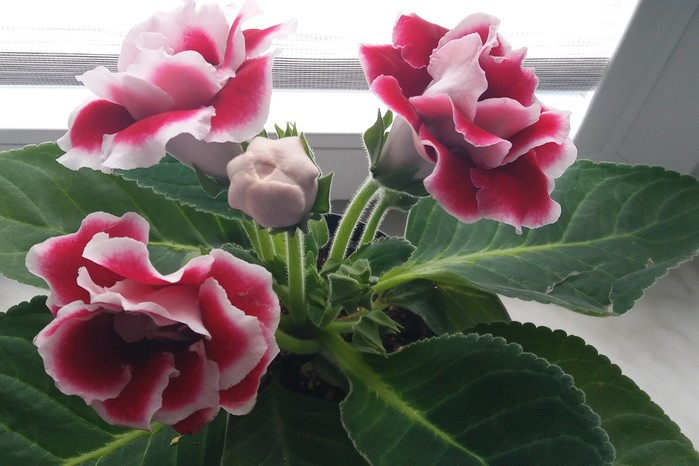
If your florist’s gloxinia (Sinningia speciosa) looks like a velvet bouquet one week and a drama queen the next, you’re not alone. This Brazilian beauty is a tuber-forming showstopper with plush leaves and bell-shaped blooms—but its velour finish and love of even moisture make it a magnet for a few very specific pests and diseases. Welcome to the rapid-response clinic: fast ID, immediate fixes, and prevention that actually works for this plant’s temperament—think bright filtered light, airflow, soil-level/bottom-watering, and a strict “no ethylene” policy near fruit bowls.
Before you dive in, a note on those velvety leaves
- Keep foliage dry. Wet fuzz spots and rots easily.
- Favor soil-level treatments, careful swabbing, and targeted sprays. If you must spray, test one leaf first, apply early in the day, and use gentle airflow to dry quickly. Never leave the plant dripping.
First, stabilize the patient (triage in 2 minutes)
- Isolate the plant from your collection.
- Move to bright, indirect light with gentle airflow (no cold drafts).
- Deadhead spent blooms and remove mushy tissue immediately.
- Water only at the soil line or by bottom-watering—never overhead. Let excess drain; don’t let the pot sit in water.
- Keep away from ripening fruit and decaying produce—ethylene gas causes bud drop and speeds flower decline.
- Check the potting mix: it should be rich, loose, and well-drained (African violet–style mix works well). Plant the tuber at or slightly above the surface.
The big eight: symptoms, fast fixes, and prevention
Mealybugs (including root mealybugs)

- Spot it
- White, cottony clumps in leaf axils, under leaves, and along stems; sticky honeydew; distorted new growth.
- Root mealybugs: stunting, poor flowering, white fluff on roots when unpotted.
- Act now
- Dab visible insects with 70% isopropyl alcohol on cotton swabs.
- For aboveground infestations, use a houseplant-safe insecticidal soap or lightweight horticultural oil. Test a single leaf; apply lightly; improve airflow so leaves dry fast.
- For root mealybugs: unpot, wash roots and tuber gently, discard infested soil, and repot into fresh sterile mix and a clean pot.
- Severe or persistent cases: use a systemic houseplant insecticide labeled for mealybugs.
- Prevent the comeback
- Quarantine new plants; sanitize pots and tools.
- Keep foliage dry, deadhead promptly, and avoid cramped, stagnant corners.
Spider mites
- Spot it
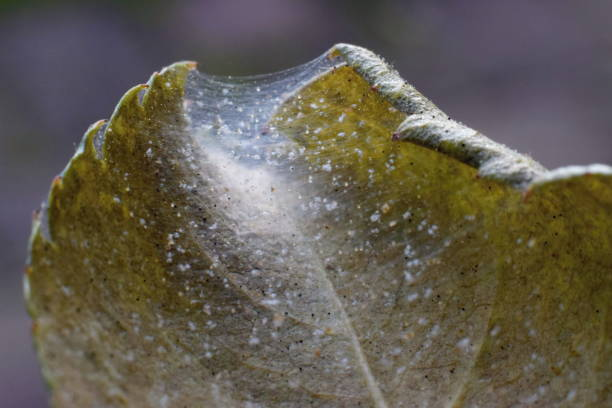
- Fine stippling/silvering on leaves, bronzing, and delicate webbing—often under warm, dry, still air.
- Act now
- Isolate and increase ambient humidity via a pebble tray or humidifier (do not mist foliage).
- Gently remove webs with a soft brush. Use a labeled miticide or insecticidal soap; test one leaf first and ensure quick drying with airflow.
- Repeat applications per label—mites hatch in waves.
- Prevent the comeback
- Maintain 50–70% humidity with airflow.
- Avoid heat stress; these plants prefer 16–24°C (61–75°F) in active growth.
Aphids
- Spot it
- Clusters on buds and soft shoots, curling leaves, sticky honeydew, and sooty mold.
- Act now
- Pinch off heavily infested buds (your plant will quickly replace them).
- Spot-treat with insecticidal soap, or dab with a mild soap solution on a microfiber cloth to avoid wetting the whole plant.
- Use yellow sticky cards nearby to catch winged migrants.
- Prevent the comeback
- Keep the plant in bright, filtered light and maintain airflow.
- Avoid nitrogen-heavy feeding that pushes soft, aphid-magnet growth; switch to a bloom-leaning feed when in bud.
Fungus gnats
- Spot it
- Tiny black flies hovering near soil; larvae feed in overly wet media and stress roots.
- Act now
- Let the top 1–2 cm (½–¾ in) of mix dry between waterings during growth (without letting the root zone go bone-dry).
- Bottom-water and pour off excess—never leave the pot in a saucer of water.
- Add yellow sticky cards; treat the soil with a Bacillus thuringiensis israelensis (BTI) product as labeled.
- Repot into a fresh, airy mix if the medium stays wet for days.
- Prevent the comeback
- Use a well-drained African violet–style mix and pots with ample drainage.
- Water on a schedule that matches light, temperature, and airflow—not the calendar.
Foliar nematodes (Aphelenchoides spp.)
- Spot it
- Water-soaked, angular leaf lesions limited by veins that expand into necrotic patches; spread is strongly tied to splashing water.
- Act now
- Isolate immediately. Remove and discard affected leaves in a sealed bag.
- Do not overhead-water. Improve airflow and keep foliage dry.
- Heavily infected plants are best discarded; disinfect pots, benches, and tools.
- Prevent the comeback
- Quarantine all new plants.
- Practice strict soil-level or bottom-watering; sanitize tools and trays.
Botrytis (gray mold)
- Spot it
- Gray, fuzzy mold on flowers, spent stalks, or wounded tissue; sudden collapse of wet petals; thrives in cool, stagnant, humid air.
- Act now
- Deadhead and remove any decaying tissue immediately.
- Increase airflow; space the plant so leaves don’t touch neighbors.
- Use a houseplant-safe fungicide labeled for Botrytis (biofungicides like Bacillus-based products are gentle options). Test-spray one leaf first.
- Prevent the comeback
- Never let water sit on petals or leaves. Bottom-water only.
- Keep the display away from damp, cold windowsills in winter.
Powdery mildew
- Spot it
- White, dusty coating on leaves or buds; leaves may yellow or distort.
- Act now
- Remove the worst leaves to reduce inoculum.
- Improve light and airflow; avoid crowding.
- Treat with a labeled powdery mildew product (such as potassium bicarbonate or a lightweight oil). Test first and dry quickly.
- Prevent the comeback
- Keep humidity moderate with air movement; avoid big temperature swings.
- Sanitize shears; don’t reuse infected leaf debris.
Root rot (often overwatering; can include Phytophthora crown/root rot)
- Spot it
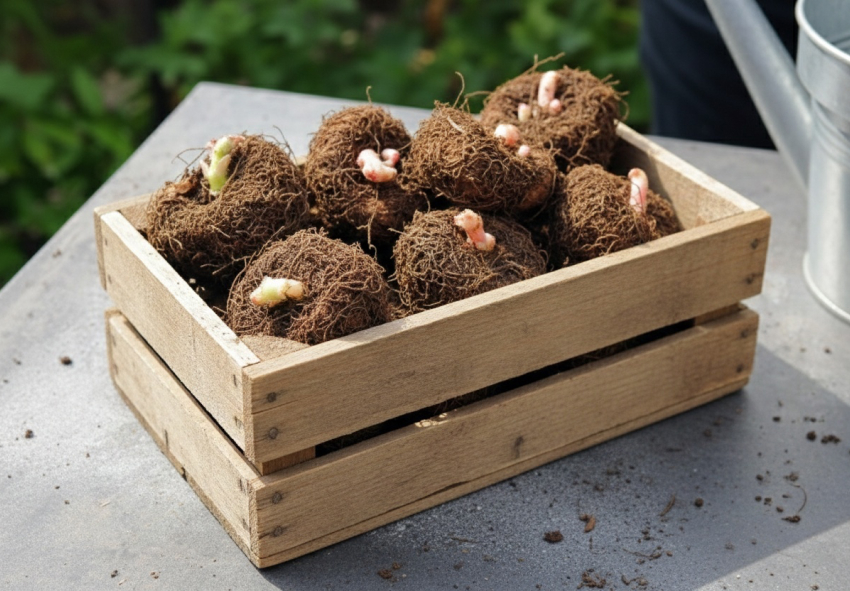
- Plant wilts despite wet soil; sour smell; black, mushy roots; crown or tuber browning. Phytophthora can cause a brown, water-soaked center and sudden collapse.
- Act now
- Unpot and inspect. Trim all brown/black tissue to firm, healthy material.
- Let the tuber dry briefly, then repot into fresh, sterile, free-draining mix. Keep the tuber at or just above the surface.
- Water sparingly at first, then resume even moisture once recovery begins.
- If crown rot is advanced and spreading, discard the plant and disinfect.
- Prevent the comeback
- Use snug but not oversized pots with good drainage.
- Water when the surface just begins to dry; never allow the mix to stay soggy.
- Maintain bright, filtered light so the plant actually uses water.
Prevention playbook for Sinningia speciosa
- Light and placement: Bright, indirect/filtered light (east window ideal; south with a sheer). Don’t park it deep in a room. Keep away from heat vents and cold drafts.
- Temperature and humidity: 16–24°C (61–75°F) in active growth; moderate to high humidity (about 50–70%) with airflow. In hot midsummer it may slow or go semi-dormant—reduce water/feeding. Provide a cooler, much drier rest in winter if possible.
- Watering technique: Bottom-water or water at the pot’s edge; never soak the leaves or flowers. Let excess drain freely; don’t let the pot sit in water.
- Potting mix: African violet–style, peat/coco with perlite; airy, fertile, and fast-draining.
- Grooming: Deadhead promptly; remove yellowing/damaged leaves to reduce disease pressure.
- Clean culture: Quarantine new plants; sterilize tools, trays, and reused pots—especially if nematodes or damping-off have appeared before.
- Feeding: Light, regular feeding in growth; switch to a bloom-leaning formula when buds form. Keep fertilizer off foliage.
- Ethylene avoidance: Keep away from ripening fruit and produce bins; improve ventilation around the display.
When the plant pauses: normal rhythms
- Florist’s gloxinia blooms from late spring into autumn. In hot midsummer, it may pause or semi-dorm—this is normal. Give bright, filtered light, gentle airflow, and reduce water/feeding until growth resumes from the tuber.
- For a cool winter rest, keep much drier and cool (while protecting from cold below 5°C/41°F), then restart watering as new growth appears.
Quick clinic FAQs
- Flowers fading or buds dropping early?
- Move to brighter filtered light and away from fruit bowls; increase airflow; keep petals dry.
- Best way to water without spotting leaves?
- Water at the soil level or bottom-water; never overhead. Pour off any standing water in the saucer.
- Not blooming well?
- Too little light or too much heat. Brighten the location, maintain even moisture in an airy mix, and avoid hot, stagnant rooms.
A note on “flower language” (花语)
- In Victorian floriography, florist’s gloxinia came to symbolize “love at first sight” and admiration—an easy leap when you see those plush, velvety trumpets glowing on a windowsill. The association speaks to instant, show-stopping allure rather than long courtship, which suits a plant that pours energy into a concentrated burst of bloom.
Remember: with florist’s gloxinia, success is all about the balance—bright filtered light, even moisture without wet leaves, airy roots, and constant, gentle airflow. Keep that balance and your velvet star will perform for months; lose it, and this clinic gives you the playbook to bring it swiftly back onstage.