

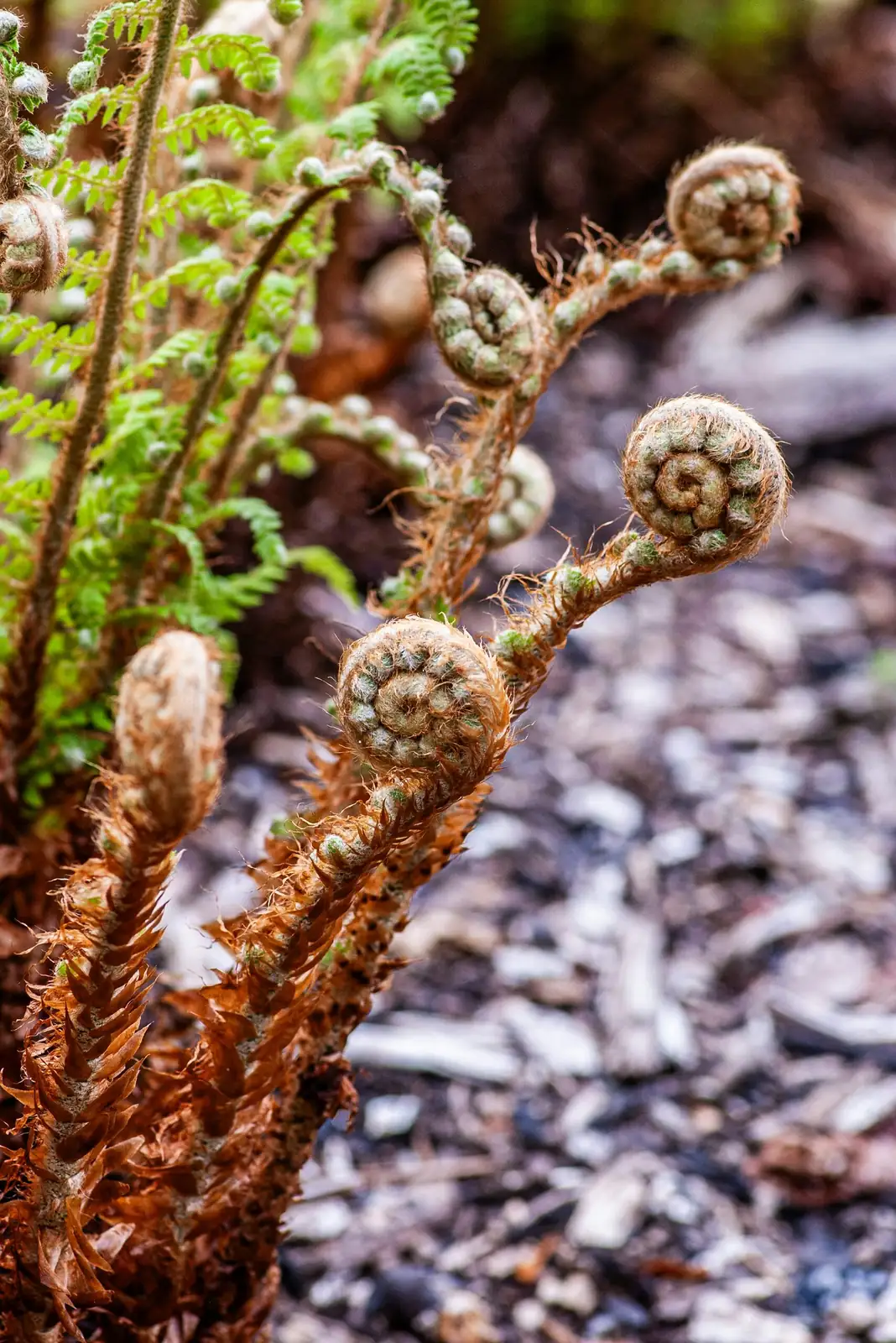
Step into the ferniverse: a world where leaves curl like watch springs, the undersides of fronds wear dot-to-dot constellations, and tiny spores float off like botanical stardust. Ferns (class Polypodiopsida)—some of Earth’s oldest greenery—skip the whole flower-and-seed routine and still manage to carpet forests, festoon bathrooms, and even supercharge rice paddies.
Meet Polypodiopsida (aka ferns)
- Age and pedigree: Ferns have been thriving for more than 300 million years, long before flowers ever entered the chat.
- Diversity snapshot: Roughly 10,560 known species across about 381 genera, with the richest variety in tropical and subtropical regions. Notable families include Polypodiaceae (the largest), Dryopteridaceae, and Aspleniaceae.
- Where they live: Just about everywhere—from dripping cloud forests to shady backyard corners—though they especially love the tropics.
- What makes a fern a fern: No flowers, no fruits. Reproduction is via microscopic spores produced in little cases (sporangia) clustered in sori, typically on the undersides of fronds.
- Everyday names: Often called ferns, polypods, or (in casual use) pteridophytes.
Curl power: why fronds unfurl as fiddleheads
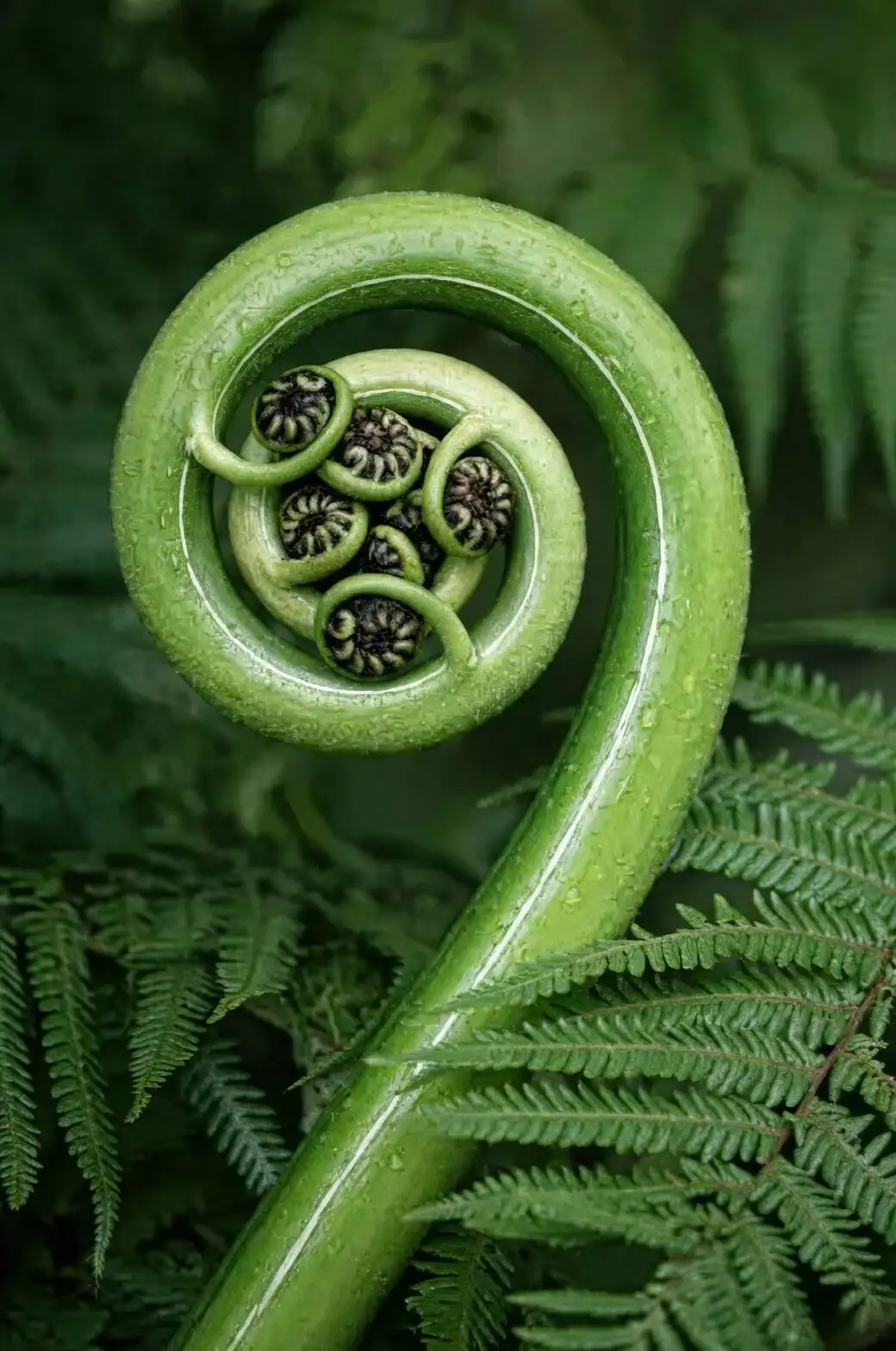
Those emerald scrolls you see in spring? They’re not just cute—they’re clever. New fern fronds emerge coiled as “fiddleheads,” a growth style called circinate vernation.
- Built-in armor: By keeping the tender growing tip tucked inside a coil, the frond protects its most delicate tissue as it pushes upward through debris, rain, and curious herbivores.
- Growth physics: Cells on the inner curve expand more slowly than those on the outer curve, so as the frond grows, it unrolls gracefully—like a tape measure returning to straight.
- Bonus elegance: The coil lets a long, lacy leaf deploy from a compact package, perfect for life in tight understory spaces.
Sori stories: the secret patterns under a fern’s frond
Flip a mature frond over and you’ll often find tidy freckles, streaks, or borders: these are sori—clusters of sporangia where spores are made. They’re so patterned that early fern nerds (pteridologists!) used them to sort species.
What you’re seeing
- Sporangia factories: Each sorus holds many sporangia, which ripen over time. In some species, new sporangia keep forming at the same spot for weeks, so you’ll see a mix of ages.
- Protective gear: Many ferns drape an indusium (a tiny flap) over each sorus; others skip the cover and sport “naked” sori.
- The catapult moment: A ring of cells (the annulus) on each sporangium dries and snaps back, launching spores into the air—think of it as a botanical slingshot.
Patterns you can spot (mini field guide)
- Linear along veins: Neat lines tracking the veins (common in several genera).
- Along the edge: A sporey border protected by a rolled-over leaf margin (classic in Pteris).
- Round and naked: Tidy dots without a covering indusium (iconic in Polypodium).
- Big and spreading: Large sori that can expand broadly on the frond in some groups.
Why the variety? Different arrangements can stretch out the spore-release season or fine-tune protection—tiny design tweaks with big reproductive payoffs.
Spore math: how many is “fern-many”?
Short answer: a lot. A single fern can release millions of microscopic spores—so many that mature fronds can dust your fingertips with golden-brown powder if you brush them at just the right moment. Most won’t land in the perfect moist, shady nook to grow on, but that’s fine: ferns play the numbers game. When one spore does strike it lucky, the life cycle does a delightful two-step:
- Step 1: The spore grows into a tiny, heart-ish, free-living gametophyte.
- Step 2: That humble film of green makes the sex cells that give rise to a new fern plant (the big leafy sporophyte we know and love).
Gentle giants: tree ferns rewrite what a “fern” can be
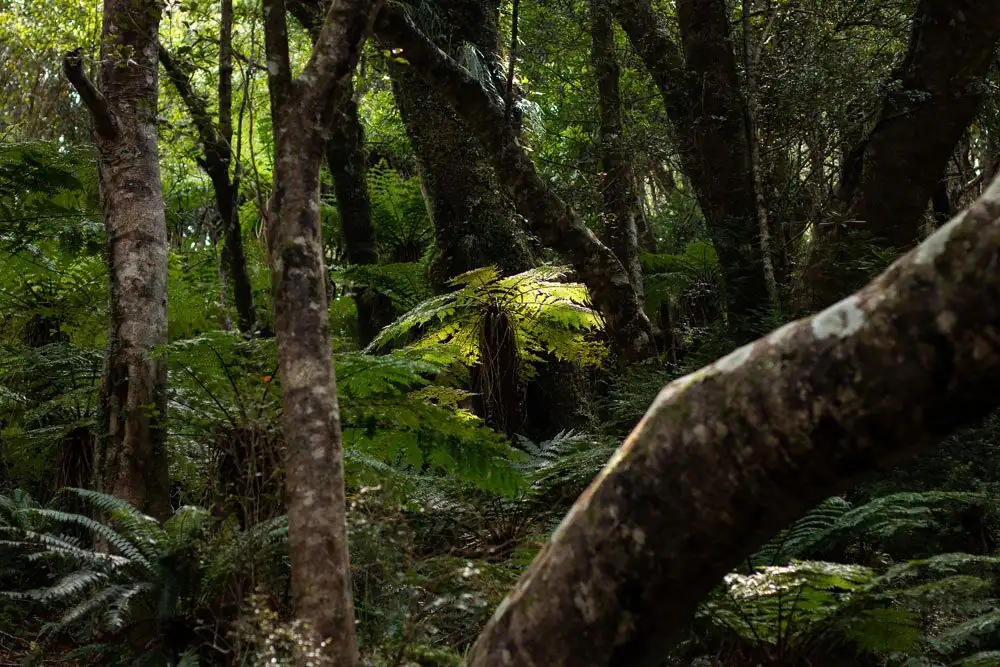
Ferns aren’t just wisps in the shade. Tree ferns can tower to about 20 m (66 ft), holding their canopies aloft on fibrous, trunk-like stems that are really vertical, thickened rhizomes wrapped in roots. Picture an umbrella of fronds catching dappled rainforest light—an ancient blueprint, still dazzling. Despite their stature, they’re spore-makers through and through, like their daintier cousins.
The turbo-grower: Azolla, the floating fern
At the opposite extreme is Azolla, a thumbnail-sized water fern with a need for speed.

- Rapid spreader: In warm, nutrient-rich water, Azolla can carpet a pond astonishingly fast.
- Natural fertilizer: Its secret? A tight partnership with nitrogen-fixing microbes, turning atmospheric nitrogen into plant-ready form. Farmers in some rice paddies cultivate Azolla as a living biofertilizer, a green boost that also shades out weeds and cools the water.
- Ecological intrigue: With its quick growth and nutrient-grabbing powers, Azolla pops up in conversations about sustainable agriculture and ecosystem management.
How to read a fern (and look like you’ve done this before)
- Fronds: The “leaf” of a fern, usually with a stalk (petiole) and a blade.
- Divisions: The blade may be cut into pinnae (leaflets) and further into pinnules—the feathery look many people adore.
- Habit: Some ferns sit in neat clumps; others creep via rhizomes, forming colonies or dangling elegantly in baskets.
- No blooms: If someone swears their fern flowered, you’ve met either a poet or a prankster.
Ferns at home: easy wins for happy fronds
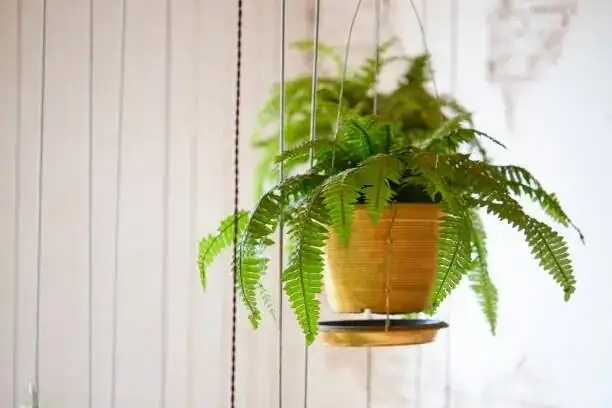
- Light: Bright indirect to partial shade. Avoid harsh, hot sun on those delicate fronds.
- Moisture and humidity: Keep soil evenly moist (not soggy) and aim for 50%+ humidity. Bathrooms and kitchens are prime real estate.
- Temperature: Most common house ferns prefer 15–27°C (60–80°F). Protect from cold drafts.
- Friendly note: Most commonly grown house ferns are non-toxic to people and pets.
Culture, symbols, and a famous “flower” that isn’t
- Meanings: Ferns often symbolize new life, resilience, protection, and quiet growth—fitting for organisms that have persisted through geological ages.
- The fern flower myth: In European folklore, ferns supposedly bloom with a magical flower on Midsummer’s Eve, granting fortune to the finder. Botanically, though, ferns don’t flower at all; the legend celebrates mystery and midsummer wonder more than plant anatomy.
- Pteridomania: In Victorian Britain, a fern craze swept fashion, décor, and gardens—proof that frond fever is timeless.
- A silver emblem: In New Zealand, the silver underside of some fern fronds became a guiding sign at night and a powerful national symbol of renewal and identity.
Five ferny micro-adventures you can try
- Flip and find: Examine the underside of a mature frond. Can you spot linear vs. round sori?
- Timing the catapult: On a dry day, tap a ripe sorus over black paper. See the spore “dust”?
- Fiddlehead watch: Track a coiled frond unfurling over a week—nature’s slow-motion spring.
- Habitat hunt: Compare a clumping fern in a shady corner to a creeping, rhizomatous one on a bank.
- Azolla glance: Visit a botanical garden’s aquatic display and look for the tiny green rafts that might be doing big work.
Ferns are living time-capsules with flair: they curl, they speckle, they fling spores by the millions, they grow into trees, and—sometimes—they turbocharge a rice field. Once you start flipping fronds and reading their secret patterns, you’ll never look at a patch of shade the same way again.