

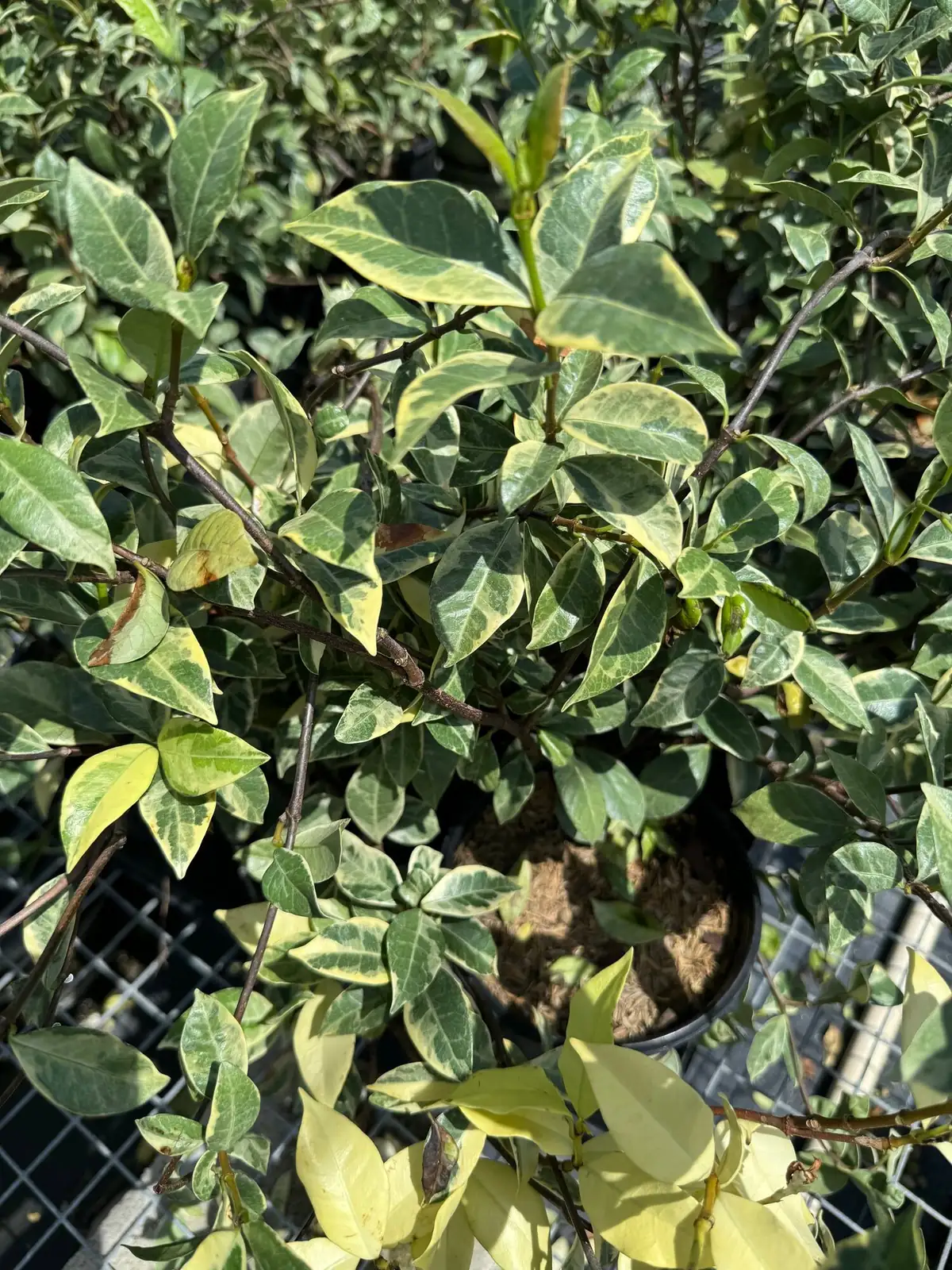
Meet Variegated Star Jasmine (Trachelospermum asiaticum ‘Variegatum’)—the evergreen twiner with cream-and-green marbling that looks crisp all year when conditions are right. This playbook shows you how to head off pests before they snowball, treat leaf spot without wrecking those patterned leaves, and stop all-green reversion in its tracks. Think of it as your fast-response guide to keeping this vine clean, colorful, and vigorous.
First, set the stage: conditions that prevent 80% of problems
Healthy plants fend off pests and disease better and are less likely to drop leaves or revert.
- Light: Bright light to sun for strongest growth and the best chance of flowering. Indoors, an east or south window is ideal. Avoid harsh sun when it’s cold, which can dull variegation and encourage leaf drop.
- Temperature: Best at 20–25°C (68–77°F). Try to keep winter temps above 10°C (50°F). Prolonged cold often triggers defoliation; brief dips near 0°C (32°F) may be tolerated but are not kind.
- Watering: Keep evenly moist in active growth—never soggy. From autumn onward, reduce. The classic trigger for yellowing and drop is “cold + wet.”
- Humidity & airflow: Prefers moderate humidity paired with good air circulation. Occasional misting is fine; avoid stagnant, overly humid conditions.
- Soil & pots: Rich, loose, well-drained potting mix. After repotting, water sparingly at first.
- Training: Add a small support when new shoots hit ~30 cm (12 in). Pinch tips to encourage branching.
Pro tip: This cultivar shines in water culture, too—just top up and change water regularly and feed with a suitable nutrient solution.
The early-warning system: catch pests before they explode
Spider mites are the usual suspects indoors, especially in dry, dusty air. The trick is to spot them while numbers are low.
Your 1‑minute weekly inspection
- Look for stippling: tiny pale dots on the upper leaf surface.
- Check for fine webbing around shoot tips and leaf undersides.
- Use the “white paper tap test”: tap a stem over white paper; moving pepper-like specks suggest mites.
- Feel the leaf: rough or sandpapery undersides can hint at mite activity.
- Scan new growth: mites love tender tips.
- Check conditions: very dry air and dusty foliage raise risk.
Why speed matters: spider mites can go from egg to adult in about 5–21 days, so repeat checks keep you ahead of the curve.
Spider-mite triage: a three-step response
1) Mechanical + cultural reset
- Isolate the plant.
- Rinse: Take it to the sink or shower and gently wash both sides of leaves. Repeat every few days for two weeks.
- Humidity bump: Raise local humidity (cluster plants, pebble tray) while keeping airflow good.
- Dust control: Wipe leaves regularly; mites thrive in dusty conditions.
2) Gentle, effective treatments
- Insecticidal soap or horticultural oil: Spray thoroughly (especially undersides). Test on one leaf 24 hours ahead to check for sensitivity on variegated tissue.
- Timing: Repeat 2–3 times, 5–7 days apart to cover the life cycle.
- Conditions: Treat in mild temperatures; avoid strong sun immediately after spraying.
3) If pressure is high
- Use a miticide labeled for ornamental plants, following the label exactly. Rotate modes of action if multiple rounds are needed.
- Prune the worst-hit growth to reduce populations and speed recovery.
Prevention that sticks
- Quarantine new arrivals for 2–3 weeks.
- Keep the plant vigorous but not overwatered.
- Maintain bright light and good airflow.
- Dust or shower foliage periodically.
Leaf spot, safely solved (without torching the variegation)
Leaf spot can show up when air is still, foliage stays wet late in the day, or the mix remains cold and damp.
Diagnose it accurately
- What you’ll see: discrete tan to brown spots (sometimes with yellow halos), which can coalesce in severe cases.
- Where it starts: often on older, lower, or overcrowded leaves—especially if humidity is high and airflow is poor.
- Not to confuse with: uniform yellowing from cold + overwatering, or the temporary dulling of variegation under stress (strong sun + cold).
Immediate moves (day 0)
- Improve conditions: Brighten light, boost airflow, and avoid wetting the leaves late in the day.
- Water strategy: Water the mix, not the foliage. Keep the root zone just moist; avoid “cold + wet.”
- Sanitation: Remove and bin affected leaves. Sterilize shears between cuts.
If it lingers: a careful treatment plan
- Use a broad-spectrum fungicide labeled for ornamental leaf spot. Follow label rates and intervals.
- Patch test: Spray one leaf and wait 24 hours to rule out phytotoxicity on patterned tissue.
- Timing: Treat during mild temperatures; keep the plant in bright, indirect light while it recovers.
- Crowding control: Thin congested vines to let air move through the canopy.
Long-term prevention
- Keep temperatures in the 20–25°C (68–77°F) comfort zone during active growth.
- Space plants so leaves aren’t permanently touching.
- Water in the morning; avoid routine evening misting.
- Repot every ~2 years into a loose, well-drained mix; never let the pot sit in water.
Reversion: stop the all‑green takeover before it starts
All-green shoots grow faster and will slowly outcompete the patterned growth if you let them.
Spot it early
- Visual cue: an entire shoot with solid green leaves (no cream/white margins).
- Growth cue: greener shoots are often thicker, faster, and shadier than the variegated parts.
- Don’t confuse with: temporary dulling after stress (e.g., cold + strong sun). True reversion shows sustained solid-green leaves on a distinct stem.
Eliminate it decisively
- Trace and remove: Follow the green stem back to where it originated and cut it out at the base or just below the node where green started.
- Clean cuts: Use sharp, sterilized pruners; bag and dispose of prunings.
- Inspect weekly: New green shoots can pop up sporadically—small now beats big later.
Keep the variegation bright
- Light: Provide strong, steady light. Indoors, an east/south window is perfect. Variegation dulls under stress; harsh sun plus cold is the worst combo.
- Feeding: During growth, feed about once monthly. If you want blooms, add 1–2 extra feeds higher in P & K before summer.
- Warmth and water: Keep above 10°C (50°F) in winter and slightly on the dry side—this prevents stress-driven leaf drop.
- Rejuvenation: Every 3–4 years, a harder prune can reset legginess and encourage fresh, patterned growth.
- Propagation: Tip cuttings from well-variegated shoots root in 3–4 weeks in moist grit or plain water. Avoid seed for this plant; seedlings often revert to solid green.
Special note for water culture fans
- Keep water clean: Top up, change regularly, and feed with a suitable hydro nutrient at mild strength.
- Rinse roots when you change water; keep the vessel algae-free.
- Pests can still land on foliage—run the same weekly inspection.
Quick seasonal playbook
- Spring
- Repot if it’s been ~2 years.
- Resume monthly feeding.
- Train new 30 cm (12 in) shoots onto a small trellis; pinch tips to branch.
- Early summer
- Take 10–12 cm (4–5 in) semi-ripe cuttings (3–4 leaves kept) for easy propagation.
- If you’re chasing flowers, add 1–2 bloom-focused feeds before summer.
- Autumn
- Reduce watering frequency; keep bright light.
- Keep airflow up to discourage leaf spot as nights cool.
- Winter
- Aim for temps above 10°C (50°F); keep slightly drier.
- Avoid the “cold + wet” combo to prevent leaf drop.
- Bright window, gentle ventilation, and no harsh sun on freezing days.
Blooming bonus
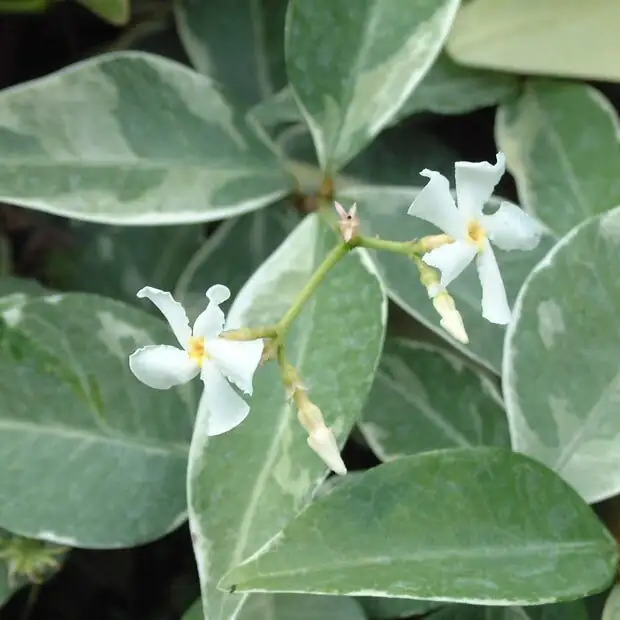
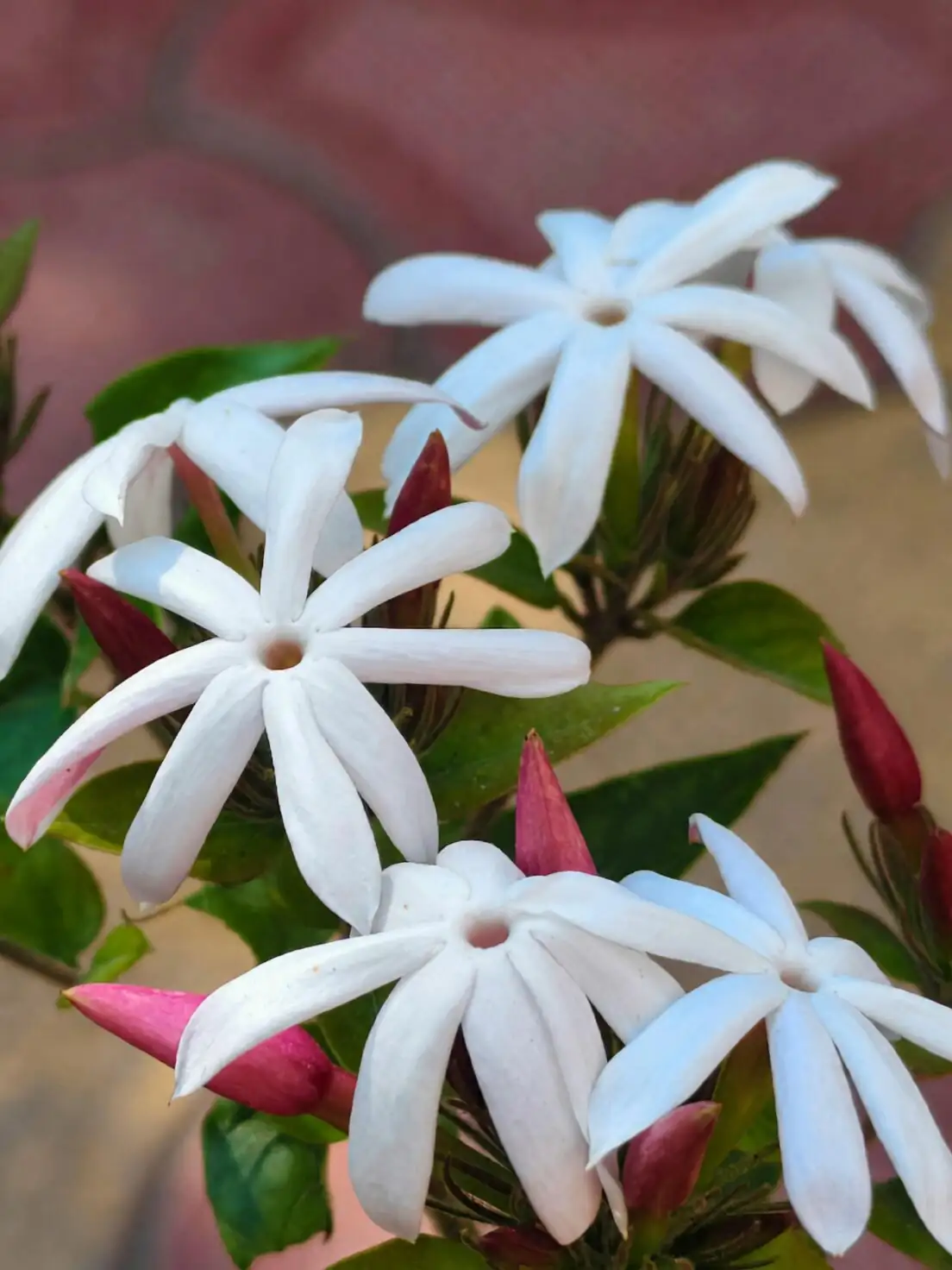
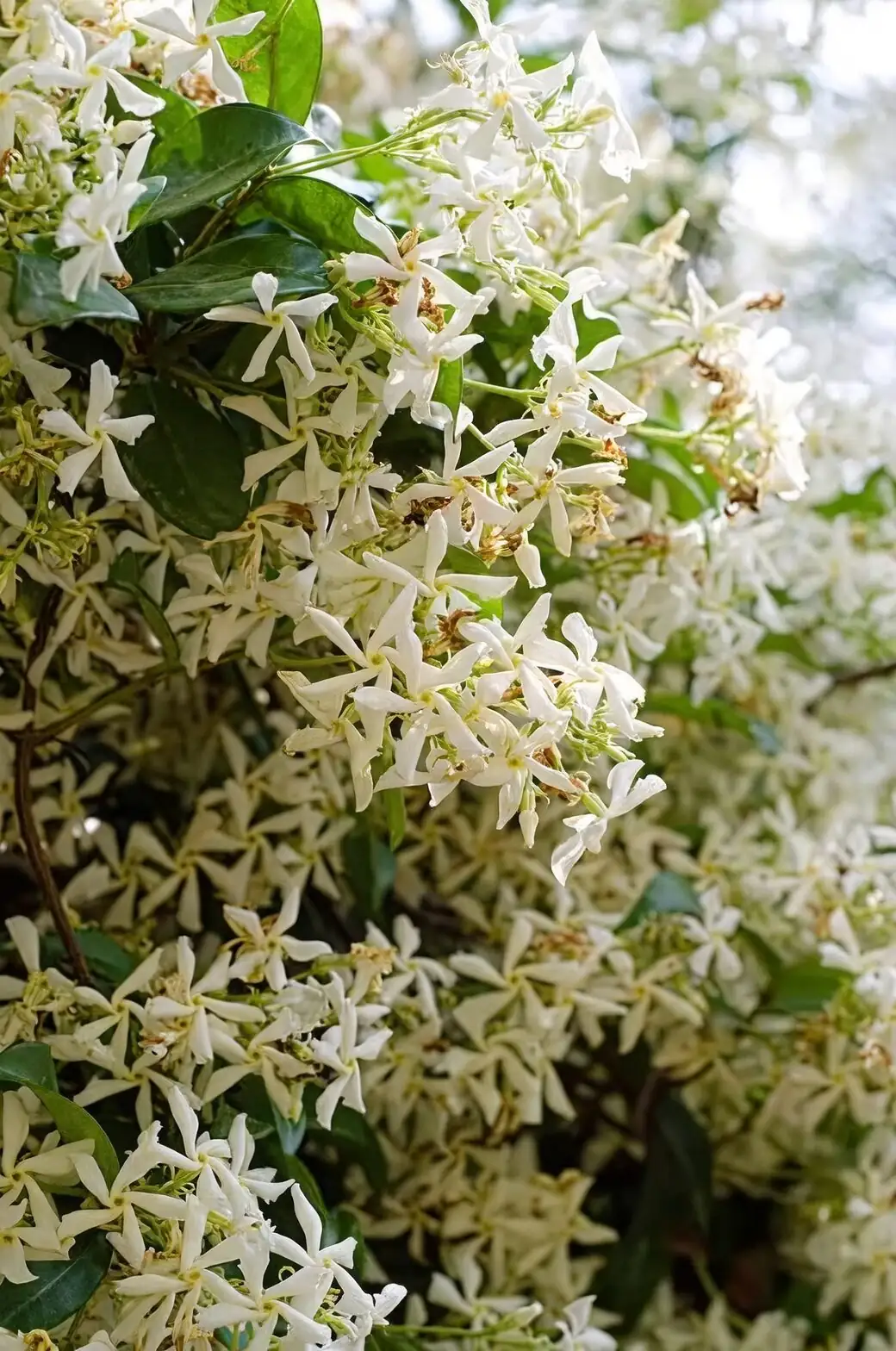
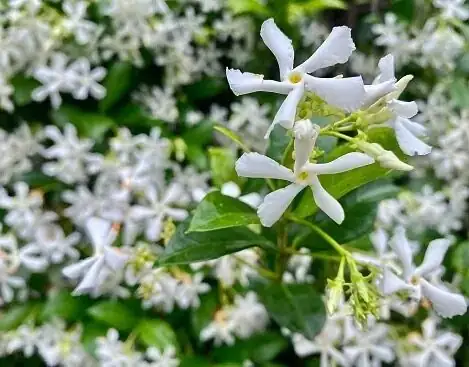
Outdoors or in excellent indoor light, you may get small, starry white flowers in summer with a sweet fragrance. Indoors, flowering is less reliable—focus on perfect light and steady warmth if blooms are your goal.
Safe handling and pets
Specific toxicity data for this cultivar is not consistent. As a sensible precaution, treat it as potentially irritating if chewed. Keep it out of reach of pets and small children, and seek veterinary/medical advice if ingestion or irritation occurs.
Fast fixes: what to do when…
- Leaves are yellowing and dropping
- Likely low light or “cold + overwatering.” Move brighter, keep warmer, and let the mix dry a bit more between winter waterings.
- Leaves look dull or variegation fades
- Increase light (avoid harsh sun when it’s cold). Check that temperatures are in the plant’s comfort zone.
- You see stippling and fine webbing
- Begin the spider-mite protocol: isolate, rinse, humidity bump, then soap/oil sprays repeated 5–7 days apart.
A note on meaning and “flower language”
Variegated Star Jasmine’s evergreen leaves and twining, clasping habit have linked it with steadfastness and loyalty. While not rooted in ancient lore for this exact cultivar (it’s a horticultural selection), the symbolism rings true: it’s a plant that stays, clings, and quietly endures—an “always-there” companion that rewards simple, steady care.
Keep this playbook handy, do the quick weekly check, and act fast on the first signs—your Trachelospermum asiaticum ‘Variegatum’ will repay you with crisp marbling, tidy growth, and, with luck, a summer sprinkle of fragrant stars.