

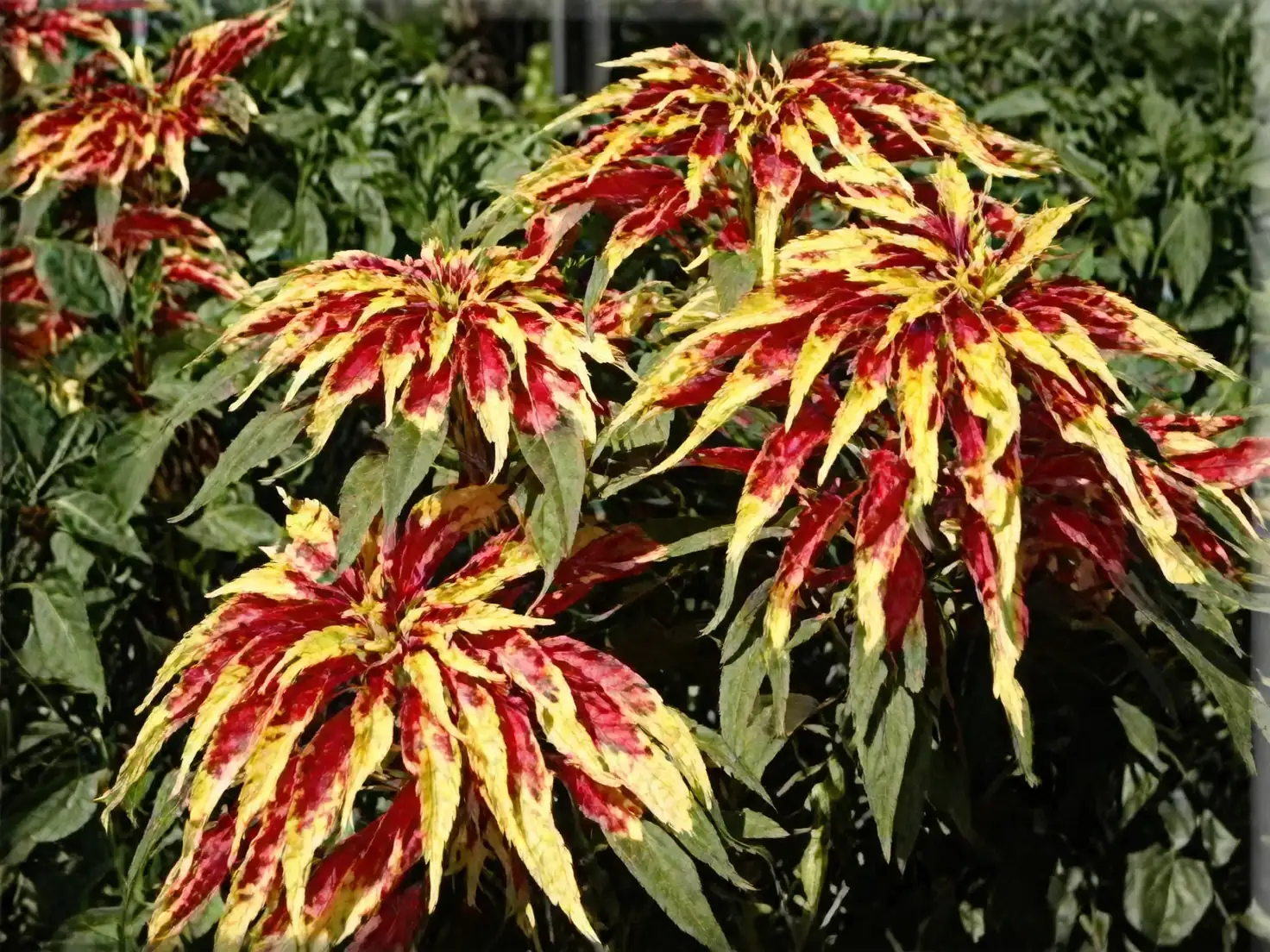
Imagine a plant so vivacious it seems to have a personality of its own—a kaleidoscope of colors that transforms any garden it inhabits. Meet Amaranthus tricolor, affectionately known as Joseph’s Coat. This botanical wonder is not just a feast for the eyes but also a gardener’s delight, thanks to its ease of propagation from seeds. Whether you’re a seasoned horticulturist or a budding plant enthusiast, propagating Joseph’s Coat can be a rewarding journey. Let’s dive into the step-by-step guide to successfully growing this vibrant annual from seeds.
Why Grow Joseph’s Coat?
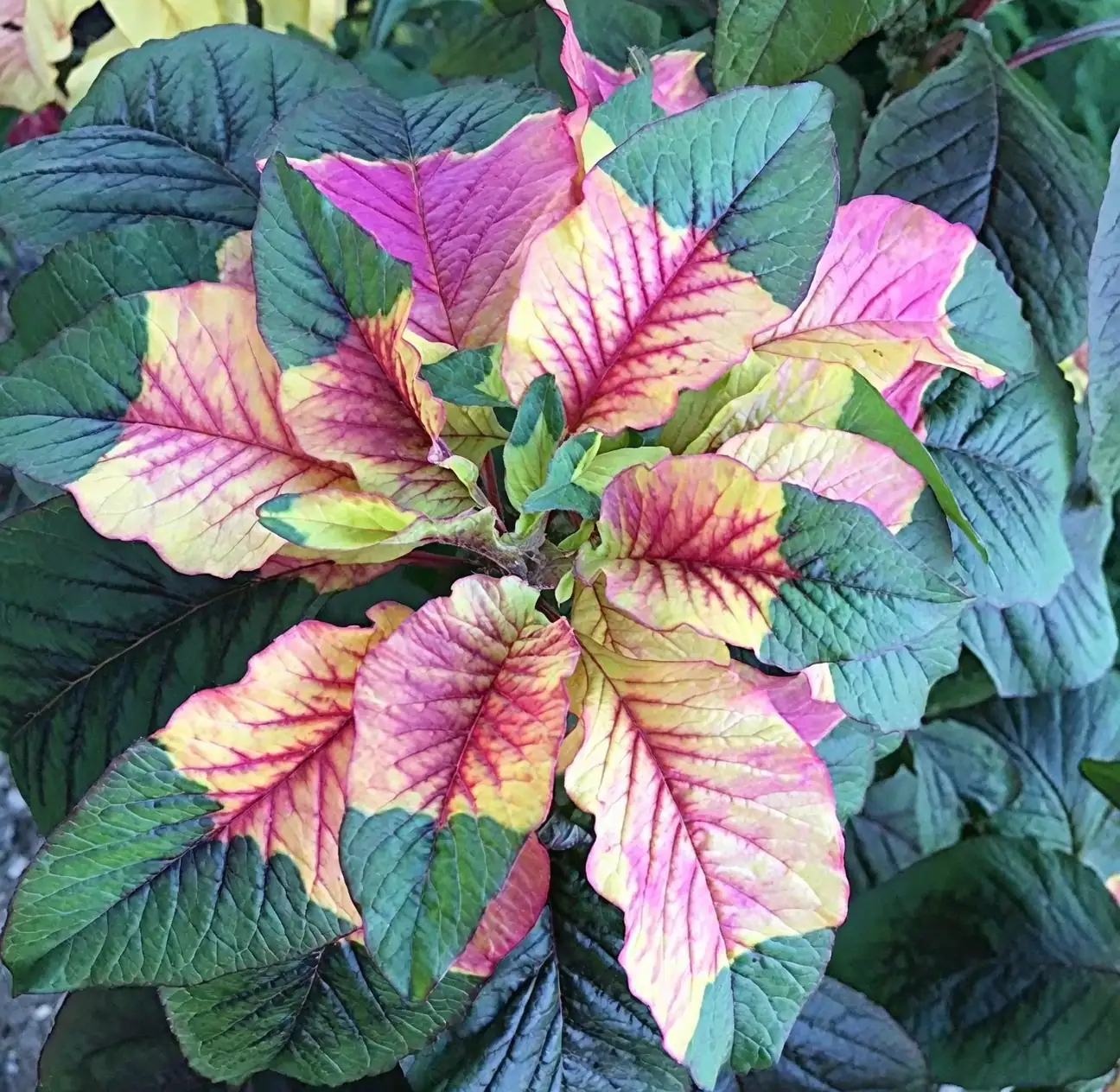
Before we get our hands dirty, let’s pause for a moment to appreciate why Joseph’s Coat deserves a spot in your garden. Native to tropical Asia, this plant is a true performer during warm seasons, flaunting its breathtaking foliage in shades of green, red, yellow, pink, and purple. Its leaves are the main attraction, drawing comparisons to the biblical coat of many colors. Beyond its ornamental appeal, it’s also edible, often grown as a leafy vegetable in Asian cuisines.
Getting Started: What You’ll Need
- Seeds: Look for fresh, high-quality seeds from a reputable supplier.
- Seed-starting trays or pots: Ensure they have good drainage.
- Seed-starting mix: Opt for a light, well-draining mix.
- Labels: To keep track of your seedlings.
- Clear plastic or a humidity dome: To retain moisture during germination.
- A sunny windowsill or grow lights: For providing necessary light.
Step-by-Step Guide to Propagation
Step 1: Timing is Everything
Joseph’s Coat seeds are best started indoors 6–8 weeks before the last expected frost. This timing ensures that seedlings are sturdy enough to transplant once the soil warms up.
Step 2: Sowing the Seeds
- Prepare Your Trays: Fill your seed-starting trays or pots with the seed-starting mix. Moisten the mix thoroughly but avoid making it soggy.
- Plant the Seeds: Gently press the tiny seeds into the surface of the mix—no need to bury them too deep. Since they require light to germinate, a light covering or a gentle press into the soil is sufficient.
- Label and Cover: Use labels to mark the date and type of seeds planted. Cover the trays with clear plastic or a humidity dome to keep the environment consistently moist.

Step 3: Create the Perfect Environment
- Light: Place your covered trays on a sunny windowsill or under grow lights to ensure they receive bright, indirect light.
- Temperature: Maintain a warm environment of about 20–25°C (68–77°F) to encourage germination.
Step 4: Patience and Care
Seeds generally germinate in 4–6 days under optimal conditions. During this period, keep the soil moist but not waterlogged. Remove the cover once sprouts appear to allow for air circulation and prevent damping off.
Step 5: Transplanting Outdoors
Once the risk of frost has passed and your seedlings are robust, it’s time to move them outdoors.
- Harden Off: Gradually acclimate the seedlings to outdoor conditions over a week. Start by placing them in a sheltered spot for a few hours a day, gradually increasing their exposure to the elements.
- Choose the Right Spot: Joseph’s Coat thrives in full sun, which enhances its brilliant foliage colors. However, in extremely hot climates, a bit of afternoon shade can prevent leaf scorch.
- Planting: Space the plants approximately 20–30 cm (8–12 in) apart for smaller varieties and about 45 cm (18 in) for larger ones. Ensure the soil is well-draining and enriched with compost or organic matter.
Care and Maintenance
- Watering: Keep the soil consistently moist, especially during dry spells. Avoid waterlogging, which can lead to root rot.
- Feeding: An initial boost with compost is usually sufficient. Avoid excessive nitrogen, which can lead to less vibrant foliage.
- Pruning: Generally unnecessary, but you may pinch stems to encourage bushier growth or remove spent flower spikes for tidiness.
A Final Word on Joseph’s Coat
In addition to its stunning visual appeal, Amaranthus tricolor is steeped in symbolism. The name “Joseph’s Coat” pays homage to a story of enduring beauty and favor, much like the plant’s unfading vibrancy throughout the summer months. Whether used as an ornamental centerpiece or a nutritious addition to your diet, this plant is as versatile as it is beautiful.
So, are you ready to add a splash of color to your garden? With these steps, you’ll be well on your way to growing a captivating display that not only enlivens your outdoor space but also offers a touch of history and tradition. Happy gardening!


