
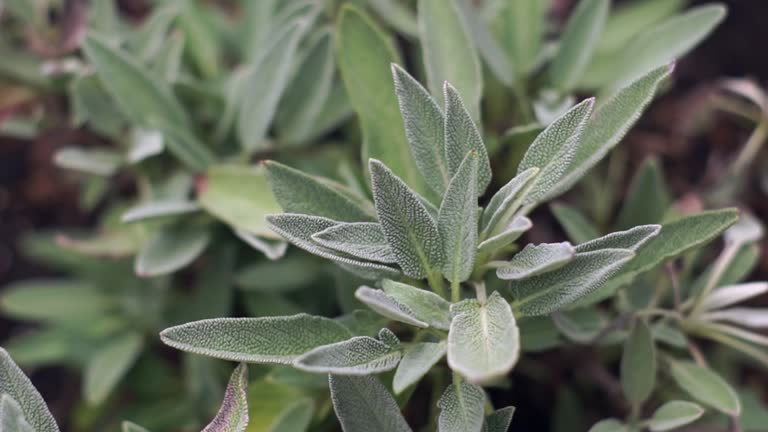
If your kitchen had a signature scent, sage would be it: earthy, savory, a little peppery, and endlessly comforting. The good news? Salvia officinalis (common sage) can thrive indoors year-round—if you give it the kind of sunny, dry, fast-draining conditions it evolved with on Mediterranean hillsides. Here’s your expert blueprint for bushy, flavorful, indoor sage with fewer mishaps and more harvests.
Meet your indoor sage
- Botanical name: Salvia officinalis
- Family: Lamiaceae (mint family)
- Habit: Evergreen, woody subshrub; upright and bushy
- Size indoors: Often 16–24 in (40–60 cm) tall and wide with good light; can be kept compact with light pruning
- Flavor & flowers: Grey‑green, softly fuzzy leaves; nectar-rich blue to purple blooms in early–mid summer
Pro tip: Sage tastes best grown “lean and sunny.” Too much fertilizer or shade = floppy stems and diluted flavor.
Light: the make-or-break factor
Sage is a full-sun herb. Indoors, that translates to strong, direct light.
Benchmarks to hit
- Window light: Aim for 6+ hours of direct sun daily (a true south-facing window is gold).
- Lux/foot-candle guide: 10,000–20,000+ lux (1,000–2,000 foot-candles) at leaf level for several hours.
- DLI (daily light integral): Target about 12–20 mol/m²/day for sturdy, aromatic growth.
- Visual cues: Tight internodes, silvery leaves, and robust aroma = enough light. Stretchy, pale, or leaning stems = not enough.
If your winter sun is weak or you have only east/west windows, consider supplemental LEDs (details below).
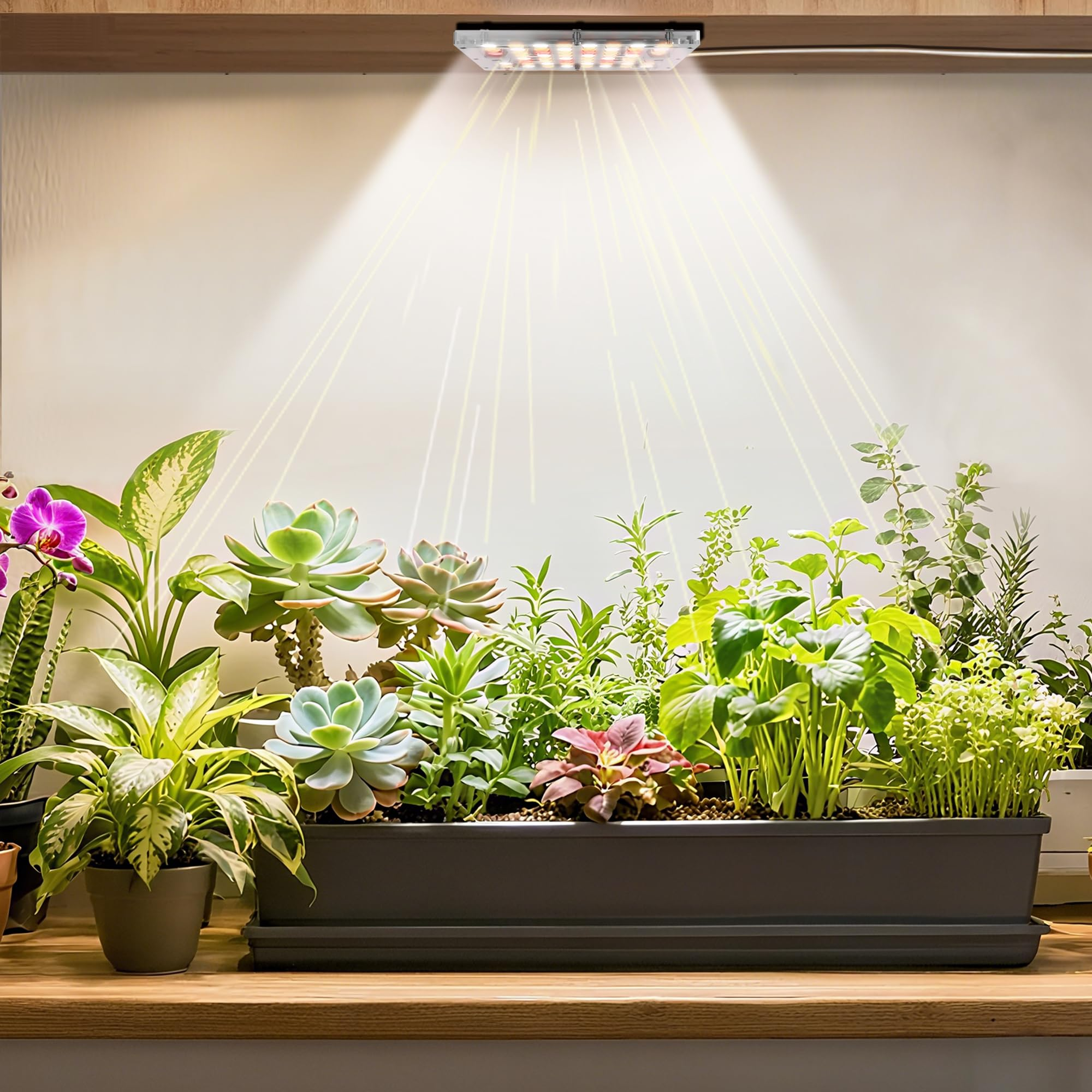
Should you add an LED grow light?
Short answer: If you don’t have 6+ hours of direct sun, yes. LEDs make a huge difference in leaf density and flavor.
How to set it up
- Spectrum: Full-spectrum white (4000–6500K) works beautifully.
- Intensity: 200–400 µmol/m²/s PPFD at canopy for culinary-quality growth.
- Distance: Typically 8–12 in (20–30 cm) above the top leaves (adjust to keep leaves cool to the touch).
- Photoperiod: 12–14 hours/day.
- Wattage guide: About 20–40 true watts can support 1–2 mature sage plants, depending on fixture efficiency.
Pro tip: Combine window sun and LEDs. Put the plant in your sunniest window and run the light to “top up” hours—especially in winter.
Potting mix: gritty, quick-draining, and airy
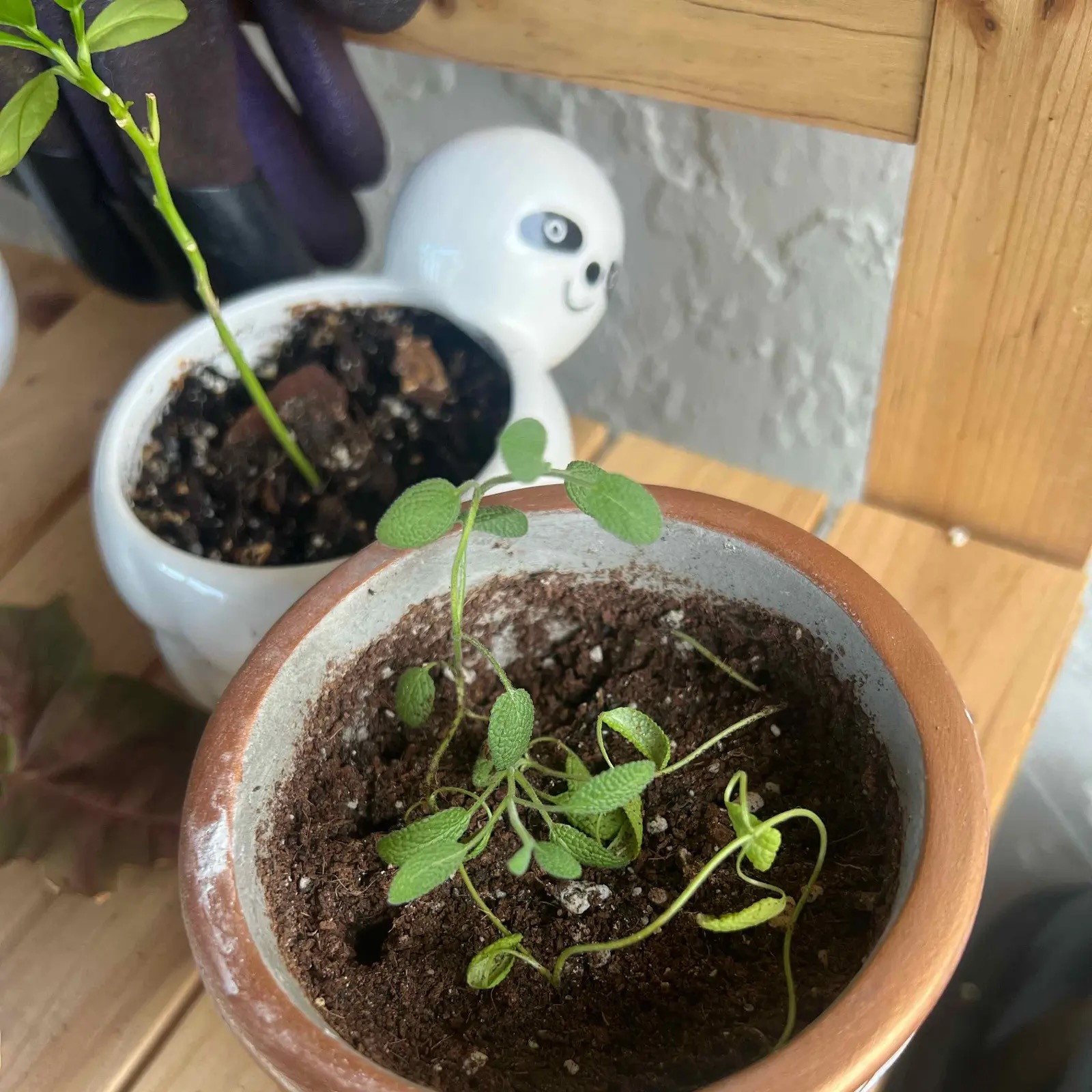
Roots are where success starts. Sage needs fast drainage and lots of oxygen around the roots.
Your best indoor mix
- Base: High-quality, peat-free potting mix
- Add mineral grit up to ~25% by volume:
- Horticultural grit or crushed pumice (2–6 mm)
- Coarse perlite
- Coarse, washed sand (avoid fine sand that compacts)
- Target pH: Slightly acidic to neutral (6.5–7.0)
- Container: A pot with generous drainage holes; unglazed terracotta helps wick moisture
- Size: For a long-term plant, use at least a 12 in (30 cm) wide and deep pot
Avoid rich, moisture-retentive mixes. Sage prefers “lean” soil and air around the roots.
Watering without the traps
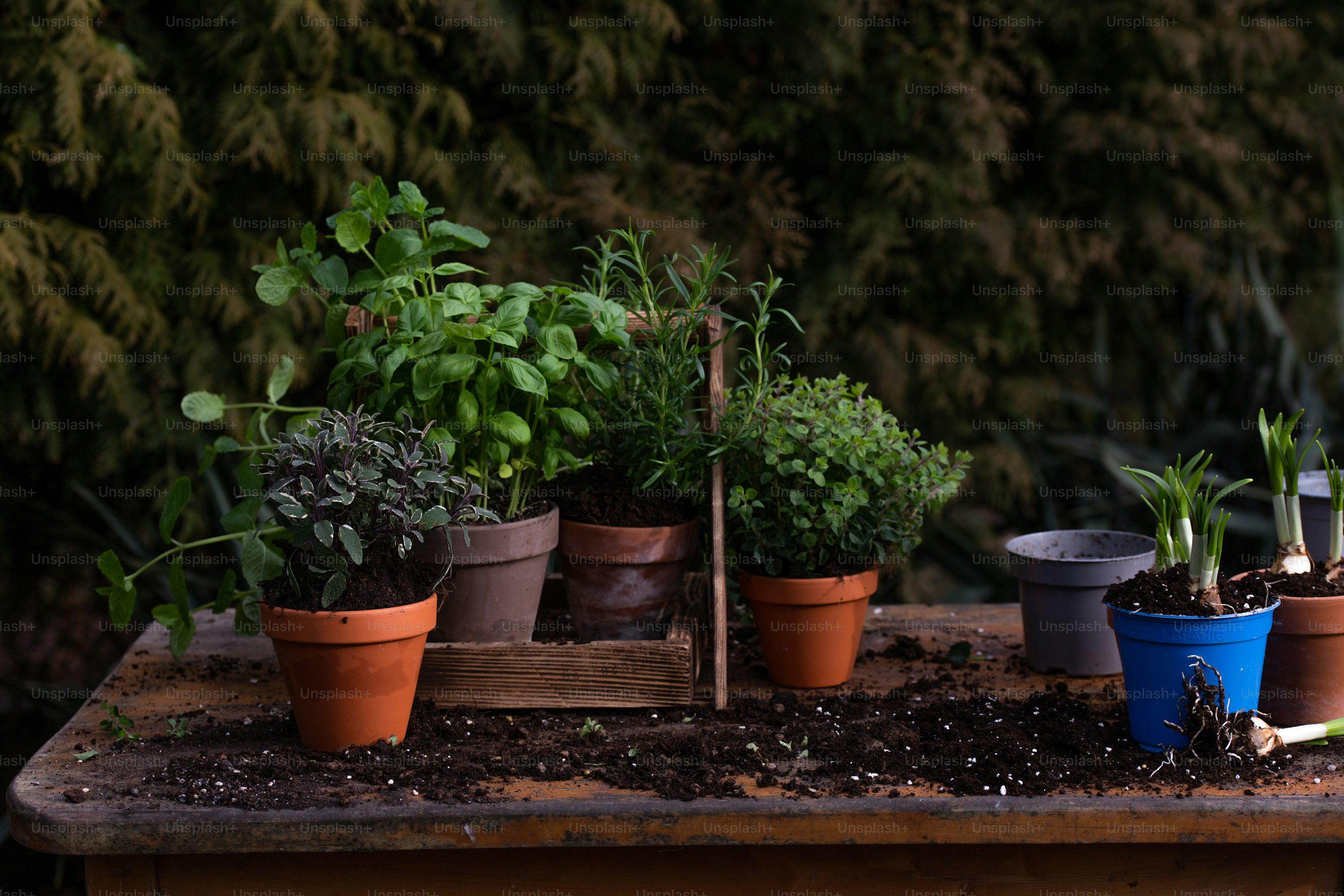
Overwatering is the number one way to lose indoor sage. Think deep drinks with dry spells in between.
The rhythm
- When to water: Let the top 1 in (2–3 cm) fully dry before watering again.
- How to water: Thoroughly, until water runs out the drainage holes; then empty the saucer.
- Winter shift: Reduce frequency—cooler, dimmer days slow uptake.
- Never: Let the pot sit in water, or keep sage in a cachepot without a way to drain.
Common watering traps (and fixes)
- Trap: “On-a-schedule” watering. Fix: Water by feel—check soil with your finger or gauge pot weight.
- Trap: Overpotting (huge pot for a small plant). Fix: Pot up gradually to avoid cold, wet soil zones.
- Trap: Heavy, peaty mixes. Fix: Add grit/perlite for faster drainage and airflow.
- Trap: Self-watering or constantly moist setups. Fix: Sage prefers a wet–dry cycle.
- Trap: Misting leaves for humidity. Fix: Skip misting; it encourages mildew without benefiting the plant.
Airflow: the unsung hero
Sage prefers dry to average humidity and lots of fresh air. Indoors, stagnant air can invite powdery mildew.
- Position with space (avoid crowding walls or other plants)
- Run a gentle fan on low across the room, not blasting directly
- Rotate the pot weekly so growth is even and stems stay sturdy
Temperature and humidity
- Best growth: 60–70°F (15–22°C)
- General range: Sage is tough and tolerates cool spells
- Humidity: Dry to average indoor air is ideal; high humidity + low airflow = powdery mildew risk
Feeding (less is more)
- In-ground sage rarely needs fertilizer; indoors, go light.
- Feed container plants once in late spring/early summer with a balanced, gentle fertilizer—especially after the first year.
- Too much nitrogen reduces aroma and encourages floppiness.
Pruning, shaping, and harvest
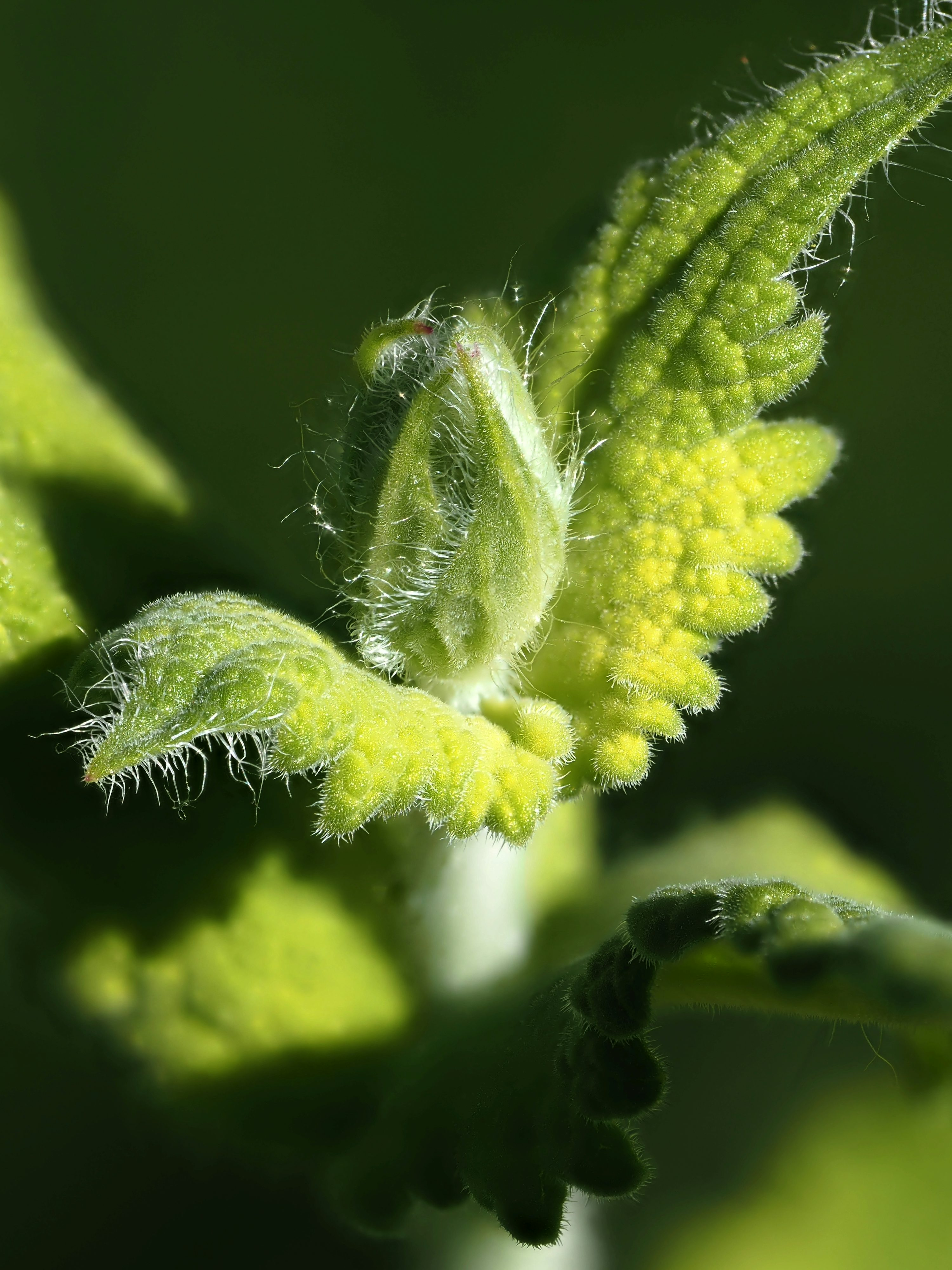
- Pruning: Lightly tip back stems in spring to keep growth compact and bushy. Avoid cutting into old, leafless wood—regrowth can be slow or fail.
- Deadhead: Trim spent flower spikes in late summer.
- Harvest: Snip leaves or sprigs as needed (morning, after dew dries). Regular harvesting encourages branching.
- Refresh cycle: Plants get woody and less productive with age; many growers replace or restart from cuttings every 6–7 years.
Repotting cadence
- Every 2–3 years for container plants
- Refresh the gritty mix, inspect roots, and step up only one pot size at a time
- Choose pots with wide drainage holes; avoid saucer buildup
Pests and problems indoors
- Most common issues: Powdery mildew (from damp, stagnant air) and root rot (from overwatering)
- Possible pests: Spider mites (especially in dry, warm rooms), leafhoppers, capsid bugs; slugs are less common indoors
- Prevention: Strong light, dry–bright conditions, airflow, and fast-draining mix
- Response: Rinse foliage, prune congested growth, and adjust environment; treat mites early with gentle, repeated interventions
Varieties for tight spaces
Compact sages are easier to keep neat on a windowsill. Look for dwarf forms of Salvia officinalis or compact culinary cultivars. Purple, golden, and tricolored sages are beautiful indoors—just remember that the light still needs to be strong for good flavor.
A simple indoor setup that works
- South-facing window plus an LED bar (4000–6500K) 8–12 in above the plant, on 12–14 hours/day
- 12 in terracotta pot with generous drainage holes
- Peat-free potting mix amended with ~25% grit/perlite
- Water deeply, then wait until the top 1 in dries
- Small fan in the room for gentle airflow
- Light feed once in late spring/early summer
Quick troubleshooting
- Leggy, pale growth: Not enough light—add/raise LED hours or move to stronger sun.
- Yellowing leaves, soggy soil: Overwatering or poor drainage—let dry, add grit, check pot holes.
- Powdery coating on leaves: Improve airflow, reduce humidity, water in the morning so foliage dries quickly.
- Leaves taste weak: Increase light; reduce nitrogen; allow longer intervals between waterings.
Safety notes
Sage leaves are generally safe as a culinary herb. Do not ingest sage essential oil, and consult a professional before medicinal use during pregnancy or nursing. Sage contains thujone; very large medicinal doses can be harmful.
A little meaning and history
Sage’s very name comes from the Latin “salvere,” meaning “to heal” or “to save.” That lineage fuels its symbolism: wisdom, longevity, and good health—hence its long reputation as an “herb of the wise.” It’s more than folklore; it’s a centuries-old recognition that a sturdy sprig of sage has a way of making both kitchens and gardeners feel a bit more grounded.
Grow it bright, keep it gritty, and let the air move—and your indoor sage will repay you with leaves that smell like sunshine on stone and taste like comfort on a plate.