

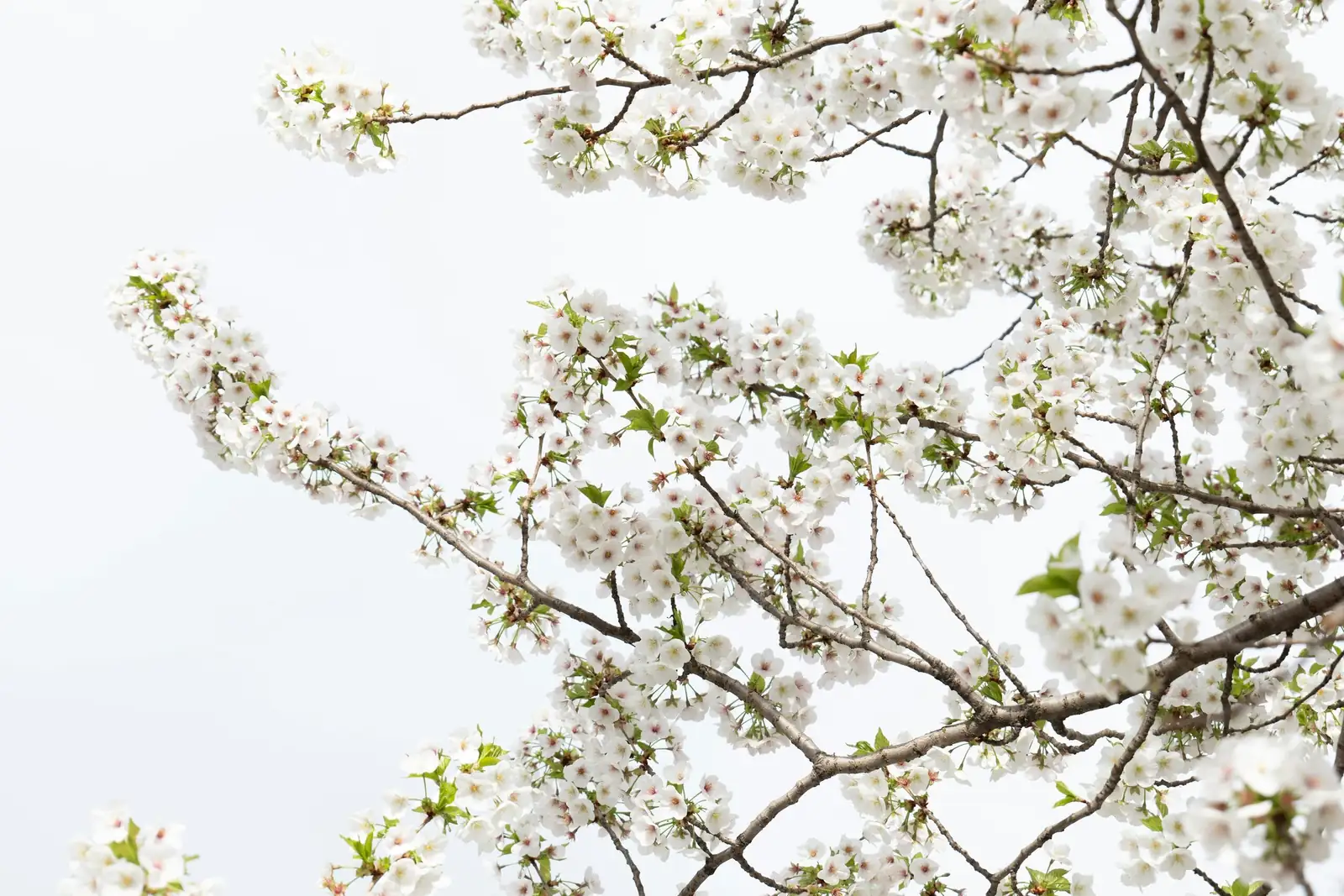
If you’ve ever stood in winter air and inhaled the honeyed spice of Japanese apricot (Prunus mume), you know why gardeners dote on it. Those bare, sculptural branches burst into fragrant bloom from late winter to early spring—long before most plants even think about waking up. Keep that magic effortless with a simple, no-nonsense troubleshooting routine: keep air moving, act early on mildew, be kind-but-firm with aphids, protect stressed wood from borers, and prevent leaf drop by balancing water and temperature.
Here’s how to make it all feel easy.
Meet Prunus mume, quickly
- Names: Japanese Apricot, Chinese Plum, Mume/Ume (Prunus mume), family Rosaceae.
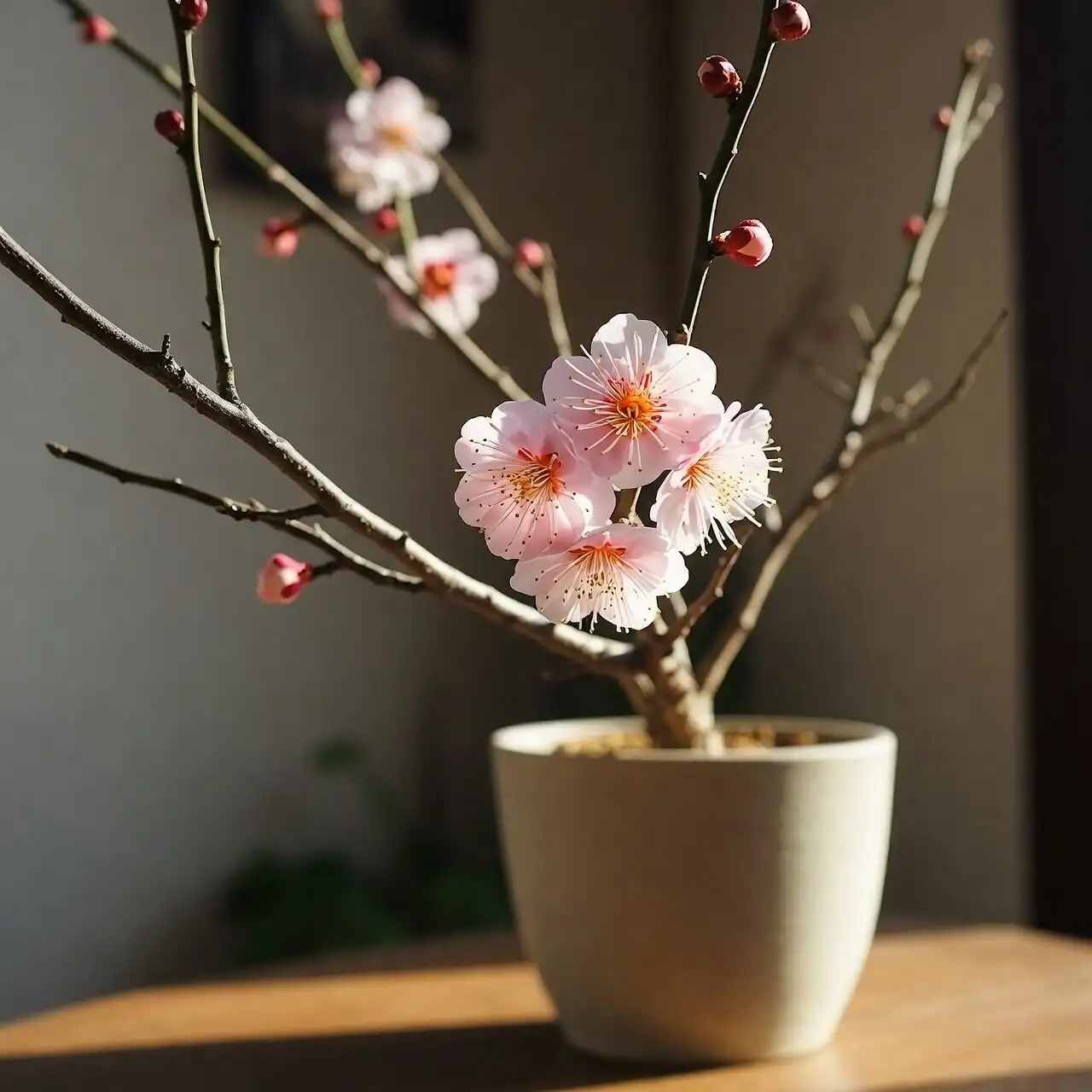
- Look: A woody shrub to small tree with elegant branching and intensely fragrant winter-to-early-spring blossoms (white through pink to red, often before leaves).
- Best conditions: Full sun (at least 6 hours), cool-to-mild air (about 8–20°C), and excellent drainage. It loves steady moisture when growing and setting buds, but hates soggy soil.
- Where it shines: In the garden, on balconies/patios, as a potted showpiece, or trained as bonsai. Cut flowering branches perfume rooms beautifully.
Troubleshooting made simple
Powdery mildew: stop it early with airflow + a timely spray
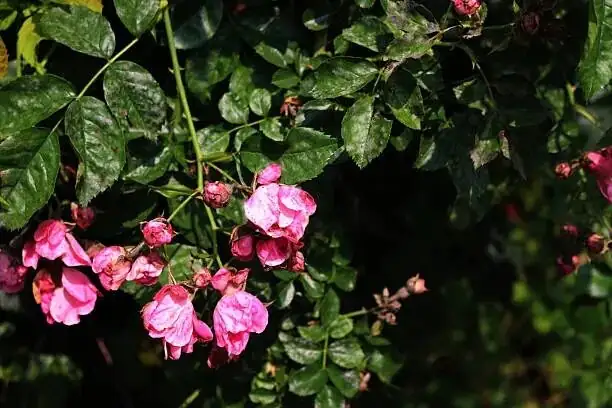
What it looks like: White, dusty patches on leaves and tender shoots; it creeps fast in still, humid pockets.
Your quick fix (start at the first faint dust):
1) Improve air: Thin crowded twigs, remove inward-crossing growth, and space plants. Outdoors, tuck the pot where breezes flow; indoors during display, avoid stagnant corners.
2) Water smart: Water the root zone in the morning. Avoid overhead splashing late in the day.
3) Remove worst leaves: Clip and bin heavily mildewed foliage to lower spore load.
4) Early fungicide: Use a locally approved product labeled for powdery mildew. Organic options include sulfur or potassium bicarbonate. Apply early, repeat as directed, and avoid spraying open flowers or during heat spikes.
5) Keep it clean: Clear leaf litter and sanitize tools between cuts.
Prevention for next year:
- Prune immediately after flowering to open the canopy (details below).
- Aim for moderate humidity with good airflow—stagnant, muggy nooks invite mildew.
Aphids: gentle, targeted controls that actually work
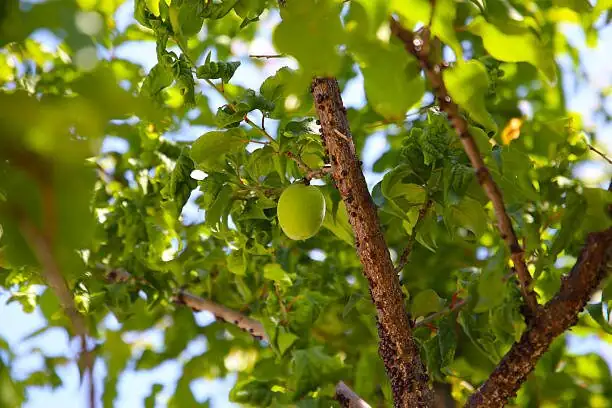
What you’ll see: Clusters on soft tips and flower stems; distorted new growth; sticky honeydew.
How to win without nuking everything:
1) Dislodge: Blast colonies off with a firm jet of water. Pinch out badly infested soft tips.
2) Soap first: Spray insecticidal soap (1–2%) thoroughly, especially undersides; repeat in several days if needed.
3) Oil, carefully: Horticultural oil can smother aphids—apply in cool hours, never on heat-stressed plants, and avoid open blooms to protect pollinators.
4) Encourage allies: Ladybirds, lacewings, and hoverfly larvae do the heavy lifting outdoors.
5) Don’t overfeed: Reducing lush, sappy growth after late June makes your plant less “aphid candy.”
Borers: protect stressed wood, then prune and monitor
Why they show up: Wood-boring beetles target stressed plants—think waterlogged roots, drought swings, or chronic shade.
Red flags:
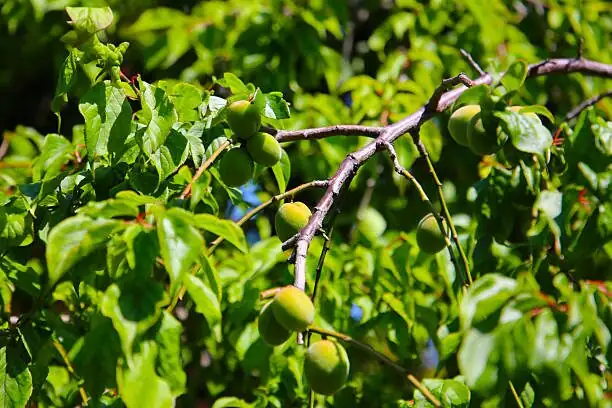
- Sawdust-like frass (wood meal) at holes, weeping sap, or sudden dieback on a branch.
Response plan:
1) Restore vigor first: Full sun, a free-draining mix, and a steady—not soggy—watering rhythm.
2) Prune out infested wood well into clean, un-tunneled tissue; destroy prunings.
3) Time your cuts: Right after flowering is ideal—keep wounds small and the structure airy.
4) If history repeats: Use locally permitted borer controls per label. Keep inspecting for fresh frass through summer.
Sudden leaf drop? Fix watering and heat spikes
Two common culprits—both easy to correct:
- Soggy roots: Japanese apricot resents sitting wet. Overwatering or heavy mixes starve roots of air.
- Indoor heat above ~30°C (86°F): Prolonged warmth, especially near heaters, triggers premature leaf drop.
What to do now:
- Drainage check: Ensure the pot never sits in a saucer of water. Refresh into a free-draining, loam-based mix with compost/leaf mold plus coarse sand/grit if needed.
- Watering reset: Water deeply, then wait until the surface begins to dry before watering again. In winter, water sparingly but never let the rootball bone-dry.
- Cool it: Indoors, place in the brightest, coolest spot you have—ideally 8–20°C; around 8–10°C during bloom will make flowers last longer. Keep away from radiators and hot rooms.
The care rhythm that prevents problems
Light, temperature, and placement
- Sun: Full sun is nonnegotiable—at least 6 hours daily.
- Temperature: 8–20°C is its sweet spot; many cultivars tolerate around –10°C outdoors. Prolonged indoor heat above 30°C can cost you leaves and bloom longevity.
- Placement: Grow outdoors in sun (balcony, courtyard, garden). Bring a potted plant indoors to a bright, cool space just for flowering, then return it outside.
Watering through the year
- Spring: Water thoroughly as growth starts; allow the surface to begin drying between waterings.
- Late spring–early summer (often May–June): Slightly reduce watering (without wilting) to encourage flower-bud formation.
- Midsummer: Keep it a touch on the drier side, not bone-dry.
- Mid-summer through autumn: Maintain steady moisture—drought stress here can cause leaf drop and weak bud set.
- Autumn/winter after leaf fall: Water less, never let the rootball fully dry; water on bright days and avoid standing water.
Feeding, light and balanced
- In pots, it’s a light feeder: 1–2 light feeds during spring shoot growth.
- From late June, ease off feeding to support bud differentiation (too much nitrogen = leaves at the expense of next year’s bloom).
- Early autumn: one light, bloom-supportive feed. In-ground plants often receive winter organics around the dripline.
Pruning for air—and next year’s flowers
- Right after flowering: Hard-prune the spent one-year shoots back to about 1–2 cm, leaving roughly 2–3 buds at the base. This single step sets you up for a better show next winter.
- Summer: Thin excess shoots and water-sprouts; pinch overly vigorous shoots after 5–6 leaves.
- Pre-bloom winter tidy: Shorten lanky upright shoots to balance the canopy.
- Pro tip: Learn to spot leaf buds vs. flower buds so you don’t sacrifice next season’s fireworks.
Repotting and soil
- Repot after flowering, before vigorous spring growth on a mild, bright day.
- Mix: Loam-based medium with compost/leaf mold plus coarse sand/grit. Avoid heavy, water-retentive mixes.
- Pots: Many display plants look terrific in 20–25 cm containers; ensure excellent drainage.
Bonsai or potted showpiece, it’s built for training
- Responsive grower: Buds and shoots readily, so shaping and refinement are rewarding.
- For display: Choose plants with lots of plump, closely set buds and only a few just opening—fragrance and bloom last longer, especially kept cool (around 8–10°C).
- Cut branches: A classic way to scent a room in late winter.
A quick weekly check (5 minutes)
- Leaves and shoots: Any powdery dust, aphid clusters, or distortions?
- Branches and trunk: Frass, oozing, or fresh holes (borers)?
- Soil surface: Is it drying slightly between waterings, or staying wet?
- Environment: Plenty of sun and moving air? Indoors, is it cool and bright?
Catching small changes early keeps interventions gentle—and effective.
Safety note
Generally low-risk as an ornamental, but like many Prunus species, pits/seeds can contain cyanogenic compounds. Keep kernels away from children and pets.
What the flowers “say”: resilience, hope, and clear air after cold
Flower language for Prunus mume springs from its habit of blooming into the chill when nothing else dares. In East Asian art and poetry, it stands for steadfast spirit, endurance, and the first whisper of spring. It isn’t fortune-telling; it’s lived experience—beauty that chooses the hard season and still shines. Plant it where winter light can catch those early blossoms, and you’ll understand the message every year.
—
Summary you can pin to the pot:
- Mildew: Open the canopy, water at the base in morning, remove worst leaves, treat early with a labeled fungicide; keep air moving.
- Aphids: Blast with water, use insecticidal soap, oil carefully off-bloom, invite beneficials, and ease off nitrogen after June.
- Borers: Keep vigor high, prune out infested wood after bloom, destroy prunings, and use permitted controls if needed.
- Leaf drop: Fix soggy roots and avoid indoor heat spikes above 30°C; aim for bright, cool conditions and a free-draining mix.
Give Prunus mume sun, cool air, and sharp drainage—and it will repay you with winter perfume and a silhouette that makes even bare branches feel like art.