

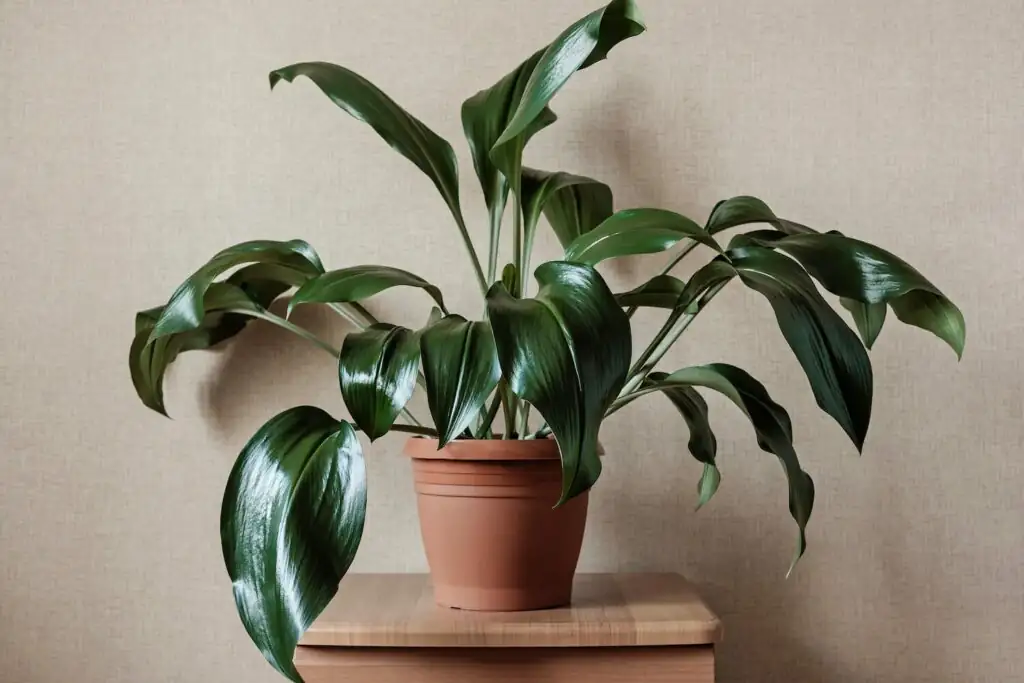
If houseplants had secret alter egos, Aspidistra elatior would be the trench-coat-wearing detective of the shade: unflappable, a little mysterious, and hiding its bell-shaped clues right at ground level. Meet the cast-iron plant—tough as nails on top, delightfully quirky down below.
Meet Aspidistra elatior: the shade superhero
- Common names: Cast-iron plant, Aspidistra, Bar-room plant (Chinese: 一叶兰)
- Native range: Japan (especially the Ryukyu Islands) and Taiwan; now beloved as a houseplant worldwide
- Family: Asparagaceae
- Look and size: Evergreen clumps of long, leathery leaves arising from slow-moving rhizomes; typically about 60 × 60 cm (24 × 24 in) indoors
- Style options: Classic deep green or variegated picks with creamy stripes or speckles
The secret life of its bell-shaped, ground-hugging blooms
Aspidistra’s flowers don’t wave at you from on high—they lurk. Each one is a small, bell-shaped, brownish-purple cup that opens right at the soil surface, often half-hidden by leaf bases or potting mix. They appear sporadically from late winter into spring and are easy to miss even when they’re there.
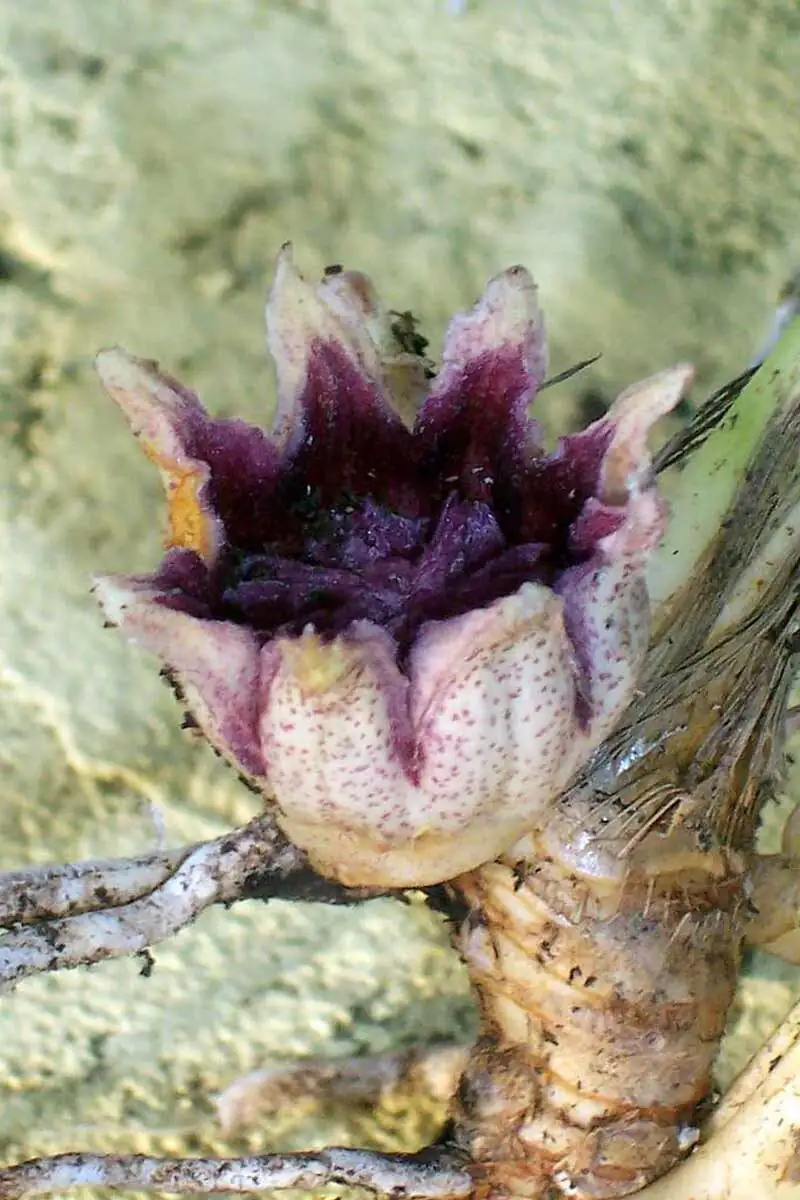
Here’s the fun twist: In its native habitats, research has shown that A. elatior’s unusual, near-ground blossoms are visited by fungus gnats—tiny flies lured by flowers that resemble mushroom caps and may give off a subtle, musky, fungus-forward vibe. The flowers sit where leaf litter and soil scents mingle, playing into the mimicry. It’s an underworld pollination plot worthy of a botanical noir.
Why many indoor owners rarely see flowers
- They hide in plain sight. Blooms open at soil level under a canopy of leaves—blink and you’ve missed them.
- They’re sporadic indoors. Houseplants often flower unpredictably and briefly in late winter to spring.
- Conditions matter. The plant thrives in low light, but slightly brighter, indirect light and a cool winter rest can encourage flowering. Many homes offer comfortable, steady warmth year-round, which is great for foliage growth but may not nudge the plant to make buds.
- Age and patience. Aspidistra grows from slow rhizomes; young or recently divided clumps may focus on leaf-building before attempting flowers.
Note: Those specialized fungus gnats help with pollination in the wild. You don’t need them to see a flower indoors—but their absence, plus tamer household conditions, helps explain why the whole show is easy to miss.
Slow rhizomes, steady wins the race
Aspidistra spreads by chunky rhizomes that creep like cautious turtles. This is a long-game plant:
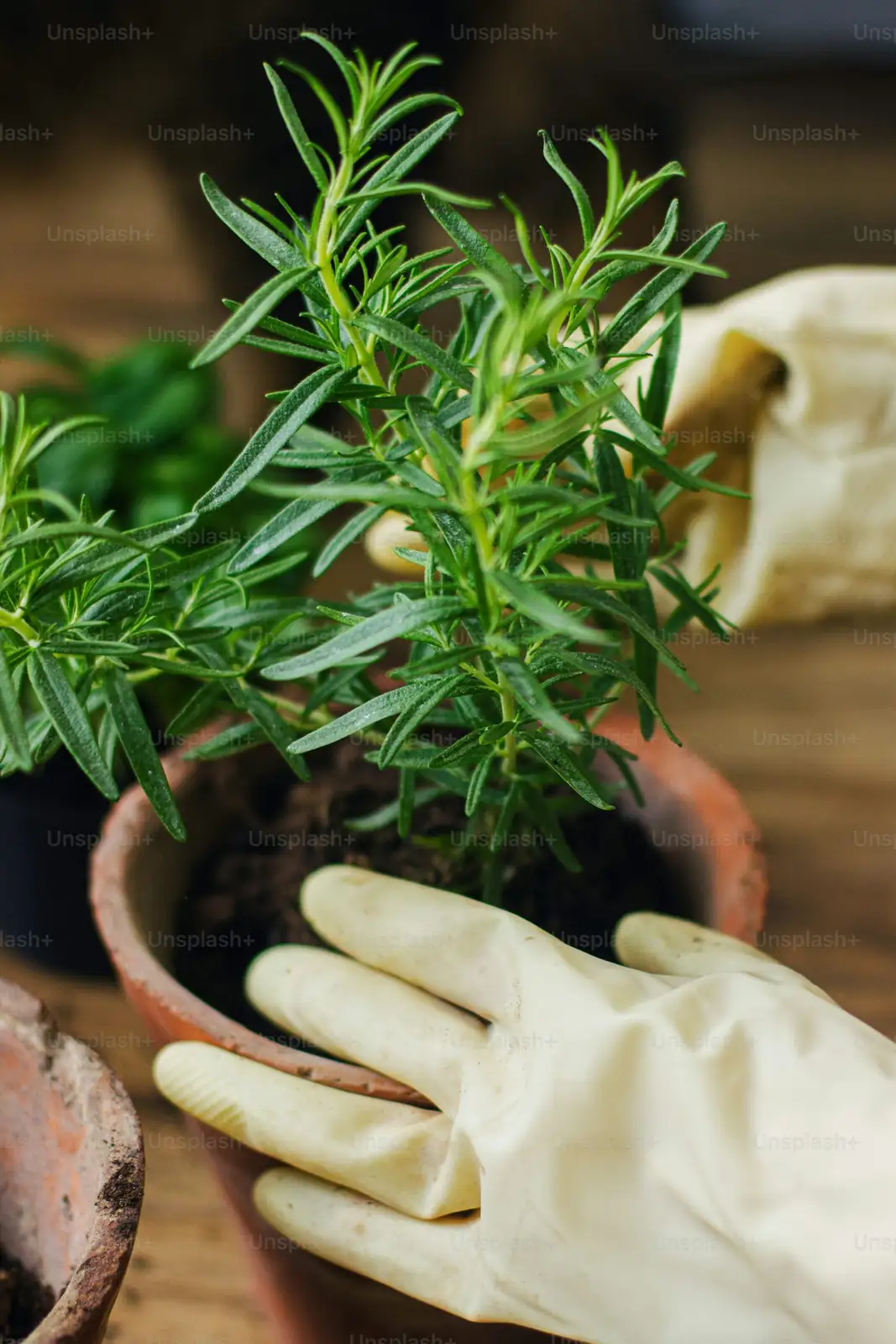
- It prefers life in a modest pot (about 12.5–20 cm / 5–8 in).
- It’s happiest when repotted only every 2–3 years, one size up at most.
- Division is the propagation move: split clumps so each piece carries rhizome and roots, then pot them individually.
- Growth is calm, orderly, and—dare we say—soothing to watch. Expect tidy clumps, not sudden jungles.
Shade superpowers, decoded for indoor care
- Light: Partial to full shade suits it perfectly. Bright, indirect light is fine, but avoid harsh direct sun (those leathery leaves can still scorch).
- Water: Let the surface of the mix dry before watering. In winter, reduce watering. Never leave the pot sitting in water and avoid waterlogging.
- Soil and potting: Use a loose, well-draining mix. A practical blend is 1:1 standard potting soil and a multi-purpose mix, kept airy (add perlite if needed). Choose a pot with good drainage.
- Temperature: Comfortable at 5–20°C (41–68°F). Tolerates cooler spells but protect from hard frost; outdoors it’s generally hardy in USDA Zones 8–11.
- Humidity: Low to average household air is fine—no misting ritual required.
- Feeding: From spring through late summer, feed monthly with a balanced liquid fertilizer at half strength.
- Grooming: Snip yellowed or damaged leaves cleanly at the base.
Bonus for pet parents: It’s commonly regarded as non-toxic to cats, dogs, and people.
If you want to go flower-hunting indoors
Think like a detective and check the scene of the crime—the soil line.
- Offer bright, indirect light (still no harsh sun).
- Give a cool winter rest within its preferred range and water less during that time.
- Keep the crown (where leaves emerge) just above the soil surface; don’t bury it.
- Don’t overpot—slightly snug roots are fine.
- In late winter to spring, gently brush aside leaf litter and scan the soil for those tiny brownish-purple bells.
Even then, be ready for a stealth performance. Many owners never notice the blooms, and that’s okay; the foliage is the headline act.
Pests, problems, and peace of mind
- Generally trouble-free.
- Watch for scale insects, mealybugs, and spider mites in dry rooms.
- The only real nemesis is soggy soil: waterlogging invites root rot. Ensure drainage and let the surface dry between waterings.
Symbolism and story: the folklore of fortitude
In the language of flowers, Aspidistra stands for endurance and resilience—a reputation earned, not assigned. Its heyday in Victorian and early 20th-century interiors (including smoky bars and dim parlors) cemented the “bar-room plant” nickname and a legend: if this plant can keep its poise in neglect and gloom, so can you. Today, that symbolism resonates with anyone curating a calm, low-maintenance green corner that still looks impeccably composed.
Quick-start checklist
- Light: Partial to full shade; bright, indirect is fine; avoid direct sun
- Water: When the surface dries; less in winter; never waterlog
- Soil: Loose, well-draining; airy with perlite if needed
- Pot/repot: 12.5–20 cm (5–8 in) pot; repot every 2–3 years, one size up
- Feed: Monthly at half strength, spring through late summer
- Temperature: 5–20°C (41–68°F); protect from hard frost
- Pets: Commonly regarded as non-toxic
- Expectation-setting: Foliage first, flowers if you’re lucky—and looking at the soil
Aspidistra elatior doesn’t need the spotlight to shine. Give it shade, a sensible watering routine, and time, and it will quietly transform a dim corner into a study in evergreen elegance—bell-shaped secrets and all.