

Imagine a miniature bonfire on your windowsill: tight stacks of leaves that glow green in summer, then blaze orange-red in cool, bright seasons. To keep Crassula capitella ‘Campfire’ compact and rot-free, the secret is a year-round rhythm of soaking and drying paired with truly quick-draining soil. Here’s your practical, season-by-season playbook.
Meet your “Campfire” in brief
- Botanical name: Crassula capitella ‘Campfire’ (aka Campfire Crassula, Campfire Plant, Red Pagoda)
- Family/Genus: Crassulaceae/Crassula
- Habit and size: Low, branching succulent forming dense, upright-to-spreading mats; about 10–30 cm tall and 20–60 cm wide over time
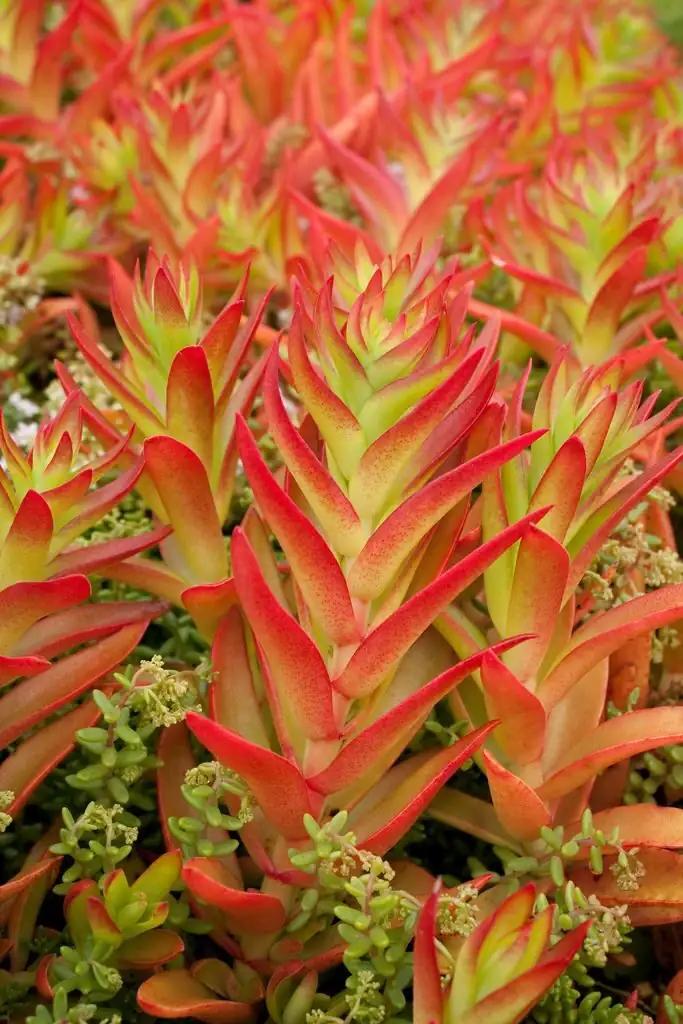
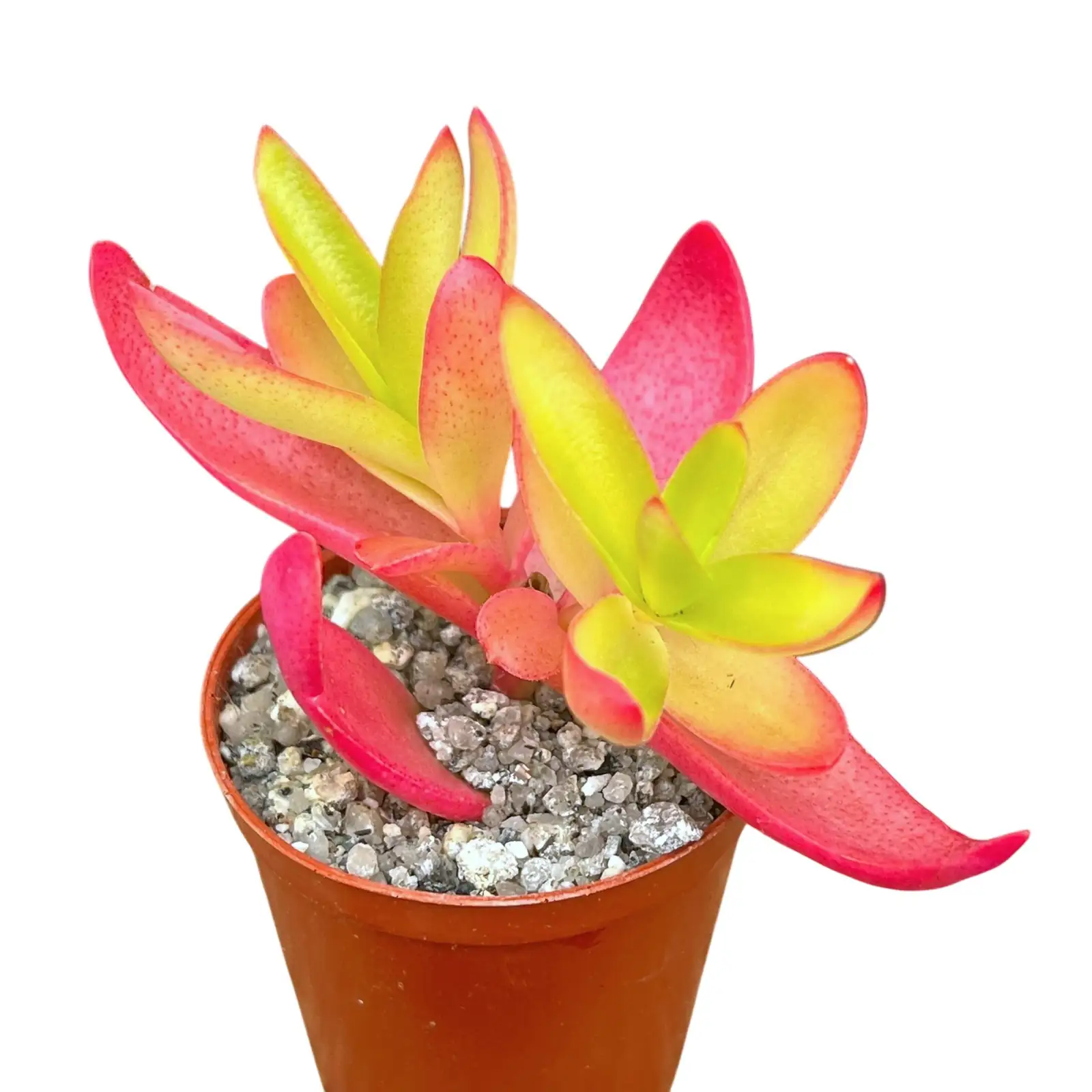
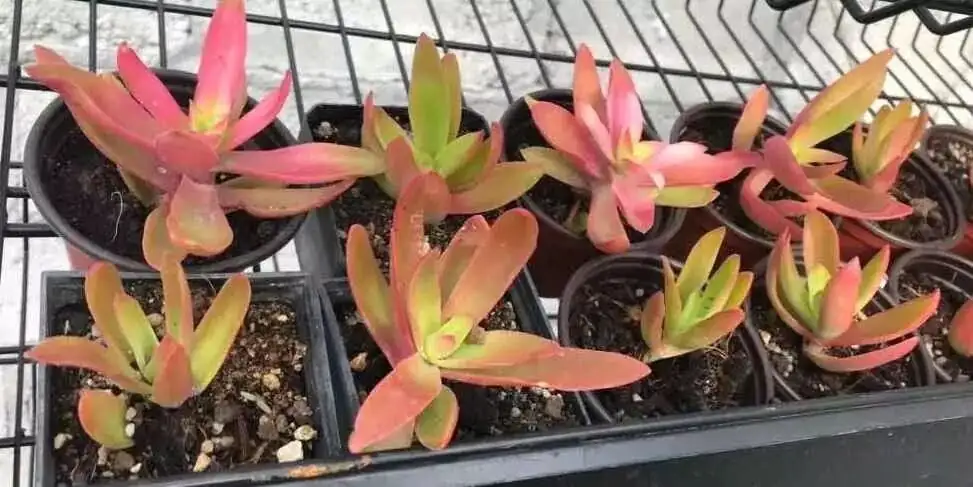
- Color magic: Green in spring–summer; turns orange-red to vivid scarlet with brighter light and cool nights in autumn–winter
- Hardiness: Frost tender (roughly USDA 10–11 outdoors year-round). Indoors, give the brightest window possible
The golden rule: Drench and dry
Think of ‘Campfire’ as a sponge that prefers a full, infrequent soak rather than frequent sips:
1) Water thoroughly until excess drains out the bottom.
2) Then wait—really wait—until the mix is dry through most of the pot before watering again.
This cycle prevents rot, keeps the leaves tightly stacked, and helps maintain that compact, architectural look.
Season-by-season watering plan
Spring (growth wakes up; light intensifies)
- Frequency: Often about once a week, but only if the mix dries quickly.
- Technique: Morning “drench and dry.” Let excess water drain fully; never leave the pot standing in runoff.
- Goal: Steady growth without stretch. Bright light plus proper drying keeps internodes short and rosettes tight.
- Pro tip: Repot in early spring if needed, refresh the gritty mix, and remove dead basal leaves for airflow.
Summer (hot spells; possible semi-rest)
- Frequency: Typically every 2–3 weeks. In heatwaves, many plants slow down—water even less unless the mix is drying fast.
- Light: Acclimate to strong sun gradually; in extreme heat, light afternoon shade can prevent scorch.
- Red flags: Constantly warm, wet soil is rot bait. If nights stay warm and humidity rises, stretch and mush can appear quickly.
- Adjustments: If it’s actively growing and the pot dries in a few days, water sooner; if it’s barely using water, hold back.
Autumn (color season begins; cooler nights)
- Frequency: Light watering when dry—often about weekly in bright, mild conditions.
- Why it works: Brighter light plus a noticeable day–night temperature swing pushes foliage from green to fiery orange-red.
- Flowering: Mature plants may bloom in fall; keep practices conservative and bright to avoid soggy, chilly roots.
Winter (bright, cool, and mostly dry)
- Frequency: Sparing. Keep the mix mostly dry.
- Temperature rule: Keep above 8°C (46°F). If temps near or drop below 5°C (41°F), stop watering entirely until it warms again.
- Light and air: Very bright light and good ventilation are your friends. Damp, dim, and still air is the rot trifecta to avoid.
How to know it’s time to water
- Skewer test: Insert a wooden chopstick deep into the mix. If it comes out cool/damp or with particles sticking, wait.
- Pot weight: Lift the pot after a thorough soak to memorize “heavy.” Water again only when it feels surprisingly light.
- Leaf feel: Mildly soft or faintly wrinkled leaves can signal thirst; black, soft leaves signal rot—stop watering and improve drainage/airflow.
Drainage that defends against rot
Pot and setup
- Always use a pot with drainage holes. Avoid cachepots that trap runoff unless you empty them immediately.
- Size modestly: A snug 10–12 cm pot is perfect for small plants; too-large pots dry unevenly and risk rot.
- Elevate: Pot feet or a trivet improve airflow under the container. Never leave the saucer wet.
Mix that drains fast
- Goal: A very free-draining succulent blend with lots of mineral grit.
- Practical recipe options:
- 1 part quality, peat-free potting mix + 1–2 parts coarse mineral aggregate (perlite, pumice, or 3–5 mm grit/sand)
- Or use a commercial cactus/succulent mix and further cut it with extra perlite/pumice for faster drying
- Quick test: Water a fresh pot and time the drain—water should exit within seconds, not minutes. The surface should not stay glossy-wet for long.
Watering technique that keeps leaves crisp
- Water the soil, not the foliage, especially in cool or humid weather.
- Flush fully to saturate, then let it drain out. No half-measures that leave inner pockets dry and outer pockets soggy.
- Water in the morning to let incidental splashes dry quickly.
Light, temperature, and airflow: partners in compact growth
- Light: Bright light to full sun for richest red. Indoors, an east or south-facing window is ideal. Rotate the pot weekly for even stacking.
- Temperature: Best growth around 18–24°C (64–75°F). Cooler, bright autumn–winter boosts the red tones.
- Airflow: Dry air and gentle movement reduce leaf spot and rot. Avoid stuffy corners and persistently damp rooms.
Feeding without stretch
- During active growth, feed about once a month with a low-strength fertilizer that isn’t heavy on nitrogen (balanced to bloom-leaning, such as 15-15-30 at low strength).
- Skip feeding in cold, low-light winter. Overfeeding pushes leggy, loose stacks.
Pruning and repotting to stay tidy
- Spring tidy-up: Remove dead basal leaves and pinch back lanky stems. Tip cuttings (3–6 cm) root in a gritty mix after callusing; keep warm and bright, and they usually root in 2–3 weeks.
- Repot annually in early spring if crowded. Shorten overly long roots and refresh the mineral-rich mix.
Indoors vs. outdoors: small tweaks that matter
- Indoors (bright window): Expect faster drying in heated homes but slower in dim rooms. Prioritize the brightest sill and airflow; avoid misting.
- Outdoors (balcony/patio): Shield from heavy rain; don’t let weather saturate the pot. In extreme heat, provide light afternoon shade after a gradual sun-acclimation.
Troubleshooting quick guide
- Black, soft leaves: Classic rot from excess moisture/poor drainage. Unpot, remove mushy tissue, refresh into a gritty mix, improve light/airflow, and water far less.
- Pale, stretched stems: Too little light or too-frequent watering. Move to brighter conditions and allow full dry-downs.
- Leaf spot/rust in humid, still air: Remove affected leaves, keep the plant drier, improve ventilation; consider an ornamental-labeled fungicide if needed.
- Pests (whitefly/scale): Wipe off, then use insecticidal soap or horticultural oil; repeat as directed.
Symbolism, with a pinch of realism
‘Campfire’ is often linked with a “prosperous home,” passion, and boldness—likely modern associations inspired by its flame-red winter color rather than an ancient floral tradition. The deeper meaning many growers feel is seasonal: a reminder that cooler, leaner months can still be spectacular if you give it light, air, and just enough water.
Your 60-second seasonal script
- Spring: Bright light; drench and dry, often weekly if the mix truly dries fast.
- Summer: Reduce to every 2–3 weeks; even less in heatwaves if growth stalls. Acclimate sun; add light afternoon shade in extreme heat.
- Autumn: Water lightly when dry (often weekly); enjoy the color change as nights cool.
- Winter: Keep very bright, above 8°C; water sparingly. Near/below 5°C? Stop watering until it warms.
Follow this rhythm with a gritty mix and great drainage, and your Campfire Crassula will stay compact, colorful, and gloriously rot-free—like a well-tended ember that burns brighter with every season.