

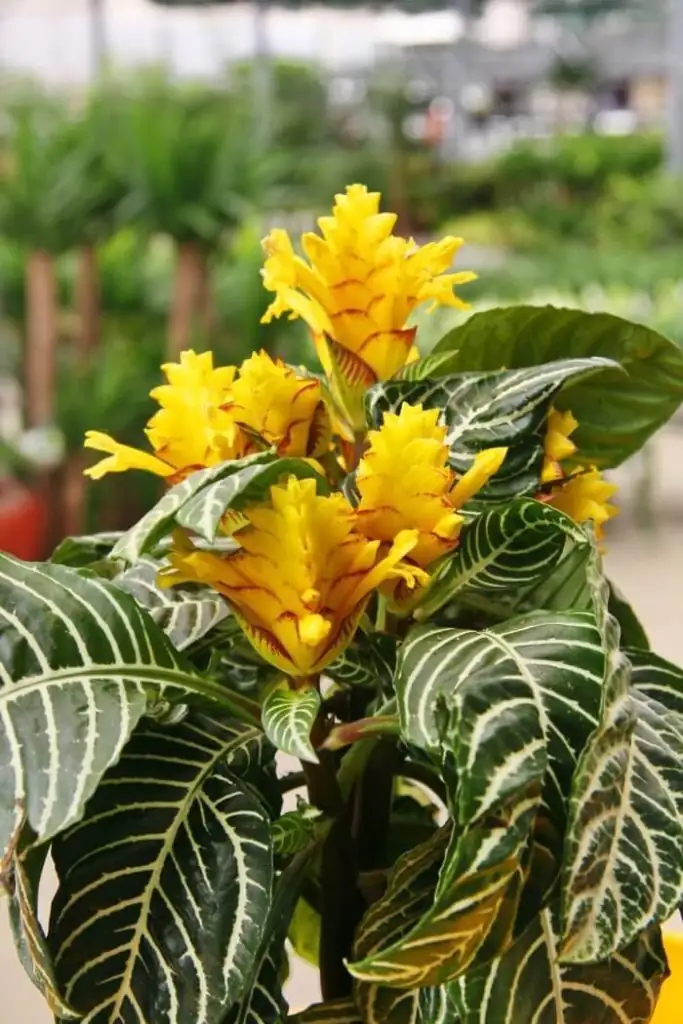
If your Zebra Plant looks runway-ready one week and ragged the next, you’re not alone. Aphelandra squarrosa is a tropical diva with very specific views on water quality and humidity. The good news? Once you demystify tap vs rain vs distilled water, learn to head off salt burn, and tiptoe into semi-hydro the right way, those glossy zebra-striped leaves and golden bracts will reward you for years.
Meet the Zebra Plant (Aphelandra squarrosa)
- Origin: Atlantic Forest of southeastern Brazil
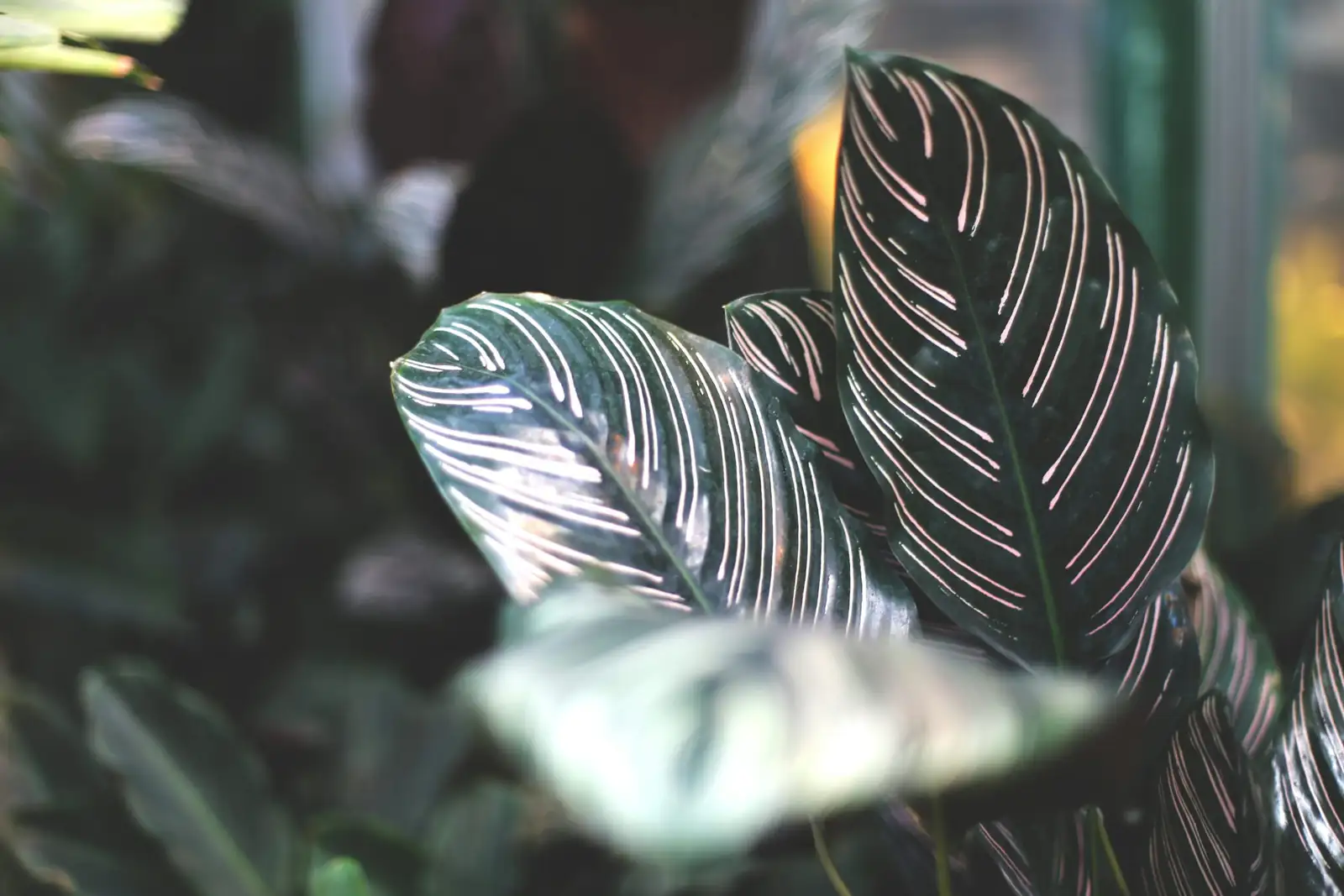
- Look: Glossy deep-green leaves slashed with creamy-white “zebra” veins; upright golden bracts with small orange tubular flowers tucked between them
- Size indoors: Compact, often around 60 × 60 cm (24 × 24 in)
- Bloom time: Late summer to autumn (indoors timing varies with warmth and light)
- Habit: Upright, compact, bushy; responds well to tip pinching and post-bloom pruning
Light, Warmth, Humidity: Set the Stage
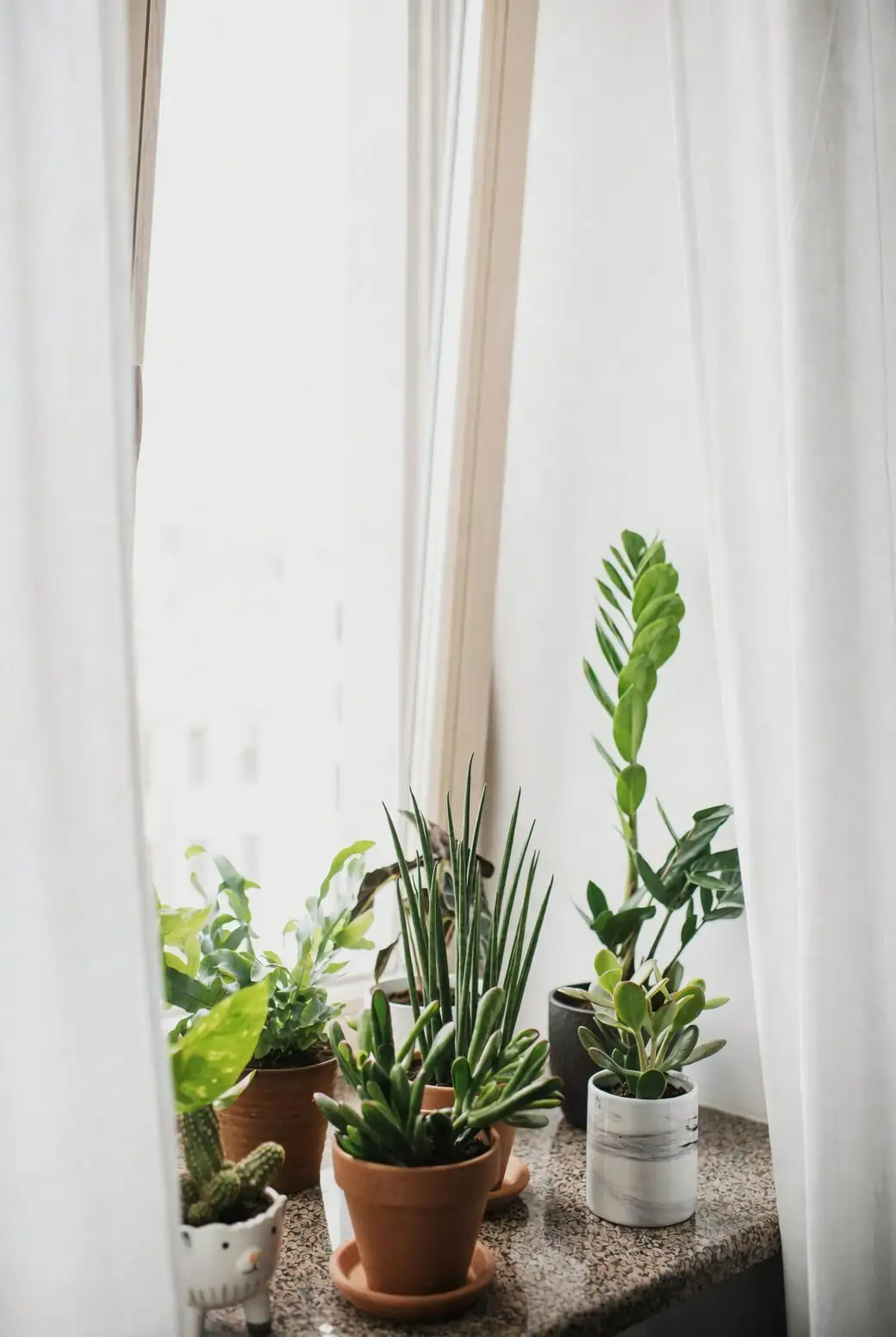
- Light: Bright, indirect light to partial shade. Gentle morning sun is fine; harsh midday sun scorches. Too little light = leggy growth and poor blooms.
- Temperature: Sweet spot is roughly 15–27°C (59–81°F). Buds form more reliably above ~20°C (68°F). Protect from drafts; try to keep winter temps ≥10–13°C (50–55°F).
- Humidity: Aim for 50–60% as a baseline; 60–80% is even better. Use a humidifier, pebble tray, plant grouping, and light misting in dry rooms. Avoid leaving foliage wet late in the day.
Water Quality, Solved: Tap vs Rain vs Distilled
Think of water quality like the background music of care—get it right and everything else feels easier.
What’s the big deal about minerals and disinfectants?
- Dissolved salts (from hard tap water or overfertilizing) can accumulate in the pot, leading to brown, crispy leaf edges and white crust on soil or the pot rim.
- Chlorine and especially chloramine can be tough on roots and the beneficial microbes that support them.
- High alkalinity can nudge pH upward, subtly limiting nutrient uptake.
Tap water
- When it’s fine:
- If your tap is naturally soft to moderately hard, not run through a sodium-based softener, and your plant isn’t showing salt stress, tap can work—especially with regular flushing.
- When to treat or avoid:
- Very hard water, softened water (sodium!), or strong chlorine/chloramine.
- How to improve it:
- Let sit 24 hours to off-gas chlorine (note: chloramine doesn’t dissipate—use a carbon filter or a small “Campden”/metabisulfite tablet to neutralize).
- Mix 50/50 with distilled or rainwater to reduce mineral load.
- Read your municipal water report if available. A cheap TDS meter can help: if you’re regularly over ~200–250 ppm and seeing crispy margins, consider switching or blending water.
Rainwater
- Pros: Naturally low mineral content—great for salt-sensitive foliage like Zebra Plant.
- Cons: Urban pollution and roof contaminants happen. Collect cleanly, store covered, and use promptly.
Distilled (or RO) water
- Pros: Consistently low in minerals; ideal for preventing salt buildup and leaf-edge burn.
- Watch-outs: If you fertilize too little, long-term exclusive use can under-supply calcium/magnesium. A balanced houseplant fertilizer at modest strength solves this.
Quick take: Zebra Plant is salt-sensitive. If you can, use rain or distilled water for routine care and keep fertilizer gentle. If you must use tap, treat it and flush the pot periodically.
Watering Rhythm That Works
- Growing season (spring–autumn): Keep the mix evenly moist, never soggy. Water when the top layer just begins to dry—often about twice per week in warm, bright rooms.
- Winter: Let the surface become nearly dry between waterings (often every 7–14 days), but don’t allow the root ball to fully dry.
- Soil recipe: A rich but free-draining, moisture-retentive mix—think peat or coco base with perlite and fine bark for airflow. Ensure excellent drainage.
- Technique: Water thoroughly until 10–20% drains out; empty saucers. Avoid repeated sips that concentrate salts near the surface.
Salt Burn and Crispy Edges: Prevention and First Aid
Signs and usual suspects
- Brown, crispy leaf margins or tips
- White crust on soil or pot rim
- Slow growth, leaf drop after drought, or after a fertilizer “enthusiasm phase”
Top causes:
- Mineral-heavy or softened tap water
- Fertilizer salts accumulating in the pot
- Irregular moisture (allowing mix to fully dry, then overcorrecting)
- Low humidity or hot, direct sun on leaves
Prevention routine
- Choose better water: rain or distilled when possible; otherwise treat tap and/or dilute it 1:1 with distilled.
- Fertilize lightly: every 2 weeks in spring/summer at half-strength is plenty; reduce or pause in autumn/winter unless the plant is actively growing.
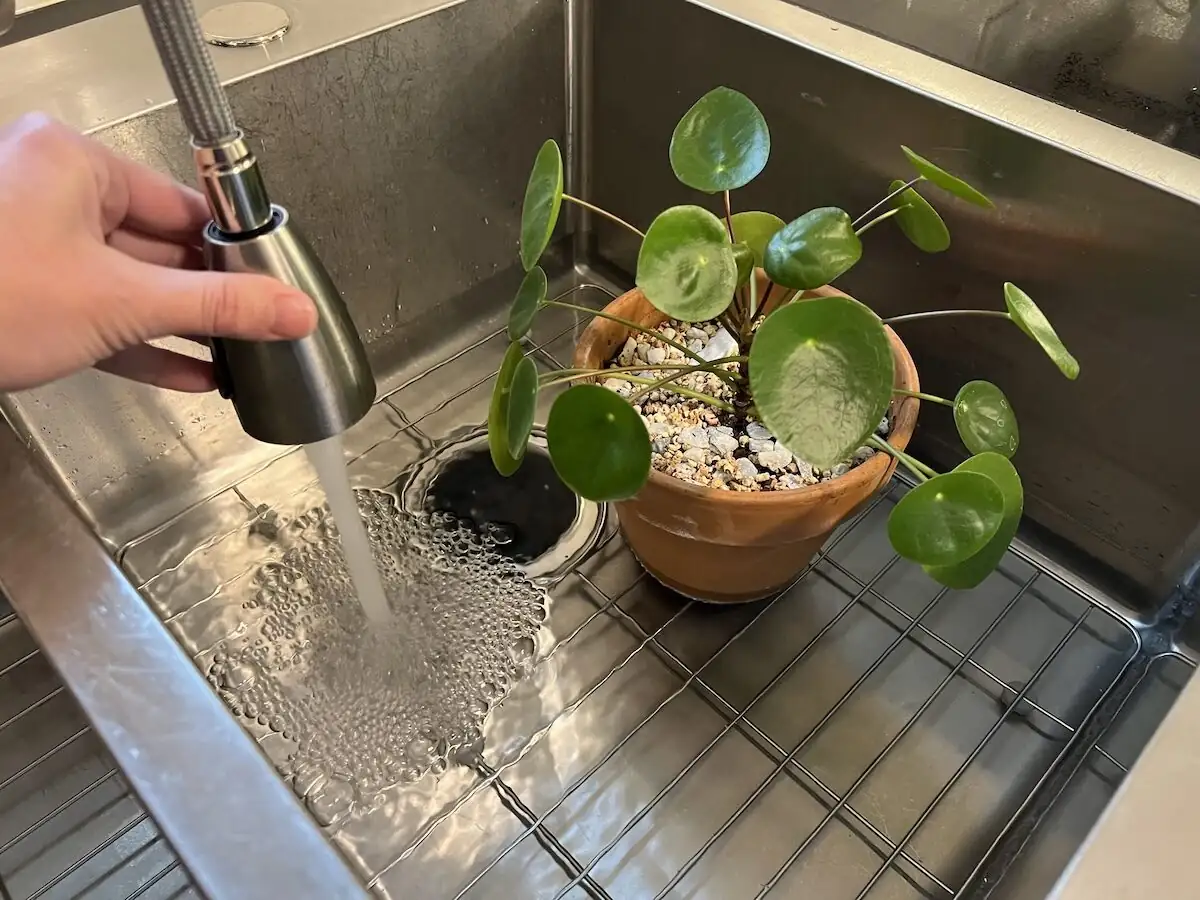
- Monthly leach: Run 2–3x the pot’s volume of low-mineral water through the mix to wash out salts; let it drain completely.
- Right environment: Keep humidity 50–60%+ and avoid midday sun. Maintain steady warmth—no cold drafts.
- Don’t let it bone-dry: Zebra Plant responds to drought with leaf drop and edge crisping.
First aid if edges crisp
- Trim brown margins with clean scissors, following the leaf’s natural shape.
- Leach the pot thoroughly with distilled or rainwater.
- If crusting is severe, repot in fresh mix in spring and reset the watering/fertilizer routine.
- Watch new growth. If it emerges clean, you’ve solved the root cause.
Semi-Hydro, but Safely: A Beginner-Friendly Path
Zebra Plant generally performs best in a moisture-retentive, airy mix—but careful growers do experiment with semi-hydro. Success hinges on warmth, clean water, bright filtered light, and nutrient restraint.
Who should try it?
- Tinkerers who can keep temperatures warm and stable, refresh reservoirs regularly, and monitor water quality.
- Best done in spring/summer when the plant is actively growing.
Easiest on-ramp: Root a cutting in semi-hydro
Starting fresh helps the plant grow roots that are “designed” for constant moisture.
1) Materials
- Pre-soaked, rinsed LECA (or similar inert media), net pot, opaque reservoir with a fill line
- Distilled/rain/RO water, gentle balanced hydro or houseplant nutrient
- Optional: pH and TDS meters
2) Prepare the medium
- Rinse LECA until water runs clear; soak overnight and rinse again.
3) Take the cutting
- 8–15 cm (3–6 in) stem tip with 2–3 nodes; remove lower leaves.
- Plant the cutting snugly into the LECA; keep one node just below the media surface.
4) Reservoir setup
- Fill to 1–2 cm below the net pot’s base so capillary action wicks moisture up, but the cutting isn’t sitting in stagnant water.
5) Water quality and feed
- Use low-mineral water; begin with 1/8–1/4 strength nutrient.
- For those who test: aim pH roughly 5.5–6.5; keep TDS low for cuttings.
6) Climate
- Bright, indirect light; 25–27°C (77–81°F) is fantastic for rooting.
- Humidity 60–80% speeds success. A clear cover or propagator works—vent daily.
7) Maintenance
- Refresh the reservoir weekly; rinse LECA monthly to prevent biofilm and mineral creep.
- Increase nutrient strength slowly once roots thicken.
8) Watch-fors
- Cold, stagnant water invites root problems.
- Yellowing or tip burn? Dial nutrients back and refresh with clean water.
- Wilting without dryness usually signals root stress—change the water, keep warm, and reduce light intensity slightly until perked up.
Converting an established plant (advanced, do in spring)
- Choose a healthy, actively growing plant.
- Unpot carefully, tease away all soil with lukewarm water.
- Trim only mushy or dead roots; keep as much healthy root as possible.
- Move into LECA with a shallow reservoir as above; use warm, bright, indirect light and high humidity.
- Start with very dilute nutrients and refresh weekly. Expect a short adaptation pause.
Everyday Care Cheatsheet
- Repotting: Annually in spring into fresh mix; don’t oversize the pot.
- Pruning: After blooming, remove spent spikes and cut stems back to above the lower leaves to encourage branching. Pinch tips to keep it compact.
- Feeding: Spring–summer every 2 weeks, gentle strength. Autumn–winter reduce or pause unless the plant keeps growing.
- Placement: A bright, warm, humid bathroom or kitchen is ideal; east windows are wonderful. In winter, move to the brightest warm spot, set back from cold glass.
Season-by-Season Mini Calendar
- Spring: Repot; resume steady watering; start feeding; take cuttings; pinch for bushiness.
- Summer: Bright filtered light; keep evenly moist; boost humidity; feed every 2 weeks; monitor for spider mites in dry spells.
- Autumn: Enjoy peak bracts/blooms; reduce feeding as growth slows; maintain moisture.
- Winter: Brightest, draft-free spot; water when the surface is nearly dry (often 7–14 days); keep humidity up; feed lightly only if actively growing.
Pests, Diseases, and Safety
- Pests: Spider mites (in dry air), mealybugs, scale, aphids, occasional thrips. Treat early with insecticidal soap or horticultural oil; improve humidity and airflow.
- Diseases: Root rot from overwatering; leaf spot in stagnant, overly wet conditions. Water the soil, not the foliage late in the day; ensure strong drainage.
- Toxicity: Not widely listed as seriously toxic to pets, but any plant can cause mild stomach upset if chewed. Sap may irritate sensitive skin.
Flower Language and Symbolism
Zebra Plant is often linked with boldness and vibrant energy—its high-contrast leaves and golden bracts look confident and dramatic. Unlike the codified “flower language” traditions of some cultures, any meaning here is modern and visual: the zebra-striping suggests confidence and clarity; the gleaming bracts read as celebration. If you’re gifting one, it’s a striking way to say, “Be brave. Be bright.”
Quick Troubleshooting
- Leaf drop after a dry spell? Keep evenly moist; raise humidity to 50–60%+; avoid drafts.
- Brown edges despite careful watering? Switch to rain/distilled; leach the pot; halve fertilizer strength; check for harsh sun.
- No blooms? Provide brighter filtered light and keep temps consistently above ~20°C (68°F) during the growing season.
Bottom line: Give Aphelandra squarrosa clean, gentle water, steady moisture, high humidity, and warm, bright-but-filtered light. Prevent salt buildup with light feeding and regular leaching—or go all-in with rain or distilled. If you’re curious about semi-hydro, start small with a cutting in warm, immaculate conditions. Crack that code, and those famous zebra stripes and golden spires will put on the show they’re known for.