

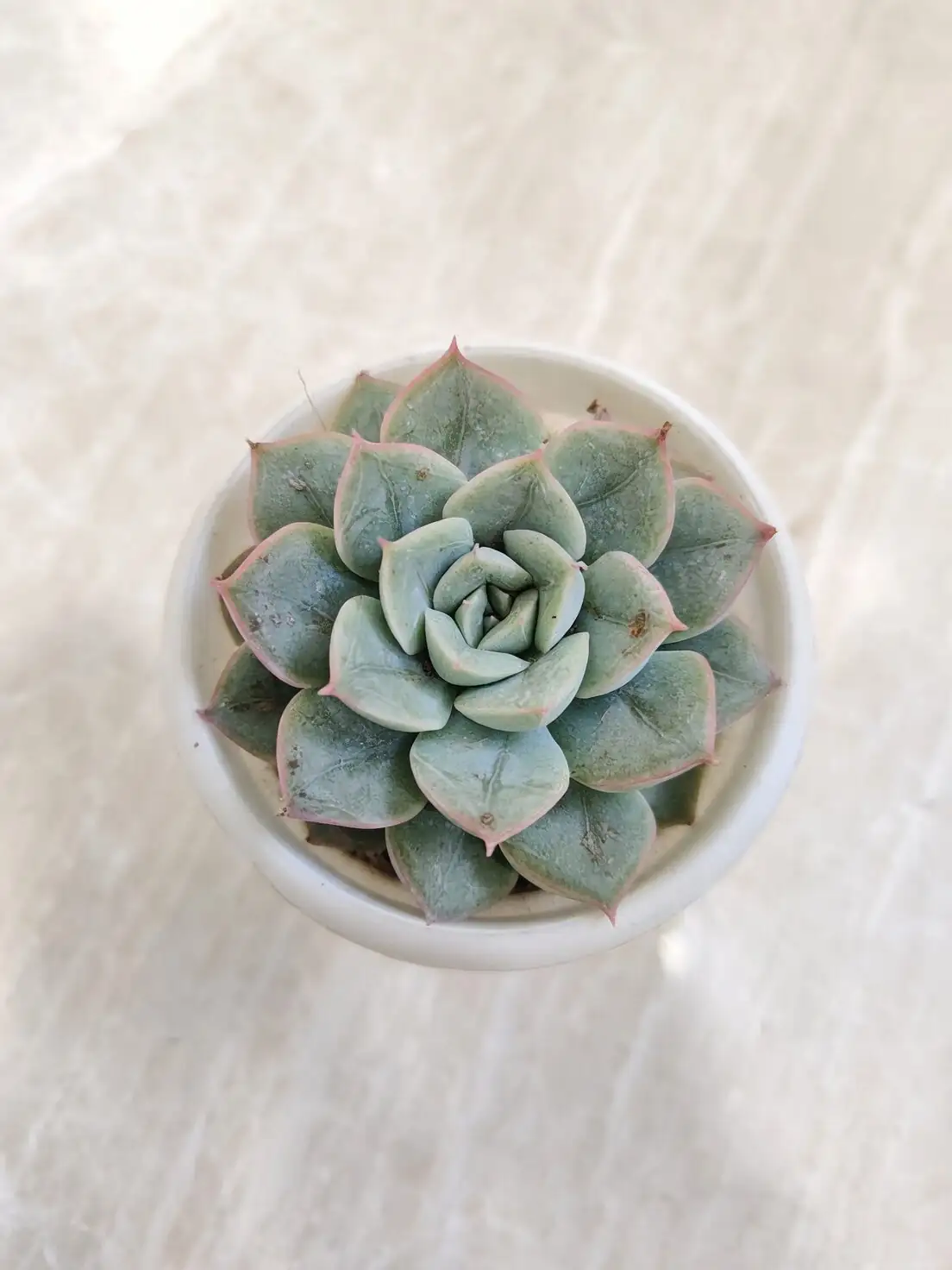
Meet Mexican Snowball (Echeveria elegans), the compact, powder-dusted rosette that rewards precision with sculptural perfection. If you’ve ever watched a tight lotus suddenly loosen, flatten, or stretch, this guide is your course-correct: practical, seasonal moves to keep those leaves hugging the center and the colors frosty and refined.
What to expect here: exact soak-and-dry rhythms by season, daily light targets, heat and frost limits, airflow that really matters, and a gritty, root‑happy mix you can build by the scoop.
Quick ID and the “tight rosette” formula
- Botanical: Echeveria elegans (aka Mexican Snowball, White Mexican Rose), Crassulaceae, native to semi-arid Mexico
- Looks: tidy blue‑green to powdery blue‑gray rosettes with a natural, chalky farina—don’t rub it off
- Habit: compact rosette, offsets into a small clump; flower stalks in late spring–summer with coral‑pink outside, yellow inside
- Tight rosette formula:
- Light: 4–6+ hours of bright sun (or strong grow lights) daily
- Water: deep soak, then bone‑dry; no sips, no “always moist”
- Air: dry, moving air; zero stagnation
- Soil: gritty, fast‑draining, mostly mineral
- Temperature: warm days, cool nights; protect from frost
Light that locks in the rosette
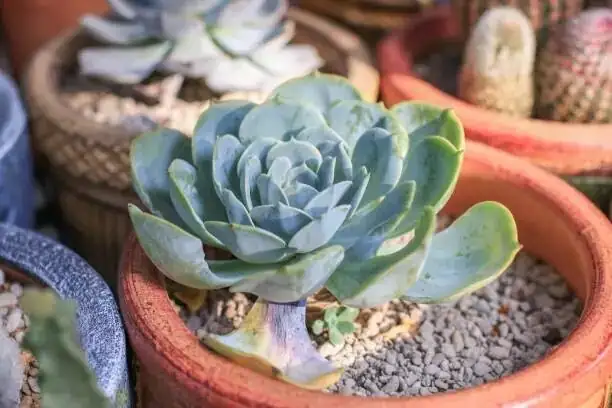
- Daily target: 4–6+ hours of direct sun for best color and compact growth.
- Indoors: a bright south or east window; west windows work if afternoons aren’t scorching. Under LEDs, aim for strong, consistent light 12–14 hours/day.
- Heat caution: in very hot climates, filter harsh midday/late afternoon sun (sheer curtain or 30% shade cloth).
- Acclimate: after you bring a new plant home, give it a few days behind a sheer curtain before full sun to prevent scorch.
- Rotate the pot weekly so the rosette stays centered and symmetrical.
Signs it needs more light: rosette opens and flattens, leaves elongate, color dulls, and growth leans.
Temperature, heat, and frost limits
- Best growth: roughly 15–27°C (59–81°F), sweet spot near 18–25°C (64–77°F).
- Summer strategy: during heat spikes, give light afternoon shade and boost airflow; avoid baking, stagnant patios.
- Cold caution: protect from frost. For safer overwintering, keep above about 5–10°C (41–50°F), especially if the mix isn’t bone‑dry.
- Hardiness: generally suited to USDA Zone 9–11 with shelter from cold and rain; cold + wet is the worst combo.
The soak‑and‑dry cadence by season
Golden rule: water thoroughly, then wait until the mix is fully dry from top to bottom before the next soak. Never pour water into the rosette.
- Spring–Summer (active growth, bright light)
- Typical cadence: every 7–14 days.
- Adjust for heat, pot size, and airflow: smaller pots, gritty mix, and wind = faster dry‑downs.
- Autumn (cooling, light declines)
- Typical cadence: about every 2–3 weeks if still actively growing.
- Winter (rest, bright but cool/dry)
- Typical cadence: every 3–5+ weeks indoors; if kept cool and bright, as little as 1–2 waterings for the entire winter.
How to nail timing:
- Use a wooden skewer or chopstick: insert deep, pull out; if it’s bone‑dry, water. If even slightly damp, wait.
- Lift test: the pot should feel distinctly lighter when dry.
- Leaves speak: slightly flexible, not mushy, not wrinkled. Wrinkles plus light weight usually mean it’s time.
Watering technique:
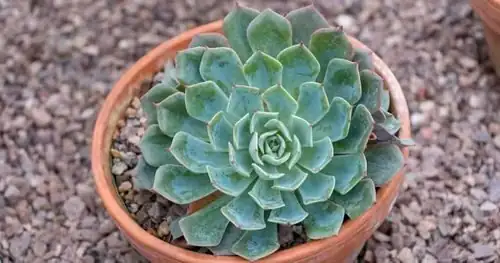
- Water the soil surface around the perimeter; avoid the crown.
- If the rosette gets wet, tilt and drain immediately; a bulb blower helps.
- Skip saucers filled with water; let excess drain freely.
Airflow hacks that prevent rot (and keep pests at bay)
- Space rosettes so leaves don’t touch neighbors.
- Elevate on open‑mesh or slatted shelves; use pot feet outdoors.
- Run a gentle oscillating fan for 1–2 hours/day indoors, especially after watering.
- Avoid humidity trays and closed terrariums. Dry air + moving air is your friend.
- After rain, shake off water from leaves; morning sun plus light breeze dries crowns quickly.
- Keep older, dried lower leaves cleared from the base—pests love those hideouts.
If you must raise local humidity in extreme heat, mist the air around (not into) the rosette, and increase airflow.
The exact gritty mix for happy roots
Your goal is fast drainage with just enough organic matter to buffer moisture and nutrients—think 70–85% mineral.
By volume:
- 2 parts pumice (3–6 mm)
- 1 part lava rock or coarse perlite (3–6 mm)
- 1 part coarse granite grit or coarse sand (2–4 mm; washed)
- 1 part lean organic base (screened cactus mix, leaf mold, or coco coir—not peat‑heavy)
Optional: 5% horticultural charcoal to sweeten the mix.
Pro tips:
- Sift out fine dust so it doesn’t clog air spaces.
- Always use a pot with drainage holes; unglazed terracotta breathes and speeds dry‑downs.
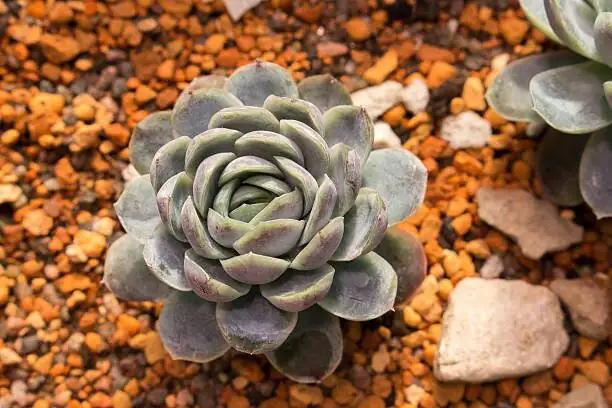
- Top‑dress with 5–8 mm gravel—keeps the crown drier and farina cleaner.
- Repot every 1–2 years (ideally early spring) into fresh gritty mix; after repotting, let roots callus/dry 1–2 days before watering.
Typical container progression: nursery starts in ~8 cm (3 in) pots, then step up to 12–15 cm (4.7–5.9 in) as they fill out.
Feeding, flowering, and grooming
- Feeding: during active growth (spring–summer), use a dilute cactus/succulent fertilizer about every 4–8 weeks at ~1/4 strength. Skip feeding in winter. Avoid splashing fertilizer on leaves.
- Bloom: late spring into summer, look for slender stalks with nodding, coral‑pink flowers edged with yellow—don’t be shy about staking if they lean.
- Grooming:
- Pluck away dried lower leaves (great pest prevention).
- Clip spent flower stalks to refocus energy into the rosette.
- Leggy plant? Behead, let the cut callus, and reroot the rosette in gritty mix.
- Farina care: handle by the pot or very base. Fingerprints on farina are permanent.
Your seasonal playbook
- Spring
- Increase light gradually; resume regular watering as growth starts.
- Repot and refresh gritty mix; propagate offsets; start light feeding.
- Summer
- Provide light afternoon shade in heat; shelter from heavy rain.
- Water only after full dry‑down; enjoy blooms.
- Autumn
- Reduce watering interval as nights cool; excellent window for propagation.
- Keep bright light to prevent stretching.
- Winter
- Brightest spot possible with strong airflow; keep on the dry side.
- Protect from frost and avoid cold, wet soil.
Troubleshooting a tight rosette
- Rosette stretching/opening
- Cause: low light (often with frequent watering).
- Fix: increase direct sun hours or strengthen grow light; lengthen dry‑downs; rotate weekly.
- Lower leaves turning translucent/mushy
- Cause: overwatering or water‑retentive soil.
- Fix: let the mix dry completely, switch to gritty mineral soil, ensure drainage, and keep water out of the rosette.
- Sunburn (tan or crisp patches)
- Cause: sudden, intense sun or heat reflection.
- Fix: acclimate gradually; provide light afternoon shade in heat waves; maintain airflow.
- Mealybugs and friends
- Look in leaf axils and under older leaves. Treat with isopropyl alcohol swabs or insecticidal soap; isolate affected plants and improve airflow.
- Fungal leaf spots/rust
- Improve culture first: brighter light, drier crowns, faster drainage, and better air. Use labeled fungicides if needed and permitted locally.
Propagation that’s almost too easy
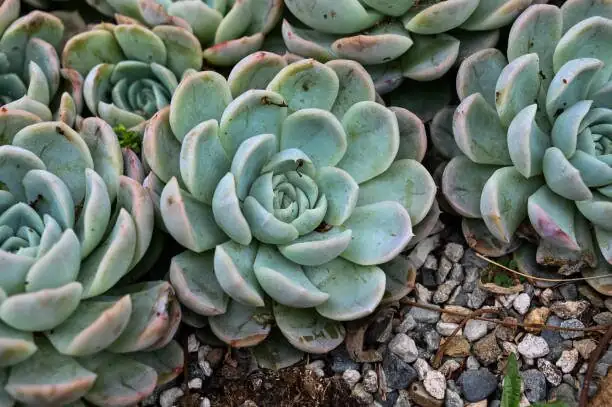
- Offsets: wait until pups have roots; separate and pot into the same gritty mix.
- Leaves: remove a clean, whole leaf; let it callus for several days; lay on dry gritty mix and mist sparingly until roots/pups form.
- Rosette/stem cuttings: callus, then root in a well‑aerated mineral medium.
- Timing: reliable nearly year‑round in warmth and light; late summer to early autumn is especially dependable.
Safety, symbolism, and a final nudge
- Safety: generally considered low‑toxicity to people and pets, but nibbling can cause mild stomach upset—display out of reach.
- Symbolism: often linked with resilience and enduring love—fitting for a plant that holds its form through dry spells and keeps giving through new offsets and repeat blooms.
One last pro move: treat water like a weather event, not a routine—deep, occasional “storms,” then clear skies. Pair that with bright light and gritty footing, and your Mexican Snowball will stay buttoned‑up, powder‑fresh, and perfectly poised all year.