

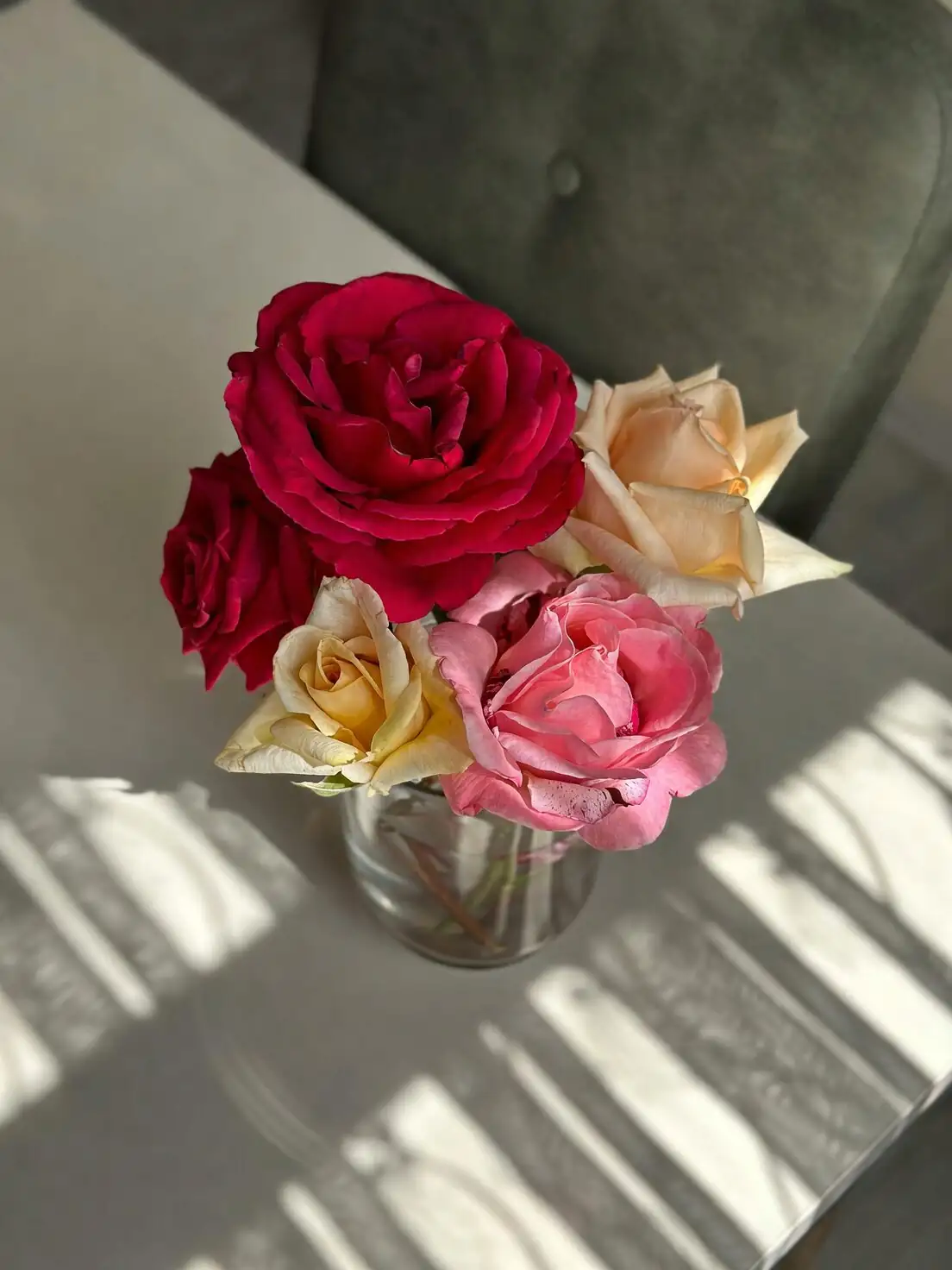
Ever wish your Chinese rose stems would keep that just-picked glow for a whole week? With Rosa chinensis, timing and tidy technique are everything. Read the bloom, cut at the right moment, keep your tools and vessels spotless, then condition like a pro. Do these well and your bouquets can hold beautifully for 5–10 days.
H2: Read the bloom: harvest-stage cues that add days to vase life
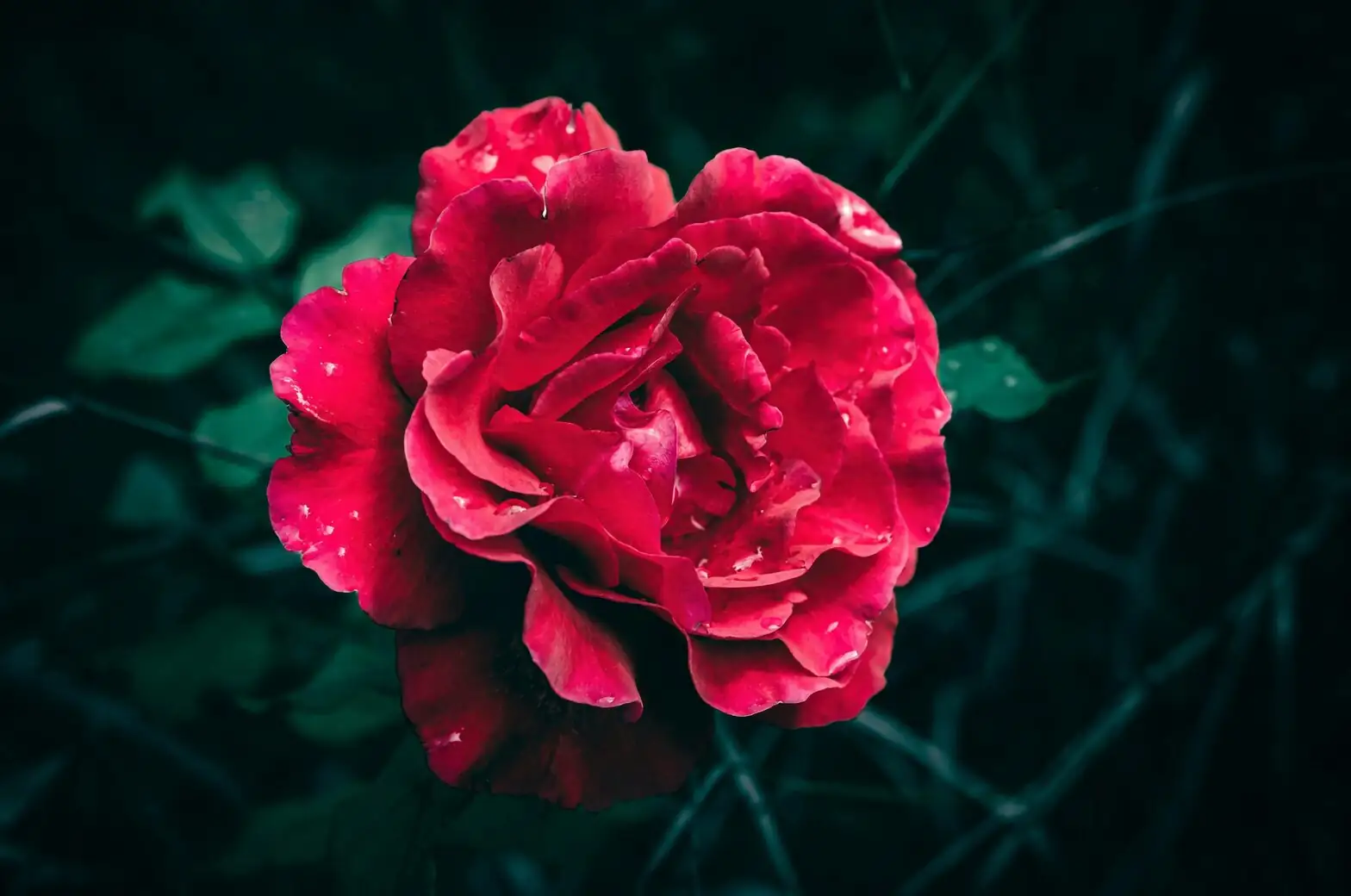
The single best predictor of vase life is the stage you cut.
- The golden cue: reflexed sepals. Look for the green sepals to fold back from the bud. This signals the bloom is mature enough to open in water without stalling.
- Loosening outer petals. The outer ring should be just beginning to relax—not flared open, not tight like a bullet.
- Color check. If you can see stamens or pollen, it’s too open for longevity. For many red and pink cultivars of Chinese rose, reflexed sepals + barely loosening petals is the sweet spot.
- Fast openers need earlier cuts. Some pale/yellow or lightly petaled roses open quickly; take them a hair earlier—when sepals are starting to separate and petals are still tight.
Pro tip: Harvest early morning when stems are cool and fully turgid. Very late afternoon can work in a pinch—avoid cutting during hot midday hours, which can shorten vase life.
H2: Tools and sanitation: start clean, stay clean
Bacteria is the invisible enemy of vase life. Start and stay clean to prevent “bent neck” and blocked stems.
- Must-haves
- Bypass pruners or snips (sharp, not crushing)
- Gauntlet gloves (prickles happen)
- Clean bucket or vase
- Floral food or hydrator (optional but effective)
- Thorn stripper (optional; use gently)
- Sanitize quickly and safely
- Wash buckets, vases, and tools with hot, soapy water.
- Or use a simple water-and-bleach rinse (common home ratio: 1 tablespoon unscented bleach per gallon/3.8 L). Rinse well.
- Never mix bleach with ammonia- or acid-based cleaners. Keep it simple to avoid toxic fumes.
- Field hygiene
- Harvest only what you can get into water within about 30 minutes.
- If you’re cutting longer, keep stems cool and shaded—or park them in a clean, produce-free refrigerator until you can process them.
H2: The cut itself: technique that protects the plant and the stem
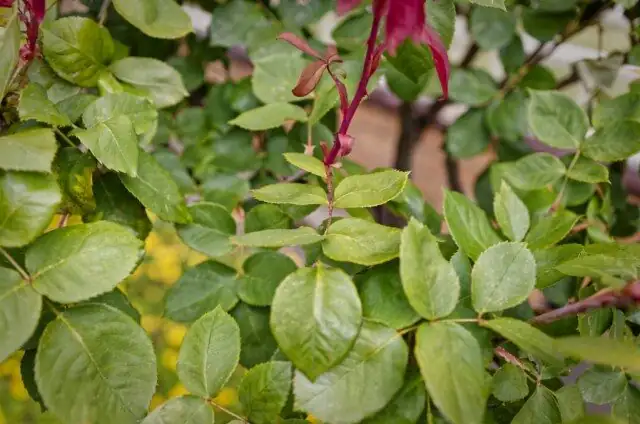
- Where to cut on the plant
- Make a clean snip just above a strong leaf, often a five-leaflet leaf. This encourages a vigorous new shoot.
- Leave enough foliage on the plant to fuel the next flush; avoid stripping it bare.
- Stem handling
- Avoid crushing: use sharp bypass pruners, not anvil cutters.
- Remove leaves that would sit below the waterline (decaying foliage fuels bacteria).
- If you strip thorns, do it lightly—deep scraping wounds the stem and can reduce water uptake.
H2: Conditioning: the quiet hours that make bouquets last
Think of conditioning as a spa treatment for stems. Give them time to drink and reset before arranging.
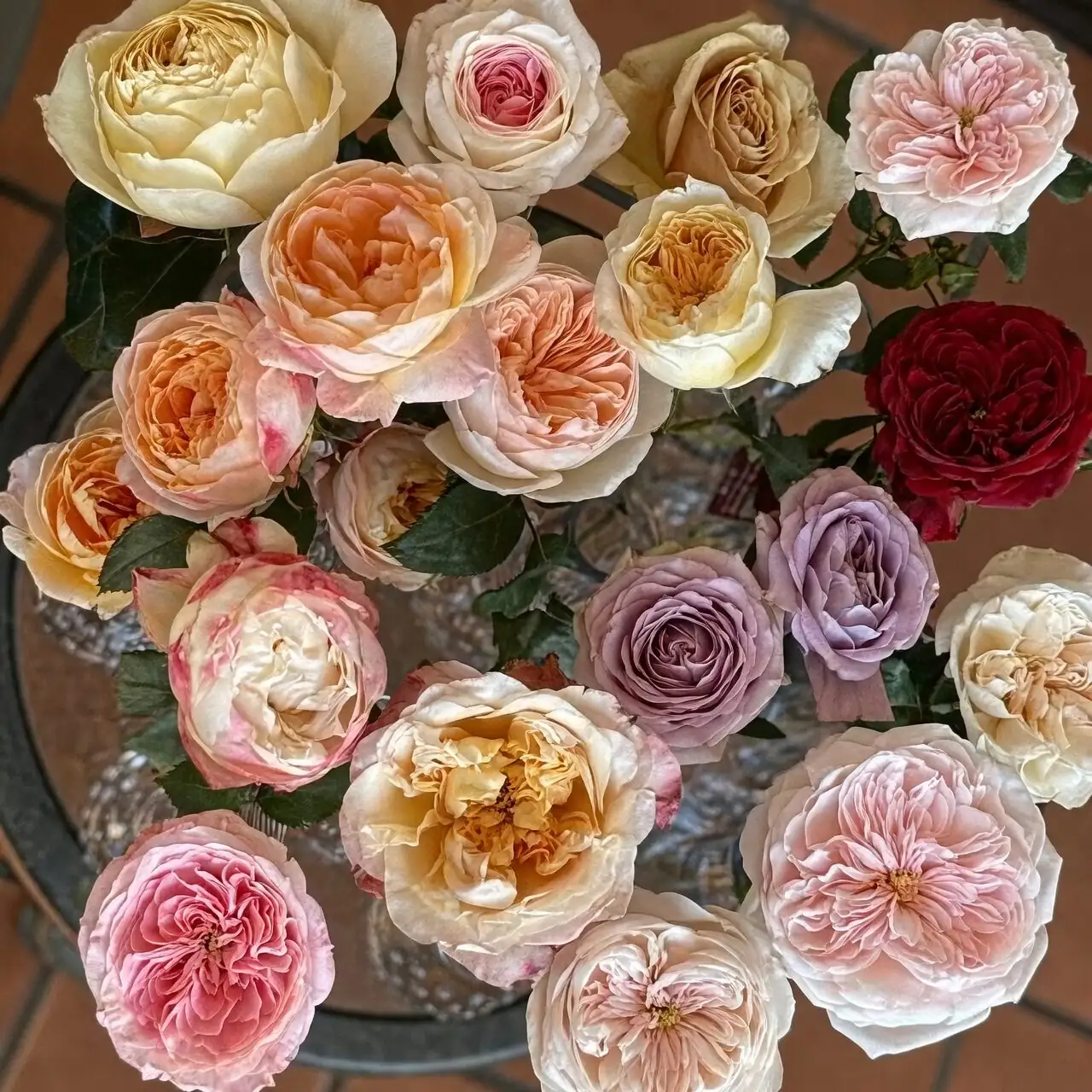
- Right after harvest
- Recut stems at a 45° angle (re-open the waterway).
- Place stems into clean, cool water immediately. Add floral food or a hydrator if you have it.
- Keep them in a cool, dim spot (or a clean refrigerator without fruit).
- How long to hydrate
- Minimum: 4 hours.
- Ideal: 12–24 hours. This deep hydration helps prevent “bent neck” and supports full opening.
- Water tips that help
- Use room-temperature to cool water (not hot). Replace with fresh solution if it clouds.
- Leave guard petals on during conditioning; peel any bruised guards right before arranging.
H3: DIY or commercial solutions?
- Best: Commercial flower food. It balances sugars, acidity, and a biocide for clear water and steady opening.
- Simple DIY (when flower food isn’t available)
- Change water daily and keep everything clean.
- If needed, you can use a tiny amount of unscented bleach (about 1/4 teaspoon per gallon/3.8 L) to suppress bacteria—do not combine bleach with vinegar, lemon, or ammonia. If you prefer to skip bleach, rely on super-clean containers, frequent water changes, and cool conditions.
H2: Arranging and display: set the scene for longevity

Small placement choices can add days.
- Light and temperature
- Bright, indirect light is perfect. Avoid direct sun on the vase.
- Keep cool—away from heaters, stoves, or the top of radiators.
- Avoid drafts and hot windowsills.
- Ethylene control (silent spoiler)
- Keep roses far from ripening fruit (bananas, apples), cigarette smoke, and car exhaust. These release ethylene, which speeds aging.
- Vase care
- Use a squeaky-clean vase.
- Top off water daily and change it every 1–2 days.
- Recut 0.5–1 cm (¼–⅜ in) from stems every couple of days to keep vessels clear.
- Remove any failing blooms promptly to keep the rest fresher.
- Styling smarts
- Give each bloom breathing room; crowded heads trap humidity and can invite Botrytis (gray mold).
- Avoid misting petals; moisture on petals encourages spotting and mold.
- For statement stems, allow cup-shaped Chinese rose blooms to open gradually in the arrangement—cut slightly tighter and condition well.
H2: Troubleshooting common cut-rose issues
- Bent neck (head droops within a day)
- Likely cause: embolism or bacteria blocking uptake.
- Fix: Strip foliage below waterline, recut stems under water if possible, place in deep clean water in a cool dim area for several hours. Refresh solution and keep cool.
- Cloudy water or odor
- Cause: bacteria bloom.
- Fix: Thorough scrub of vase/bucket, fresh solution, remove submerged leaves, recut stems.
- Petal browning/spotting
- Cause: bruising, Botrytis, or sun/heat exposure.
- Fix: Peel only damaged guard petals, improve airflow around the arrangement, keep out of sun and heat, avoid misting petals.
H2: Growing for better stems (because vase life starts in the garden)
Great cut roses begin with healthy plants.
- Sun and airflow
- Give your Chinese roses full sun (aim for 6–8+ hours) and good ventilation. This boosts flowering and reduces black spot/powdery mildew.
- Water and feed
- Water deeply and consistently; let the top 2–3 cm of soil dry slightly between waterings. Feed every couple of weeks during active growth with a balanced rose fertilizer; supplement with bloom-leaning feeds in flowering waves.
- Prune for power
- Deadhead after each flush, cutting back to just above a strong leaf. Seasonal pruning in late winter to early spring encourages sturdy, flower-ready shoots.
- Heat and scorch
- In very hot spells, light afternoon shade helps protect petals and keeps colors truer on the plant—handy when you’re timing that perfect cut.
H2: Quick-cut checklist
- Sepals reflexed, outer petals just loosening
- Early morning harvest when cool and hydrated
- Sharp, sanitized pruners; clean bucket or vase
- Strip leaves below waterline; avoid deep thorn scraping
- Recut and condition 4–24 hours in cool, dim space with clean water and flower food
- Display in bright, indirect light; keep cool, away from fruit and heat
- Refresh water and recut stems every 1–2 days
H2: A brief note on symbolism (why these blooms feel timeless)
Chinese roses are icons of love, beauty, and appreciation, but they also carry a lovely idea of renewal—Rosa chinensis is famous for blooming again and again through the season. That repeat flowering is why they’ve come to suggest enduring affection and fresh starts. Color meanings vary by culture and trend, so think less “fixed code” and more “personal message”: choose hues that fit the moment and the recipient. After all, the longest-lasting bouquet is the one that feels thoughtfully timed—from the garden cut to the finishing ribbon.
Bring these cues and routines into your harvest, and your Rosa chinensis will repay you with bouquets that open gracefully and linger—like a favorite story you’re happy to reread all week.