

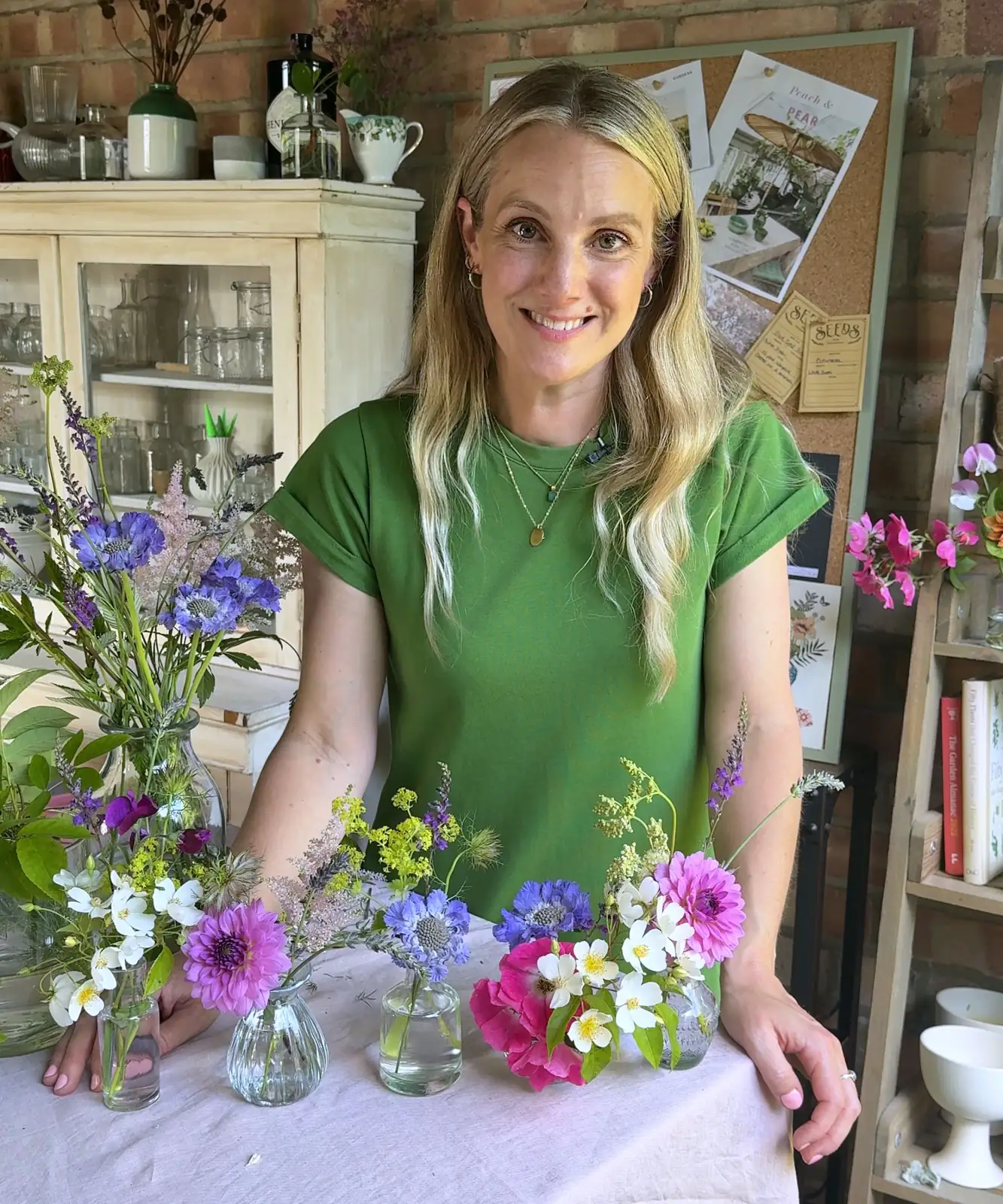
Chinese pink (Dianthus chinensis) is the little cut flower that punches way above its weight. Compact, clove‑spiced, and brilliantly patterned, it’s perfect for posies, bud vases, and tight, modern arrangements. The secret to long‑lasting stems isn’t mystery—it’s timing, clean prep, smart water conditioning, and a cool finish. Here’s your friendly, field‑to‑vase guide.
Grow for compact, sturdy stems (pre‑harvest setup)
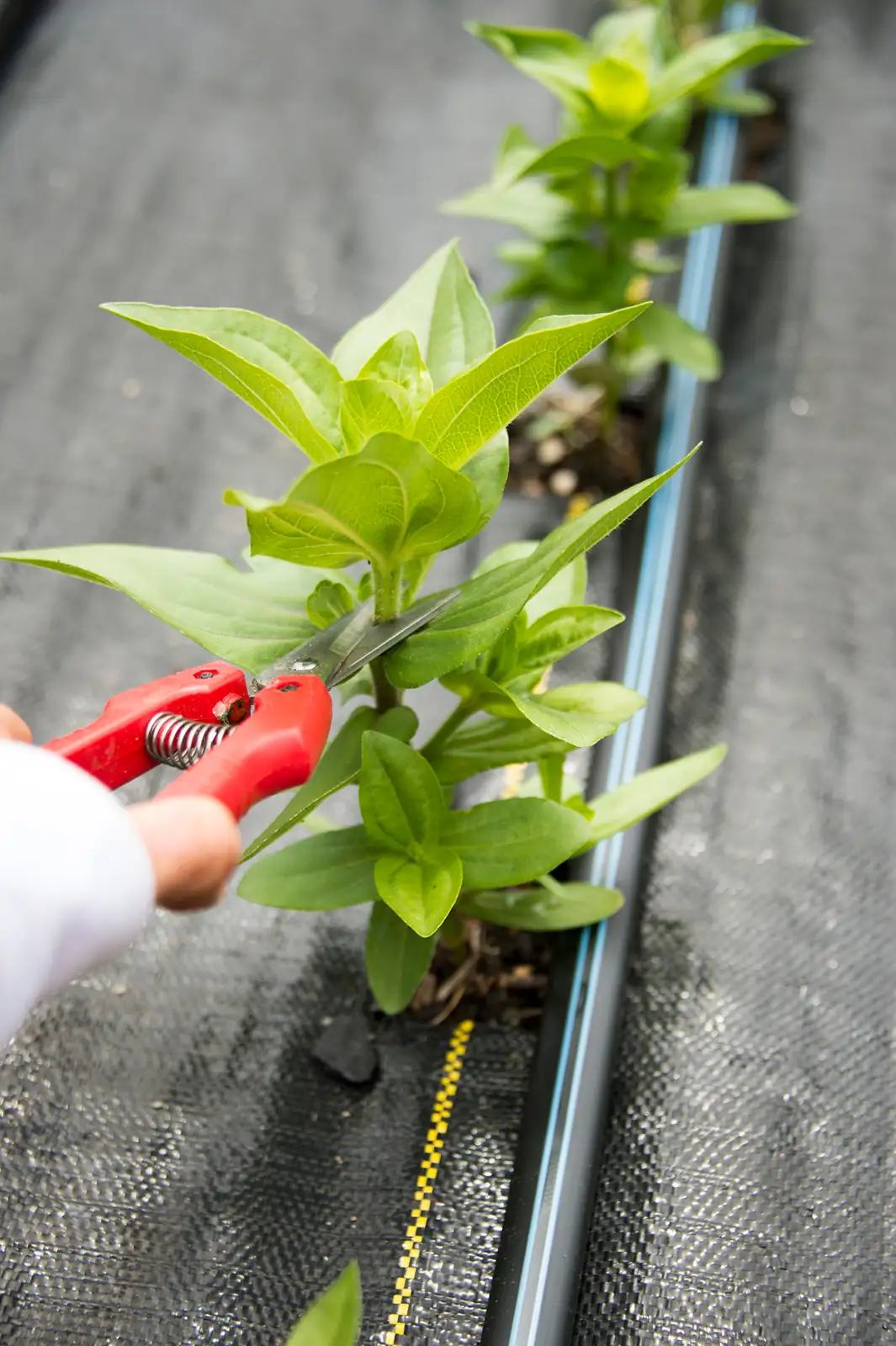
Before you ever pick a bloom, you set vase life in motion. To coax short, strong, bouquet‑worthy stems:
- Give full sun. Aim for 6–8 hours daily; morning sun plus airflow keeps petals crisp.
- Pinch once at 10–15 cm (4–6 in). This multiplies flowering shoots and creates a tight, mounding plant with more usable stems.
- Feed lightly. Favor balanced or slightly higher‑potassium nutrition during active, cool‑season growth. Avoid heavy nitrogen that makes stems soft.
- Keep drainage sharp. Sandy or gritty loam and fast‑draining potting mixes prevent rot and keep plants stress‑free.
- Grow cool. Chinese pinks thrive in cool to mild weather (about 45–68°F / 7–20°C). Cool temperatures naturally shorten internodes, building compact, stocky stems.
Tip: For repeat harvests, cut stems just above a healthy leaf node; new shoots will break below the cut.
Best harvest time: stage and time of day
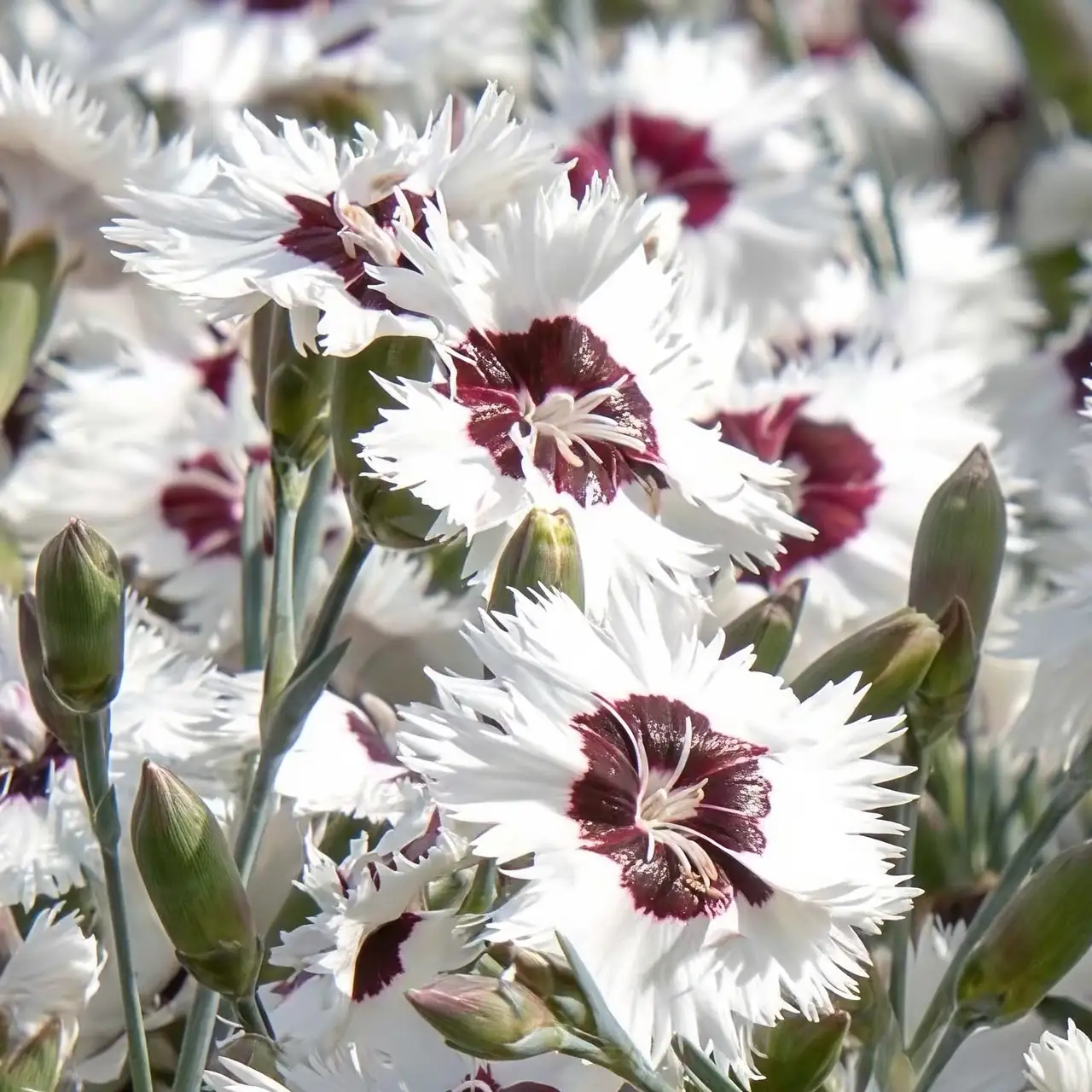
- Time of day: Harvest at dawn or in the cool of evening when plants are fully hydrated. Avoid hot, sunny mid‑day picks—heat spikes respiration and shortens vase life.
- Aftercare the night before: If the soil is dry, water the bed the evening prior. Hydrated roots = hydrated stems.
- Flower stage:
- Single or large blooms: Cut when the bud is fully colored and outer petals just begin to unfurl—think “first whisper open,” not tight green bud.
- Spray‑type or cluster‑blooming plants: Take the stem when the first flower is open and the rest are in colored bud for a staggered show in the vase.
- Stem selection: Choose firm, upright stems with fresh, even foliage. Skip heat‑stressed or floppy shoots.
Stem prep the Dianthus way
- Use clean, sharp snips. Sanitize blades (70% alcohol, a bleach dip, or hot soapy water) to prevent xylem‑clogging bacteria.
- Cut on a slant. Make a single, clean, angled cut to maximize uptake.
- Strip lower leaves. Remove all foliage that would sit below the water line—wet leaves rot fast and feed bacteria.
- Shape the spray:
- Want longer vase life? Disbud small side buds and keep one or two primary blooms.
- Want a fuller, “gardeny” look? Leave side buds; you’ll trade a day or two of vase life for a charming staggered bloom.
- Recut under water (optional but excellent). A quick 0.5–1 cm recut underwater right before arranging helps eliminate air pockets.
- Don’t crush or split stems, and don’t sear ends. Those old myths reduce uptake in Dianthus.
Water conditioning that works
Right after harvest, condition stems before arranging.
- First drink: Place stems in tepid water (about 68–75°F / 20–24°C). Warm water hydrates faster than cold.
- Use a floral preservative. Commercial packets balance sugar, acidify water, and control microbes—perfect for Dianthus’ fine xylem.
- DIY solution (gentle, effective):
- Per 1 liter (1 qt) of water: 1 tsp sugar (5 g) + 1 tsp lemon juice or white vinegar (5 mL) + 2–3 drops unscented household bleach (0.1 mL).
- Too much bleach is counterproductive; a few drops is enough.
- Conditioning window: Hold stems 2–4 hours (or overnight) in a cool, dim place before arranging.
- Vase hygiene: Wash vases with hot soapy water (or a dilute bleach rinse), then refresh solution and recut stems every 1–2 days.
Pro corner: Florists often use solutions containing 8‑hydroxyquinoline (8‑HQC) or salicylic acid to reduce bacterial clogging and extend vase life in carnations (a close Dianthus cousin). Research on carnations has shown these biocides can meaningfully prolong life by keeping xylem clear; similar clean‑water logic benefits Chinese pinks, so commercial cut‑flower solutions are a safe bet.
Coolth: your secret vase‑life extender
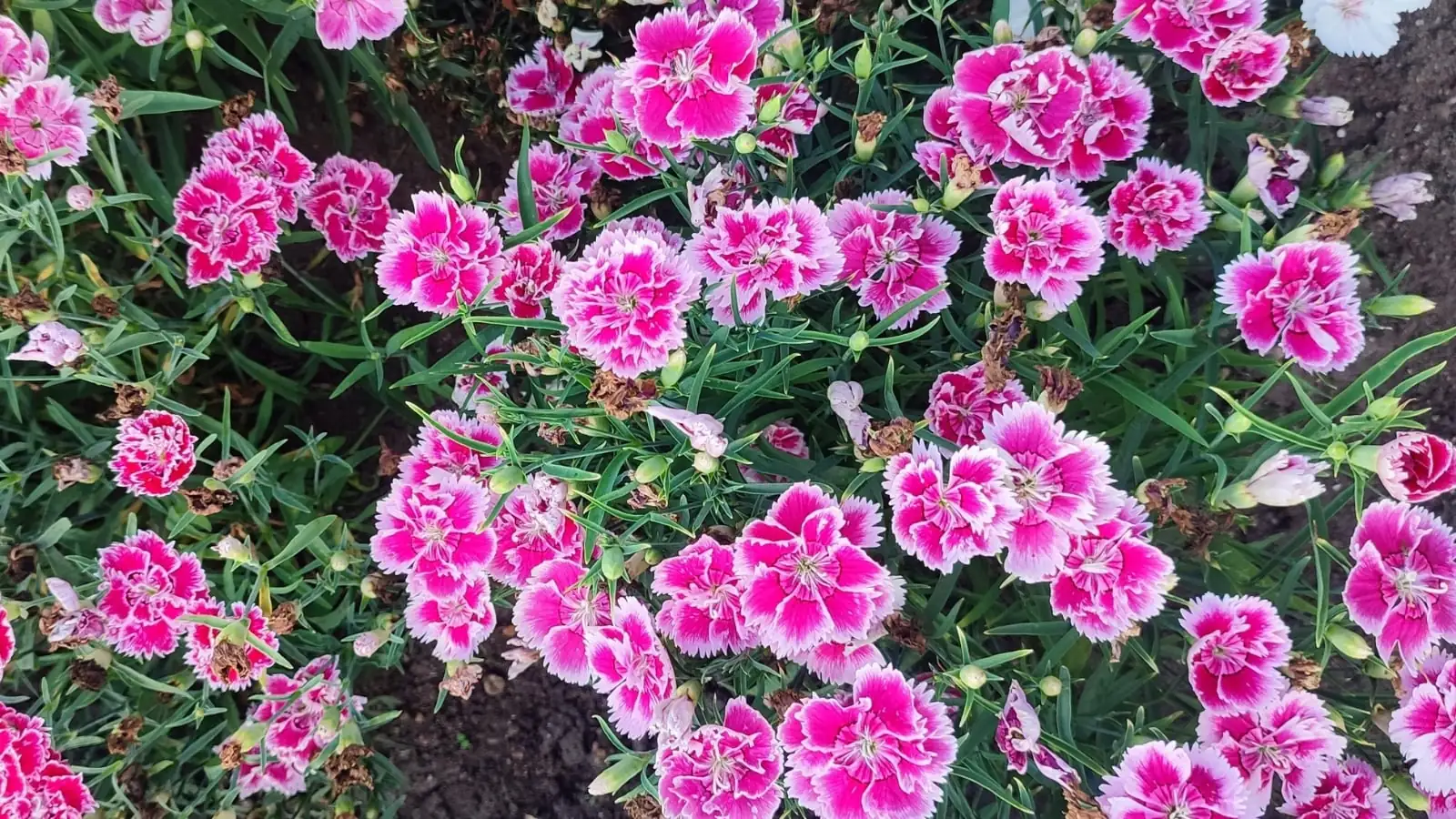
Chinese pinks are cool‑season bloomers, and they keep their poise longest in cool air.
- What cool does:
- Slows respiration and water loss.
- Keeps pigments bright and petals crisp.
- Suppresses microbial growth in the vase.
- Practical targets:
- Conditioning/storage: 36–41°F (2–5°C) for a few hours to overnight speeds hydration and sets blooms without chilling injury.
- Display: 50–59°F (10–15°C) when possible will noticeably outlast 70–75°F (21–24°C). Warm rooms can halve vase life.
- Daily habit: Move arrangements to the coolest room overnight. Avoid direct sun, heaters, and drafts.
- Keep away from fruit bowls and car exhaust. Many Dianthus are sensitive to ethylene; fruit and fumes shorten bloom time.
Compact‑stem design notes
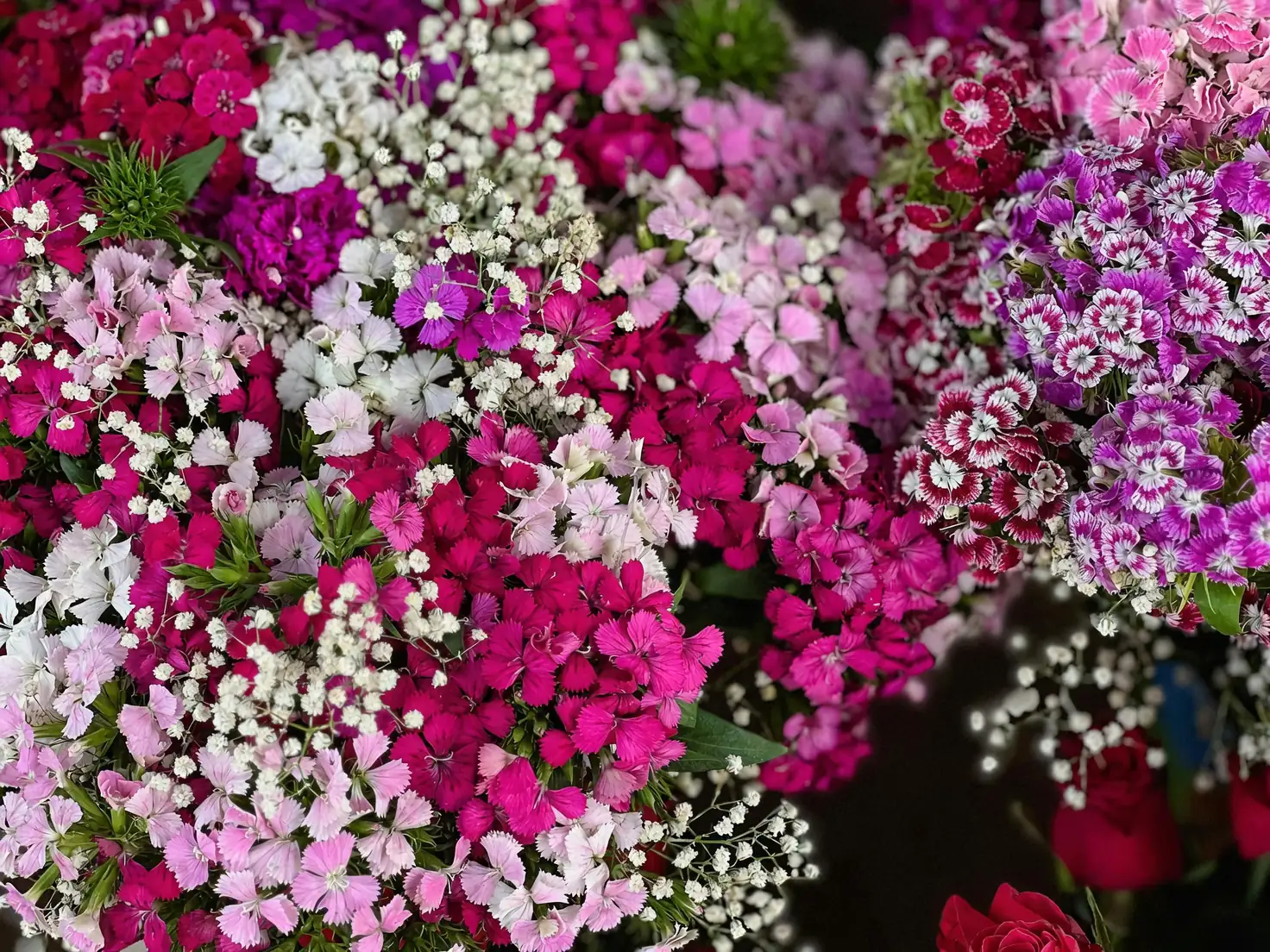
- Embrace small‑vase scale: bud vases, jam jars, and posy cups flatter D. chinensis’ stem length and flower size.
- Mix for texture: tuck Chinese pinks with other cool‑season cuts like ranunculus, anemones, or airy grasses. Silver herbs (dusty miller, small sprigs of lavender) highlight the patterned “eye.”
- Group by color: mass 5–9 stems of a single bicolor for a modern, graphic look, or blend soft pinks and whites for cottage charm.
Quick troubleshooting
- Stems flag right after cutting: Recut 1 cm and give a 30–60 minute drink in warm preservative solution, then chill.
- Cloudy or smelly water: Wash the vase, refresh solution, and strip any stealth leaves below water line.
- Buds stall and never open: Room too cold? Warm slightly (60–64°F / 16–18°C) for a day, then return to cool display.
- Petal edges crisp or brown: Heat or direct sun. Shift to indirect light and cooler air; refresh solution.
Safety and a note on petals
Petals are sometimes used as a garnish, but only from plants grown specifically for culinary use and never treated with pesticides. If pets nibble foliage, mild stomach upset is possible—discourage chewing.
Scent and symbolism, thoughtfully
Dianthus flowers have long been celebrated for a light, spicy, clove‑like fragrance. In traditional flower lore, Chinese pink is linked with joy, good fortune, and honor; more broadly, “pinks” often stand for affection and admiration. Remember, flower language grew from cultural storytelling, not botany—delightful as a lens for arranging, but not a rulebook.
—
With cool‑hour harvesting, clean cuts, a smart conditioning bath, and a nightly chill, compact stems of Dianthus chinensis will keep their sparkle far longer than you’d expect from such petite powerhouses. Cut often, keep it cool, and let those fringed petals do the rest.


