

If you garden on a balcony, rooftop, or windowsill, Lavandula angustifolia (English lavender) is your invitation to turn one pot into a portable summer breeze. Give it sun, a gritty mix, and moving air, and this Mediterranean subshrub will perfume your whole perch—without demanding coddling. The secret? Think container-first: engineer drainage, right-size the pot, hack the airflow, and defend against winter wet. Do that, and your single lavender becomes a scent machine.
Fun to know:
- “Angustifolia” means “narrow‑leaved.”
- Lavender’s perfume is strongest on warm, sunny, dry days—exactly what it loves.
- One healthy pot can noticeably scent a bright balcony or windowsill.
H2: Meet the plant
- Botanical name: Lavandula angustifolia
- Family: Lamiaceae
- Origin: Mediterranean region; widely cultivated
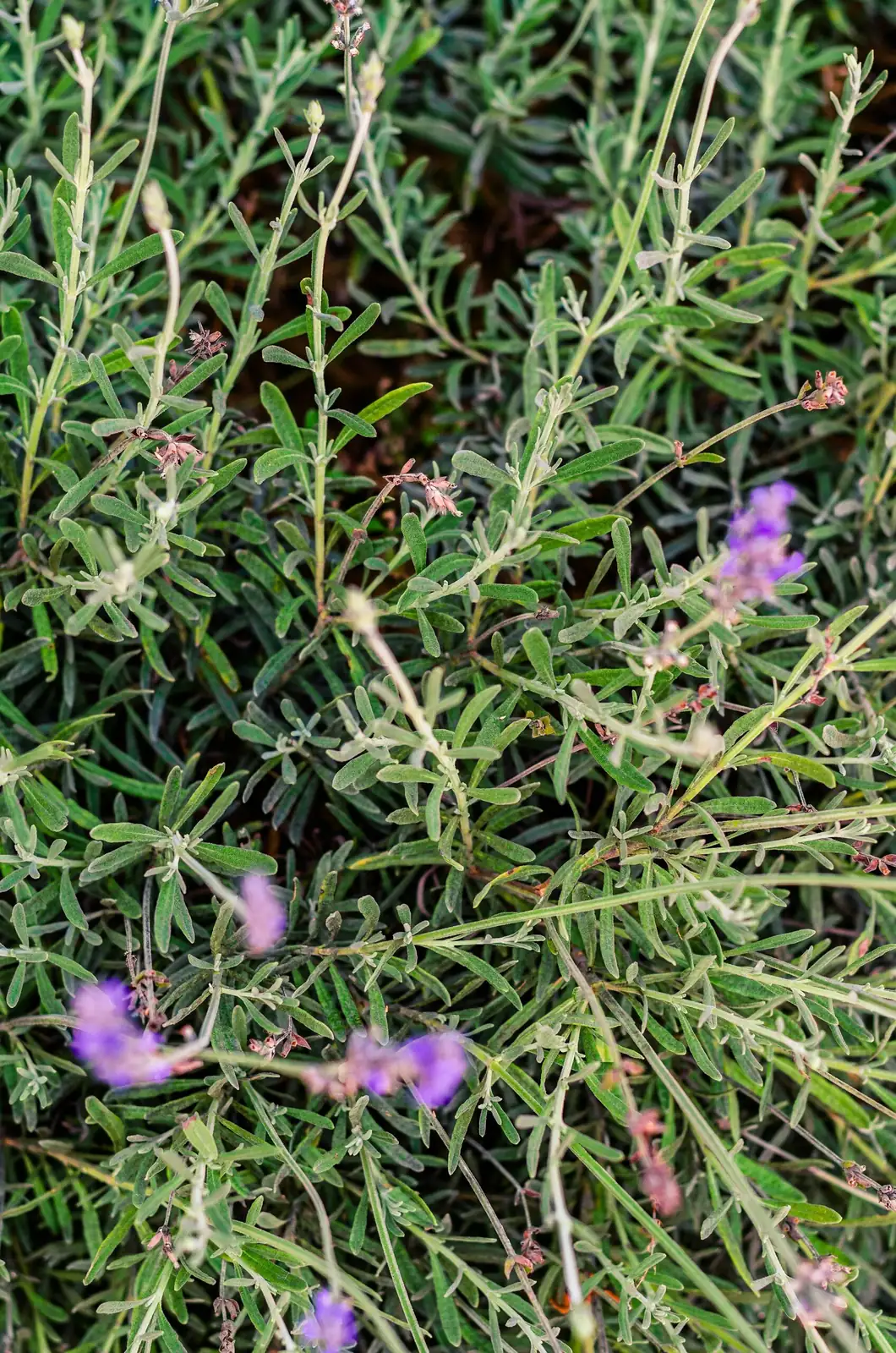
- Habit: Compact, bushy, evergreen (or semi‑evergreen in cold winters) subshrub; 30–60 cm tall, often 30–60 cm wide in pots
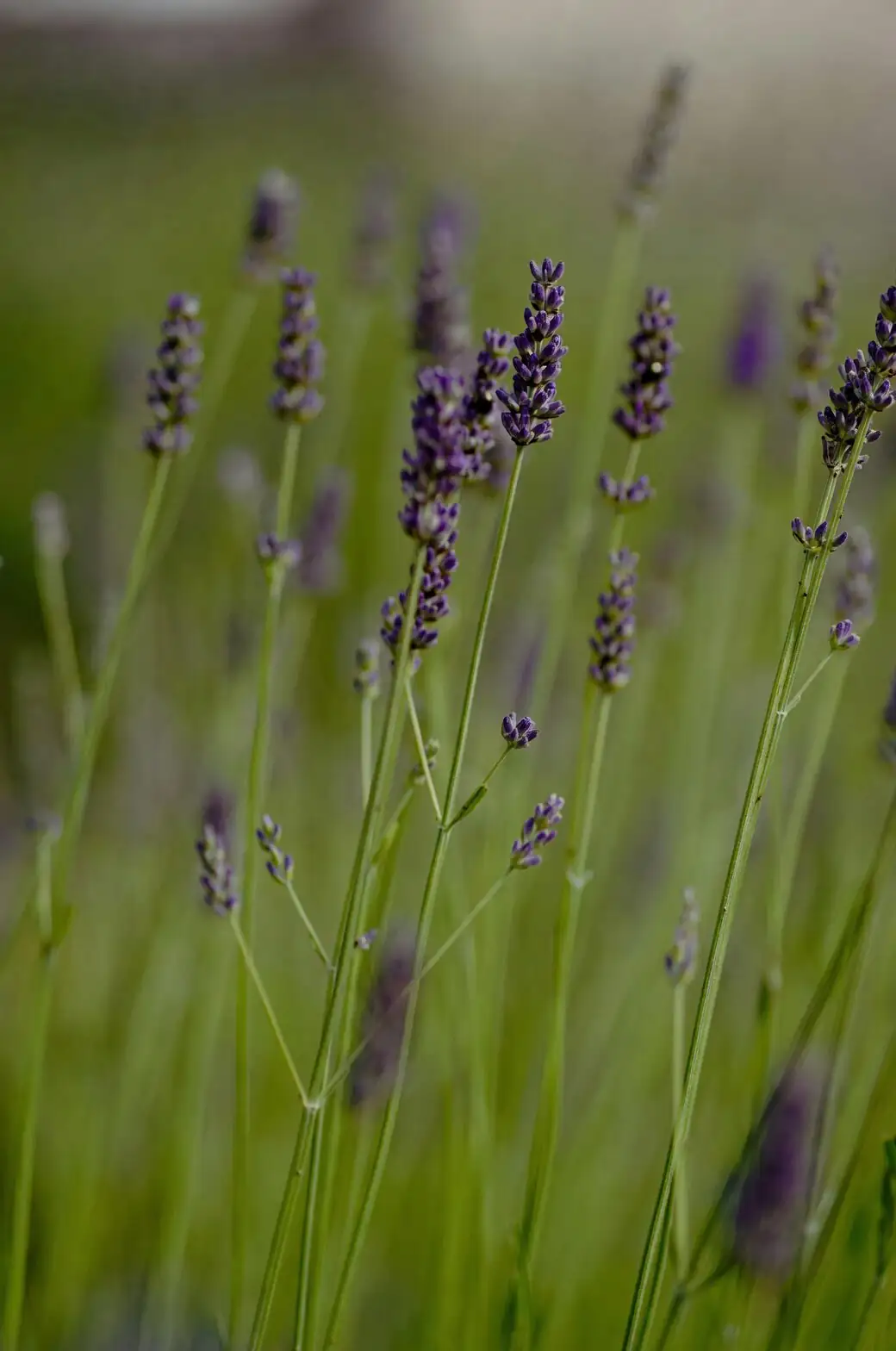
- What you get: Slender summer flower spikes (usually pale to mid‑purple), silvery‑grey aromatic foliage, and armfuls of stems to dry for bouquets and sachets
- Loves: Full sun, fast drainage, and breezy, dryish air
- Dislikes: Soggy compost, stagnant humidity, and hard cuts into old woody stems
H2: The container-first blueprint
H3: Site: sun and a steady breeze
- Aim for 6–8+ hours of direct sun.
- Choose the breeziest, brightest spot: open balcony railings, rooftop edges, a south-facing sill.
- Indoors in winter: pick the brightest window (ideally south-facing) and keep air moving gently; stagnant, humid rooms invite fungus.
H3: Pots that keep roots dry (and happy)
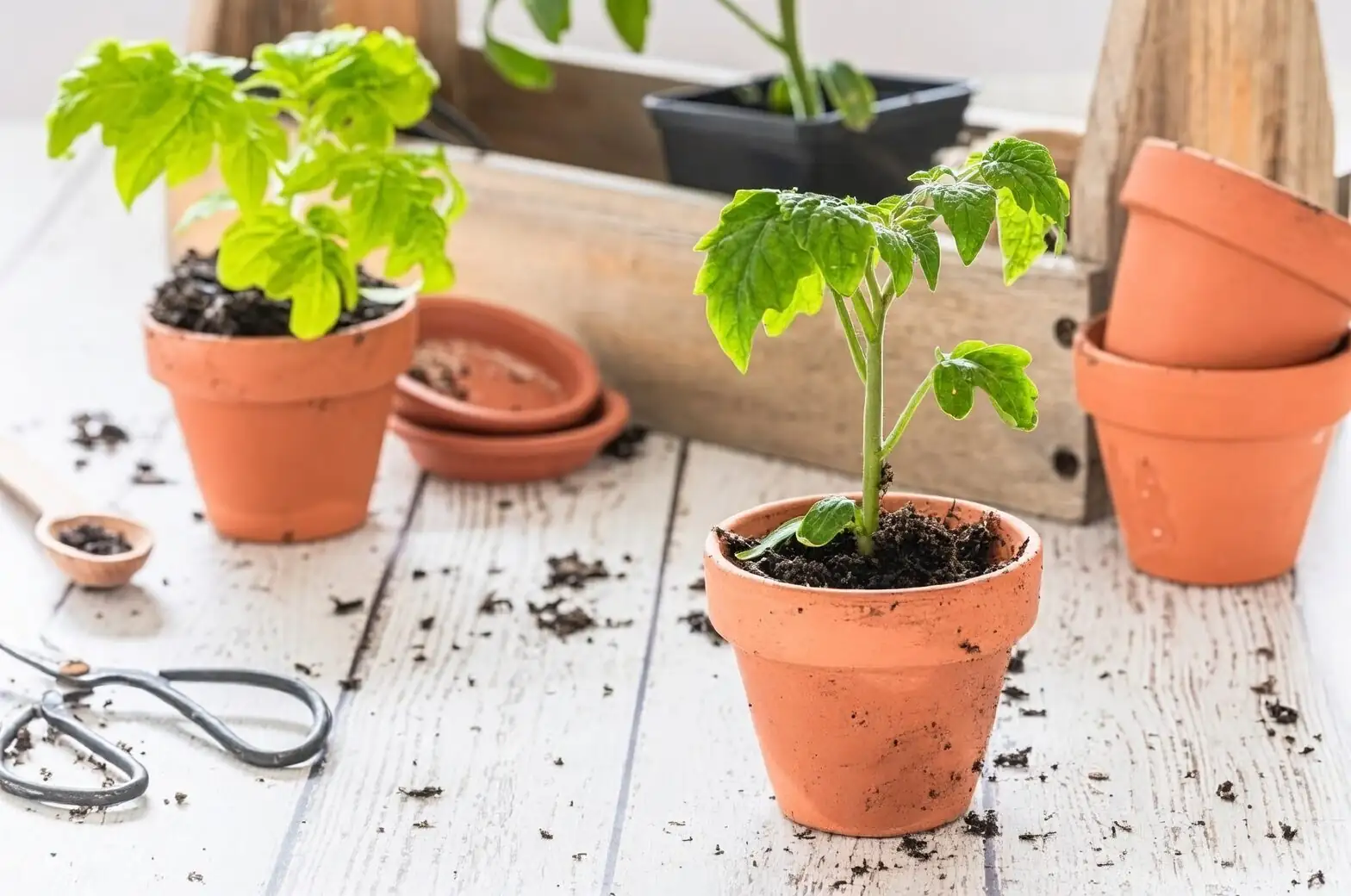
- Material: Unglazed clay (terracotta) breathes and helps the mix dry between waterings.
- Drainage: Multiple holes are non‑negotiable. Add pot feet or a grid riser so water never pools under the base.
- Shape: A stable, straight‑sided or slightly tapered pot resists wind and allows you to slip the plant out for inspection.
- Size strategy:
- Start small to establish: young plants do well in 12–15 cm (about 5–6 in) pots.
- Upsize gradually as roots fill the pot; avoid “overpotting,” which keeps the mix wet too long.
- For a mature, balcony‑sized mound, choose a container that roughly matches the plant’s canopy width (often around 25–35 cm diameter), with excellent drainage.
Pro tip: Skip gravel layers at the bottom; they don’t improve drainage and can trap water against roots. Let the whole mix be fast‑draining instead.
H3: Gritty mix that mimics a hillside
Lavender wants a lean, mineral‑rich, very free‑draining medium.
- Simple winning formula (by volume):
- 50–60% loam‑based compost or quality potting compost
- 30–40% chunky perlite, pumice, or horticultural grit (coarse, not fine)
- Up to 10–20% sharp sand or small gravel for extra “bite”
- Optional topdress: 1–2 cm of grit around the crown to keep it drier and cleaner after rain.
- Never let the pot sit in a saucer of water.
H3: Planting like a pro
- Gently loosen circling roots; set the crown just at or slightly above the finished soil line.
- Firm lightly; water once to settle.
- Give 2–3 days in bright, indirect light to recover, then move into full sun.
H3: Watering: the wet–dry rhythm
Lavender thrives on restraint. Water deeply, then let the mix dry noticeably before watering again.
- Spring/cool spells: about every 10 days to 1–2 weeks (adjust to your drying speed).
- Summer/flowering: water when the top few centimeters are dry; morning is best; keep even but never waterlogged.
- Autumn–winter: go sparse. Keep just barely on the dry side and avoid long, cold, wet periods.
- Always water at the base. Avoid wetting foliage late in the day.
H3: Feeding: lean fuels fragrance
- A light feeder: during active growth (roughly May–September), apply a balanced fertilizer about once a month at a reduced rate.
- Avoid heavy nitrogen—floppy growth, fewer flowers, and muted scent often follow rich feeding.
H3: Pruning: keep it dense and youthful
- Young plants: pinch tips 2–3 times once they reach about 10 cm (4 in) to encourage branching.
- After flowering: remove spent stems and lightly clip the green growth to keep a rounded mound.
- Vigorous plants: you can reduce up to about 1/2 of current green growth.
- Average plants: aim closer to about 1/3.
- Timing: late spring or early autumn; avoid extreme heat.
- Golden rule: don’t cut back into old, leafless wood—it may not resprout well.
H3: Airflow hacks for city growers
- Space from walls and railings to avoid dead air pockets; leave 15–30 cm of breathing room.
- Use pot feet or an open pot stand to let air circulate under the container.
- Group companions loosely; avoid crowding around lavender’s shoulders.
- On sheltered balconies, a small, quiet fan on hot, humid days can be the difference between pristine blooms and Botrytis.
H3: Winter wet protection: the real killer to beat
Lavender is often hardier to cold than to cold-plus-wet, especially in containers.
- Before persistent rain or freezes:
- Raise on pot feet and move under deep eaves, a clear rain shield, or a bright, sheltered porch.
- Keep the mix on the dry side; never water “just in case.”
- In very cold regions:
- Aim to keep pots above about 5°C (41°F) if possible, while maximizing light and airflow.
- An unheated but bright, sheltered spot (cold frame, enclosed balcony, bright garage window) is ideal.
- Avoid wrapping the pot in plastic that traps moisture; dryness and ventilation are your priorities.
H2: From pot to perfume: turning sunlight into scent
- Sun drives oils: prioritize full, unshaded exposure.
- Keep soil lean and fast: rich, soggy compost dulls fragrance.
- Harvest timing: cut stems when about one‑third to half of the florets have opened for a perfect balance of color and scent.
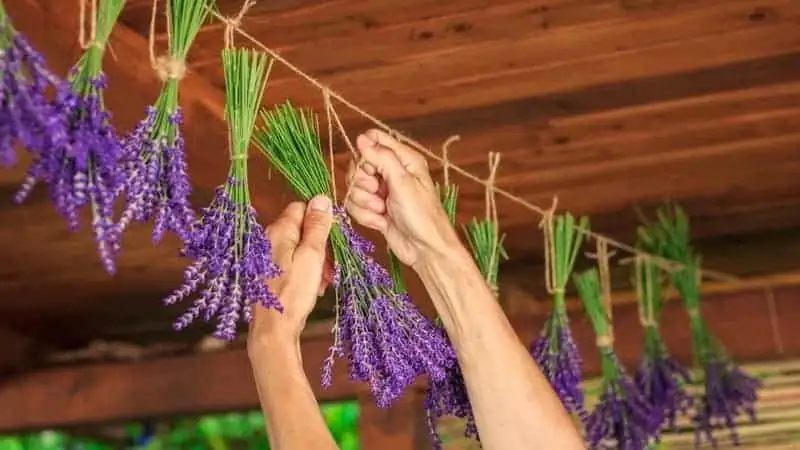
- Drying: bundle small bunches, hang in a warm, airy, shaded place. The spikes keep their perfume beautifully for sachets and bouquets.
H2: A city grower’s calendar (quick hits)
- Spring
- Repot if needed; refresh a good portion of the old mix.
- Water roughly every 10 days (or when partly dry).
- Pinch to shape; maximize sun and airflow.
- Summer (main bloom)
- Water when the top layer dries; feed lightly monthly.
- Deadhead and lightly clip for a fresher second flush.
- Prioritize morning watering and breezes; avoid humid stagnation.
- Late summer–early autumn
- Take semi‑ripe cuttings.
- Lightly prune after flowering (stay in green wood).
- Begin easing off water as nights cool.
- Late autumn–winter
- Keep very bright, cool, and airy.
- Water sparingly; protect from prolonged cold and, especially, winter wet.
H2: Troubleshooting your scent machine
- Yellowing leaves?
- Most often too much water or poor drainage. Move to a sunnier, breezier spot, let the mix dry more between waterings, and ensure the pot drains freely (no standing water).
- Greying, fuzzy rot on flowers/leaves (Botrytis)?
- Trim off affected parts; increase sun and airflow; water at the base only and in the morning. Use a labeled fungicide if needed and permitted.
- Poor rebound after pruning?
- Likely cut into old, leafless wood. Stick to pruning the current season’s green growth; time trims for late spring or early autumn.
H2: Repotting, step-by-step
- Best times: spring or right after flowering.
- Remove and refresh a good portion of the old mix (up to about half).
- Tidy fine roots lightly; plant into a very free‑draining medium.
- Water once, give brief recovery in bright shade, then return to full sun.
H2: Propagation for more pots (and gifts)
- Seeds: surface‑sow; germinate around 20–24°C; sprouts in ~2–3 weeks.
- Cuttings: take 6–10 cm semi‑ripe cuttings from early summer through autumn; root in a sandy/gritty medium in ~3–6 weeks.
- Water rooting: semi‑ripe cuttings often root in clean water in ~2–3 weeks; pot up carefully once roots form.
H2: Safety and good manners on the balcony
- Generally low toxicity as an ornamental. The essential oil can irritate sensitive skin and may be harmful if ingested in quantity.
- Pets that chew a lot may get mild stomach upset; keep concentrated oils and large amounts out of reach.
H2: A note on meaning and myth
Lavender’s “language” in Western traditions leans toward calm, devotion, purity, remembrance, and—charmingly—anticipation or “waiting for love.” These associations grew from centuries of everyday use in linens, baths, and homes rather than any botanical property. The very name likely echoes the Latin “lavare,” to wash. If you keep one pot by the door, you join a long Mediterranean habit: greet the day with a brush of leaves and carry the scent with you.
H2: One-pot recipes: three foolproof setups
- Balcony wind-hunter
- Unglazed clay pot on feet, gritty mix, placed near a railing gap for airflow; morning‑only irrigation; light monthly feed.
- Rain-dodger
- Same pot and mix; stationed under deep eaves with a clear, angled rain shield for winter; crown topdressed with grit.
- Windowsill sunbar
- Bright south window; small fan on low during humid spells; water sparingly; trim lightly after bloom to keep it compact.
If you remember only four rules, make them these: blazing sun, a gritty mix, moving air, and no winter wet. Do that, and your single lavender will hum with bees in summer, dry into armfuls of fragrant stems, and scent your city life far beyond the rim of its pot.